1635 - 1664
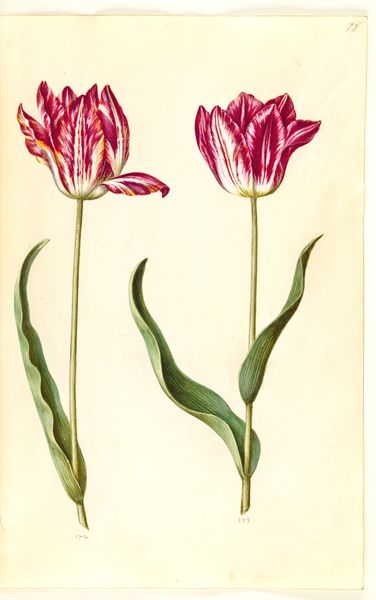
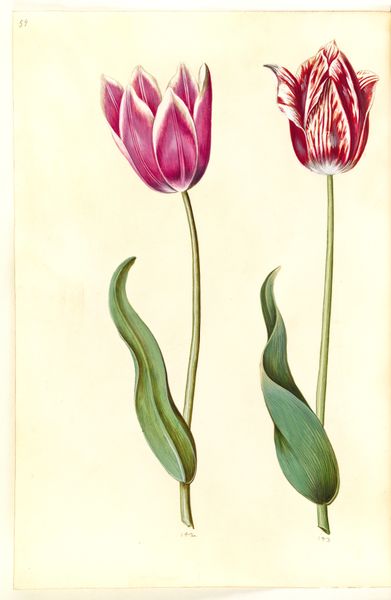
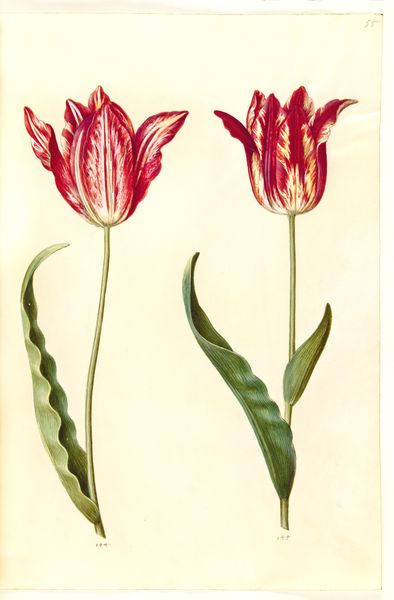
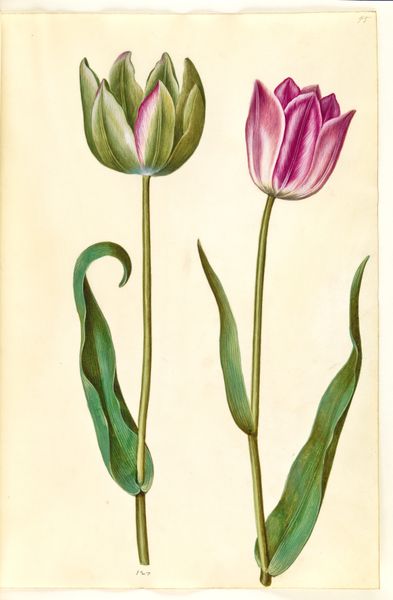
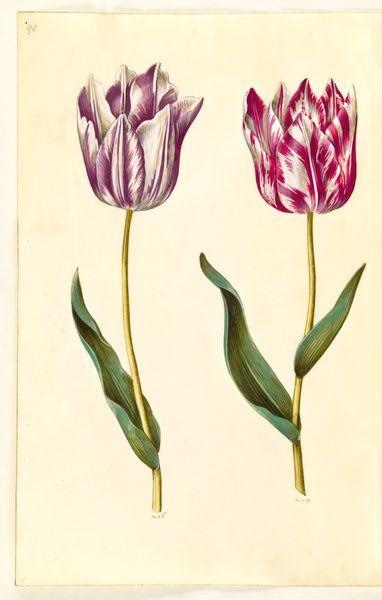
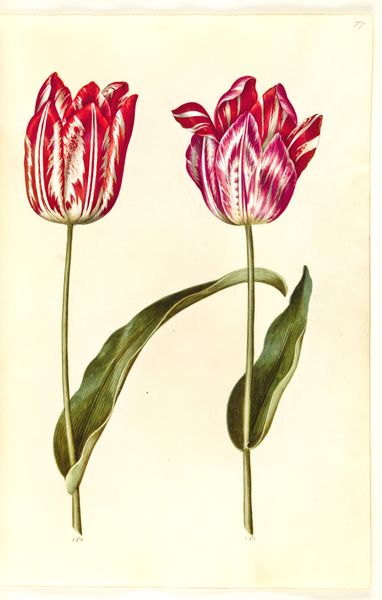
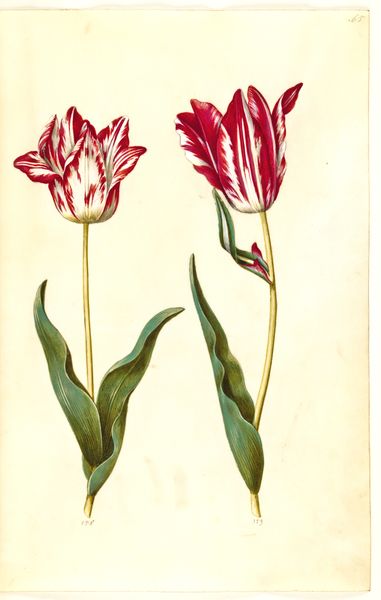
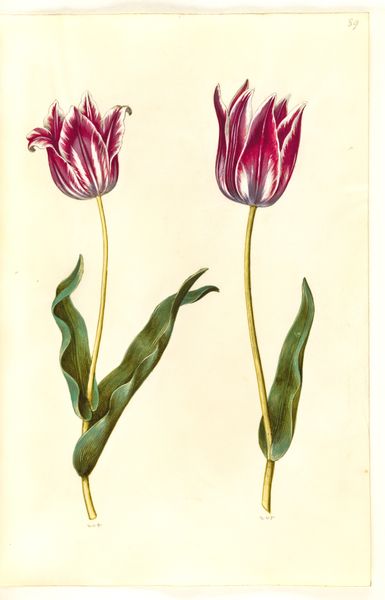
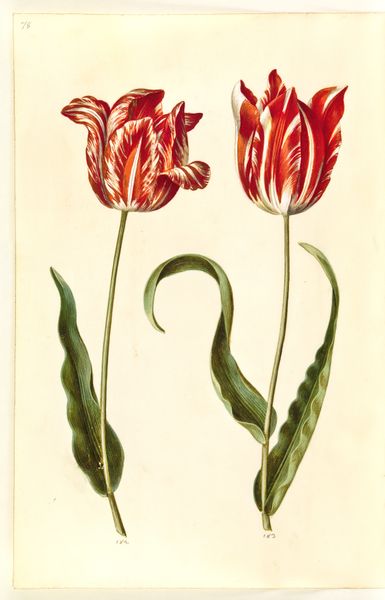
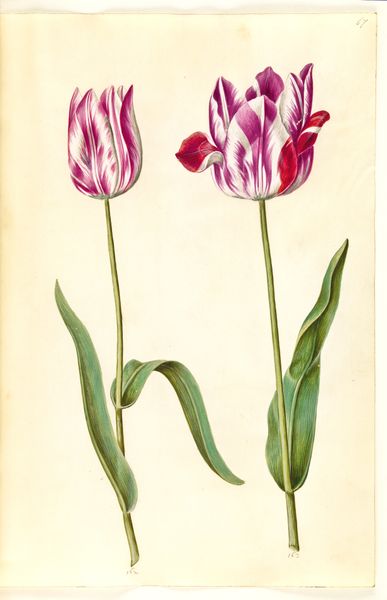
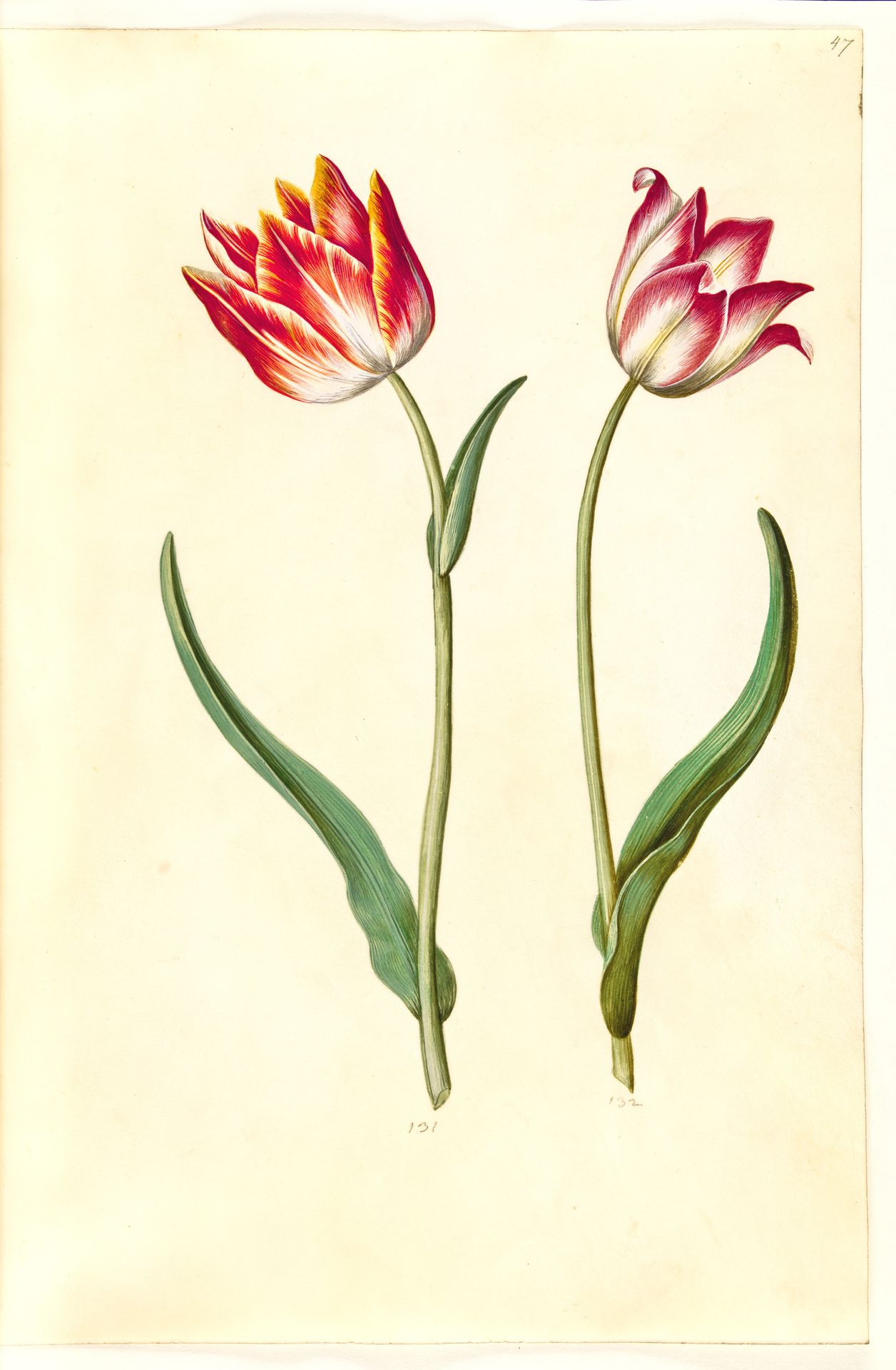
Tulipa gesneriana (have-tulipan)


Listen to curator's interpretation
Curatorial notes
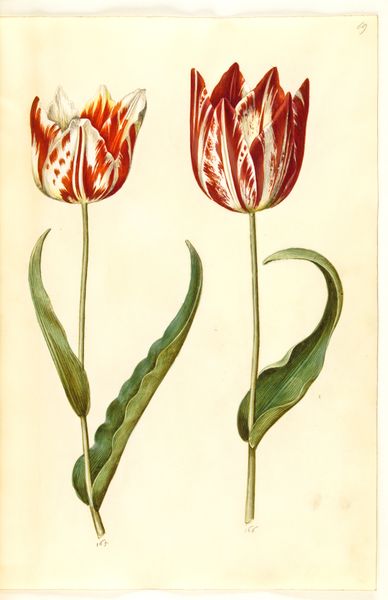
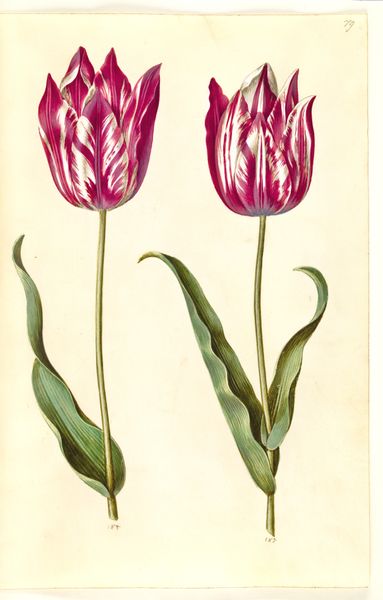
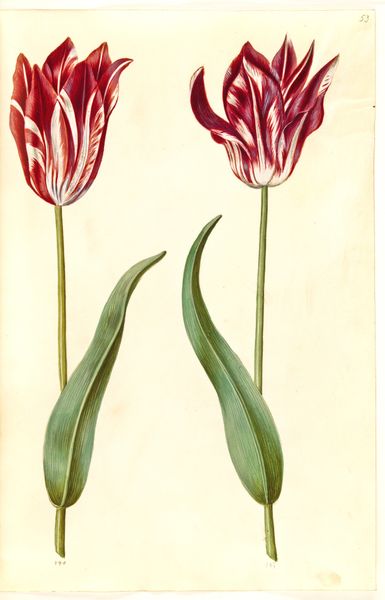
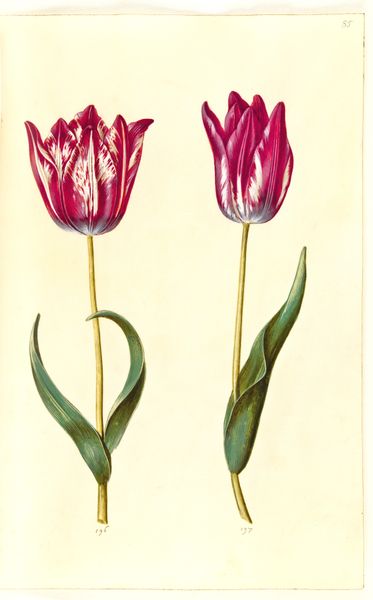
Hans Simon Holtzbecker rendered this botanical study of Tulipa gesneriana, or cultivated tulips, on paper during the 17th century. During this time, the Dutch Golden Age saw an explosion of wealth, and the burgeoning merchant class developed a taste for luxury goods, including exotic flowers. The tulip, originally from the Ottoman Empire, became a coveted status symbol, sparking a speculative frenzy known as “Tulip Mania”. Reflecting the aesthetic sensibilities of the era, Holtzbecker meticulously captures the minute details of the flower's form and vibrant color variations. This wasn't merely an objective record; it was a celebration of beauty and wealth. The image also provides a fascinating glimpse into the cultural values of the time, where nature was both a source of scientific inquiry and aesthetic pleasure. As you observe the delicate rendering of the tulips, consider how it mirrors the societal values of status, beauty and desire.