About this artwork
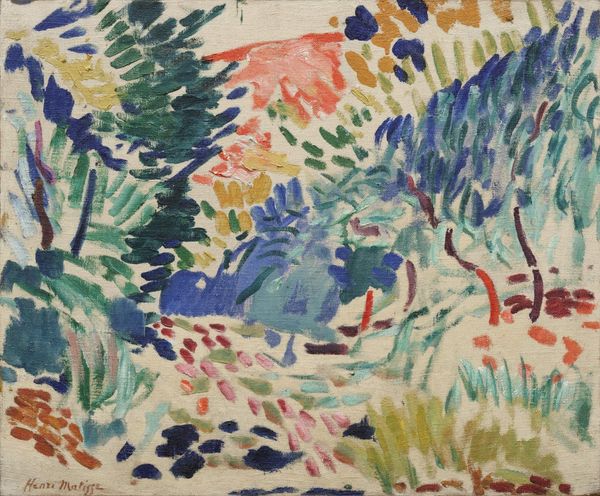
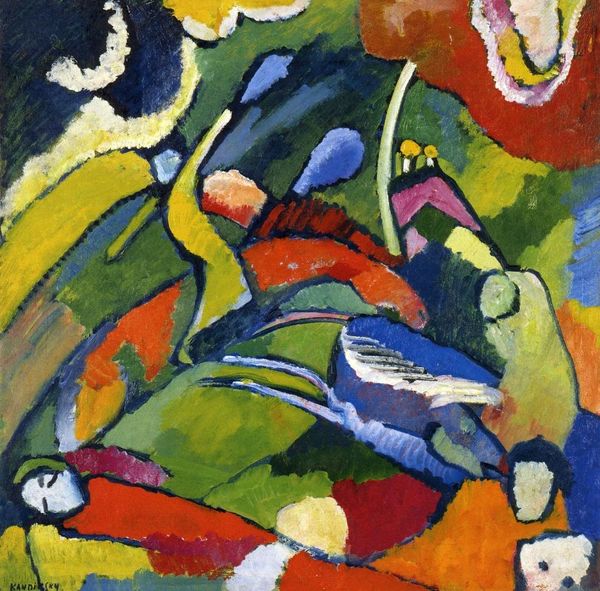
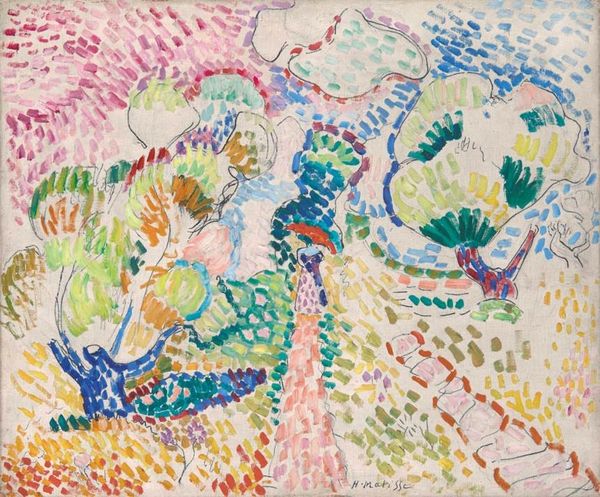
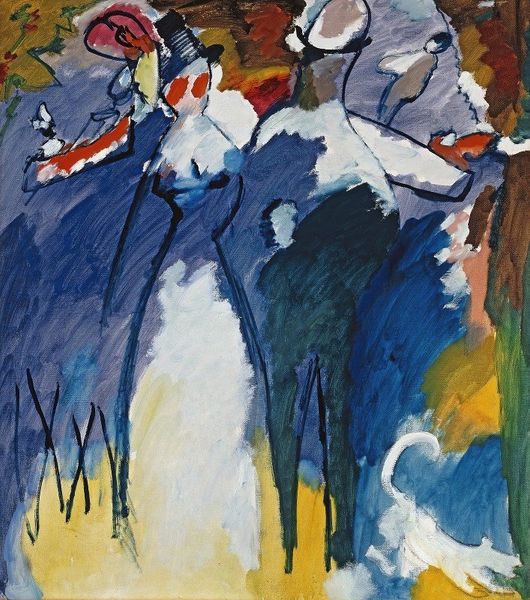
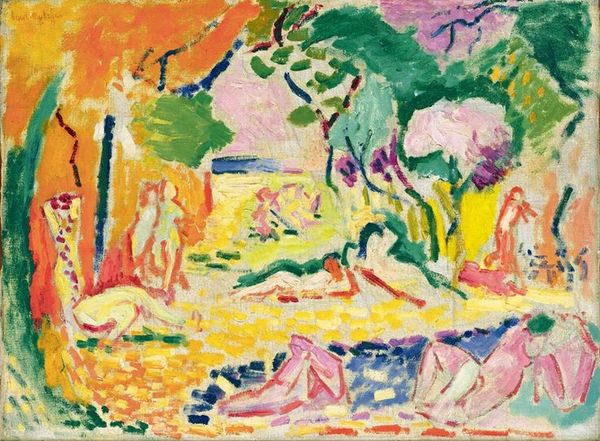
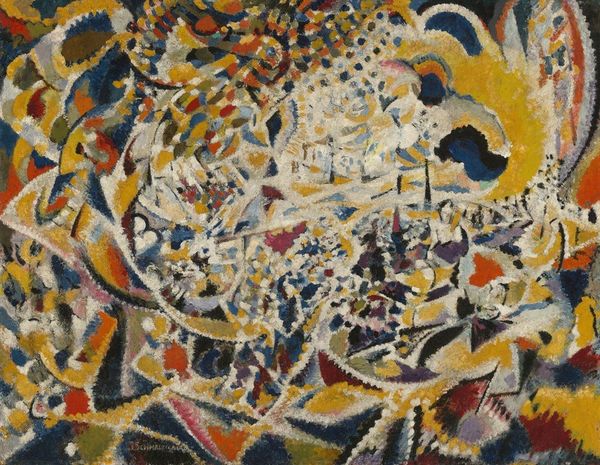
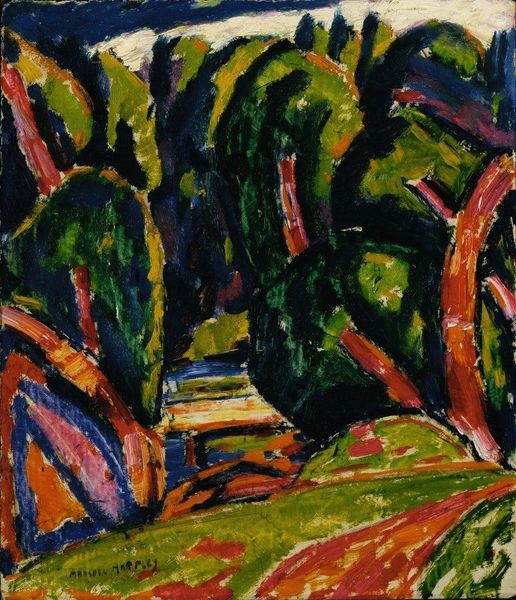
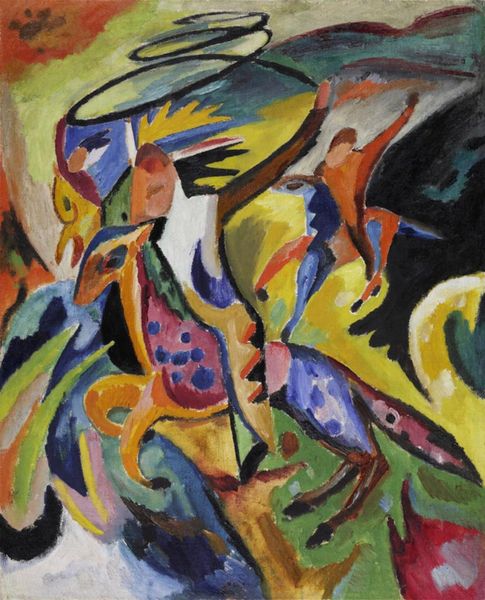
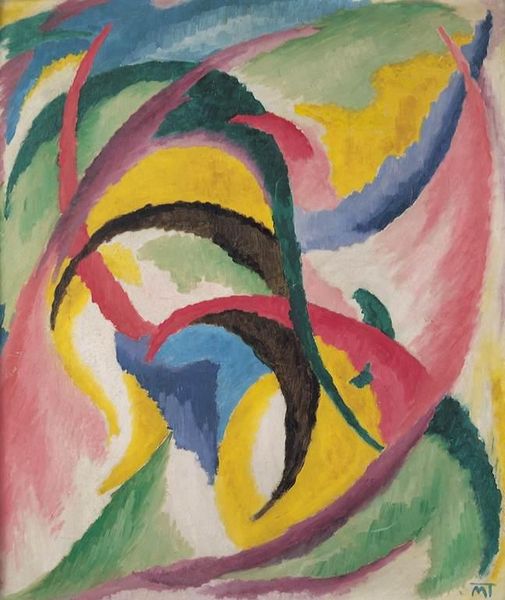
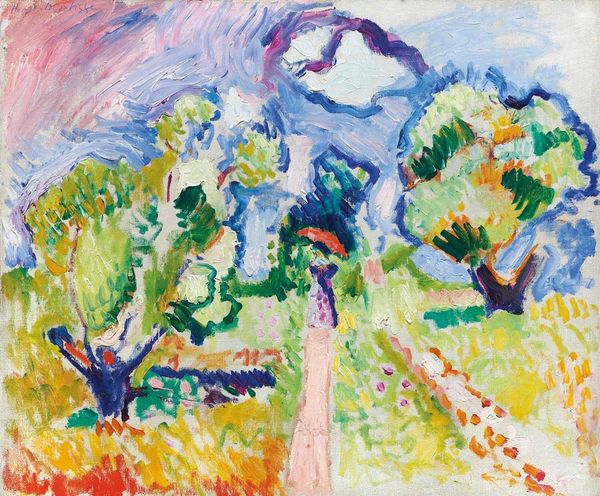
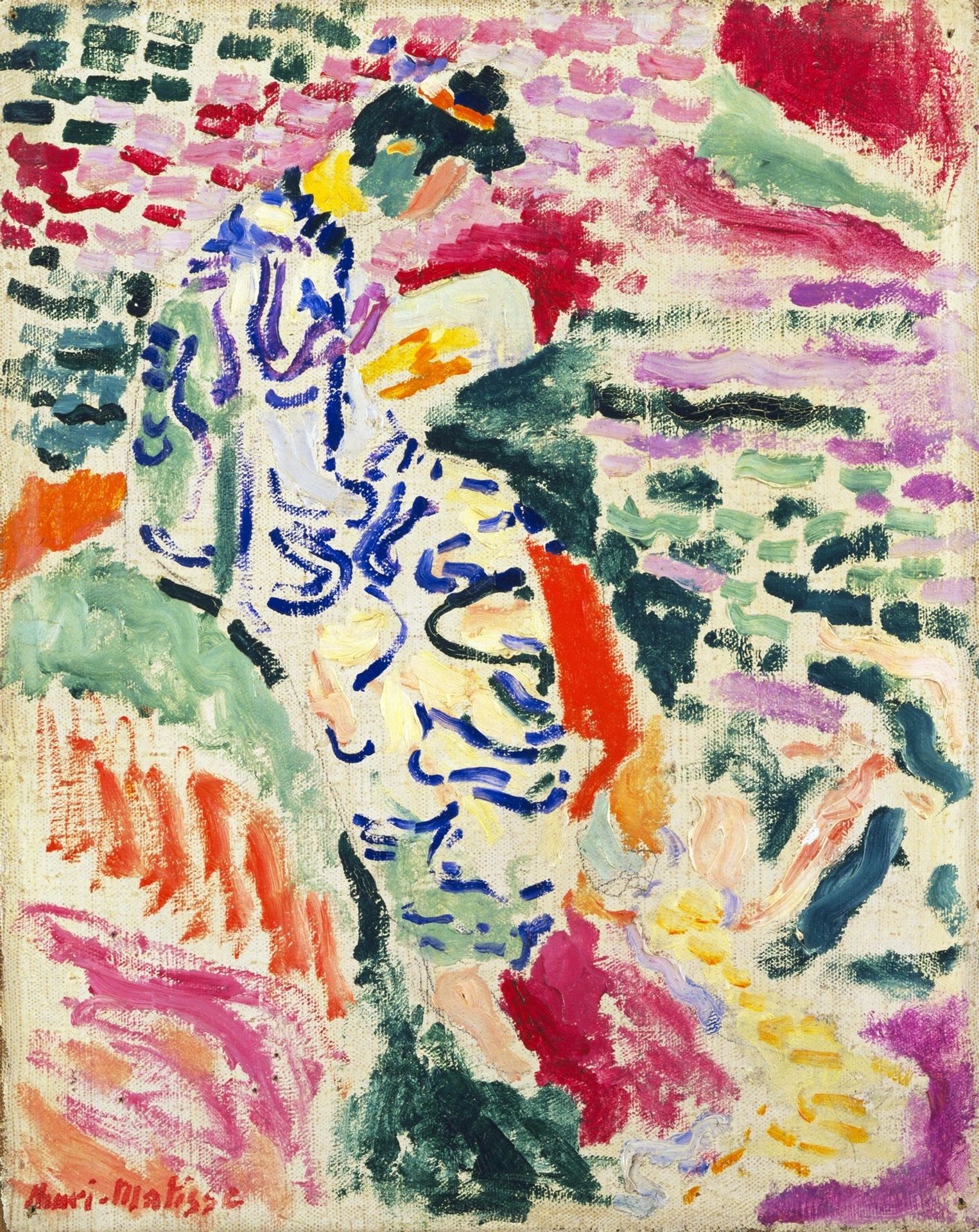
Henri Matisse created this oil on canvas painting titled 'Woman Beside the Water' sometime during his career. Matisse was a leading figure in the Fauvist movement in France at the beginning of the 20th century. His painting 'Woman Beside the Water' exemplifies the group's emphasis on bold colors and simplified forms as a means of expression. The artwork reflects a shift in early 20th-century art away from strict representation towards subjective interpretation. This painting may have been exhibited in the Salon d'Automne, an alternative venue to the official Salon system. The Salon d'Automne played a crucial role in showcasing avant-garde art and challenging the conservative norms of the French art establishment. Historians study exhibition records, critical reviews, and artists' correspondence to better understand the social and institutional context that gave rise to it. Understanding this context allows us to grasp the radical nature of Fauvism and its challenge to the established order.

Artwork details
- Copyright
- Public domain US
Comments
Be the first to share your thoughts about this work.
About this artwork
Henri Matisse created this oil on canvas painting titled 'Woman Beside the Water' sometime during his career. Matisse was a leading figure in the Fauvist movement in France at the beginning of the 20th century. His painting 'Woman Beside the Water' exemplifies the group's emphasis on bold colors and simplified forms as a means of expression. The artwork reflects a shift in early 20th-century art away from strict representation towards subjective interpretation. This painting may have been exhibited in the Salon d'Automne, an alternative venue to the official Salon system. The Salon d'Automne played a crucial role in showcasing avant-garde art and challenging the conservative norms of the French art establishment. Historians study exhibition records, critical reviews, and artists' correspondence to better understand the social and institutional context that gave rise to it. Understanding this context allows us to grasp the radical nature of Fauvism and its challenge to the established order.
Comments
Be the first to share your thoughts about this work.