1230
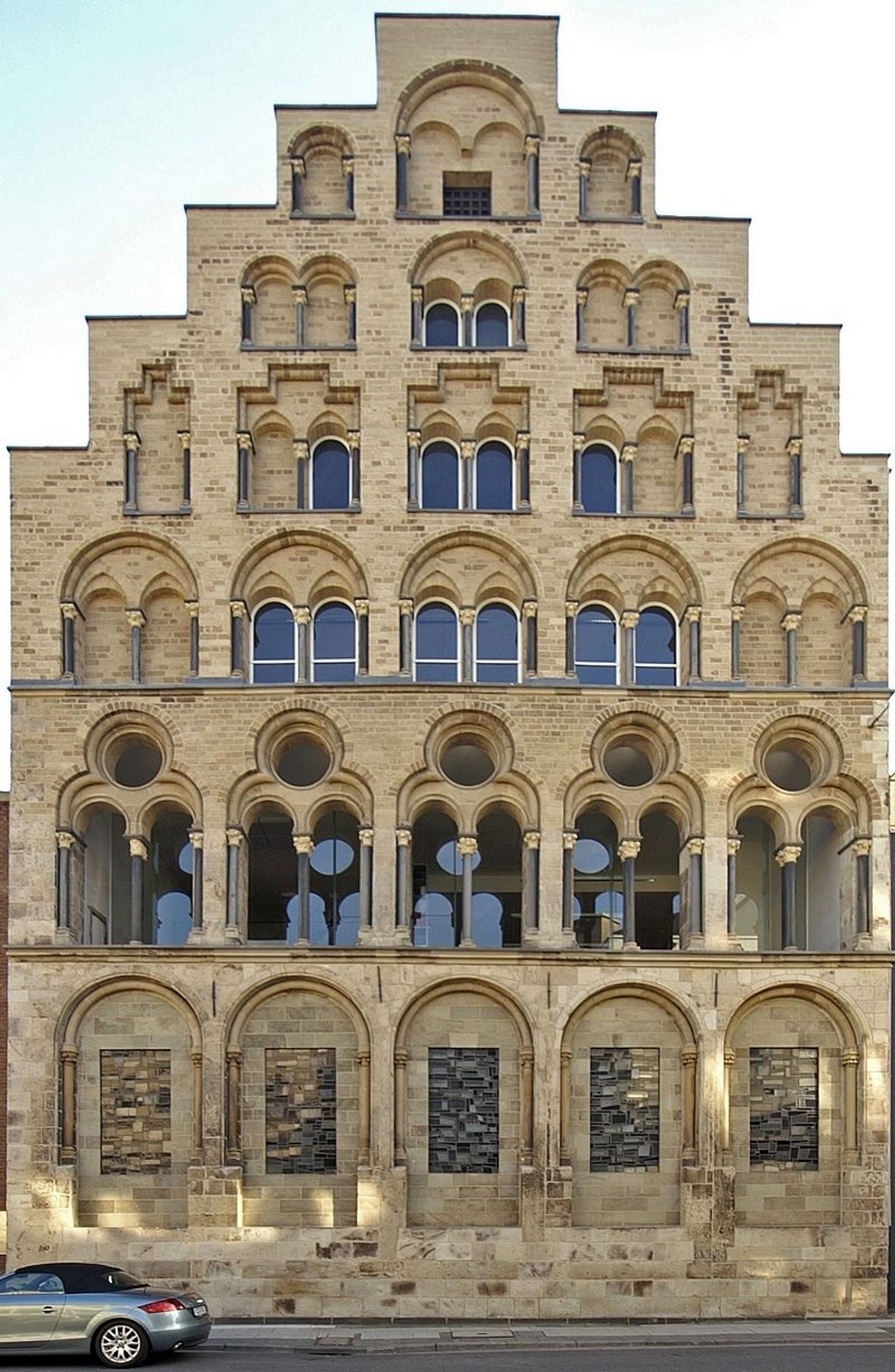
House Overstolz, Cologne, Germany

Listen to curator's interpretation
Curatorial notes
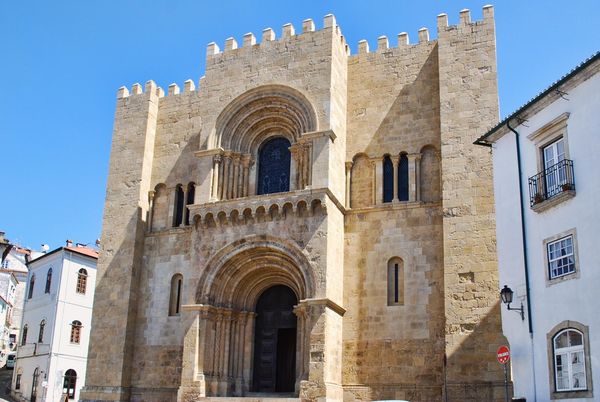
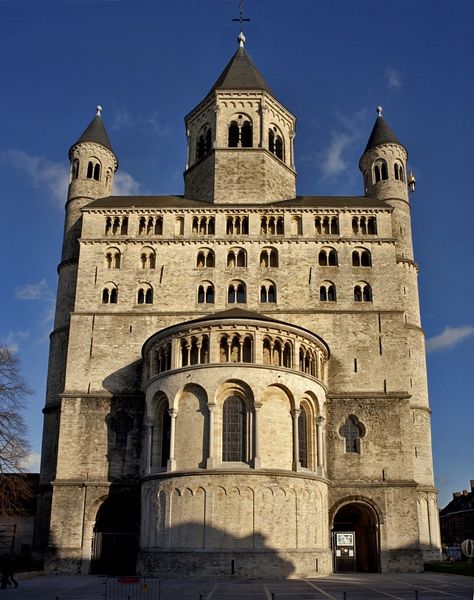
Curator: Welcome. Today, we’ll be looking at the House Overstolz in Cologne, Germany, a remarkable example of Romanesque architecture dating back to 1230. Editor: My first impression is one of robust austerity. The stone is this almost bone-like colour and the facade, while decorated with arches, still feels very imposing. Curator: It's worth noting the significance of stone as a building material at the time. The construction of structures like House Overstolz required immense resources, labor, and technical expertise. Who had access to this much power? Editor: You're right, its materiality speaks volumes. Let's look closer at its form then. I am struck by how the facade is broken up by series of repeated archways. This rhythm gives a clear sense of structure, almost like a musical score. Curator: That rhythmic repetition, you observe, hints at the rising merchant class. This wasn’t a monastery, and definitely not a feudal lord's castle! These details tell the story of a burgeoning economic system that’s shaping the urban landscape. Editor: Precisely, and within that very context, one can not overlook the colour and texture created via the various types of archway openings and their spatial arrangements, a visual delight, particularly given its age. The entire work becomes greater than just it's stone blocks, don’t you think? Curator: Perhaps. However, it's more relevant to remember the labor and exploitation it took to obtain and move and dress all of the materials; the conditions they suffered! We may never be able to properly assess such details, but ignoring this information feels unethical to me. Editor: That’s a valid counterpoint. This kind of visual encounter and intellectual exchange, as it evolves through the eras, really can add more layers of historical significance and meaning, I think. Curator: And now, knowing the details and context, let’s let the listeners decide on their own ultimate assessment.