About this artwork
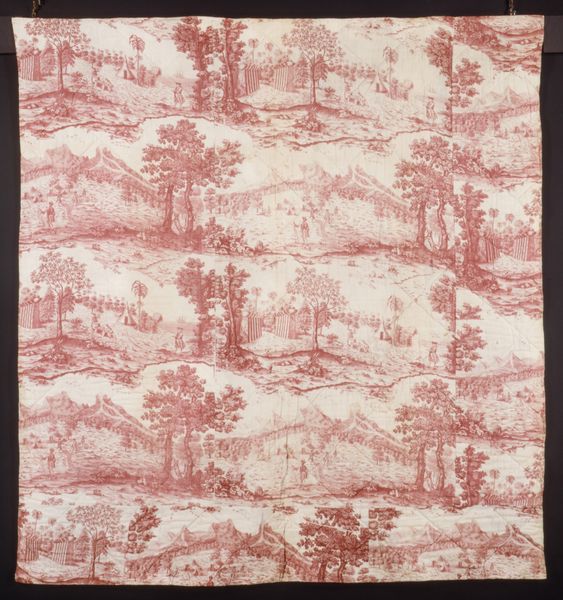
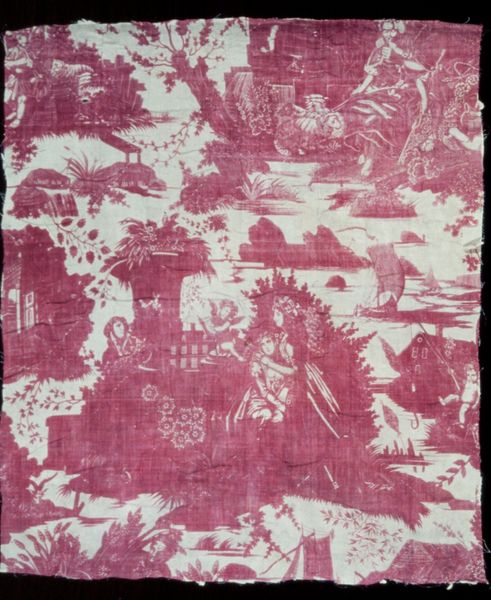
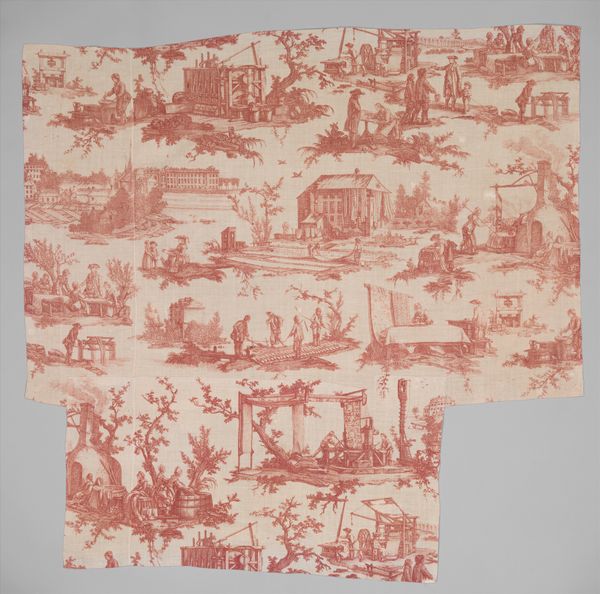
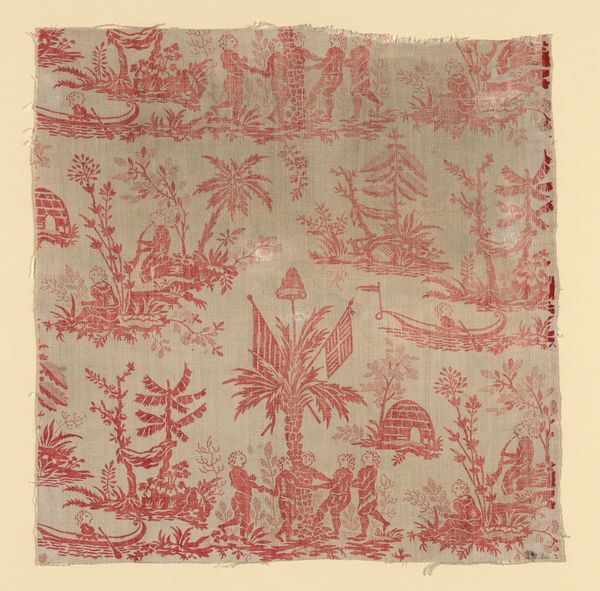
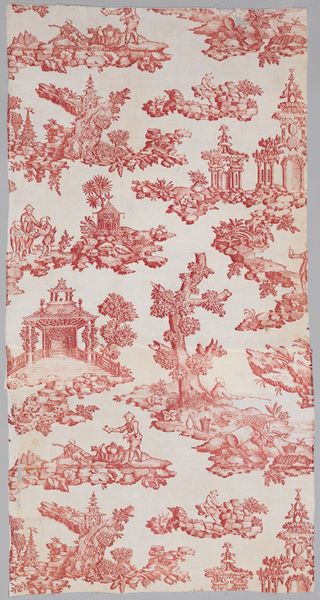
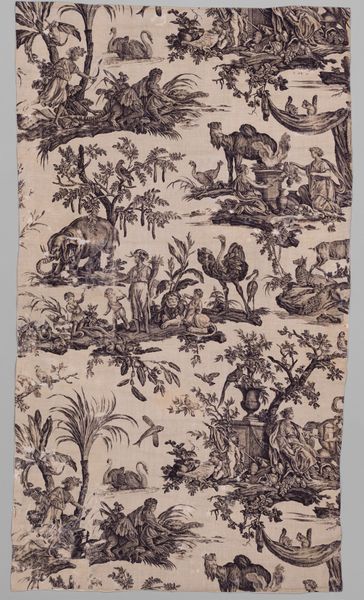
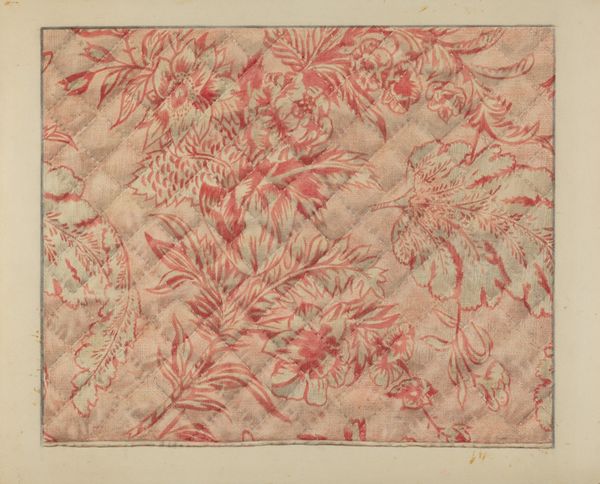
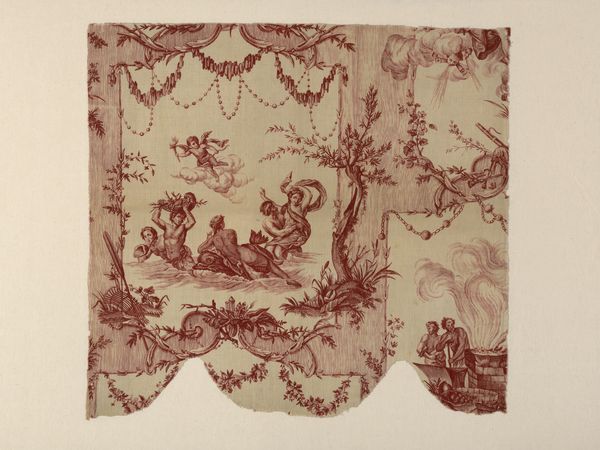
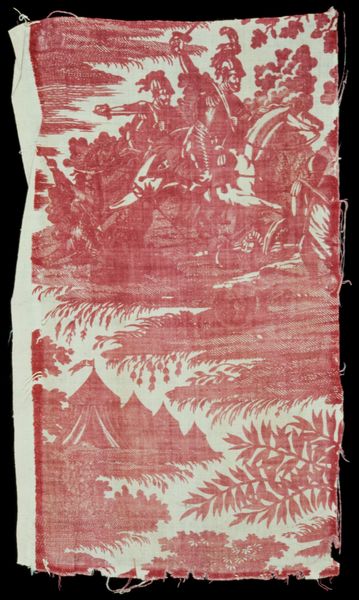
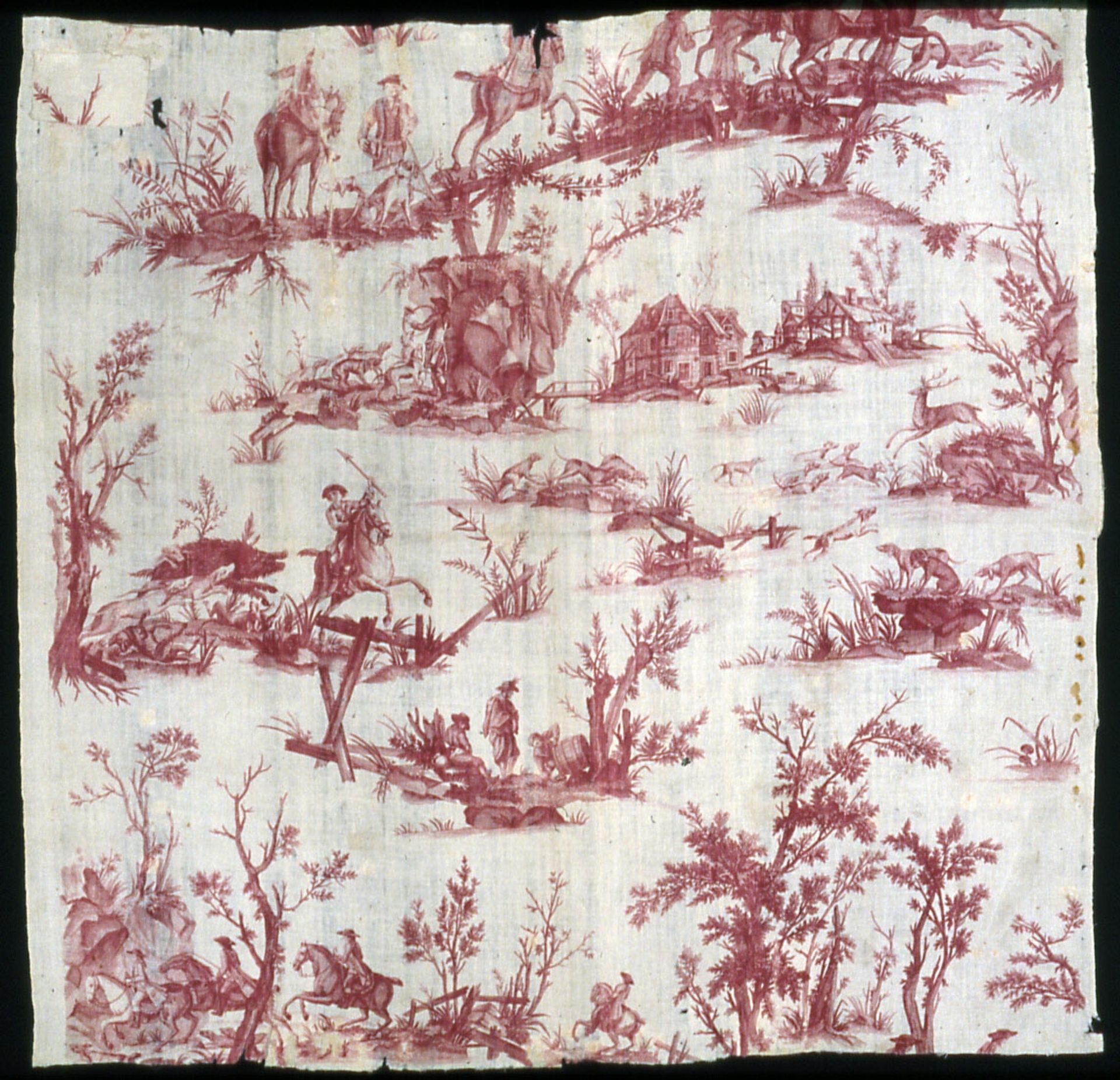
Johann Elias Ridinger created this furnishing fabric, "La Chasse au cerf et au sanglier," sometime in the 18th century. The scene depicts a stag and boar hunt, a popular subject reflecting aristocratic pastimes. Made in France, the fabric provides a window into the social hierarchy and values of the time. Hunting was not merely a sport, but a symbol of power and privilege, reserved for the upper classes. The detailed depiction of the hunt, with its elegant costumes and controlled landscape, reflects the importance of social rituals and the control of nature. Studying objects such as this allows us to explore the visual codes and cultural references that shaped society. By delving into historical documents, fashion archives, and social histories, we can gain insight into the complex relationship between art, power, and the everyday lives of people in the 1700's.
La Chasse au cerf et au sanglier (Furnishing Fabric)
c. 1780


Artwork details
- Dimensions
- 96.8 × 99.4 cm (38 1/8 × 39 1/8 in.)
- Location
- The Art Institute of Chicago
- Copyright
- Public Domain
Comments
Share your thoughts
About this artwork
Johann Elias Ridinger created this furnishing fabric, "La Chasse au cerf et au sanglier," sometime in the 18th century. The scene depicts a stag and boar hunt, a popular subject reflecting aristocratic pastimes. Made in France, the fabric provides a window into the social hierarchy and values of the time. Hunting was not merely a sport, but a symbol of power and privilege, reserved for the upper classes. The detailed depiction of the hunt, with its elegant costumes and controlled landscape, reflects the importance of social rituals and the control of nature. Studying objects such as this allows us to explore the visual codes and cultural references that shaped society. By delving into historical documents, fashion archives, and social histories, we can gain insight into the complex relationship between art, power, and the everyday lives of people in the 1700's.
Comments
Share your thoughts