About this artwork
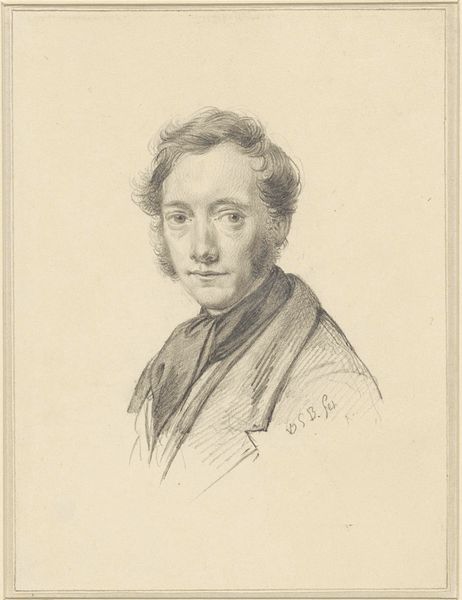
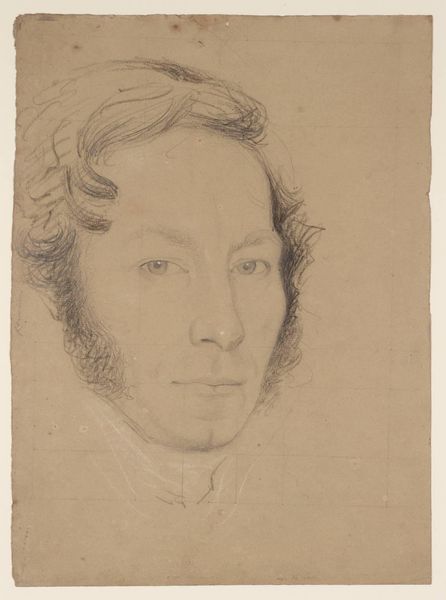
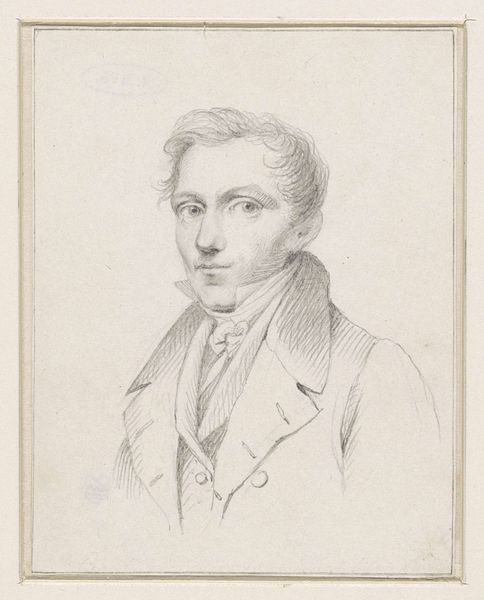
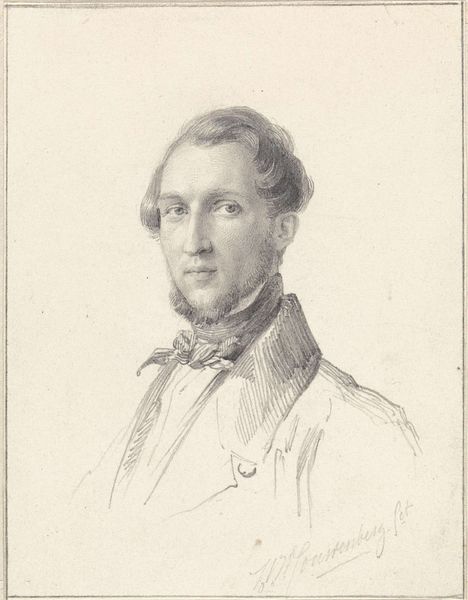
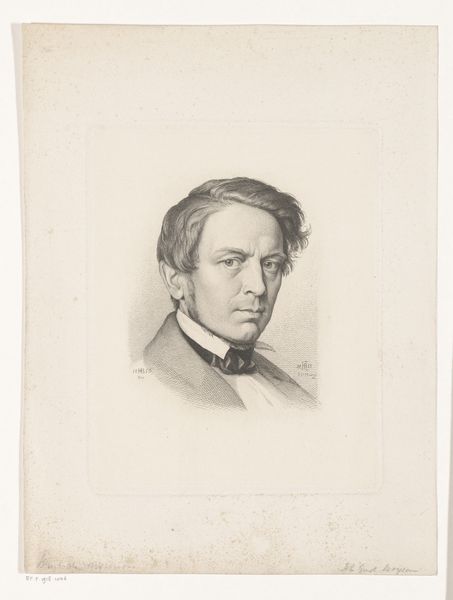
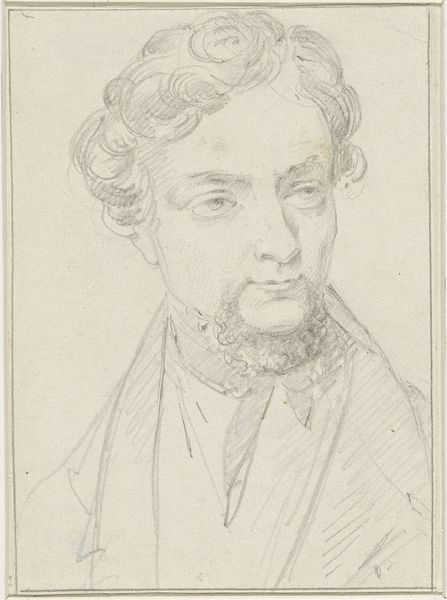
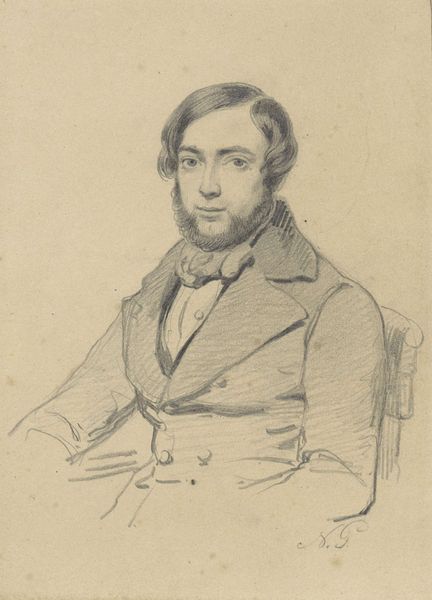
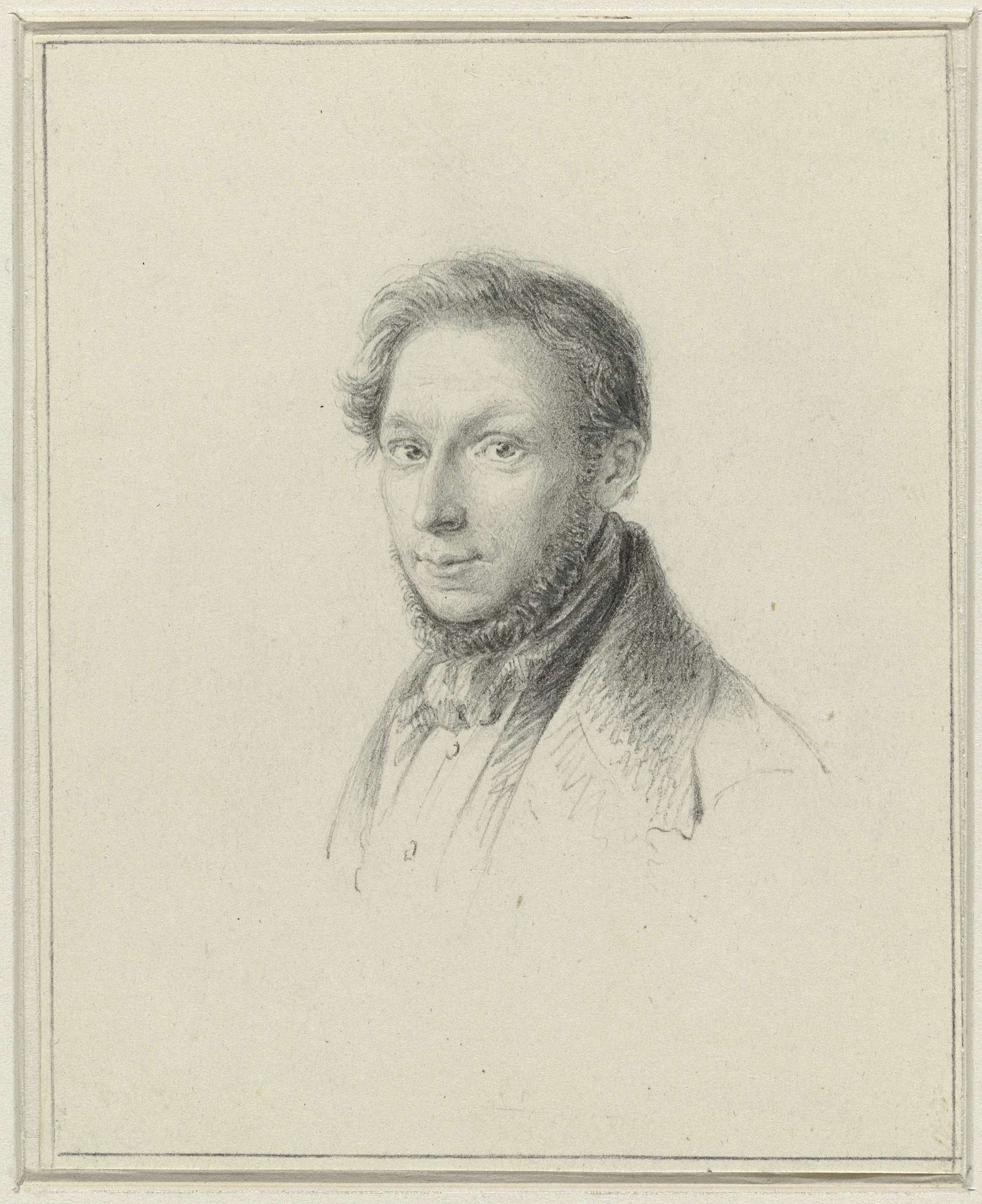
This is a self-portrait by Jan Baptist Tetar van Elven, delicately rendered in graphite on paper. Here, the artist has used a common material, graphite, to explore the complexities of self-representation. Notice how the pencil lines build up to create a sense of volume and texture, especially in the hair and beard. The subtle gradations of tone capture the soft light on his face, giving the portrait a lifelike quality. The process of drawing, with its directness and intimacy, allows for a close connection between the artist and the subject. Each stroke is a deliberate mark, carefully placed to convey the nuances of expression and character. In a society increasingly shaped by industrial production, the handmade quality of this drawing becomes all the more significant, reminding us of the value of individual skill and attention to detail. By emphasizing the importance of materials, making, and context, we can appreciate the full meaning of this artwork, challenging traditional distinctions between fine art and craft.
Zelfportret van Jan Baptist Tetar van Elven
1841

Jan Baptist Tetar van Elven
1805 - 1889Location
RijksmuseumArtwork details
- Medium
- drawing, pencil
- Dimensions
- height 86 mm, width 69 mm
- Location
- Rijksmuseum
- Copyright
- Rijks Museum: Open Domain
Tags
Comments
Share your thoughts
About this artwork
This is a self-portrait by Jan Baptist Tetar van Elven, delicately rendered in graphite on paper. Here, the artist has used a common material, graphite, to explore the complexities of self-representation. Notice how the pencil lines build up to create a sense of volume and texture, especially in the hair and beard. The subtle gradations of tone capture the soft light on his face, giving the portrait a lifelike quality. The process of drawing, with its directness and intimacy, allows for a close connection between the artist and the subject. Each stroke is a deliberate mark, carefully placed to convey the nuances of expression and character. In a society increasingly shaped by industrial production, the handmade quality of this drawing becomes all the more significant, reminding us of the value of individual skill and attention to detail. By emphasizing the importance of materials, making, and context, we can appreciate the full meaning of this artwork, challenging traditional distinctions between fine art and craft.
Comments
Share your thoughts