About this artwork
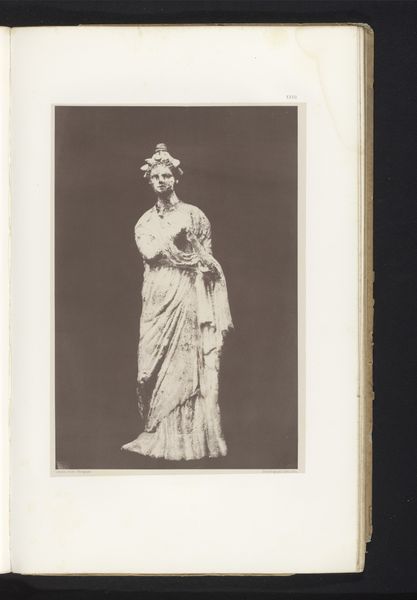
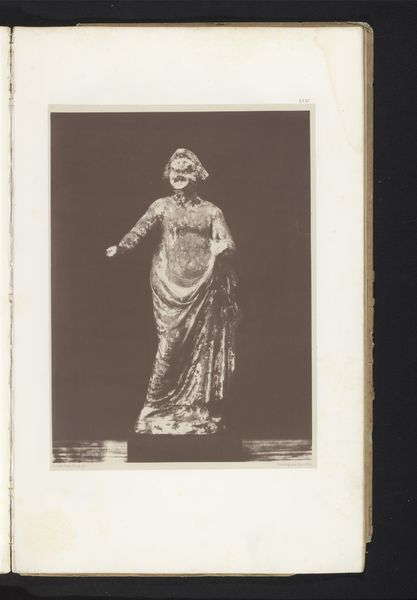
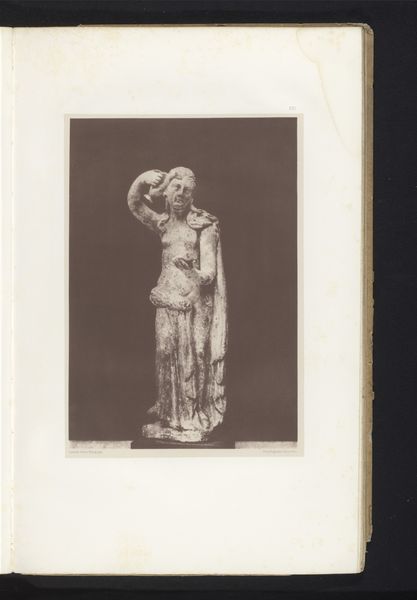
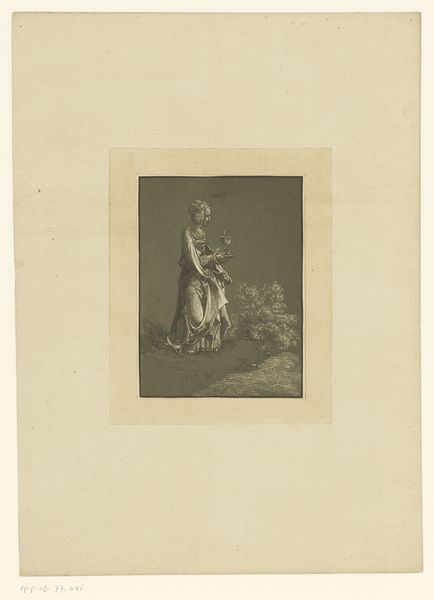
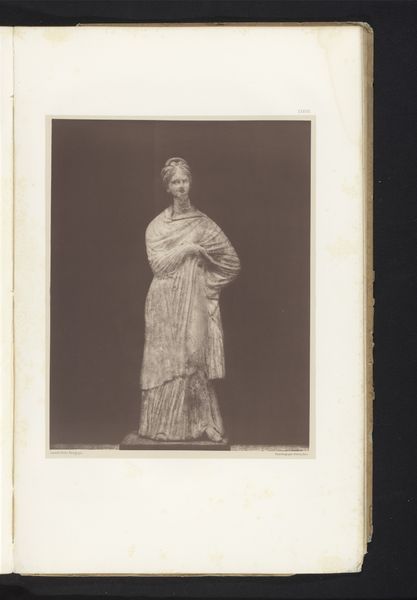
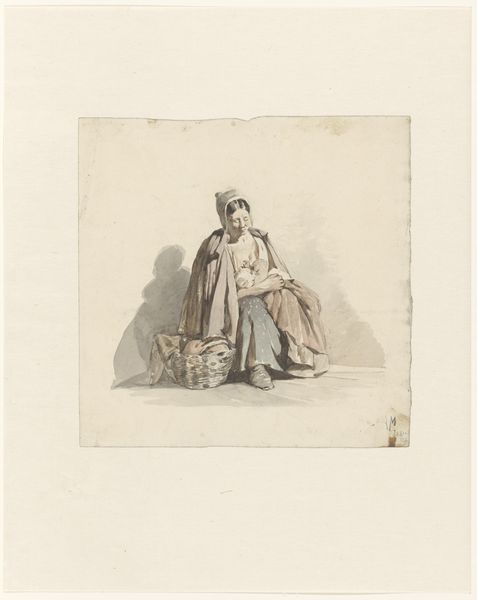
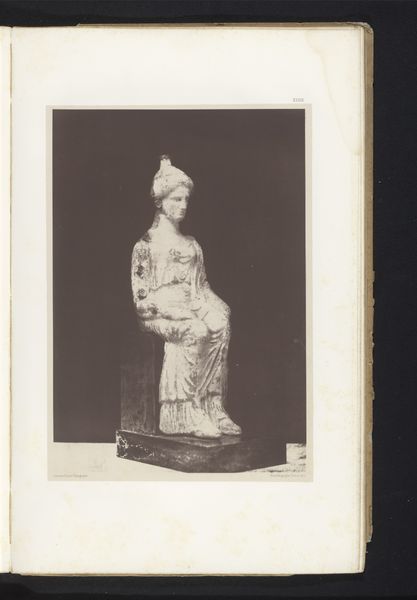
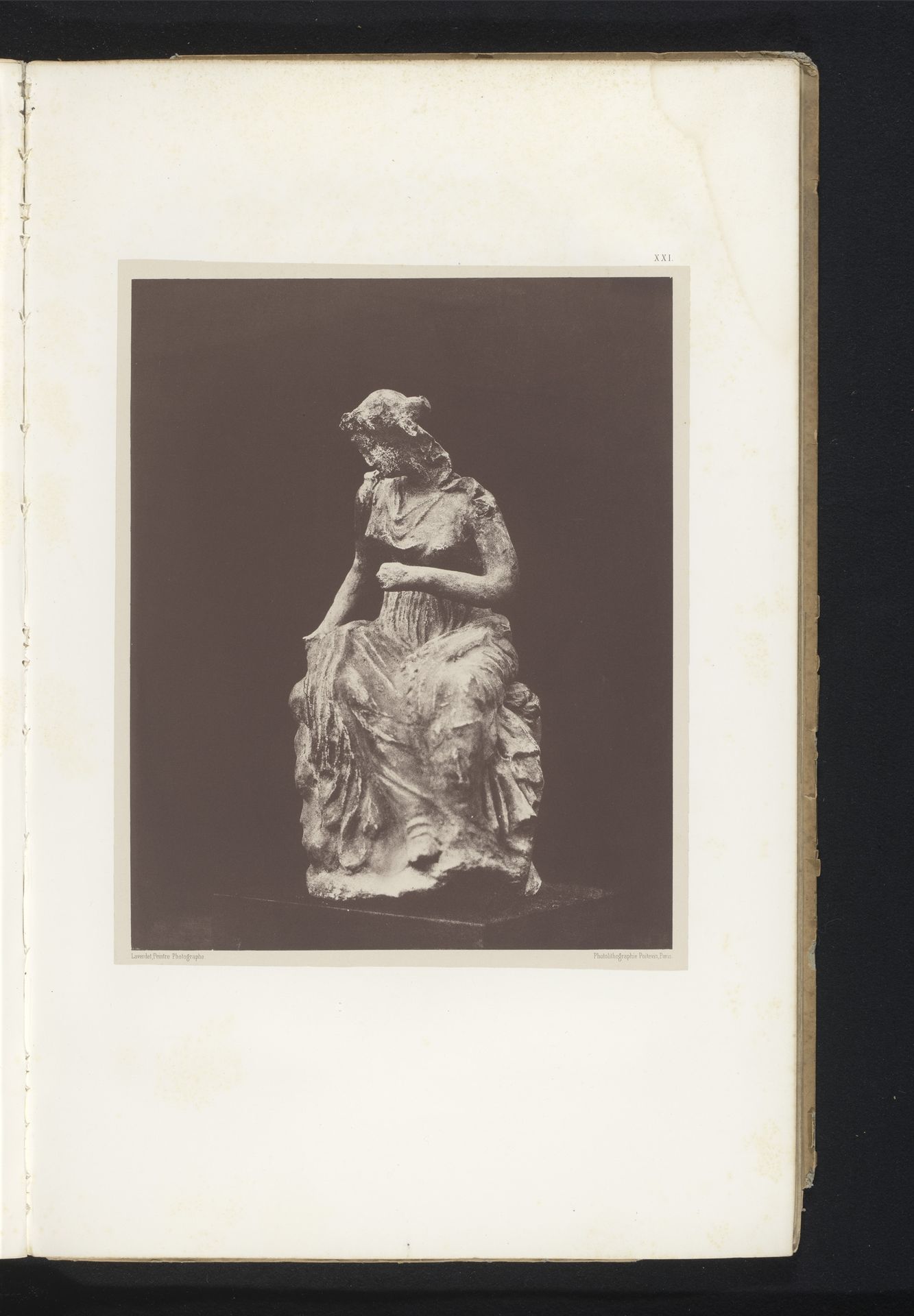
Marcel Gustave Laverdet created this terracotta sculpture of a seated woman; we don't know when. The image presents us with several cultural and institutional histories, even without knowing the date of production. The sculpture recalls classical antiquity, when idealized female forms were often seen as allegories of virtue and beauty. The woman’s dress and hair point us toward a vision of timeless femininity. But we must ask: who gets to define this vision? Was this a private commission, intended for a bourgeois home? Or a public artwork displayed in a Salon? And how might the cultural and political ideas of its time influenced the artist’s approach? Was this sculpture intended as a progressive challenge or a conservative affirmation of existing norms? To answer these questions, we would need to consult exhibition records, critical reviews, and other historical documents. Art history reminds us that meaning is never fixed; it evolves with the changing social and institutional contexts.
Terracotta sculptuur van een zittende vrouw
before 1857

Artwork details
- Medium
- sculpture, terracotta
- Dimensions
- height 307 mm, width 248 mm
- Copyright
- Rijks Museum: Open Domain
Tags
Comments
Share your thoughts
About this artwork
Marcel Gustave Laverdet created this terracotta sculpture of a seated woman; we don't know when. The image presents us with several cultural and institutional histories, even without knowing the date of production. The sculpture recalls classical antiquity, when idealized female forms were often seen as allegories of virtue and beauty. The woman’s dress and hair point us toward a vision of timeless femininity. But we must ask: who gets to define this vision? Was this a private commission, intended for a bourgeois home? Or a public artwork displayed in a Salon? And how might the cultural and political ideas of its time influenced the artist’s approach? Was this sculpture intended as a progressive challenge or a conservative affirmation of existing norms? To answer these questions, we would need to consult exhibition records, critical reviews, and other historical documents. Art history reminds us that meaning is never fixed; it evolves with the changing social and institutional contexts.
Comments
Share your thoughts