About this artwork
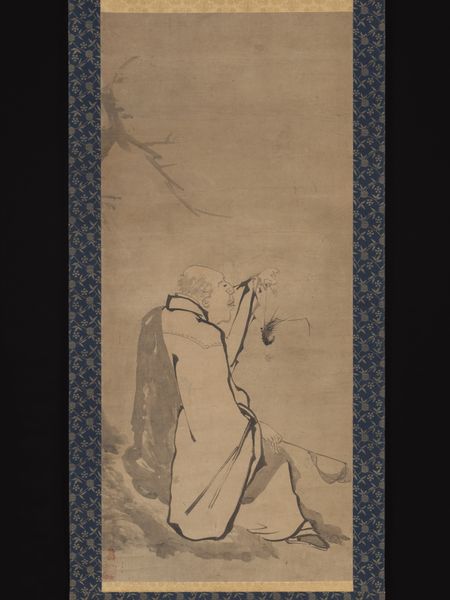
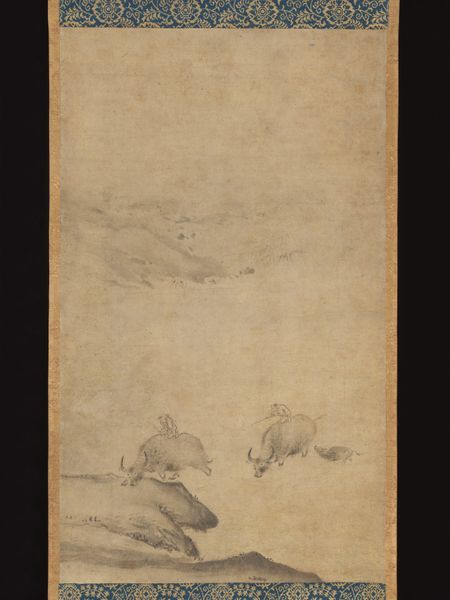
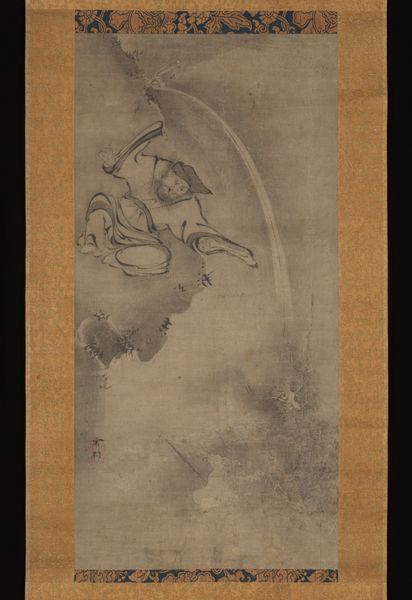
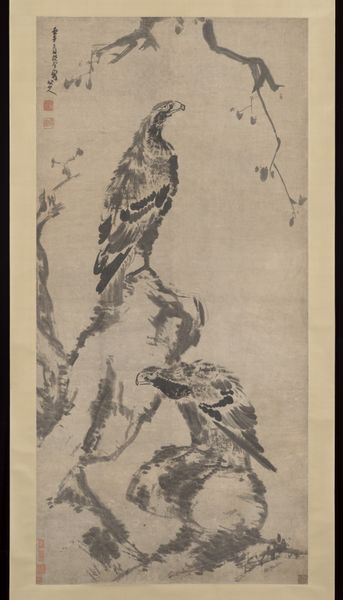
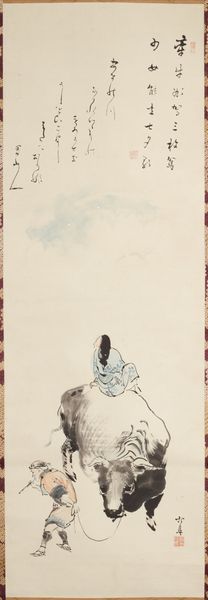
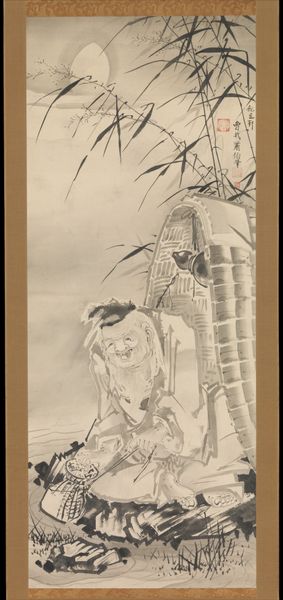
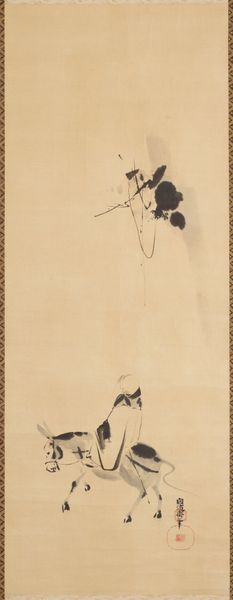
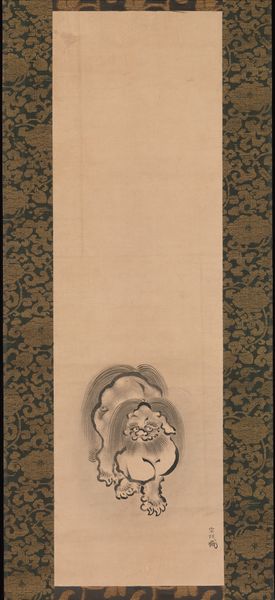
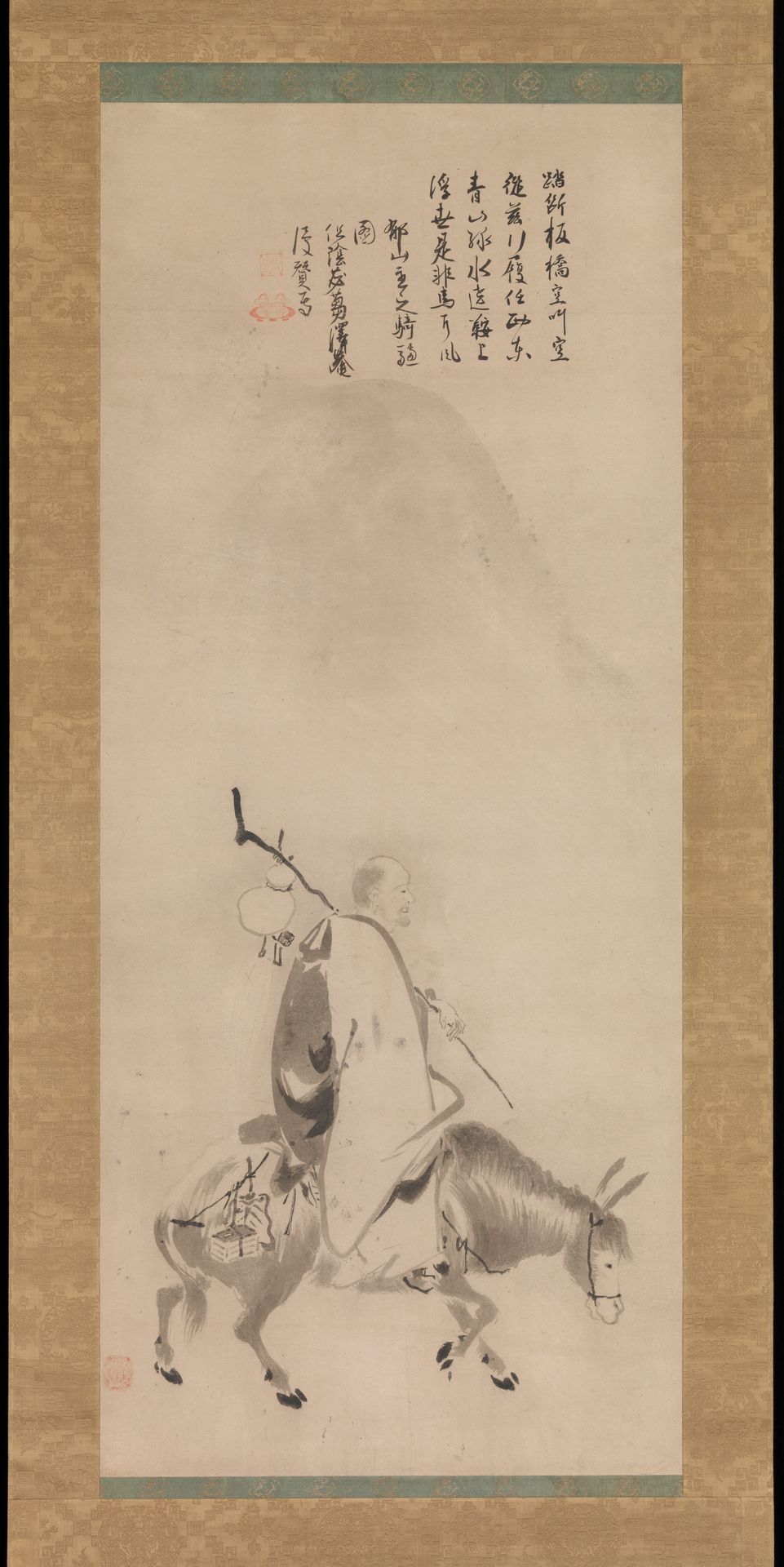
Kano Naizen painted these hanging scrolls, Zheng Huangniu and Yushanzhu, using ink and color on paper. They encapsulate themes within the Kano school that speak to the social and institutional forces at play in early 17th century Japan. The Kano school, patronized by the ruling elite, including the Tokugawa shogunate, developed a style that emphasized Chinese themes, brushwork, and formats. This approach lent the school authority. By appropriating Chinese aesthetics, the Kano painters associated themselves with the established power structures of the Chinese court. Zheng Huangniu and Yushanzhu, reflects the Kano school’s dialogue with Chinese art, referencing historical figures. These scrolls ask us to consider the role of art in negotiating cultural exchange, power dynamics, and institutional legitimization. Scholarly research into the Kano school’s patronage networks, artistic techniques, and engagement with Chinese culture can offer further insights into this work.
Zheng Huangniu and Yushanzhu
1600 - 1633


Artwork details
- Medium
- drawing, ink
- Dimensions
- Image (a): 44 in. × 18 11/16 in. (111.7 × 47.4 cm) Overall with mounting (a): 78 11/16 × 24 5/8 in. (199.8 × 62.6 cm) Overall with knobs (a): 78 11/16 × 26 9/16 in. (199.8 × 67.5 cm) Image (b): 44 1/16 × 18 11/16 in. (111.9 × 47.4 cm) Overall with mounting (b): 78 15/16 × 24 1/2 in. (200.5 × 62.3 cm) Overall with knobs (b): 78 15/16 × 26 9/16 in. (200.5 × 67.4 cm)
- Location
- Metropolitan Museum of Art, New York, NY
- Copyright
- Public Domain
Tags
Comments
Share your thoughts
About this artwork
Kano Naizen painted these hanging scrolls, Zheng Huangniu and Yushanzhu, using ink and color on paper. They encapsulate themes within the Kano school that speak to the social and institutional forces at play in early 17th century Japan. The Kano school, patronized by the ruling elite, including the Tokugawa shogunate, developed a style that emphasized Chinese themes, brushwork, and formats. This approach lent the school authority. By appropriating Chinese aesthetics, the Kano painters associated themselves with the established power structures of the Chinese court. Zheng Huangniu and Yushanzhu, reflects the Kano school’s dialogue with Chinese art, referencing historical figures. These scrolls ask us to consider the role of art in negotiating cultural exchange, power dynamics, and institutional legitimization. Scholarly research into the Kano school’s patronage networks, artistic techniques, and engagement with Chinese culture can offer further insights into this work.
Comments
Share your thoughts