About this artwork
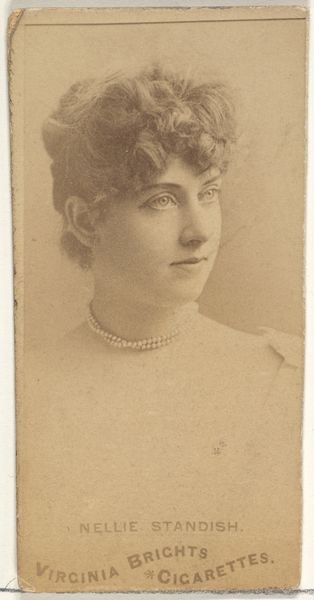
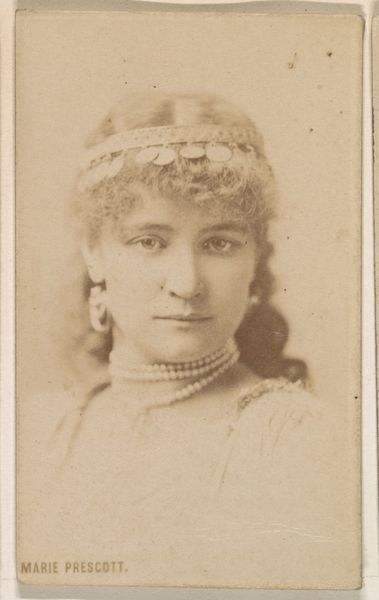
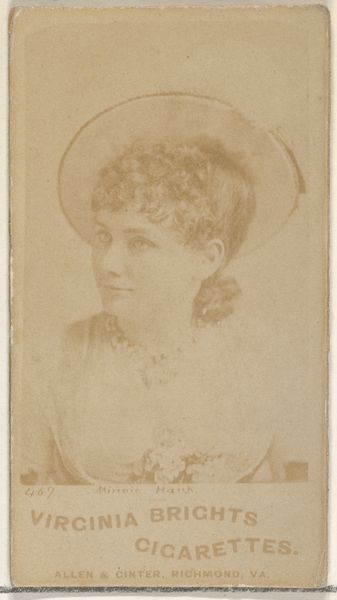
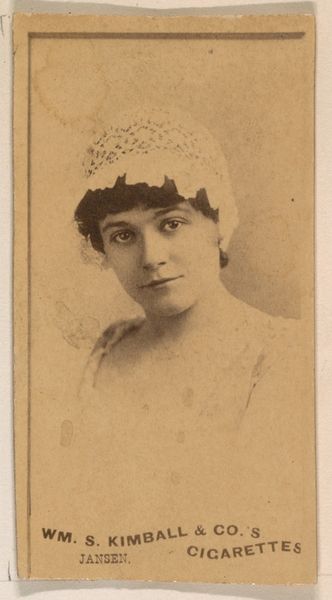
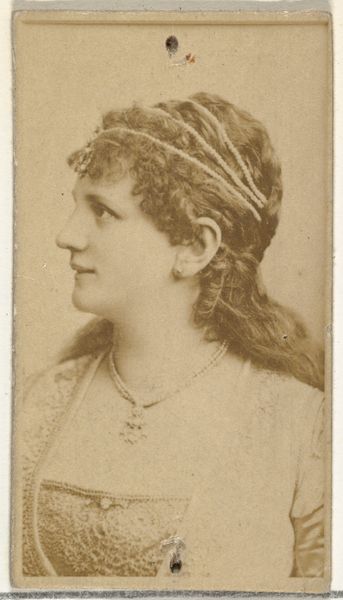
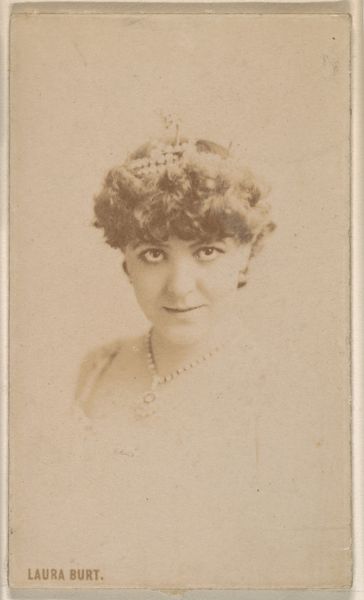
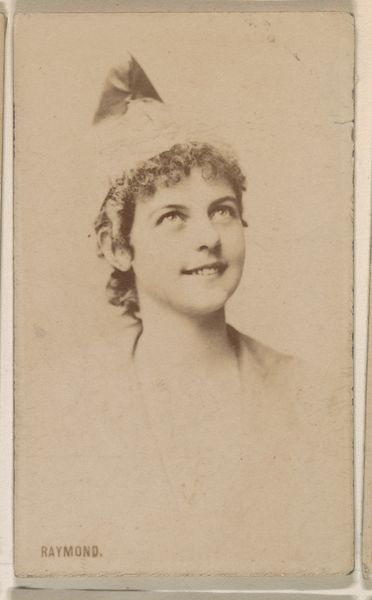
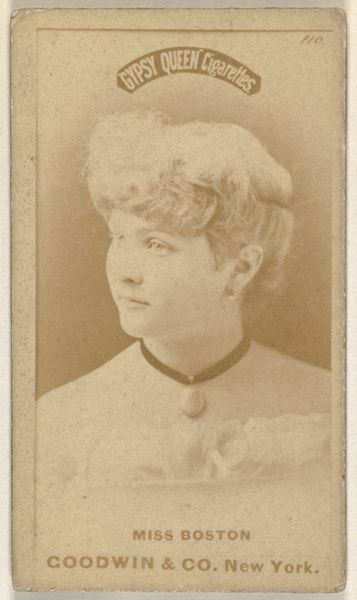
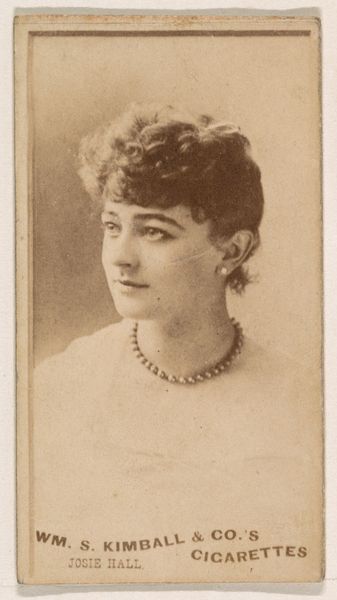
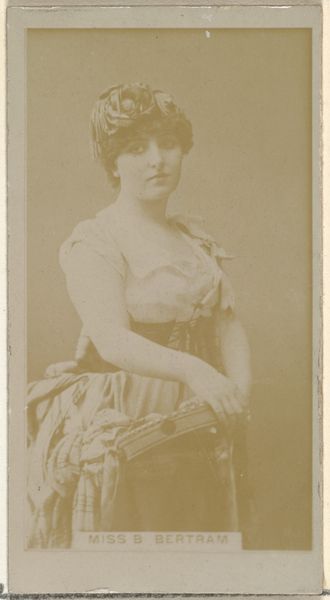
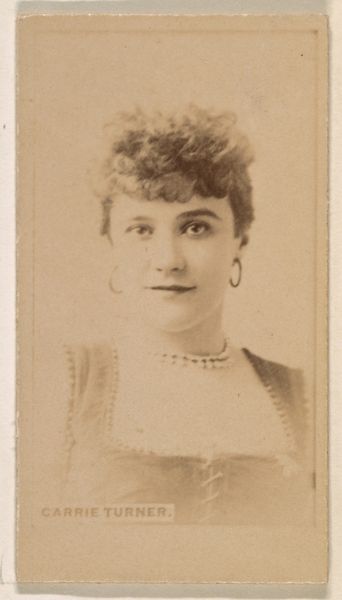
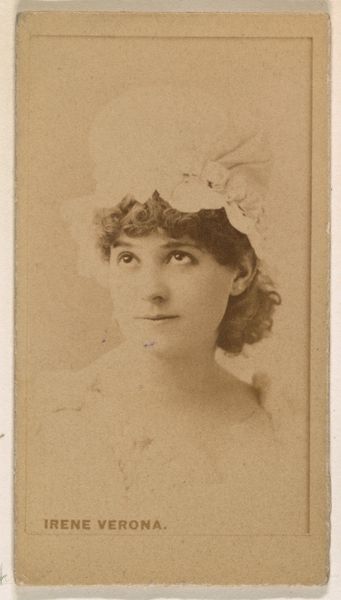
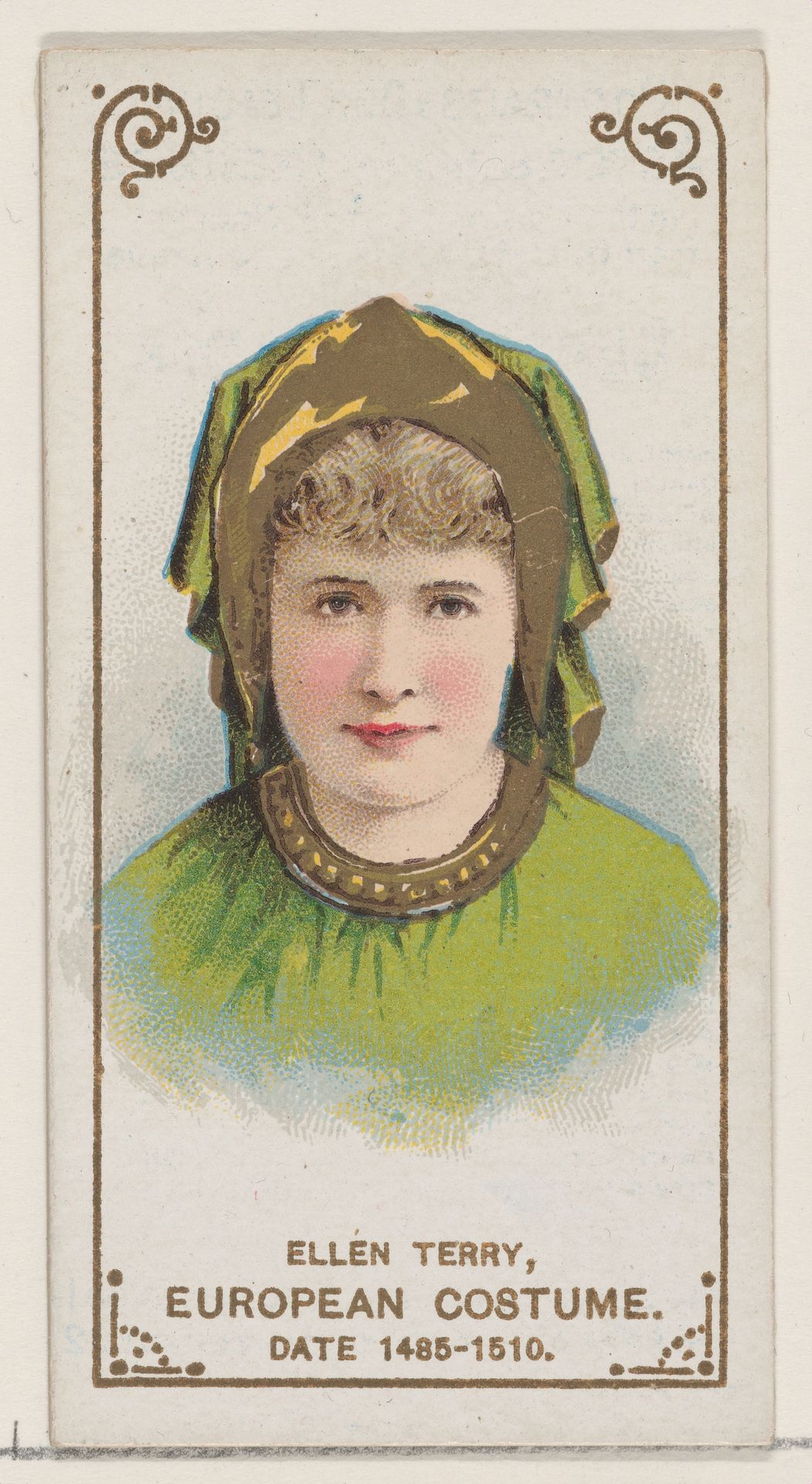
This small card, made by W. Duke and Sons, shows actress Ellen Terry in costume, using chromolithography. This printing technique allowed for mass production of colorful images, layering inks from multiple stones or plates. What makes this seemingly simple image interesting is precisely its mode of production. These cards were not conceived as precious artworks, but rather cheap ephemera included in cigarette packs. The goal was to encourage repeat purchases through collecting, much like baseball cards today. We see the consequences of this in the design. The focus is not on Terry's artistic skill, but instead on the recognizability of her face, and the implied glamour of the theater. This image was made to be consumed quickly, a fleeting pleasure, much like the cigarettes it accompanied. So, next time you light up, consider the hidden artistry in everyday objects, and how they reflect the wider world of labor, politics, and consumption.
Ellen Terry in European Costume from 1485-1510, from the set Actors and Actresses, First Series (N70) for Duke brand cigarettes
1888 - 1889

W. Duke, Sons & Co.
1870 - 1920
The Metropolitan Museum of Art
Metropolitan Museum of Art, New York, NYArtwork details
- Medium
- drawing, coloured-pencil, print
- Dimensions
- Sheet: 2 3/4 x 1 1/2 in. (7 x 3.8 cm)
- Location
- Metropolitan Museum of Art, New York, NY
- Copyright
- Public Domain
Tags
Comments
Share your thoughts
About this artwork
This small card, made by W. Duke and Sons, shows actress Ellen Terry in costume, using chromolithography. This printing technique allowed for mass production of colorful images, layering inks from multiple stones or plates. What makes this seemingly simple image interesting is precisely its mode of production. These cards were not conceived as precious artworks, but rather cheap ephemera included in cigarette packs. The goal was to encourage repeat purchases through collecting, much like baseball cards today. We see the consequences of this in the design. The focus is not on Terry's artistic skill, but instead on the recognizability of her face, and the implied glamour of the theater. This image was made to be consumed quickly, a fleeting pleasure, much like the cigarettes it accompanied. So, next time you light up, consider the hidden artistry in everyday objects, and how they reflect the wider world of labor, politics, and consumption.
Comments
Share your thoughts