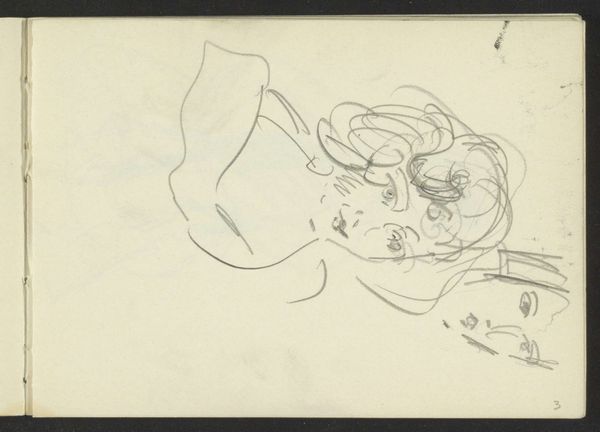
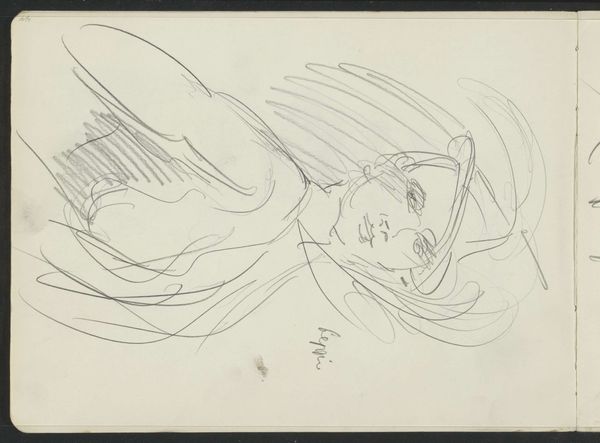
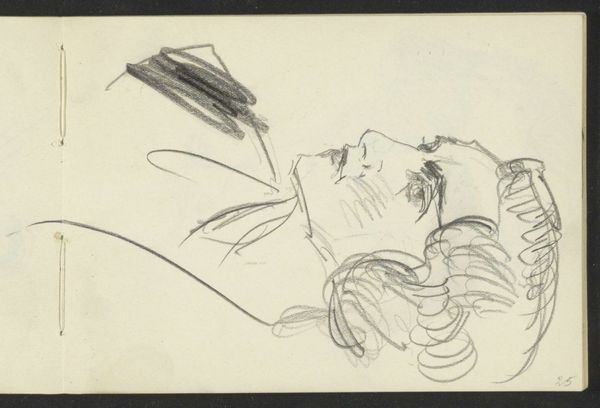
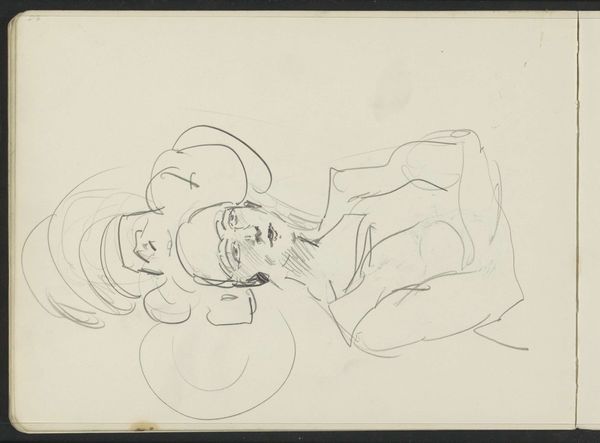
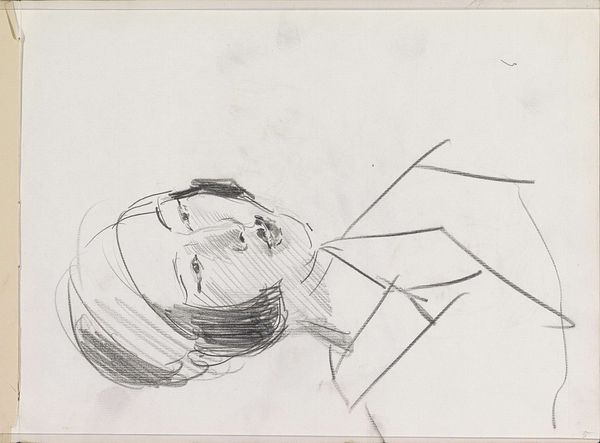
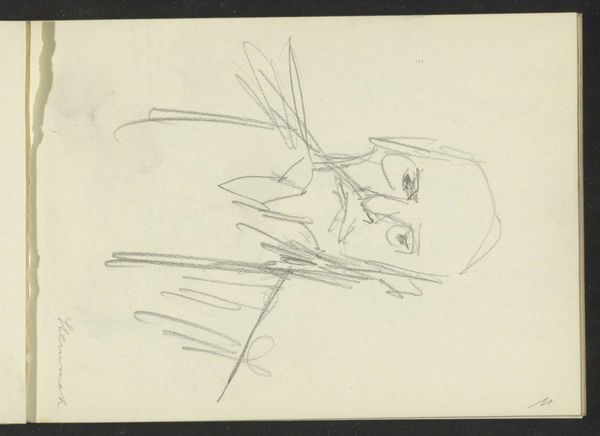
drawing, pencil
#
portrait
#
drawing
#
ink drawing
#
pen illustration
#
pen sketch
#
figuration
#
personal sketchbook
#
linework heavy
#
ink drawing experimentation
#
pen-ink sketch
#
pencil
#
thin linework
#
sketchbook drawing
#
sketchbook art
#
modernism
Copyright: Rijks Museum: Open Domain
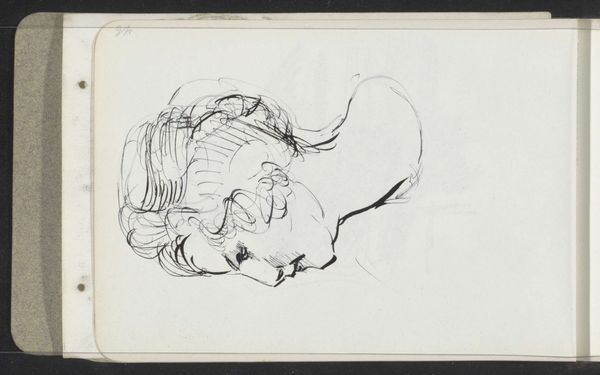
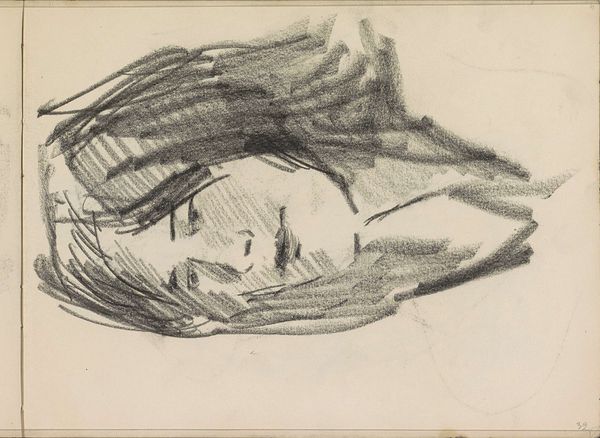
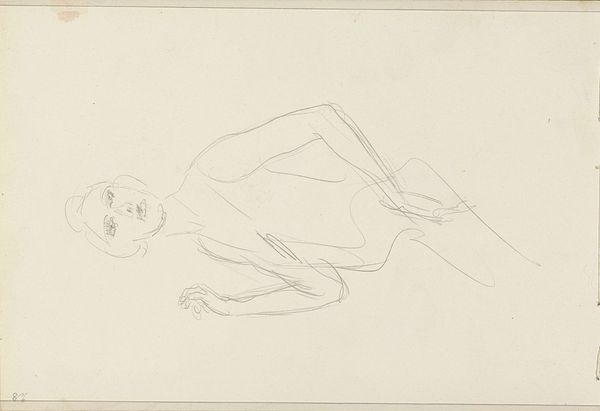
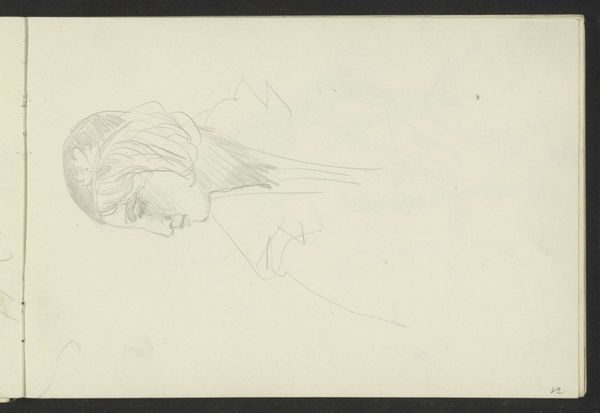
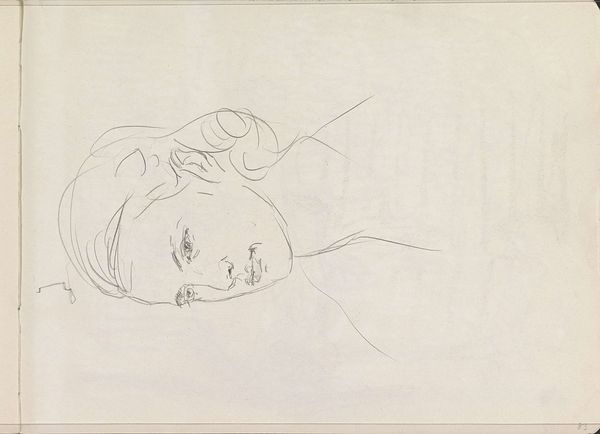
Editor: This is Isaac Israels' "Portrait of an Unknown Woman," probably made sometime between 1915 and 1925. It looks like it's done in pencil or ink, maybe even both? It feels like a quick sketch, almost intimate. What strikes you when you look at this drawing? Curator: The immediacy of the marks really highlights the labor involved. This wasn't striving for academic perfection; it was about capturing something quickly. We need to consider the cost of the materials – paper, pencil, ink – and the artist's time, compared to say, a photographic portrait of the same era. What was he trying to capture that a photo couldn’t? Editor: That’s a good question. Maybe the essence of the sitter, beyond just her likeness? Do you think the choice of such accessible materials reflects something about his social commentary, too? Curator: Absolutely. Think about the explosion of readily available paper and pencils coinciding with increasing literacy and access to art-making for a wider population. This portrait, made with everyday materials, challenges traditional hierarchies, doesn’t it? Instead of the rarefied world of oil paint, Israels offers something that feels democratic, available. Is this a product or an idea? Editor: It does. I hadn't thought about it like that before. It’s interesting how the roughness contributes to that feeling. Curator: And consider the sketchbook itself – a portable site of production. Where might this have been made? A cafe? A studio visit? The location informs the object, and speaks volumes about the art’s consumption. The woman could have been someone passing by for her to be portrayed using that support of labor and thought. Editor: That's so insightful! I will now definitely approach sketches in museums with a different lens! Thank you. Curator: My pleasure. It's crucial to see art not just as image, but as evidence of work and thought embedded in its materials.
Comments
No comments
Be the first to comment and join the conversation on the ultimate creative platform.
 Collect
 React
React Comment
More like this