About this artwork
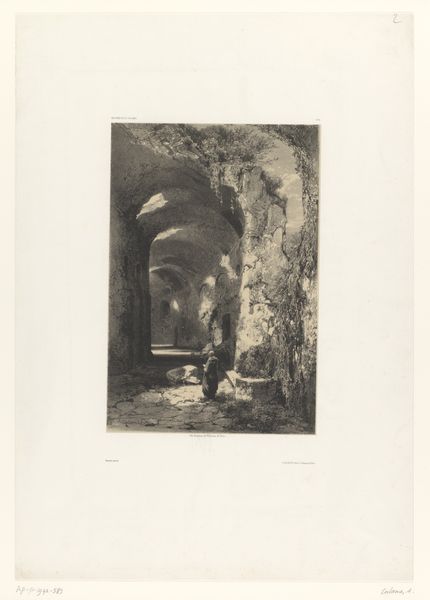
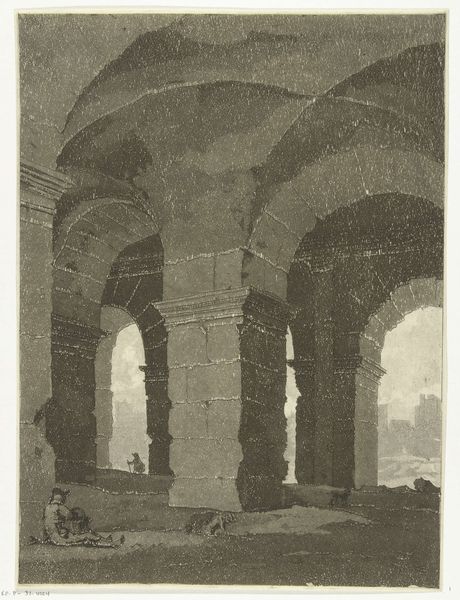
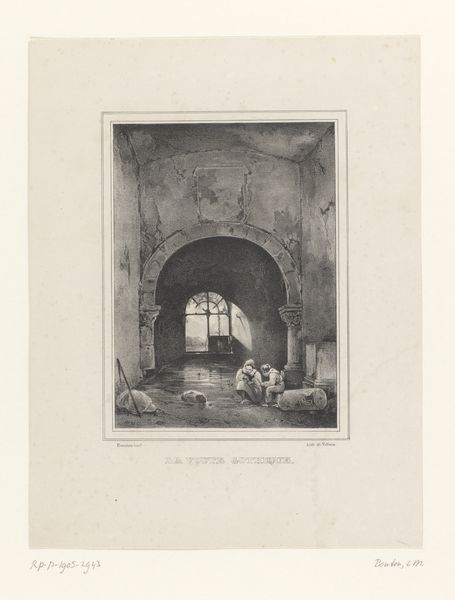
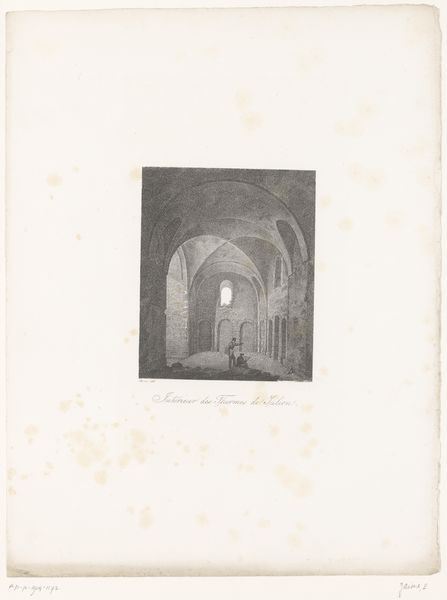
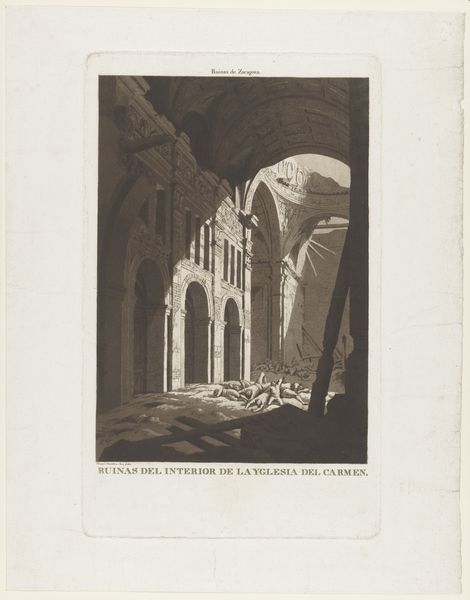
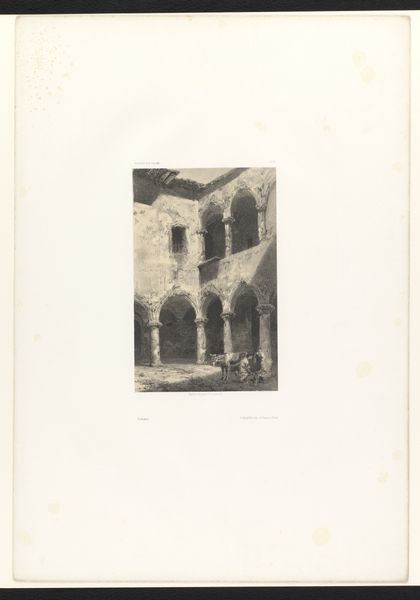
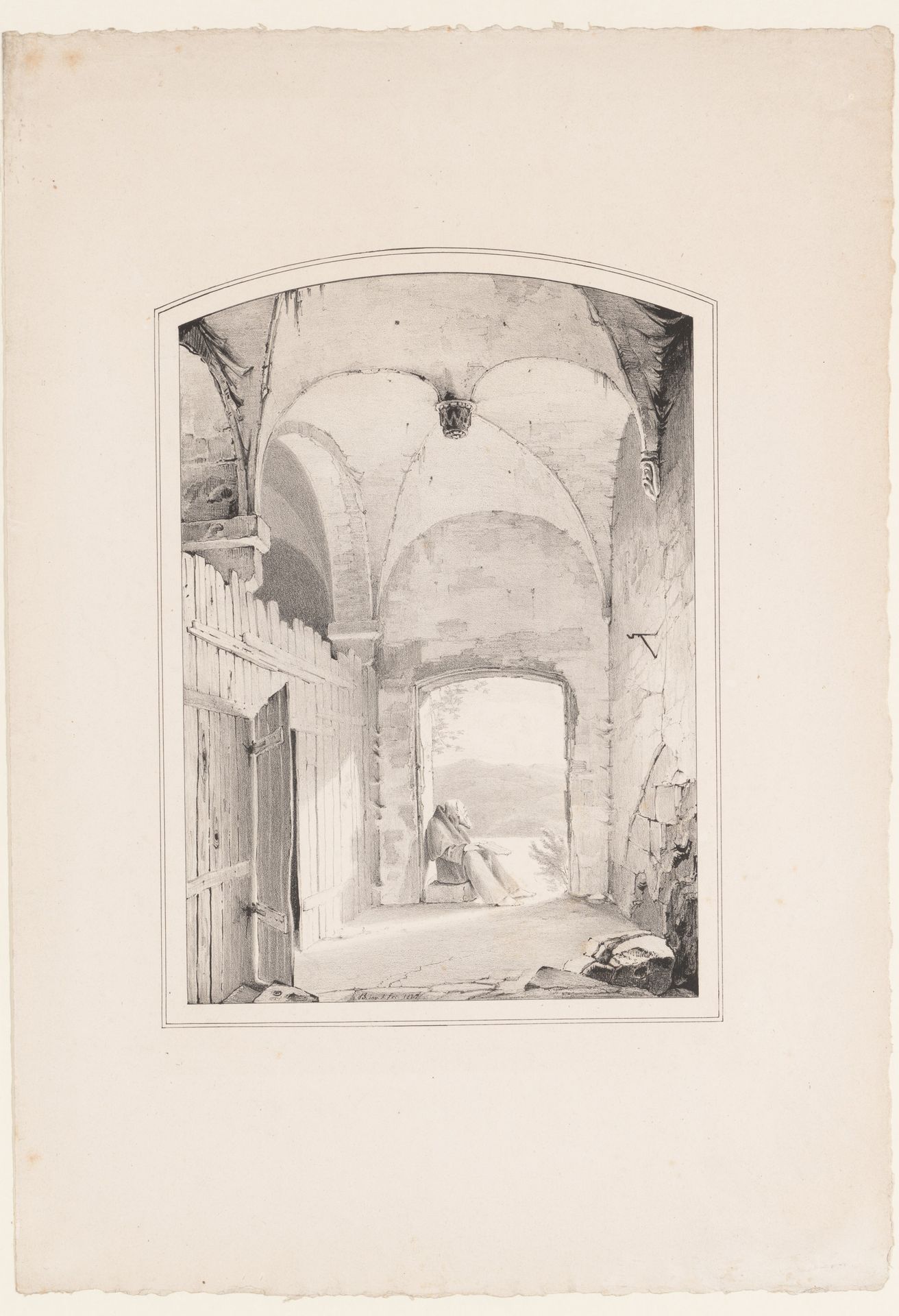
Karl Blechen rendered "Pilgrim at the Gate" with ink and graphite wash on paper, inviting us into a study of light, space, and architectural form. The drawing's muted tones create a contemplative atmosphere, drawing the eye along the vaulted corridor to the solitary figure at its terminus. Blechen masterfully uses the architectural setting to explore themes of Romanticism. The arches and receding lines establish a structural framework. The lone pilgrim, positioned at the gate, becomes a focal point, framed by the geometry of the architecture, inviting viewers to contemplate the themes of solitude and spiritual searching. Notice how the light filters through the gate, illuminating the pilgrim and the exterior landscape. This juxtaposition of interior and exterior spaces, combined with the figure's introspective posture, suggests a deeper meditation on human existence. The artwork captures the Romantic movement’s preoccupation with individual experience.
Pilgrim at the Gate (Einsiedler an der Pforte) 1827


Artwork details
- Medium
- drawing, print
- Dimensions
- Image: 11 3/16 x 7 7/8 in. (28.4 x 20 cm) Sheet: 19 5/16 × 13 7/16 in. (49 × 34.2 cm)
- Location
- Metropolitan Museum of Art, New York, NY
- Copyright
- Public Domain
Tags
drawing
landscape
romanticism
Comments
No comments
About this artwork
Karl Blechen rendered "Pilgrim at the Gate" with ink and graphite wash on paper, inviting us into a study of light, space, and architectural form. The drawing's muted tones create a contemplative atmosphere, drawing the eye along the vaulted corridor to the solitary figure at its terminus. Blechen masterfully uses the architectural setting to explore themes of Romanticism. The arches and receding lines establish a structural framework. The lone pilgrim, positioned at the gate, becomes a focal point, framed by the geometry of the architecture, inviting viewers to contemplate the themes of solitude and spiritual searching. Notice how the light filters through the gate, illuminating the pilgrim and the exterior landscape. This juxtaposition of interior and exterior spaces, combined with the figure's introspective posture, suggests a deeper meditation on human existence. The artwork captures the Romantic movement’s preoccupation with individual experience.
Comments
No comments