About this artwork
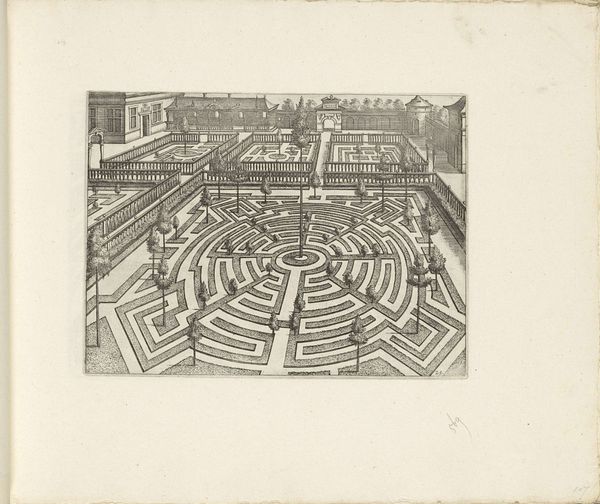
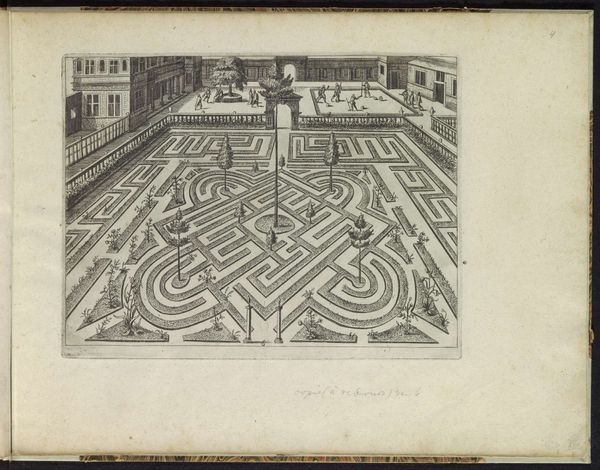
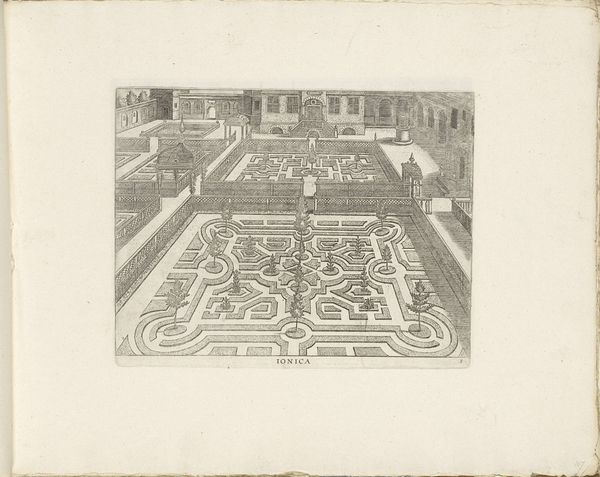
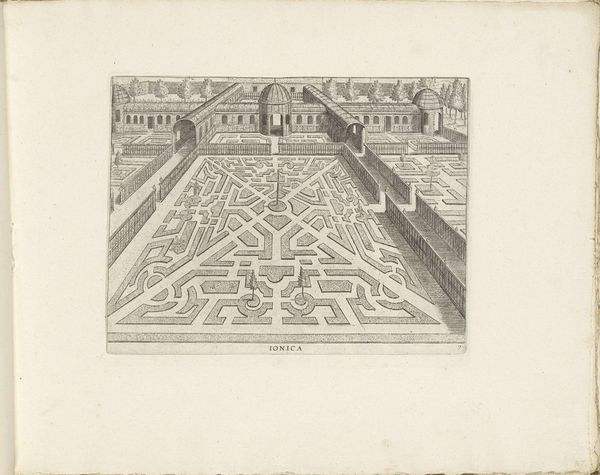
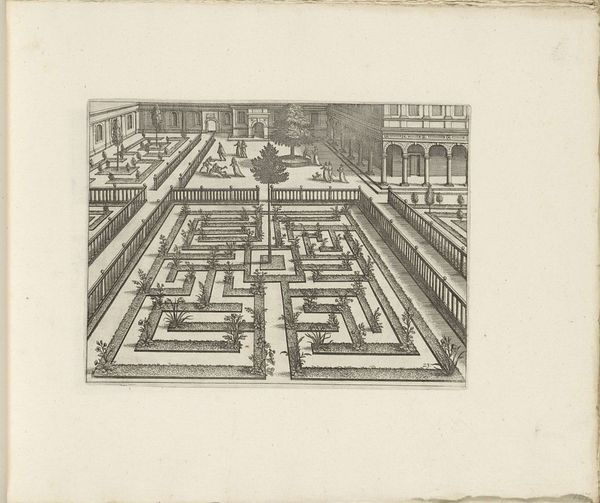
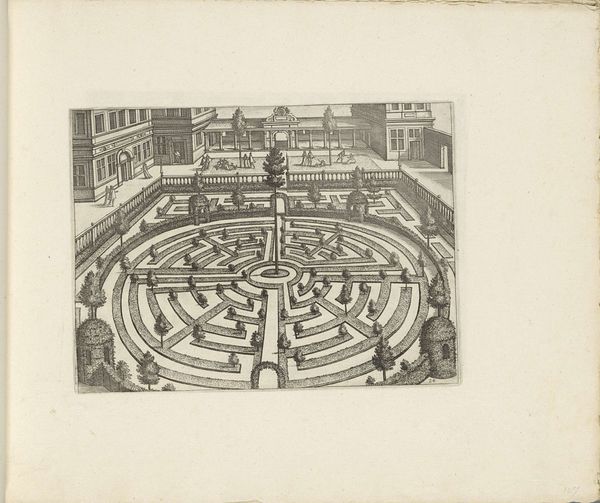
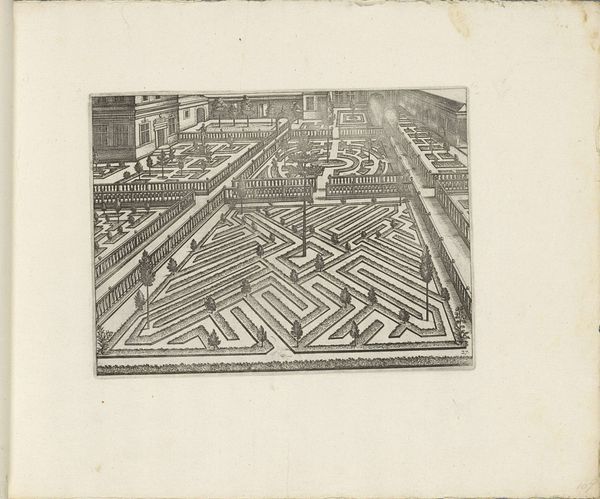
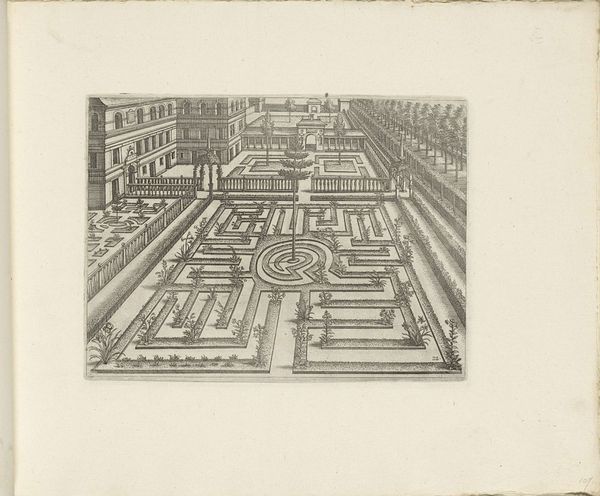
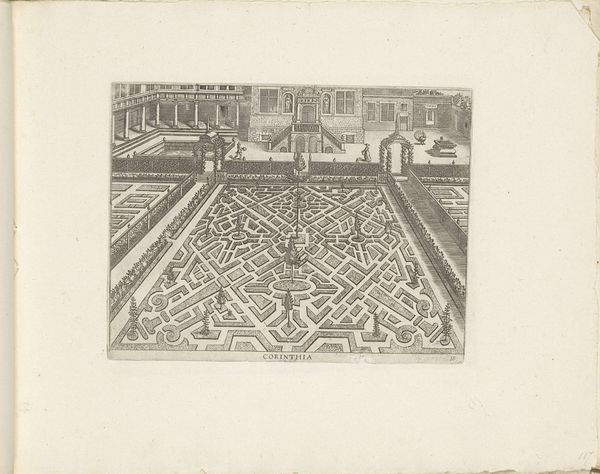
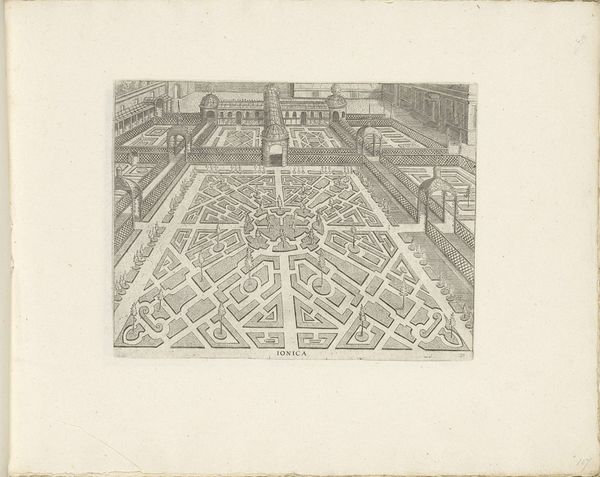
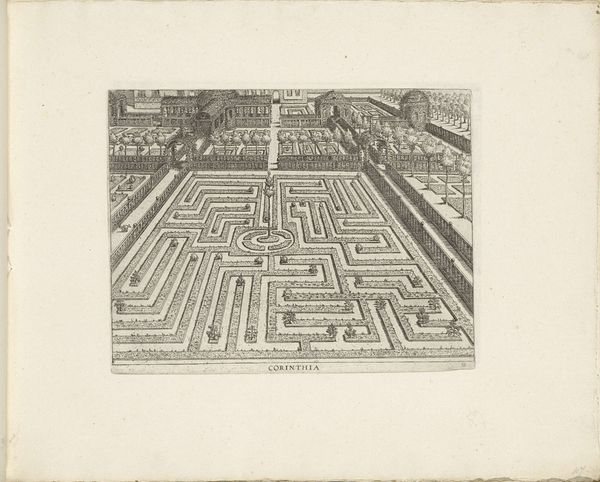
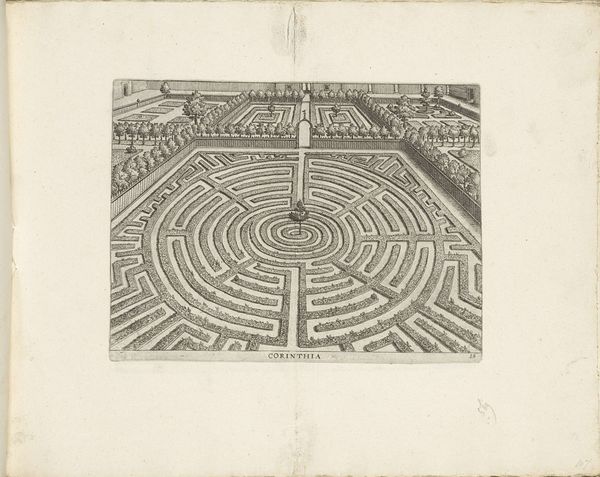
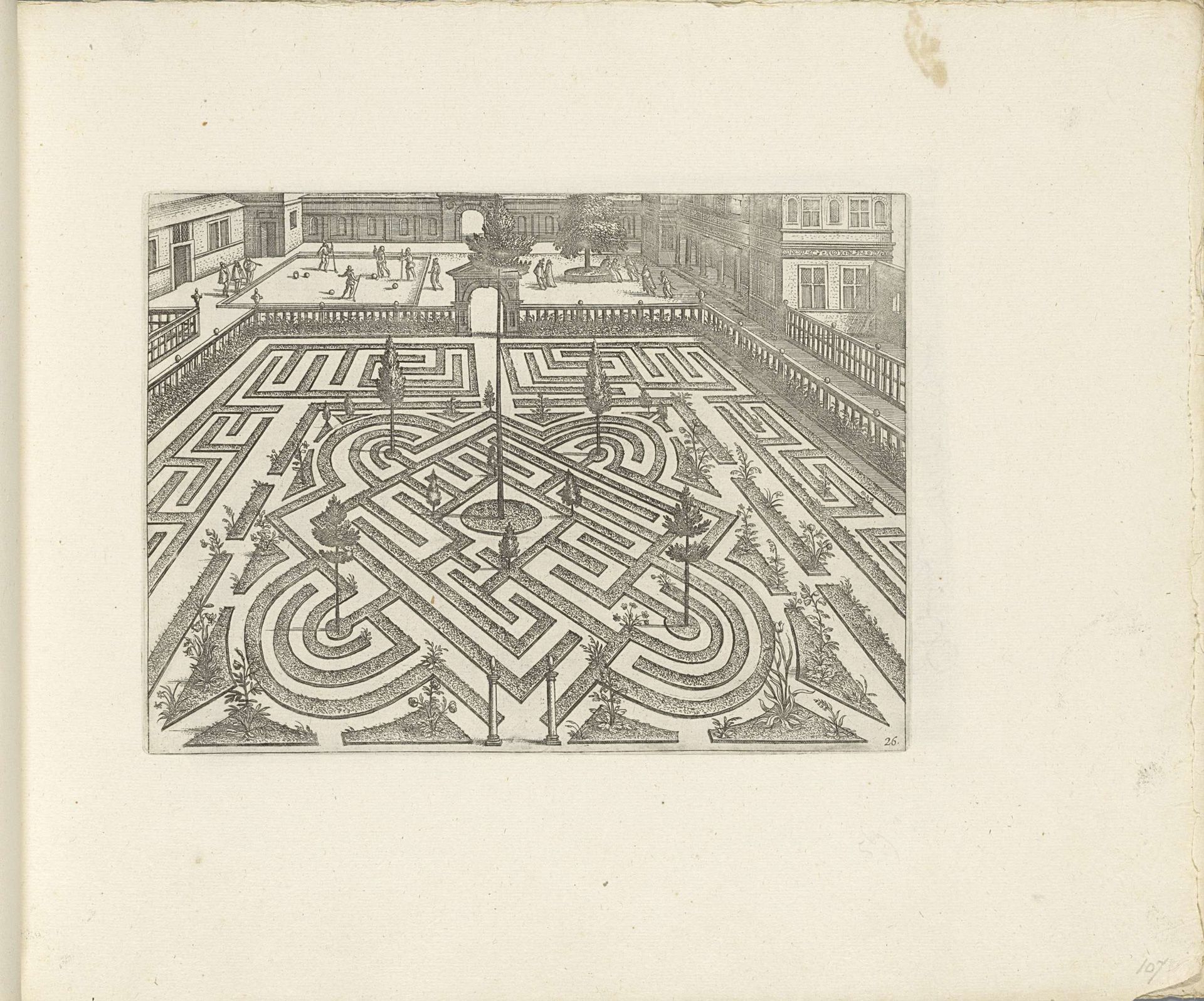
This anonymous print in the Rijksmuseum presents a garden with a parterre and labyrinth, rendered in ink. The intricate design is immediately striking, its tight composition and rhythmic use of line creating a visual puzzle. The composition is bisected, with the elaborate maze in the foreground and social activity in the background. The structure of the labyrinth is not merely decorative, but symbolic. It represents a space where clarity and certainty break down into a network of paths, a structure that mirrors how meanings become complex and can lead in multiple directions. The artist also appears to destabilize fixed ideas about space and perspective. This print reminds us that art isn’t about providing fixed answers. It’s about creating spaces where we can continuously question and explore, both within the artwork and in our broader understanding of culture.
Tuin met parterre met labyrint en op de achtergrond een poort
c. 1587 - 1640

Anonymous
@anonymousLocation
RijksmuseumArtwork details
- Medium
- print, engraving
- Dimensions
- height 183 mm, width 249 mm
- Location
- Rijksmuseum
- Copyright
- Rijks Museum: Open Domain
Tags
Comments
Share your thoughts
About this artwork
This anonymous print in the Rijksmuseum presents a garden with a parterre and labyrinth, rendered in ink. The intricate design is immediately striking, its tight composition and rhythmic use of line creating a visual puzzle. The composition is bisected, with the elaborate maze in the foreground and social activity in the background. The structure of the labyrinth is not merely decorative, but symbolic. It represents a space where clarity and certainty break down into a network of paths, a structure that mirrors how meanings become complex and can lead in multiple directions. The artist also appears to destabilize fixed ideas about space and perspective. This print reminds us that art isn’t about providing fixed answers. It’s about creating spaces where we can continuously question and explore, both within the artwork and in our broader understanding of culture.
Comments
Share your thoughts