About this artwork
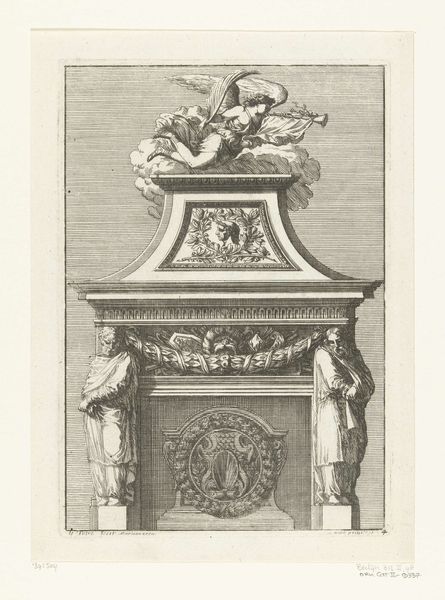
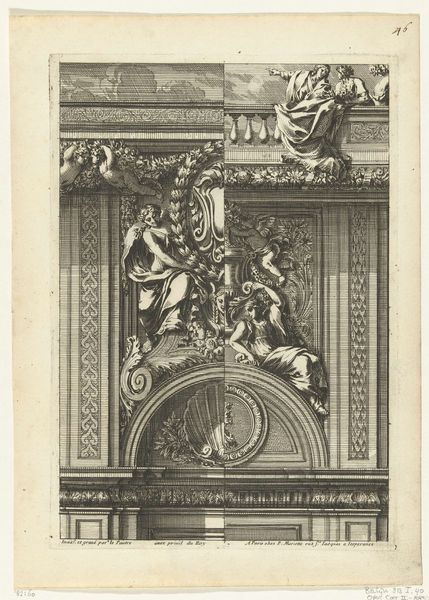
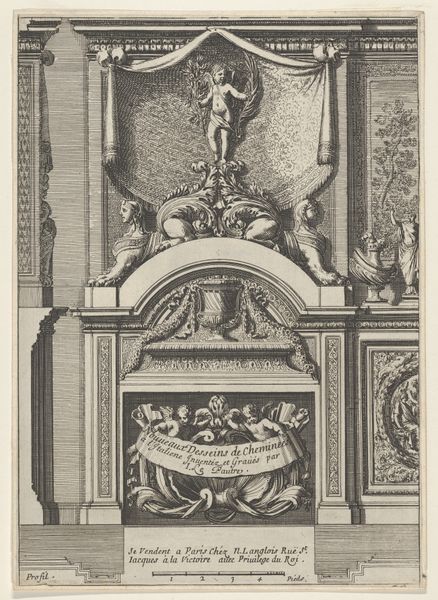
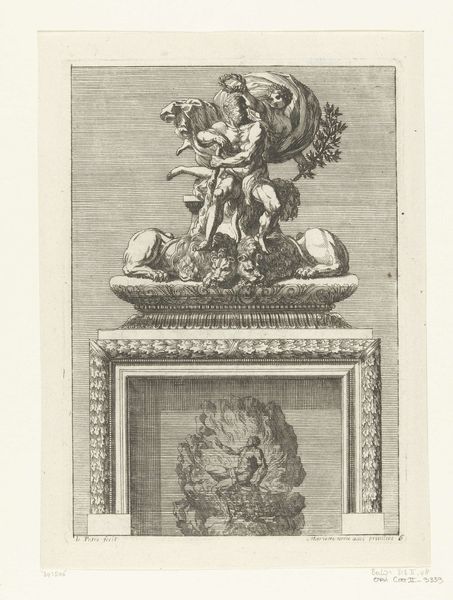
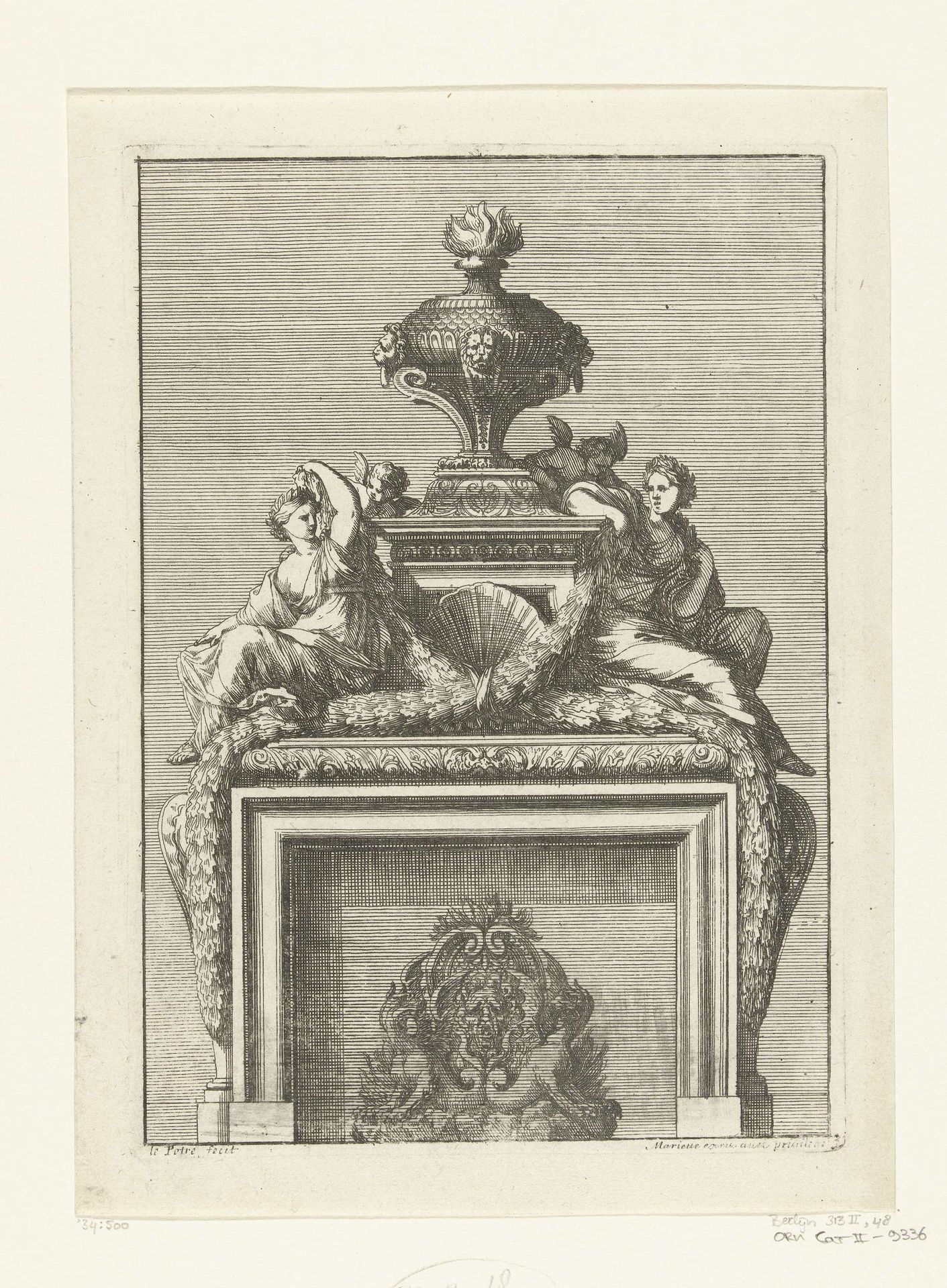
This print, made by Jean Lepautre, showcases the design for a fireplace mantel. The figures on either side are reminiscent of classical goddesses, evoking a sense of timeless beauty. Note the prominent seashell motif, a symbol with deep roots in mythology and religion. In antiquity, the shell was associated with Venus, the goddess of love and beauty, often depicted emerging from a shell. This association carries forward into Renaissance art, seen in Botticelli's famous painting, "The Birth of Venus." Yet, the seashell's significance extends beyond classical mythology. In Christian iconography, it is the emblem of Saint James the Great, symbolizing pilgrimage and spiritual rebirth. Here, its placement suggests more than mere decoration. It taps into a primal, collective memory, resonating with themes of beauty, divinity, and transformation. This intertwining of classical and religious motifs speaks to the complex cultural currents of Lepautre's time, engaging viewers on a subconscious level.

Artwork details
- Medium
- drawing, engraving, architecture
- Dimensions
- height 214 mm, width 151 mm
- Location
- Rijksmuseum
- Copyright
- Rijks Museum: Open Domain
Tags
Comments
Share your thoughts
About this artwork
This print, made by Jean Lepautre, showcases the design for a fireplace mantel. The figures on either side are reminiscent of classical goddesses, evoking a sense of timeless beauty. Note the prominent seashell motif, a symbol with deep roots in mythology and religion. In antiquity, the shell was associated with Venus, the goddess of love and beauty, often depicted emerging from a shell. This association carries forward into Renaissance art, seen in Botticelli's famous painting, "The Birth of Venus." Yet, the seashell's significance extends beyond classical mythology. In Christian iconography, it is the emblem of Saint James the Great, symbolizing pilgrimage and spiritual rebirth. Here, its placement suggests more than mere decoration. It taps into a primal, collective memory, resonating with themes of beauty, divinity, and transformation. This intertwining of classical and religious motifs speaks to the complex cultural currents of Lepautre's time, engaging viewers on a subconscious level.
Comments
Share your thoughts