About this artwork
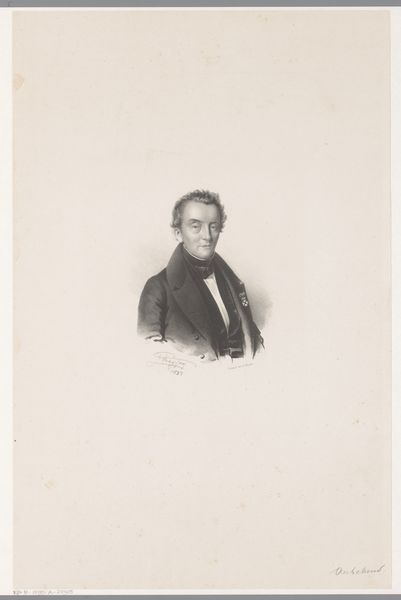
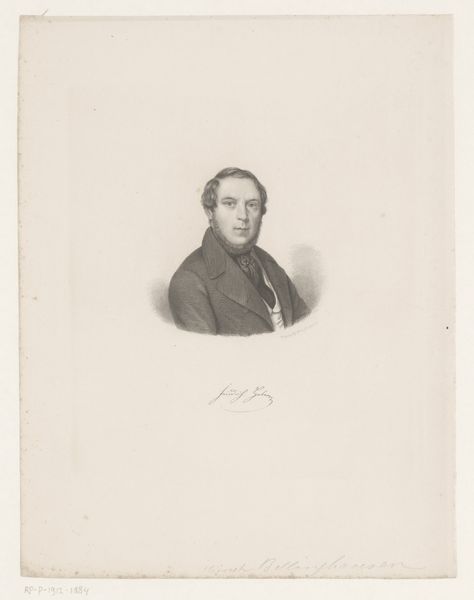
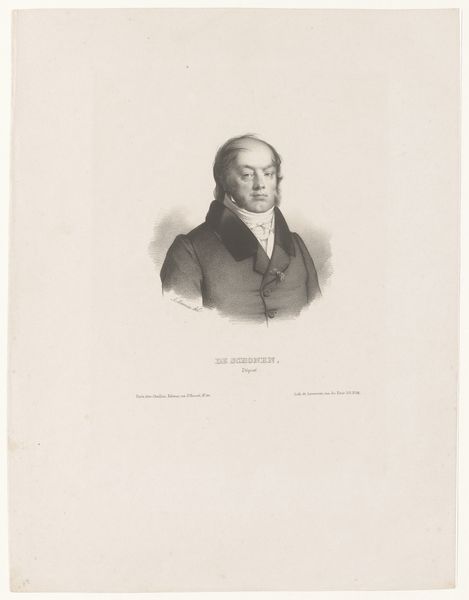
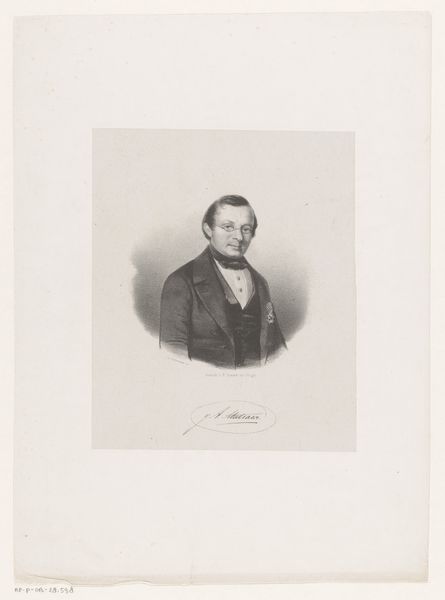
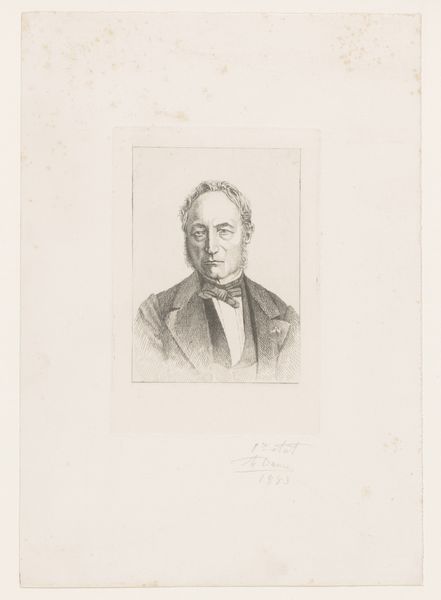
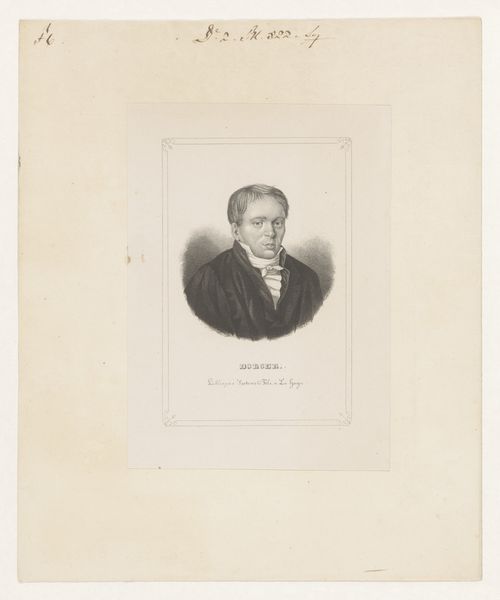
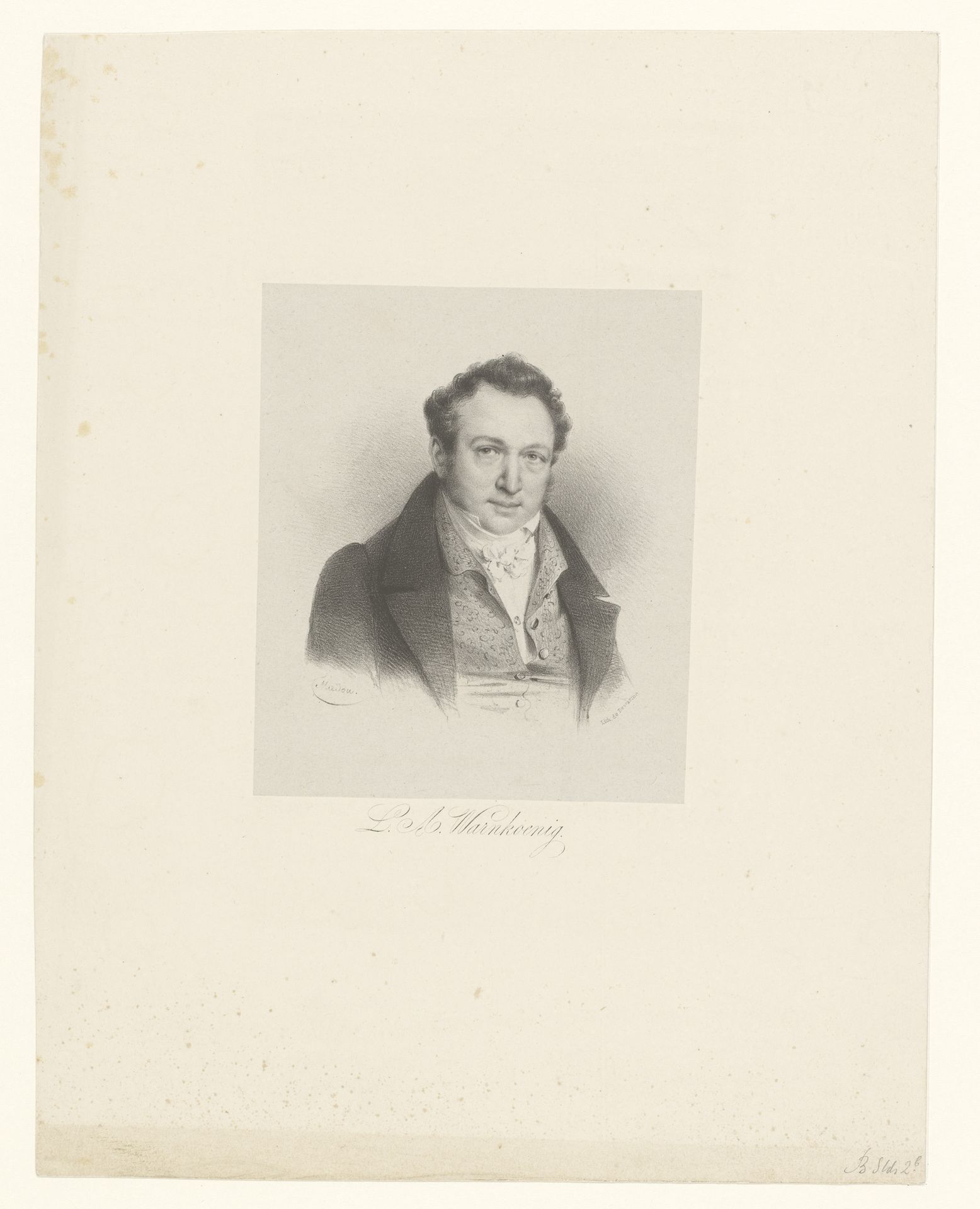
This print portrays Leopold August Warnkönig and was created by Jean-Baptiste Madou. Notice the sitter’s attire, especially his elaborate cravat. The cravat, a precursor to the modern necktie, was more than mere fashion; it signified status, refinement, and allegiance to certain social and intellectual circles. Consider the evolution of neckwear across history. In ancient Rome, orators wore cloths around their necks to keep warm, a functional garment that gradually transformed into a marker of distinction. By the 17th century, the cravat had become a symbol of the French aristocracy, its intricate knots and delicate lace reflecting the wearer's taste and wealth. Later, during the French Revolution, the cravat was simplified. The symbol transformed from luxury to austerity. Similarly, the seemingly simple act of adorning the neck becomes a canvas upon which history, identity, and power are perpetually re-imagined. The cravat in this portrait reflects the constant re-emergence of symbols through time, each iteration echoing its past while adapting to the present.
Portret van Leopold August Warnkönig c. 1825 - 1827

Jean-Baptiste Madou
1796 - 1877Location
RijksmuseumArtwork details
- Medium
- print, engraving
- Dimensions
- height 350 mm, width 274 mm
- Location
- Rijksmuseum
- Copyright
- Rijks Museum: Open Domain
Tags
portrait
old engraving style
romanticism
history-painting
academic-art
engraving
Comments
No comments
About this artwork
This print portrays Leopold August Warnkönig and was created by Jean-Baptiste Madou. Notice the sitter’s attire, especially his elaborate cravat. The cravat, a precursor to the modern necktie, was more than mere fashion; it signified status, refinement, and allegiance to certain social and intellectual circles. Consider the evolution of neckwear across history. In ancient Rome, orators wore cloths around their necks to keep warm, a functional garment that gradually transformed into a marker of distinction. By the 17th century, the cravat had become a symbol of the French aristocracy, its intricate knots and delicate lace reflecting the wearer's taste and wealth. Later, during the French Revolution, the cravat was simplified. The symbol transformed from luxury to austerity. Similarly, the seemingly simple act of adorning the neck becomes a canvas upon which history, identity, and power are perpetually re-imagined. The cravat in this portrait reflects the constant re-emergence of symbols through time, each iteration echoing its past while adapting to the present.
Comments
No comments