About this artwork
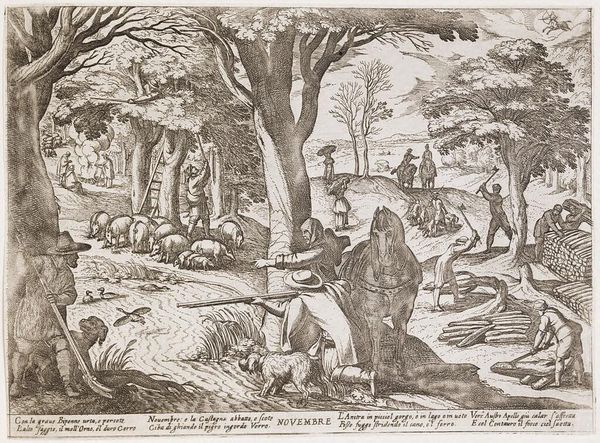
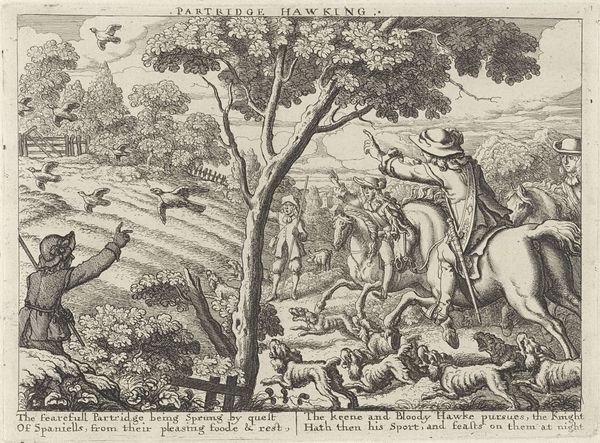
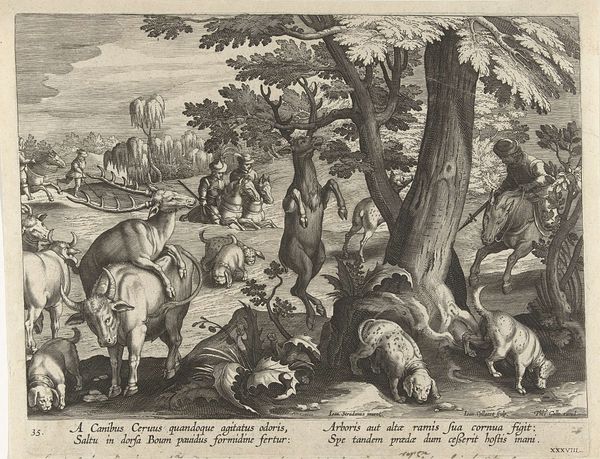
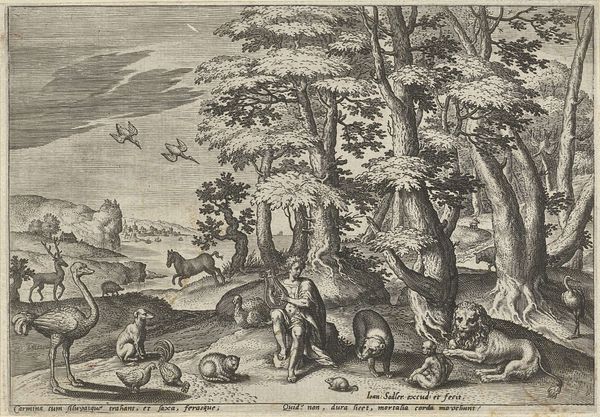
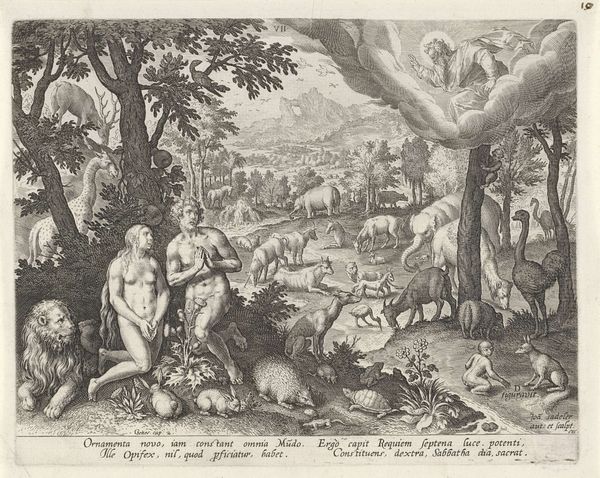
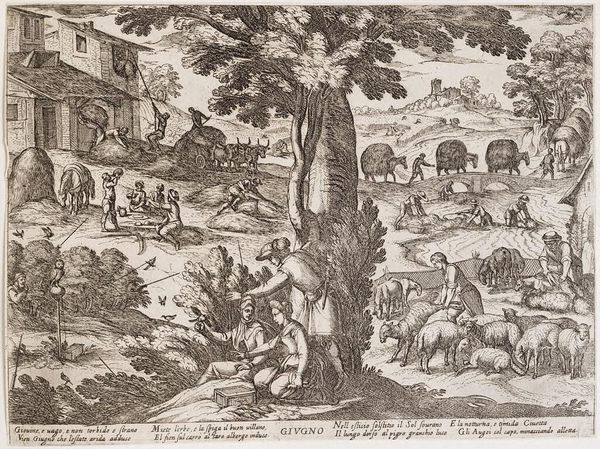
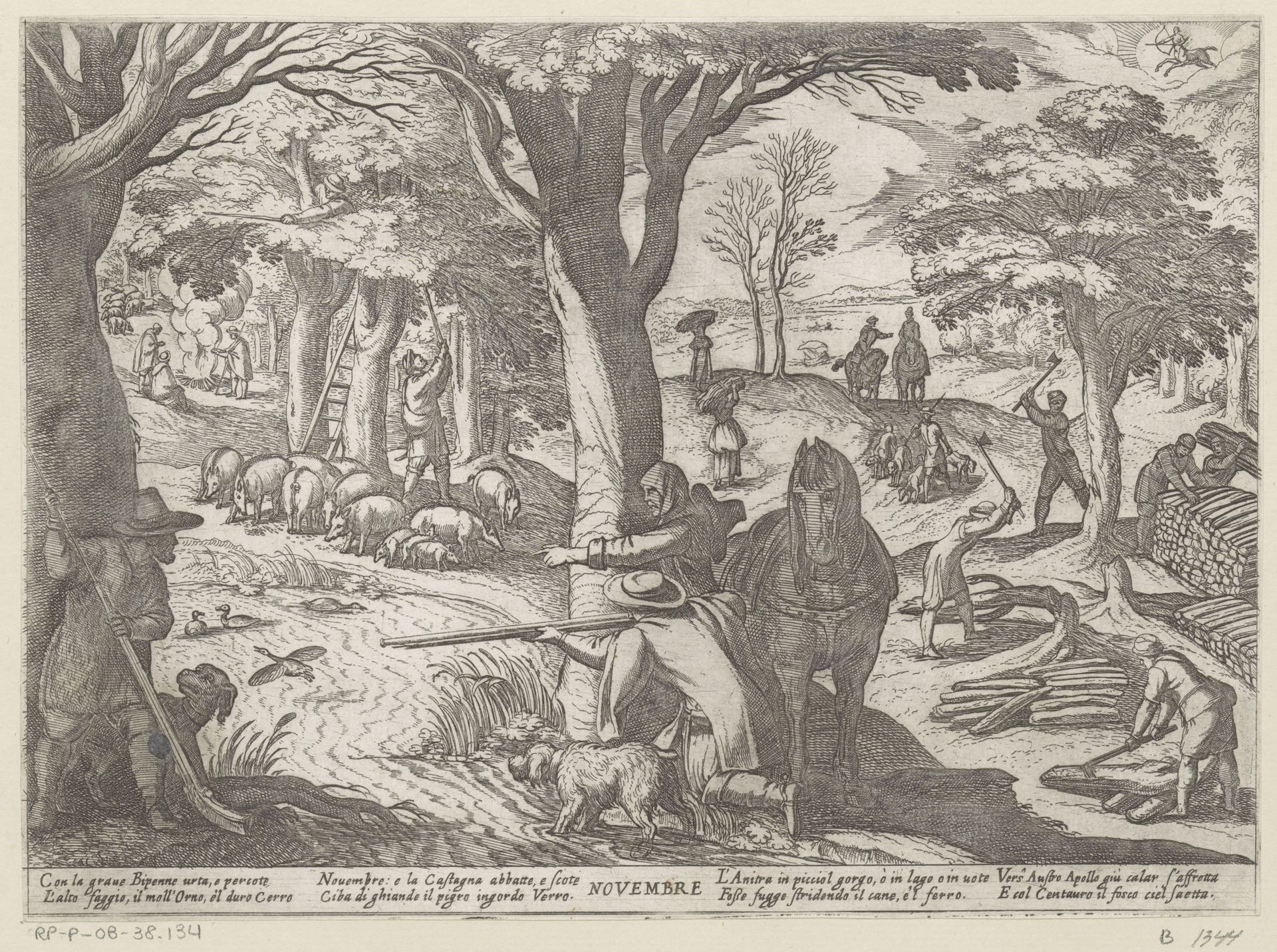
Antonio Tempesta created this etching titled "November: vogeljacht en bomen kappen (boogschutter)" around 1600. At first glance, the composition seems to be a landscape, but on closer inspection, the eye moves towards a semiotic interplay of nature and labor, of leisure and necessity. The spatial structure is divided into three planes from foreground to background. Each is filled with human activity, from hunting and gathering to logging and transport. The foreground depicts figures preparing for a hunt, while the background shows laborers cutting trees. These activities are rendered with meticulously detailed lines, creating a tapestry of textures and forms. Tempesta seems to be engaging with the Renaissance interest in capturing the everyday. The print invites us to decode its signs, reflecting how human actions are embedded within a seasonal, natural order. It emphasizes the relationship between humans, labor, and the environment.
November: vogeljacht en bomen kappen (boogschutter) 1599

Antonio Tempesta
1555 - 1630Location
RijksmuseumArtwork details
- Medium
- print, engraving
- Dimensions
- height 196 mm, width 280 mm
- Location
- Rijksmuseum
- Copyright
- Rijks Museum: Open Domain
Tags
baroque
old engraving style
landscape
genre-painting
engraving
Comments
No comments
About this artwork
Antonio Tempesta created this etching titled "November: vogeljacht en bomen kappen (boogschutter)" around 1600. At first glance, the composition seems to be a landscape, but on closer inspection, the eye moves towards a semiotic interplay of nature and labor, of leisure and necessity. The spatial structure is divided into three planes from foreground to background. Each is filled with human activity, from hunting and gathering to logging and transport. The foreground depicts figures preparing for a hunt, while the background shows laborers cutting trees. These activities are rendered with meticulously detailed lines, creating a tapestry of textures and forms. Tempesta seems to be engaging with the Renaissance interest in capturing the everyday. The print invites us to decode its signs, reflecting how human actions are embedded within a seasonal, natural order. It emphasizes the relationship between humans, labor, and the environment.
Comments
No comments