About this artwork
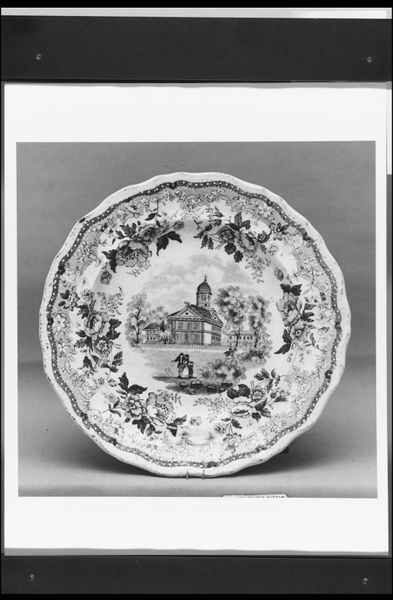
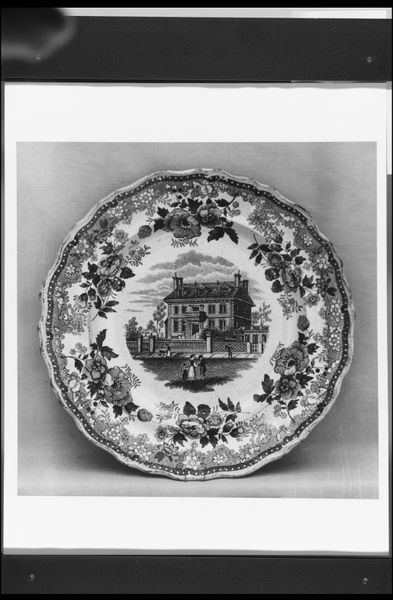
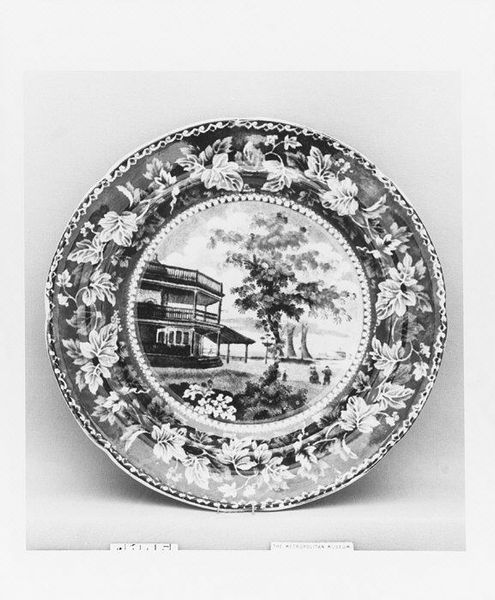
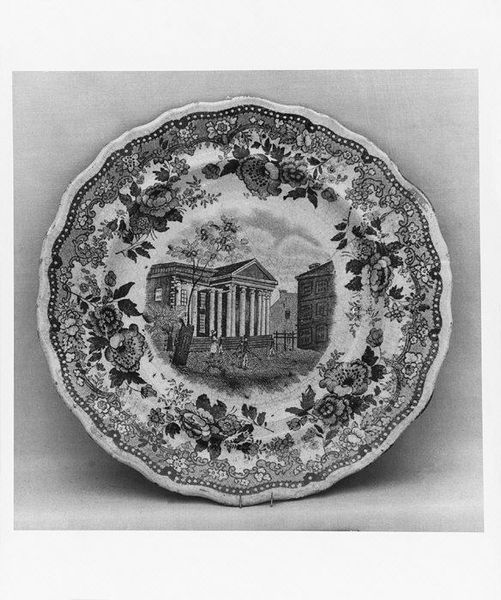
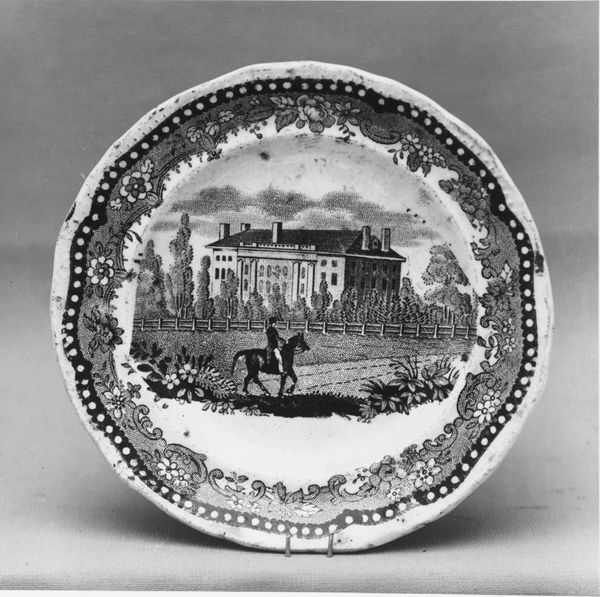
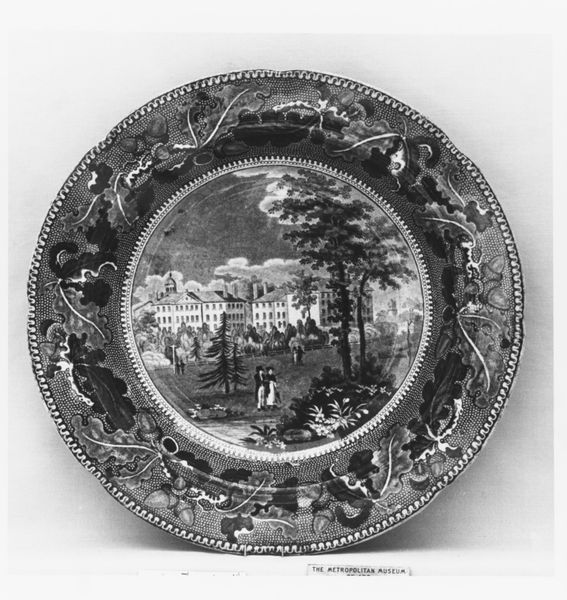
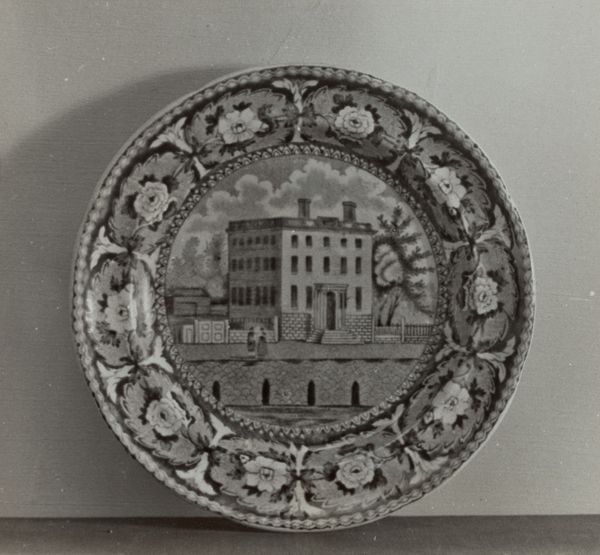
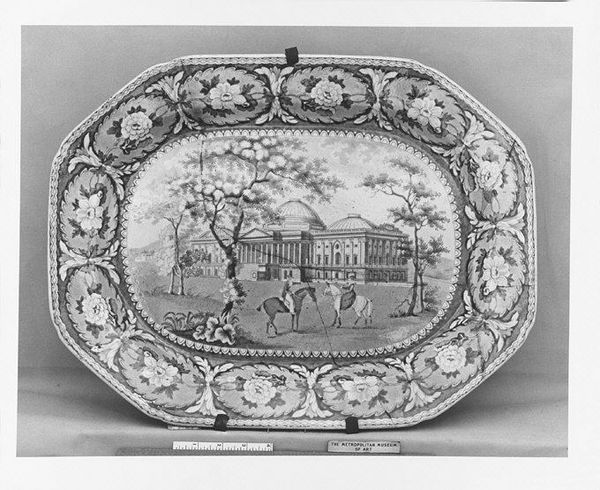
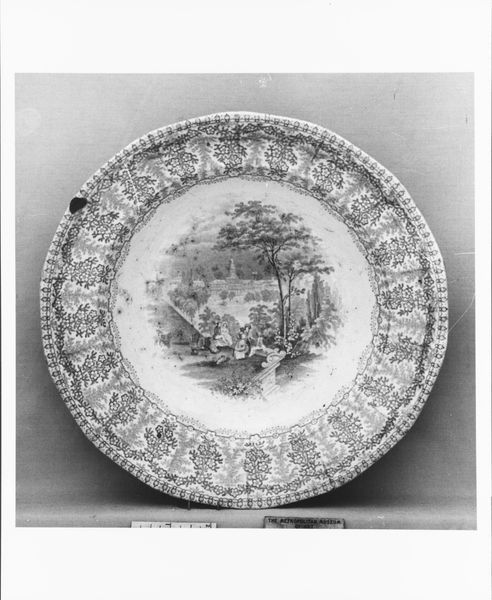
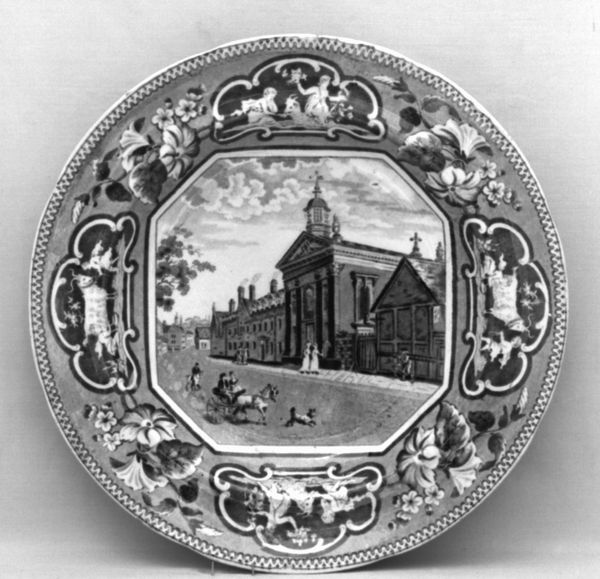
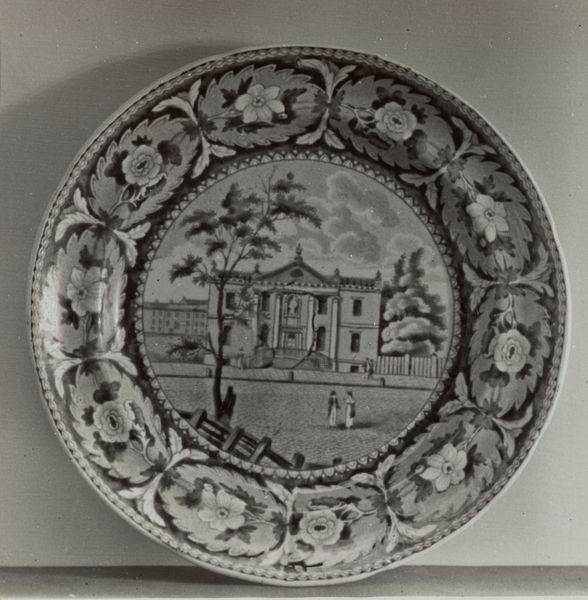
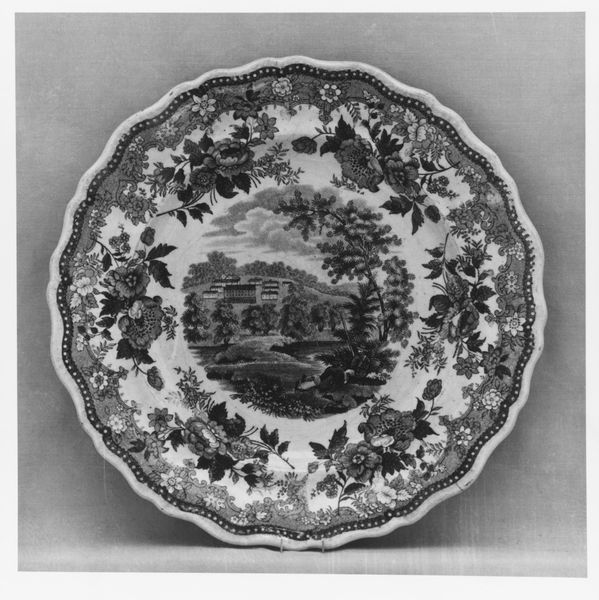
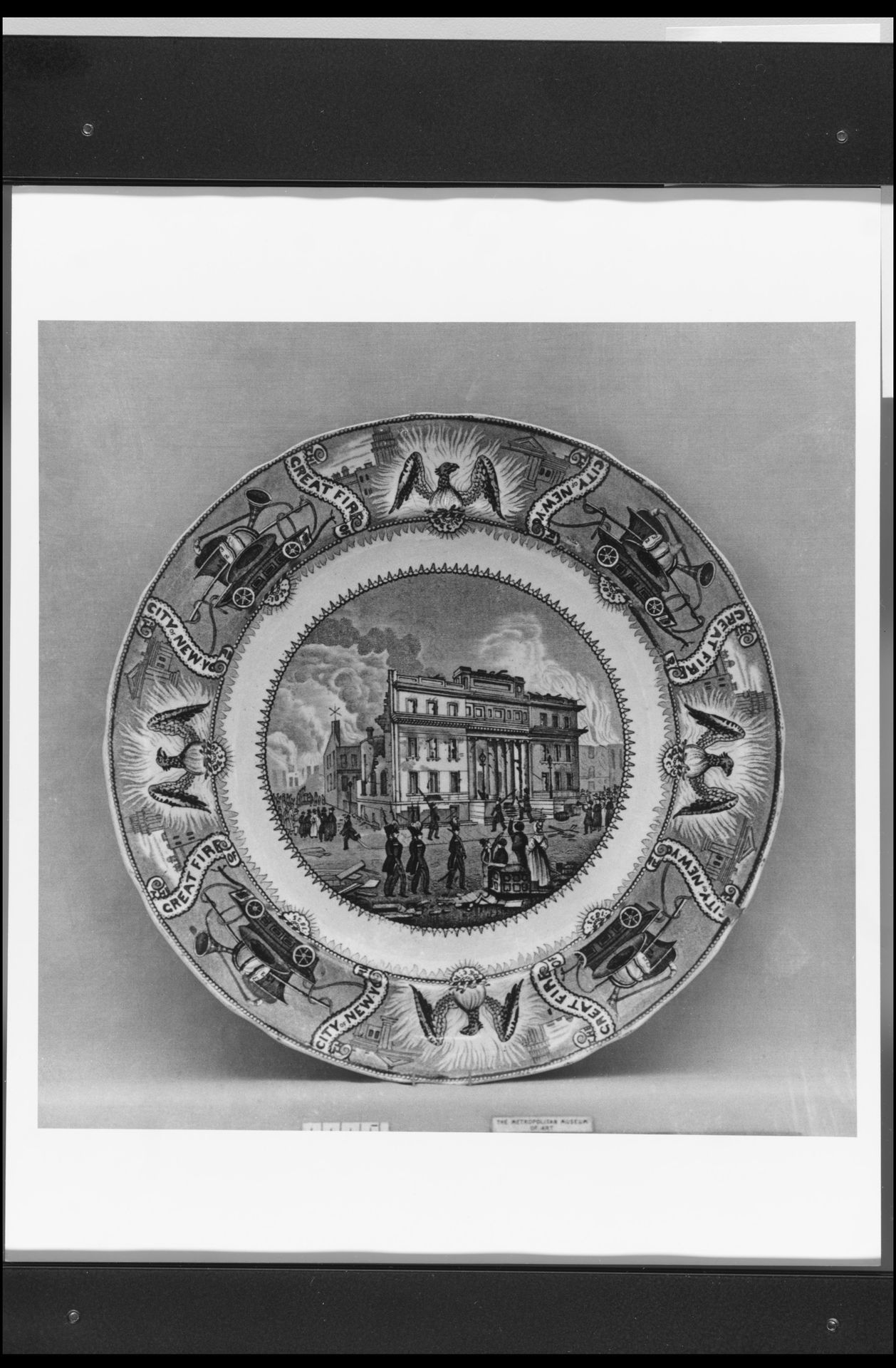
This plate was made by Thomas Dimmock & Co. sometime between 1828 and 1859, with the method of transferware printing onto earthenware. The image transfer process was typical of ceramics production at the time, a burgeoning industry that automated decorative crafts. Here, we see the transfer of an image of a fire in New York City; the image is first engraved on a copper plate, which is then printed onto thin tissue paper that is carefully applied to the ceramic surface. It's then fired in a kiln, leaving behind a permanent decoration. The nature of transferware means that images could be replicated at a fast rate with very fine detail. This allowed manufacturers to respond to a growing consumer demand for decorative objects. By referencing timely events such as the New York fire, it served as a memorial souvenir, and fueled economic growth in the 19th century. This plate exemplifies the blurring lines between mass production, material culture, and historical documentation. It reflects the growing importance of manufacturing in society and the way that labor was embedded in the production process.
Plate
1832 - 1859

Thomas Dimmock & Co.
1828 - 1859
The Metropolitan Museum of Art
Metropolitan Museum of Art, New York, NYArtwork details
- Medium
- print, ceramic
- Dimensions
- Diam. 9 in. (22.9 cm)
- Location
- Metropolitan Museum of Art, New York, NY
- Copyright
- Public Domain
Tags
sculpture
ceramic
black colour
cityscape
genre-painting
decorative-art
building
Comments
Be the first to share your thoughts about this work.
About this artwork
This plate was made by Thomas Dimmock & Co. sometime between 1828 and 1859, with the method of transferware printing onto earthenware. The image transfer process was typical of ceramics production at the time, a burgeoning industry that automated decorative crafts. Here, we see the transfer of an image of a fire in New York City; the image is first engraved on a copper plate, which is then printed onto thin tissue paper that is carefully applied to the ceramic surface. It's then fired in a kiln, leaving behind a permanent decoration. The nature of transferware means that images could be replicated at a fast rate with very fine detail. This allowed manufacturers to respond to a growing consumer demand for decorative objects. By referencing timely events such as the New York fire, it served as a memorial souvenir, and fueled economic growth in the 19th century. This plate exemplifies the blurring lines between mass production, material culture, and historical documentation. It reflects the growing importance of manufacturing in society and the way that labor was embedded in the production process.
Comments
Be the first to share your thoughts about this work.