1699 - 1713
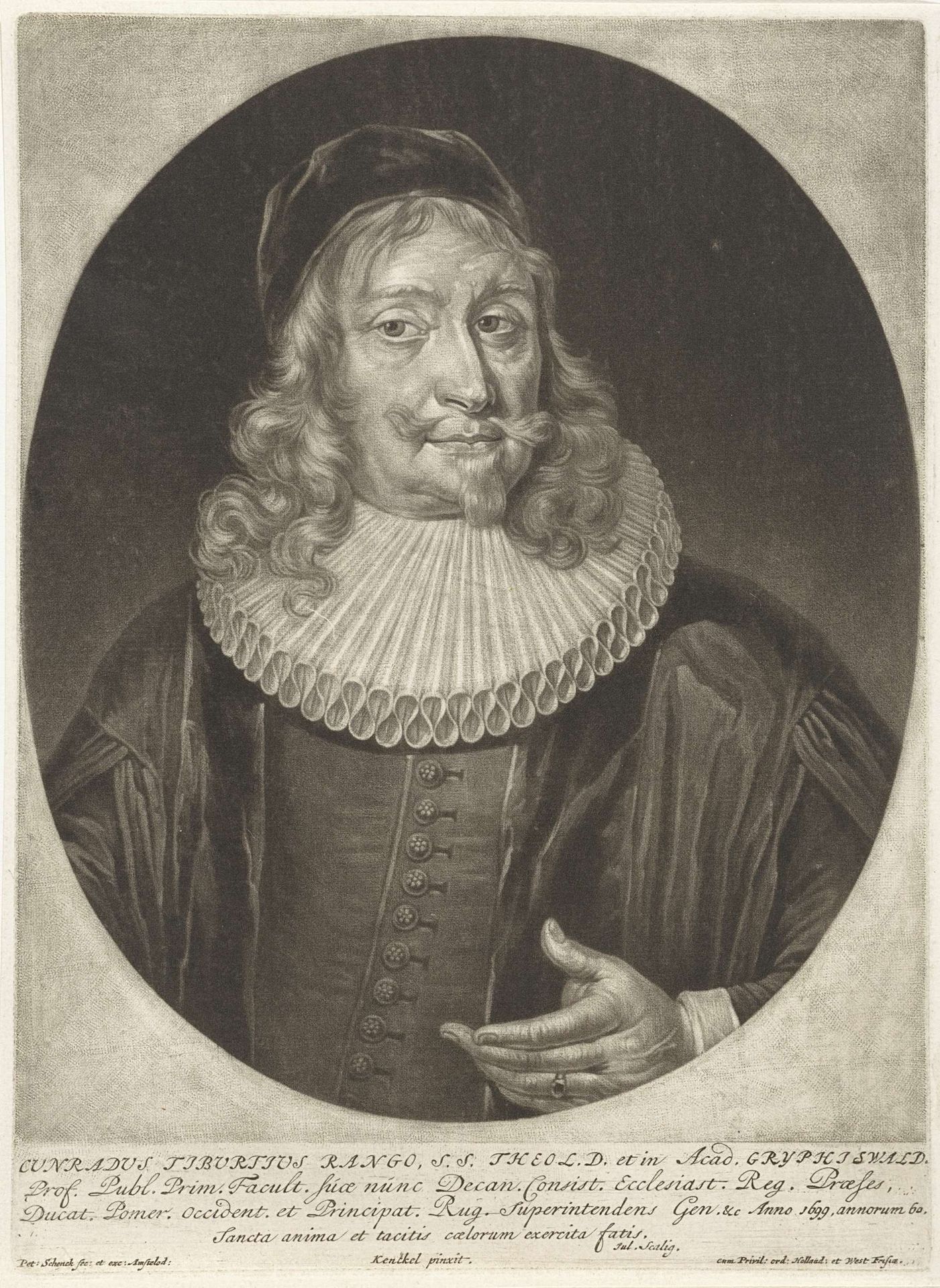
Portret van de theoloog Konrad Tiburtius Rango

Pieter Schenk
1660 - 1711Location
RijksmuseumListen to curator's interpretation
Curatorial notes
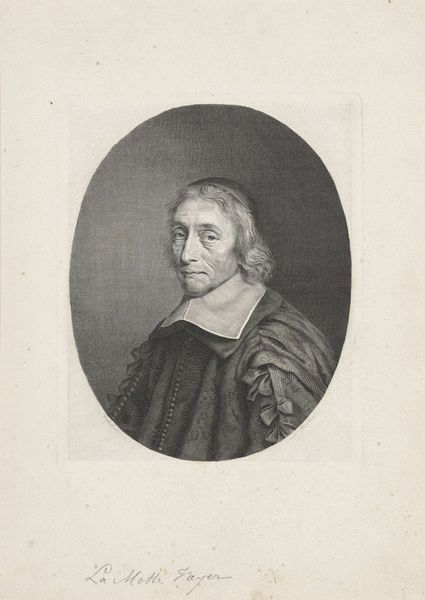
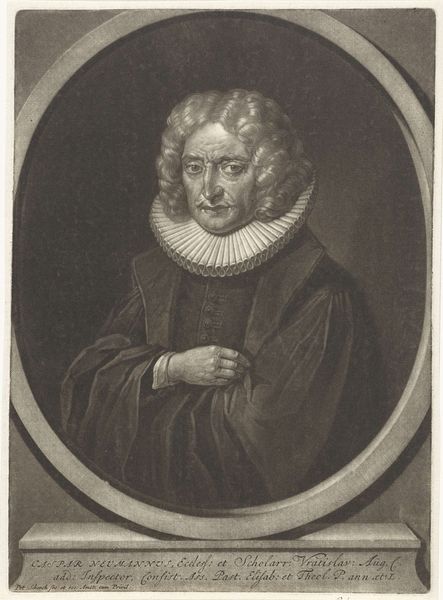
Pieter Schenk etched this portrait of Konrad Tiburtius Rango. The theologian is seen in a black tunic and cap with an elaborate, pleated ruff, the symbols of his academic and religious stature in 17th-century society. His slightly raised, open hand—a gesture that resonates through time. We see it echoed in depictions of Roman orators, medieval saints, and Renaissance scholars. The open hand symbolizes transparency, sincerity, and the act of imparting wisdom, tracing back to ancient rhetoric where skilled speakers used it to persuade and connect with their audience. It appears on statues of emperors and senators, its purpose being to convey authority and reason. Yet, this gesture evolves. In religious art, particularly in depictions of Christ or saints, the open hand takes on a divine quality. This transformation reveals how symbols adapt, embodying new cultural values while carrying echoes of their past. This image embodies a subtle yet powerful demonstration of cultural memory. These symbols resurface, evolve, and take on new meanings across historical contexts.