About this artwork
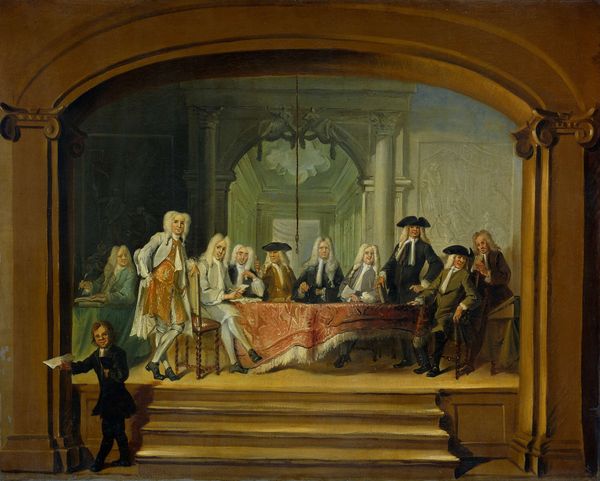
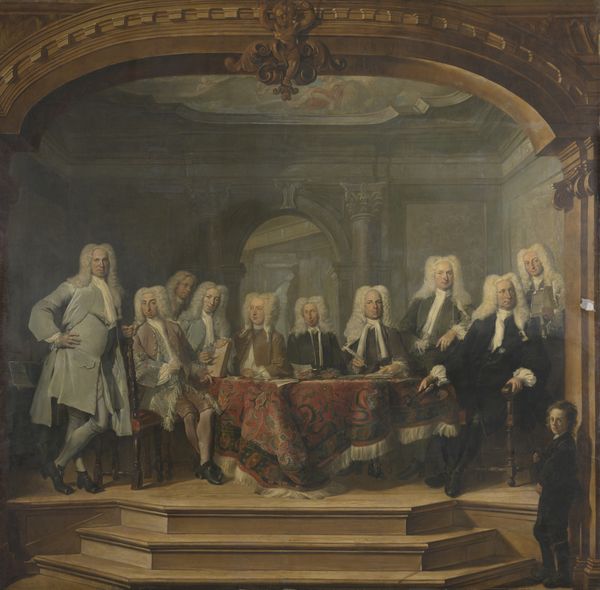
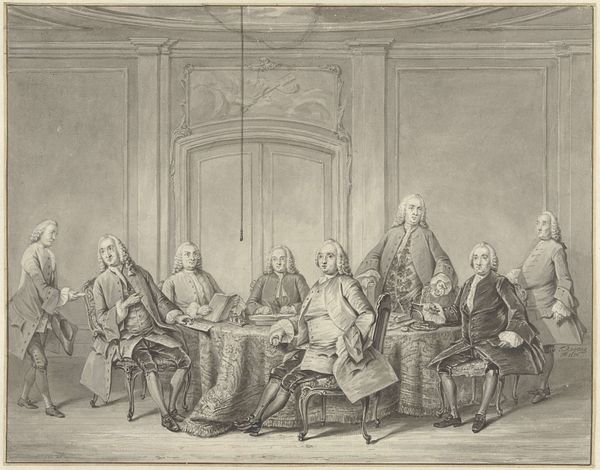
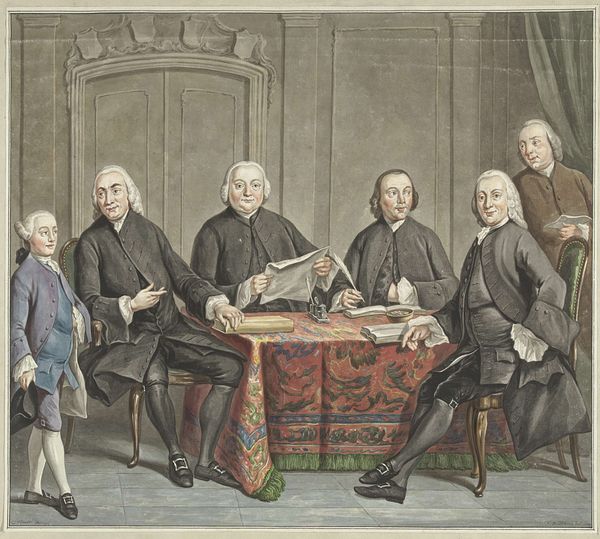
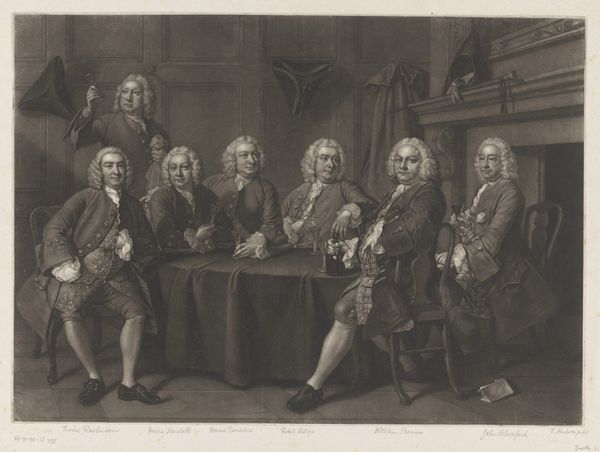
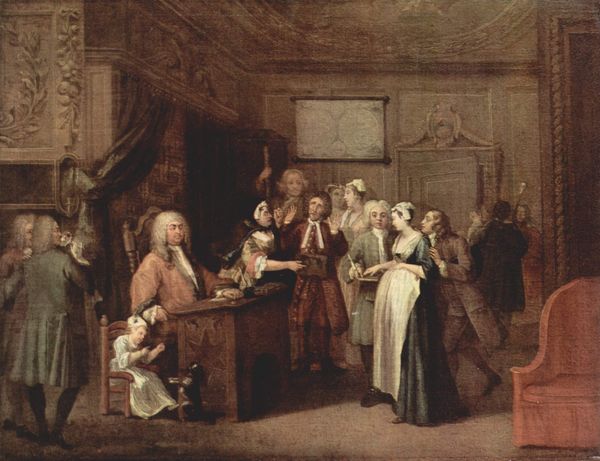
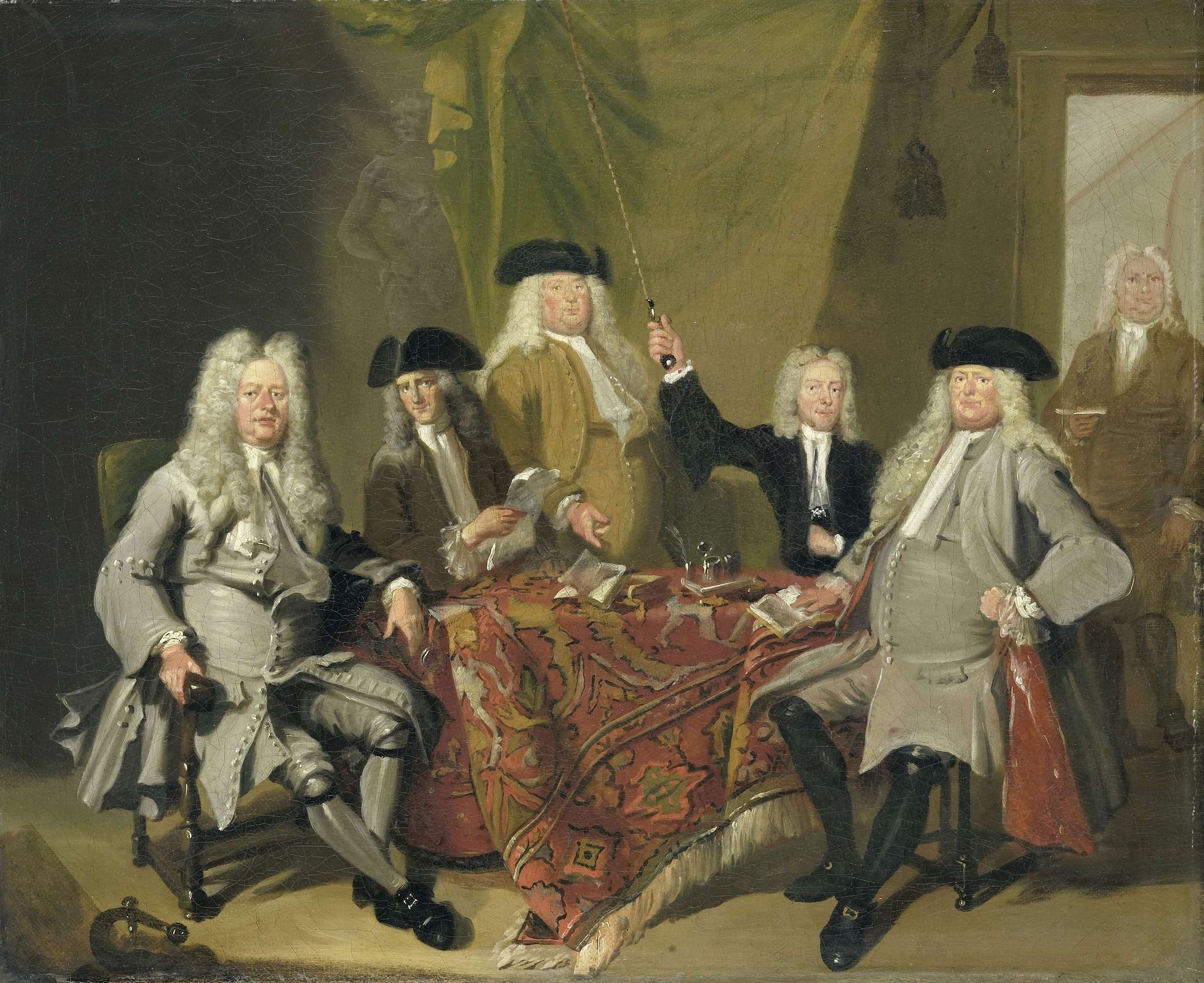
Cornelis Troost painted "Inspectors of the Collegium Medicum in Amsterdam" in 1724, offering us a glimpse into the world of 18th-century Dutch medicine. This work reflects the rigid social hierarchies of the time. The inspectors, all men, are portrayed with a sense of authority. Their elaborate wigs and formal attire speak to their status and privilege. Simultaneously, the painting subtly hints at the exclusive nature of these institutions, highlighting who is included and, more importantly, who is excluded. In Amsterdam during the 1700's, medicine was beginning to modernize. Reflected here is an attempt to legitimize the field through professional organizations. Troost’s painting captures a moment in this transformation, where science, power, and social class converged. The composition reinforces the notion of a closed circle, hinting at the challenges faced by those who sought to enter these circles from outside.
Inspectors of the Collegium Medicum in Amsterdam, 1724
1724

Cornelis Troost
1696 - 1750Location
RijksmuseumArtwork details
- Medium
- oil-paint
- Dimensions
- height 40 cm, width 49 cm
- Location
- Rijksmuseum
- Copyright
- Rijks Museum: Open Domain
Tags
Comments
Share your thoughts
About this artwork
Cornelis Troost painted "Inspectors of the Collegium Medicum in Amsterdam" in 1724, offering us a glimpse into the world of 18th-century Dutch medicine. This work reflects the rigid social hierarchies of the time. The inspectors, all men, are portrayed with a sense of authority. Their elaborate wigs and formal attire speak to their status and privilege. Simultaneously, the painting subtly hints at the exclusive nature of these institutions, highlighting who is included and, more importantly, who is excluded. In Amsterdam during the 1700's, medicine was beginning to modernize. Reflected here is an attempt to legitimize the field through professional organizations. Troost’s painting captures a moment in this transformation, where science, power, and social class converged. The composition reinforces the notion of a closed circle, hinting at the challenges faced by those who sought to enter these circles from outside.
Comments
Share your thoughts