About this artwork
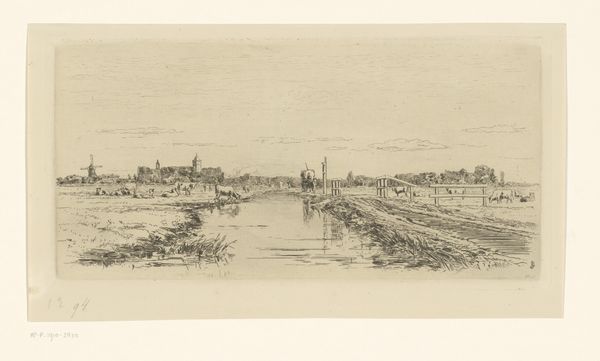
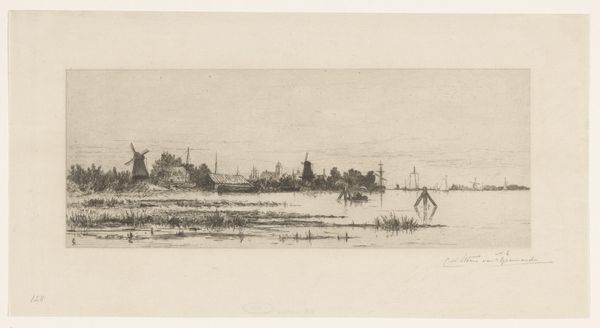
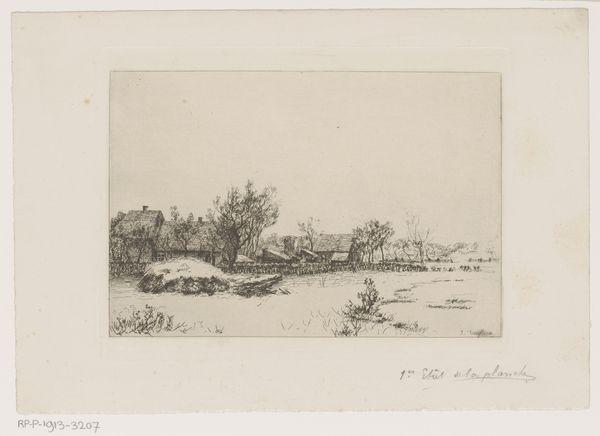
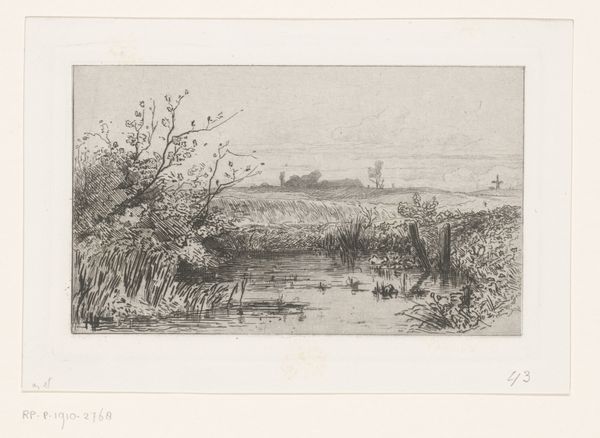
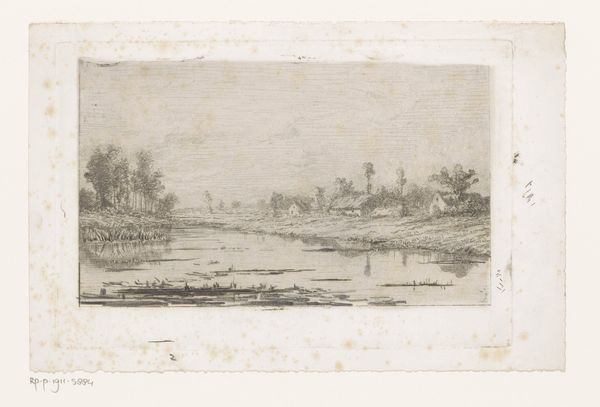
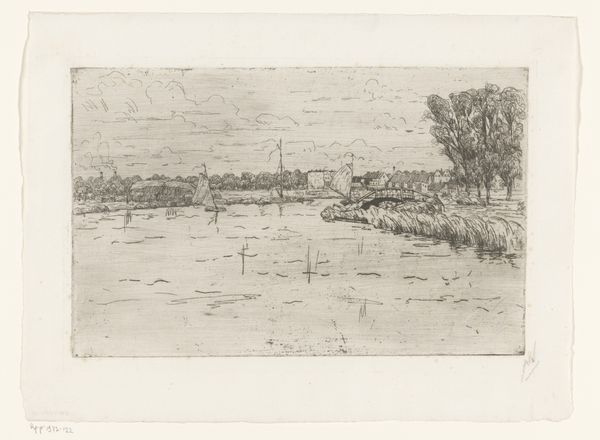
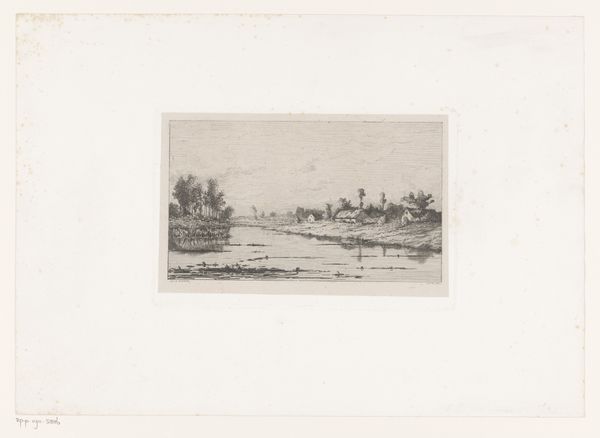
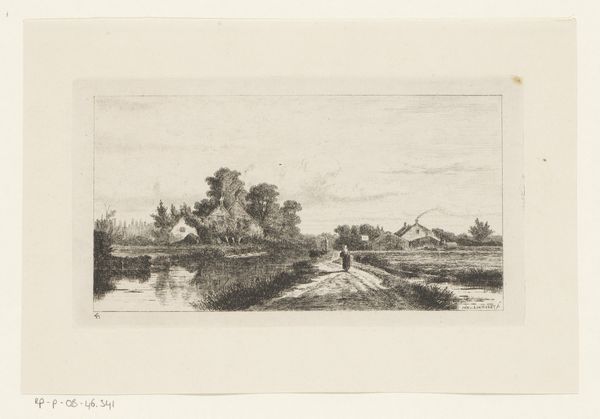
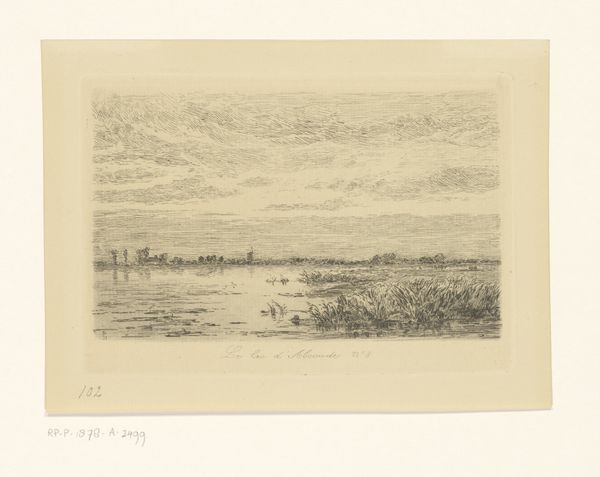
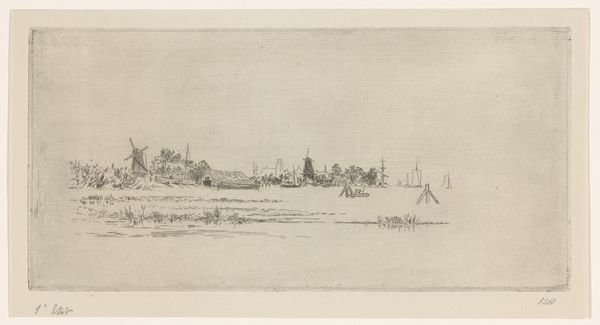
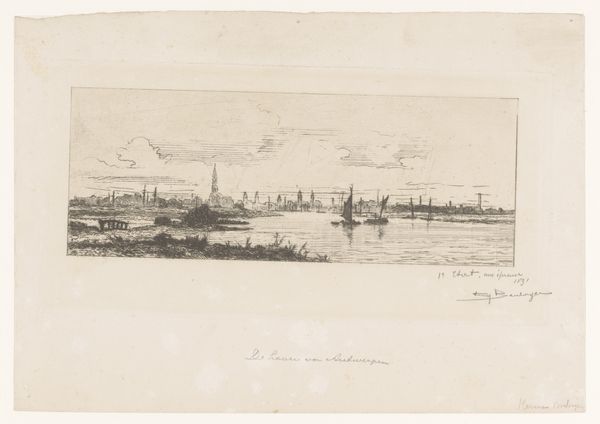
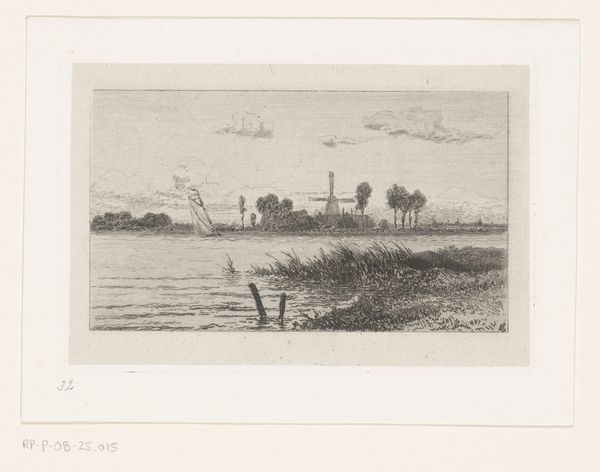
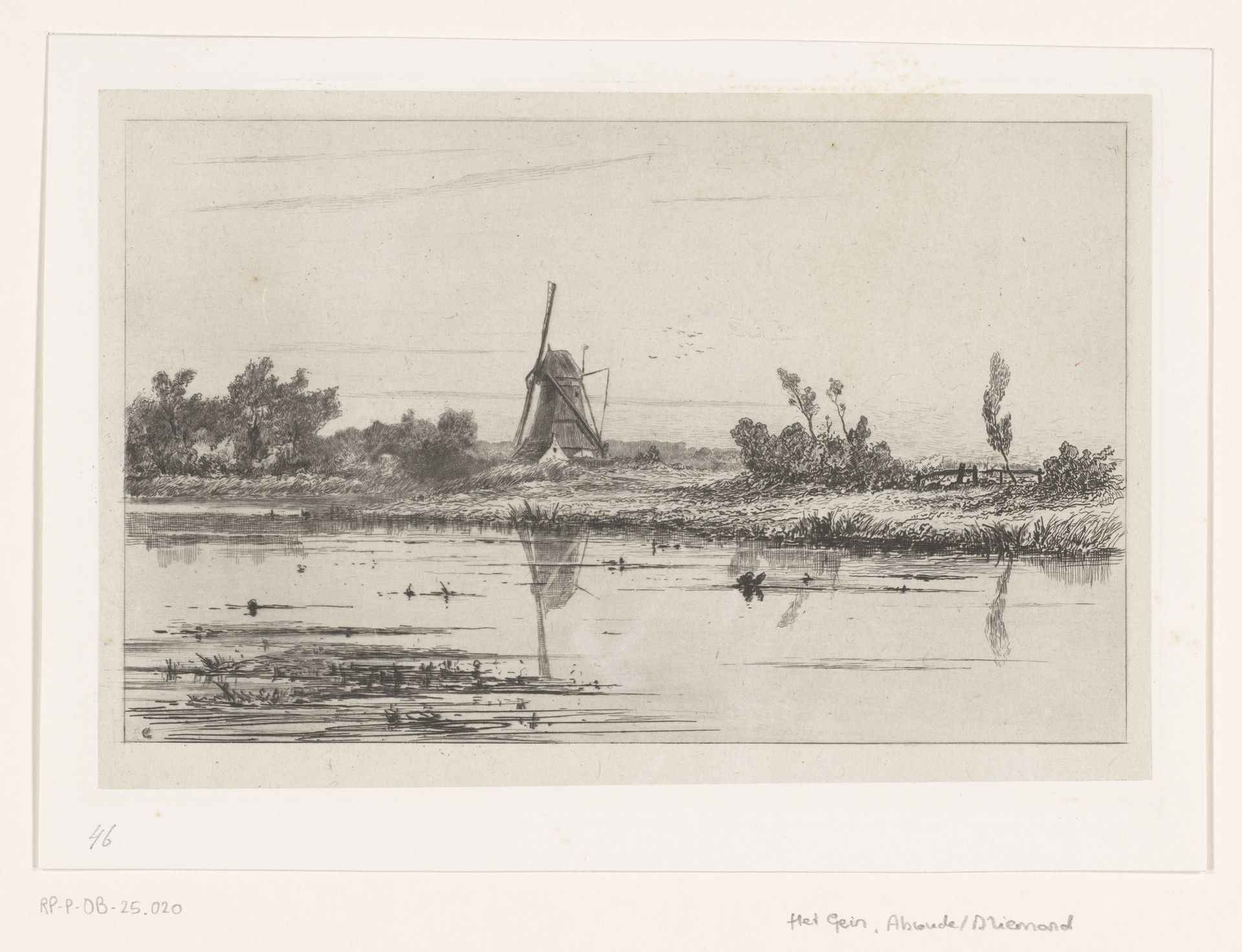
Carel Nicolaas Storm van 's-Gravesande made this landscape with a mill using etching, a printmaking technique, sometime between 1861 and 1924. The process involves drawing an image with a needle through a wax coating on a metal plate, which is then submerged in acid. The acid bites into the exposed metal, creating lines that hold ink and transfer to paper. The resulting print has a distinctive quality. Look closely at the way the etched lines capture the reflections in the water and the texture of the foliage. The process requires careful control and skilled handling of tools and materials. In its day, printmaking enabled artists to circulate their work widely and cheaply. It was therefore a very democratic technology. And note that the subject here is a mill, which is itself a technology of production. It's hard not to see this print as celebrating the industriousness of the Dutch landscape. This artwork reminds us that even the most apparently straightforward landscape is in fact a product of human labor.
Landschap met molen aan het Gein c. 1872

Carel Nicolaas Storm van 's-Gravesande
1841 - 1924Location
RijksmuseumArtwork details
- Medium
- drawing, pencil
- Dimensions
- height 164 mm, width 243 mm
- Location
- Rijksmuseum
- Copyright
- Rijks Museum: Open Domain
Tags
drawing
landscape
pencil
pencil work
realism
Comments
No comments
About this artwork
Carel Nicolaas Storm van 's-Gravesande made this landscape with a mill using etching, a printmaking technique, sometime between 1861 and 1924. The process involves drawing an image with a needle through a wax coating on a metal plate, which is then submerged in acid. The acid bites into the exposed metal, creating lines that hold ink and transfer to paper. The resulting print has a distinctive quality. Look closely at the way the etched lines capture the reflections in the water and the texture of the foliage. The process requires careful control and skilled handling of tools and materials. In its day, printmaking enabled artists to circulate their work widely and cheaply. It was therefore a very democratic technology. And note that the subject here is a mill, which is itself a technology of production. It's hard not to see this print as celebrating the industriousness of the Dutch landscape. This artwork reminds us that even the most apparently straightforward landscape is in fact a product of human labor.
Comments
No comments