About this artwork
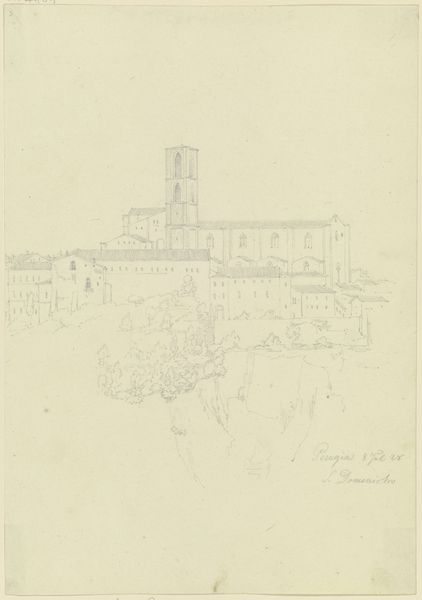
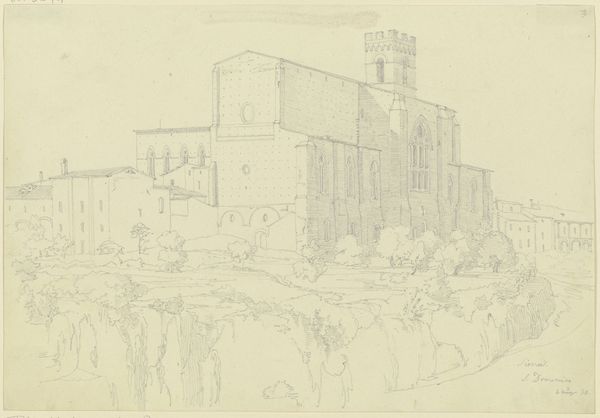
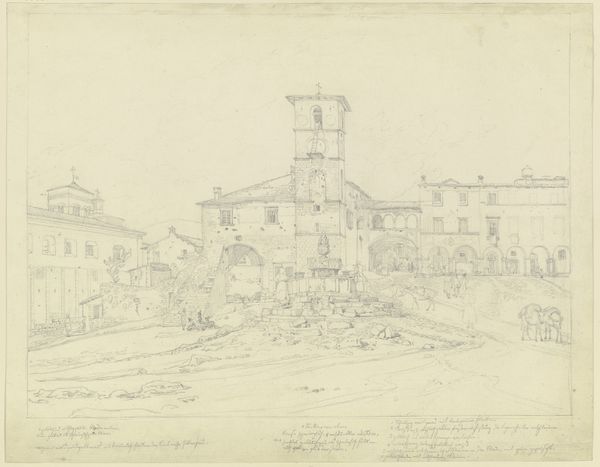
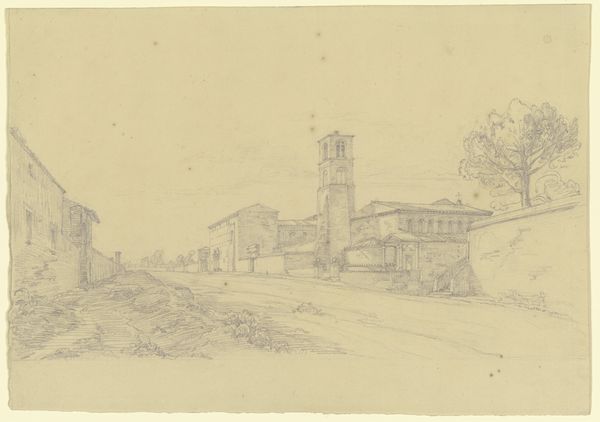
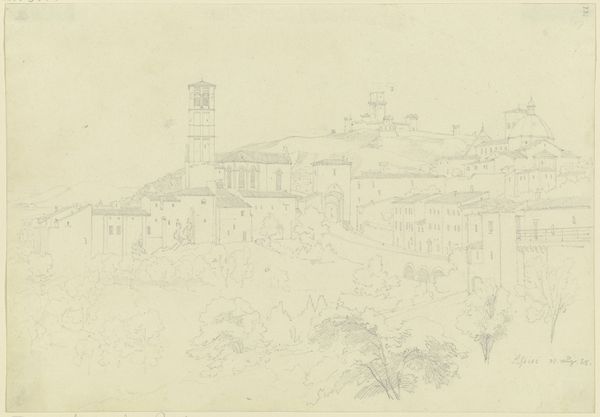
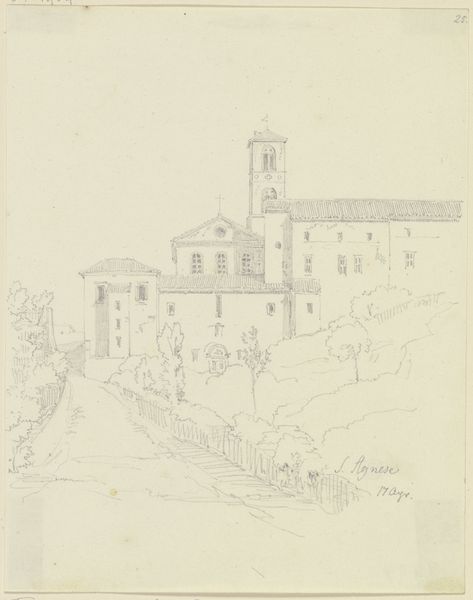
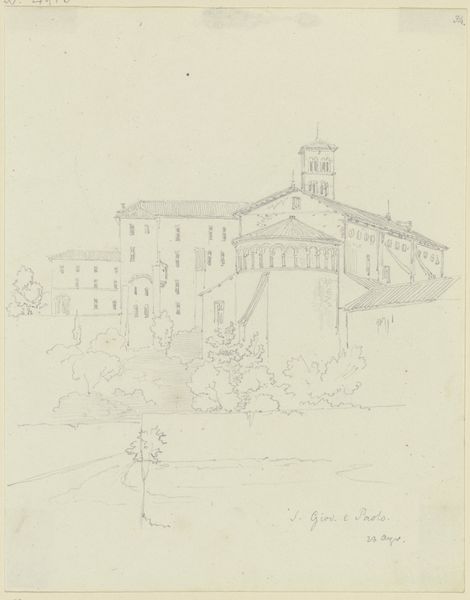
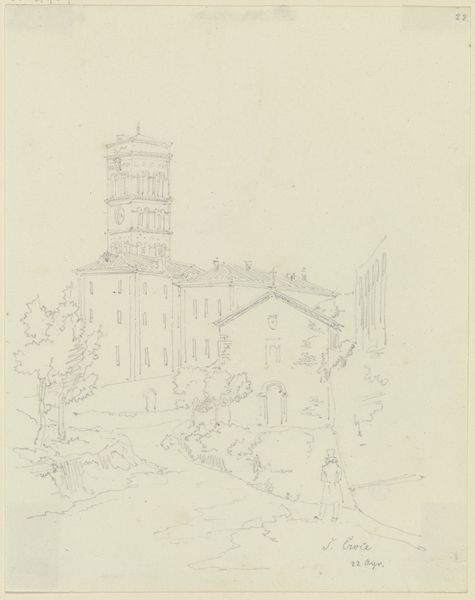
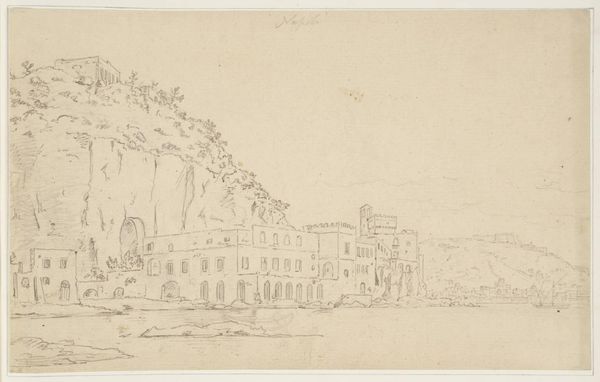
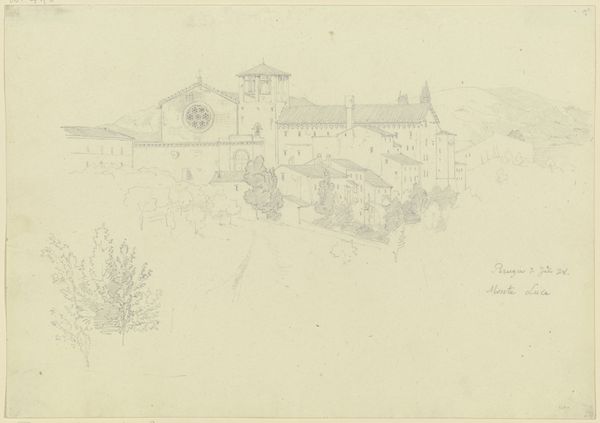
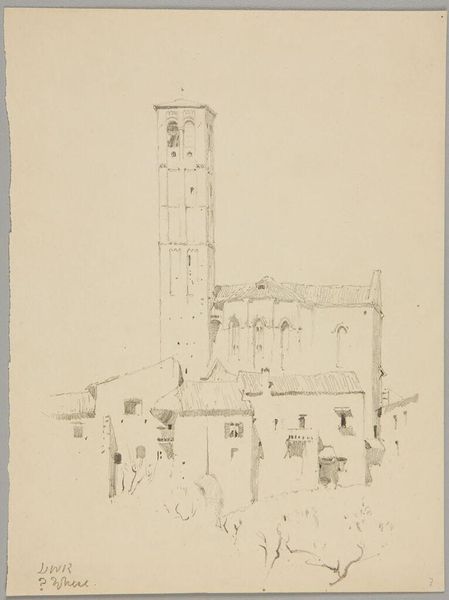
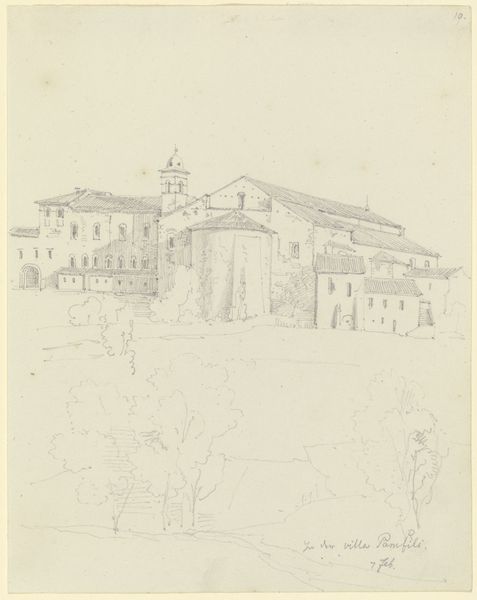
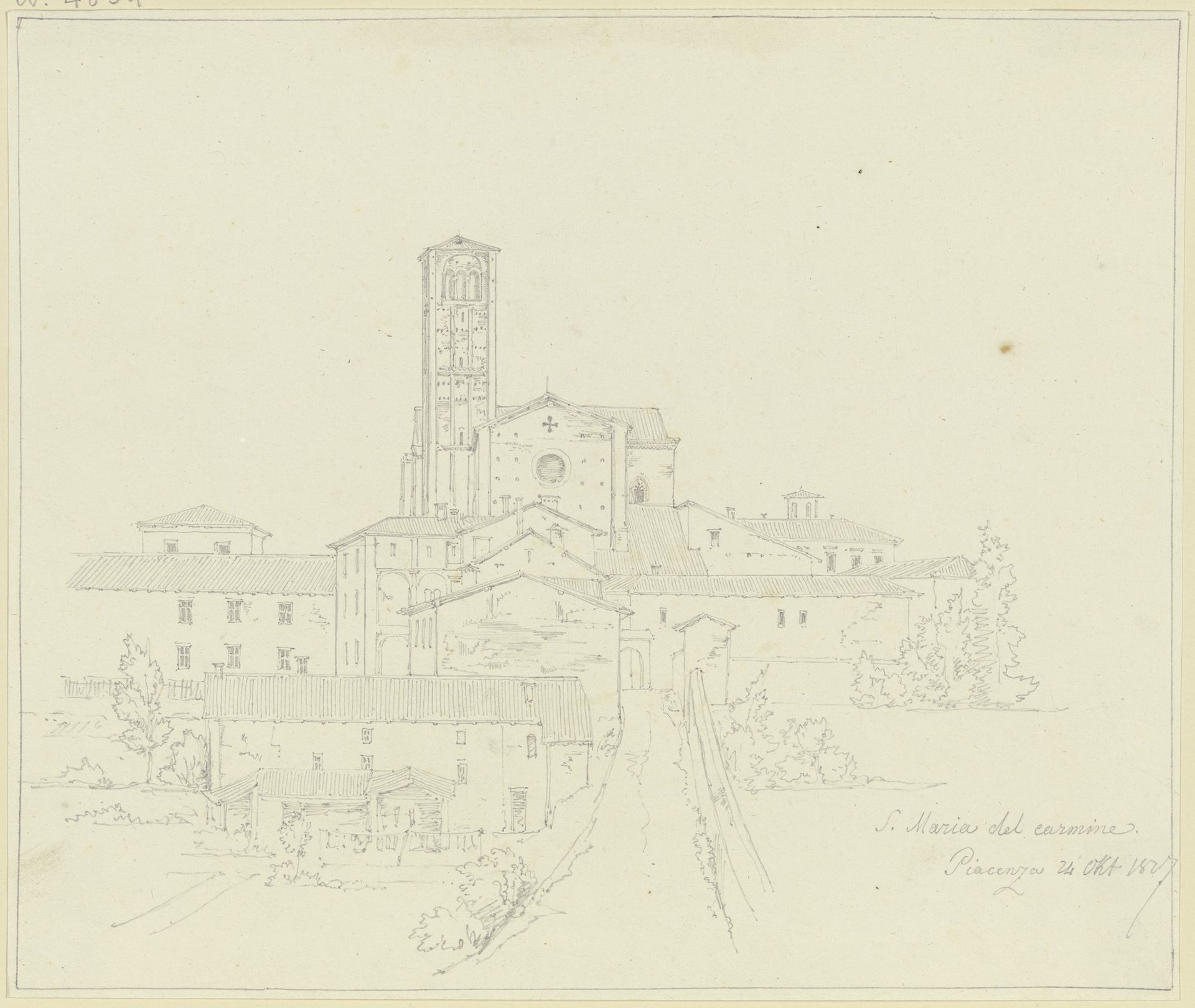
Friedrich Maximilian Hessemer made this pencil drawing of S. Maria del Carmine in Piacenza on October 26th, 1827. The image captures the church as a prominent feature of the town's landscape. Hessemer's choice to depict this particular church may reflect the resurgence of religious sentiment during the Romantic era. Across Europe, church restorations were common projects, which speaks to a renewed interest in religious institutions. Hessemer’s sketch, with its attention to architectural detail, perhaps served as a preliminary study for a larger project documenting historical architecture. To truly understand Hessemer's intentions, one might delve into the archives of architectural societies. By considering Hessemer's drawing within the context of early nineteenth-century architectural preservation, we can gain insight into its cultural significance and social role.
S. Maria del Carmine in Piacenza 24 - 1727


Artwork details
- Medium
- drawing, paper, pencil, architecture
- Location
- Städel Museum
- Copyright
- Public Domain
Tags
architectural sketch
drawing
16_19th-century
quirky sketch
old engraving style
landscape
paper
personal sketchbook
german
idea generation sketch
sketchwork
pen-ink sketch
pencil
pen work
sketchbook drawing
architecture
initial sketch
Comments
No comments
About this artwork
Friedrich Maximilian Hessemer made this pencil drawing of S. Maria del Carmine in Piacenza on October 26th, 1827. The image captures the church as a prominent feature of the town's landscape. Hessemer's choice to depict this particular church may reflect the resurgence of religious sentiment during the Romantic era. Across Europe, church restorations were common projects, which speaks to a renewed interest in religious institutions. Hessemer’s sketch, with its attention to architectural detail, perhaps served as a preliminary study for a larger project documenting historical architecture. To truly understand Hessemer's intentions, one might delve into the archives of architectural societies. By considering Hessemer's drawing within the context of early nineteenth-century architectural preservation, we can gain insight into its cultural significance and social role.
Comments
No comments