About this artwork
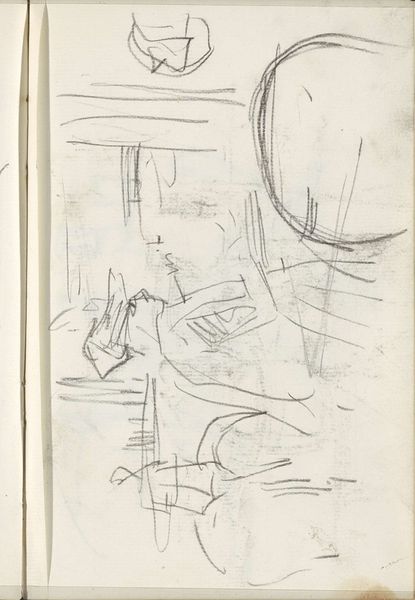
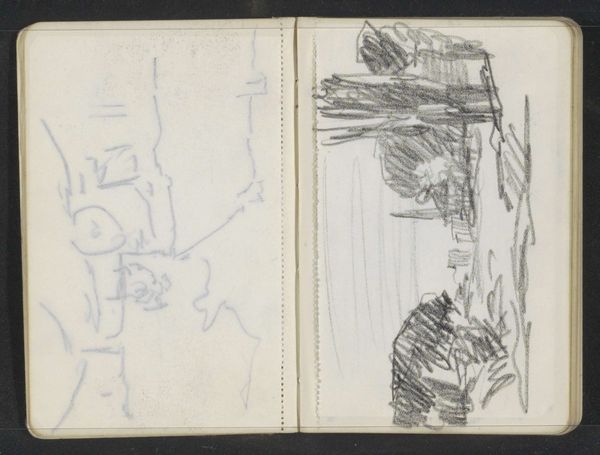
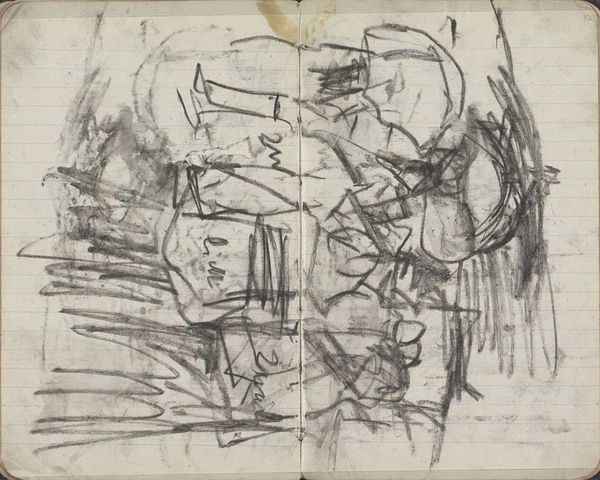
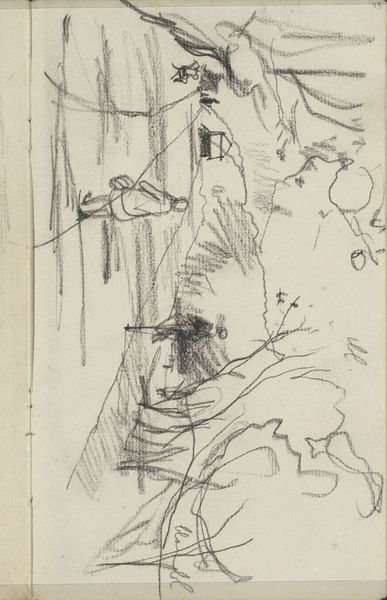
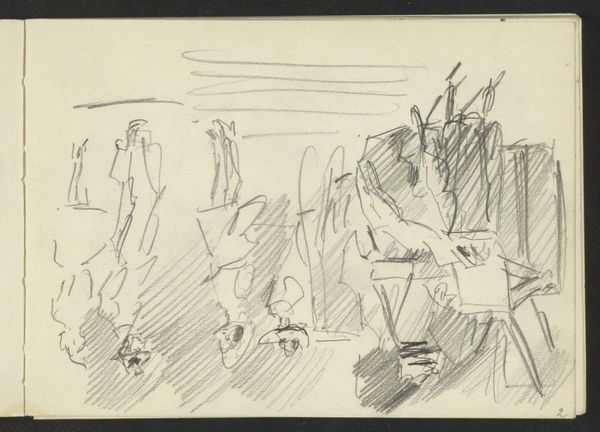
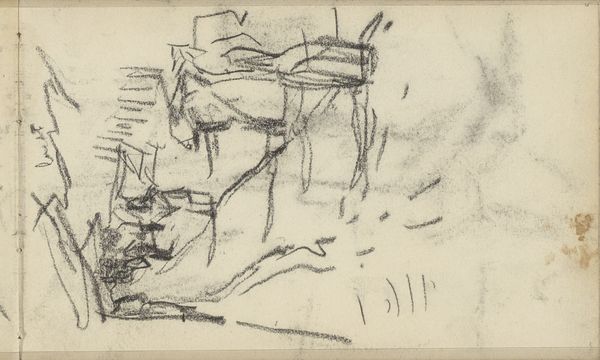
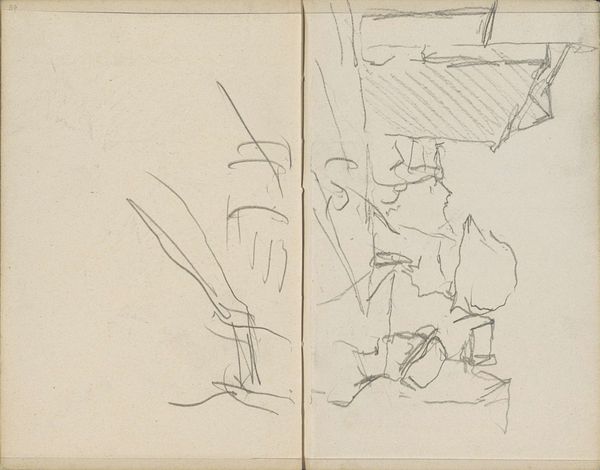
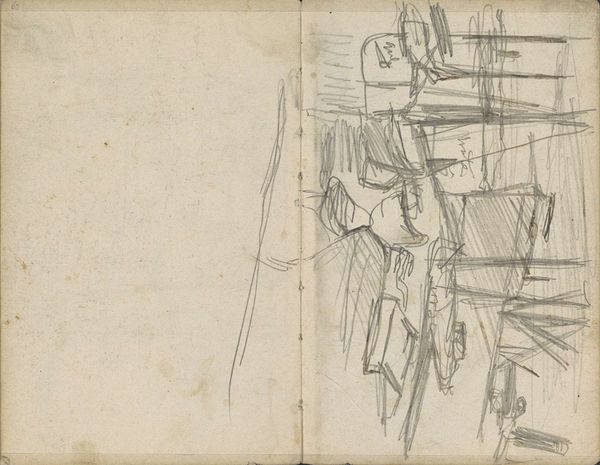
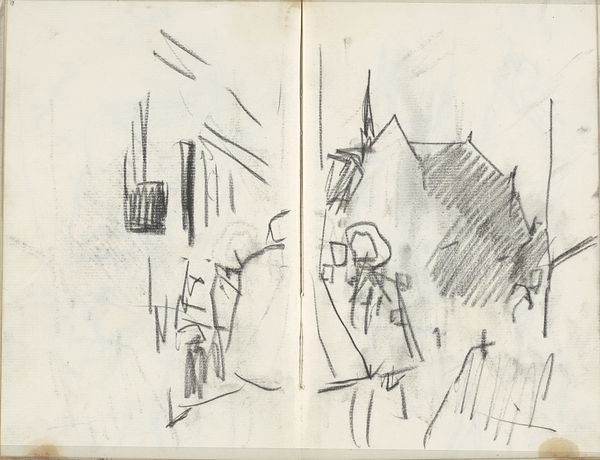
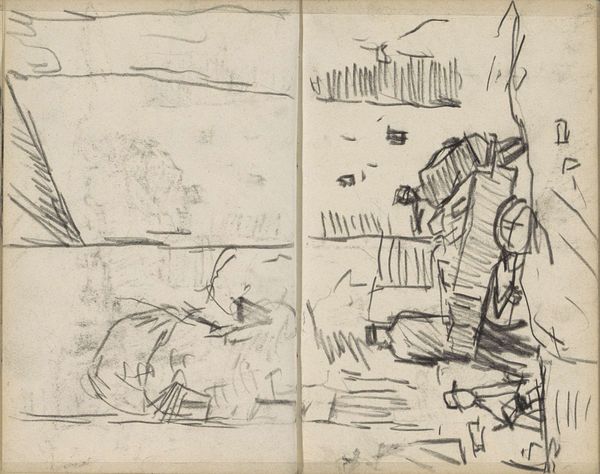
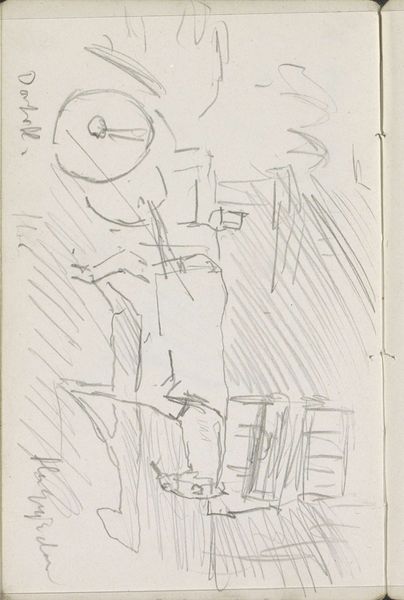
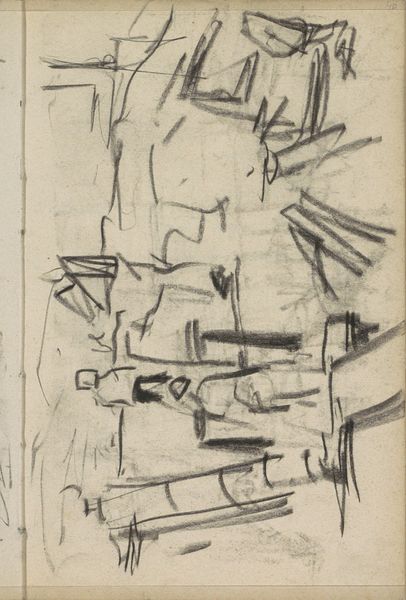
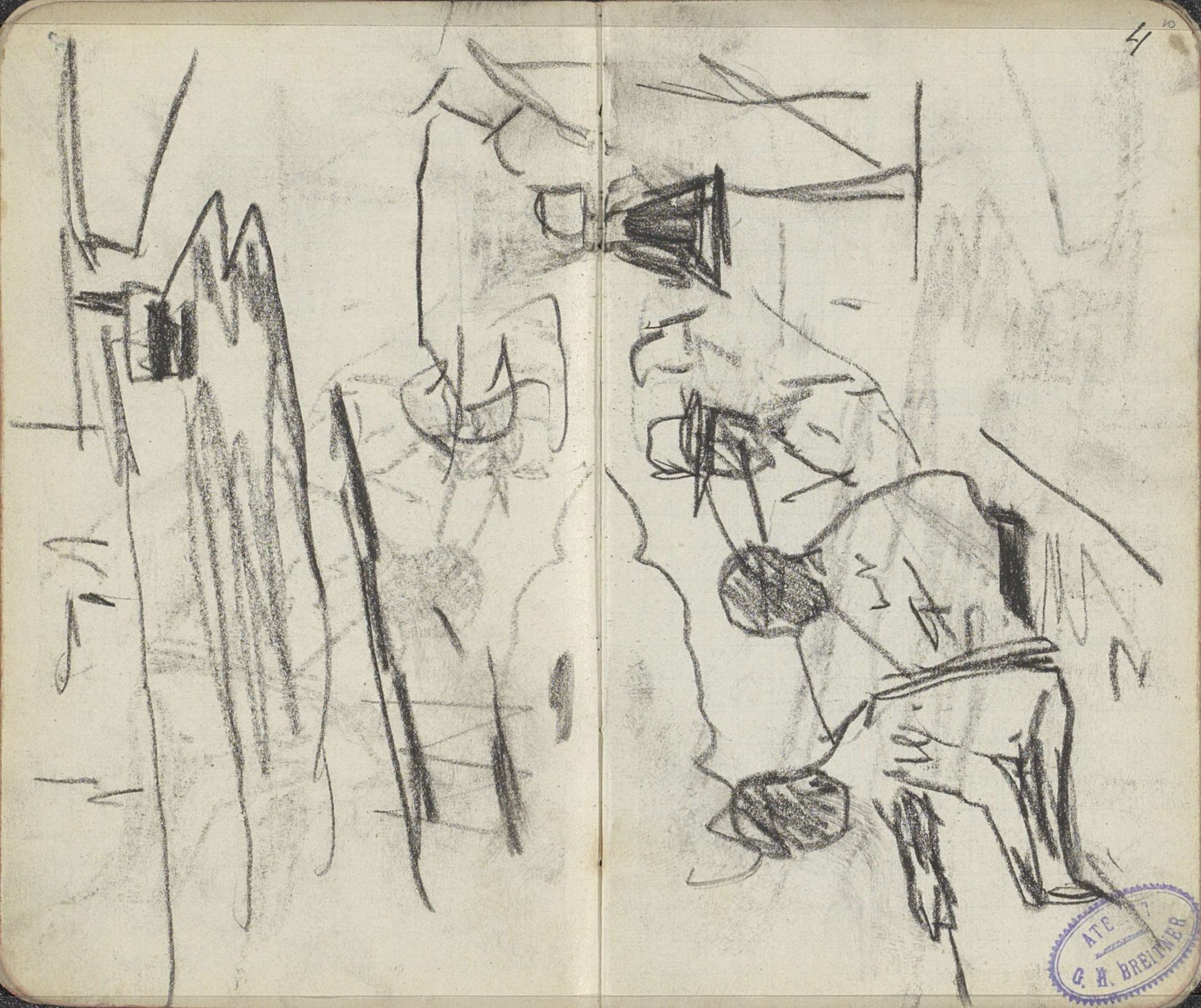
George Hendrik Breitner made this sketch, "Zittende mannen, mogelijk op een kade," which translates to "Sitting men, possibly on a quay," some time before his death in 1923. Breitner lived and worked in Amsterdam during a period of rapid urbanization and social change. The sketch offers a glimpse into the lives of working-class men, possibly dockworkers, in the Netherlands. Breitner's choice to depict these figures reflects a broader artistic interest in capturing the realities of everyday life, particularly those of marginalized communities. There is a raw, unpolished quality to the work, mirroring the harsh realities of the lives depicted. The artist often sought to capture fleeting moments and scenes from modern urban life. What emotions or thoughts does this simple sketch evoke in you? Does it make you reflect on the lives of ordinary people and the world around you?
Zittende mannen, mogelijk op een kade
1896

George Hendrik Breitner
1857 - 1923Location
RijksmuseumArtwork details
- Location
- Rijksmuseum
- Copyright
- Rijks Museum: Open Domain
Comments
Be the first to share your thoughts about this work.
About this artwork
George Hendrik Breitner made this sketch, "Zittende mannen, mogelijk op een kade," which translates to "Sitting men, possibly on a quay," some time before his death in 1923. Breitner lived and worked in Amsterdam during a period of rapid urbanization and social change. The sketch offers a glimpse into the lives of working-class men, possibly dockworkers, in the Netherlands. Breitner's choice to depict these figures reflects a broader artistic interest in capturing the realities of everyday life, particularly those of marginalized communities. There is a raw, unpolished quality to the work, mirroring the harsh realities of the lives depicted. The artist often sought to capture fleeting moments and scenes from modern urban life. What emotions or thoughts does this simple sketch evoke in you? Does it make you reflect on the lives of ordinary people and the world around you?
Comments
Be the first to share your thoughts about this work.