About this artwork
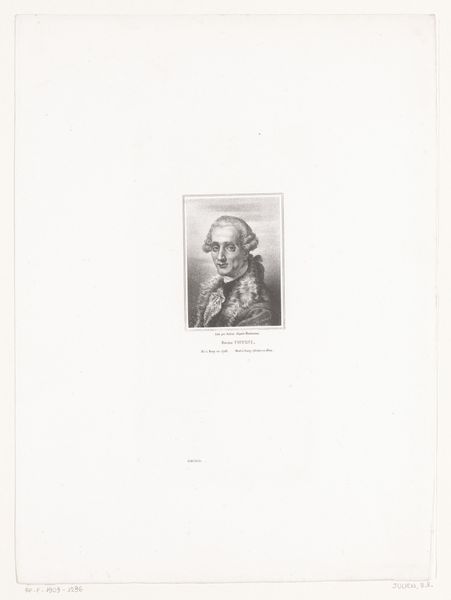
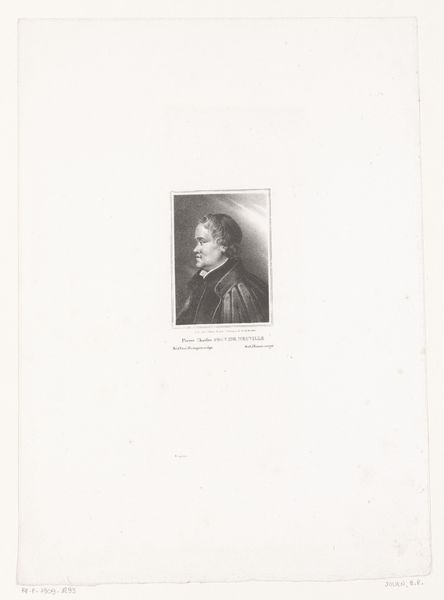
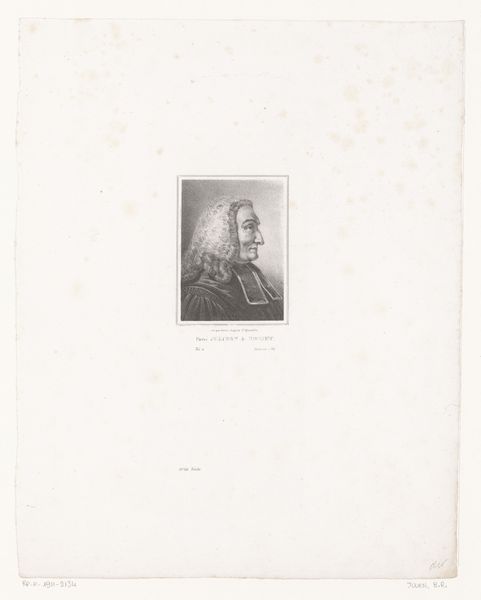
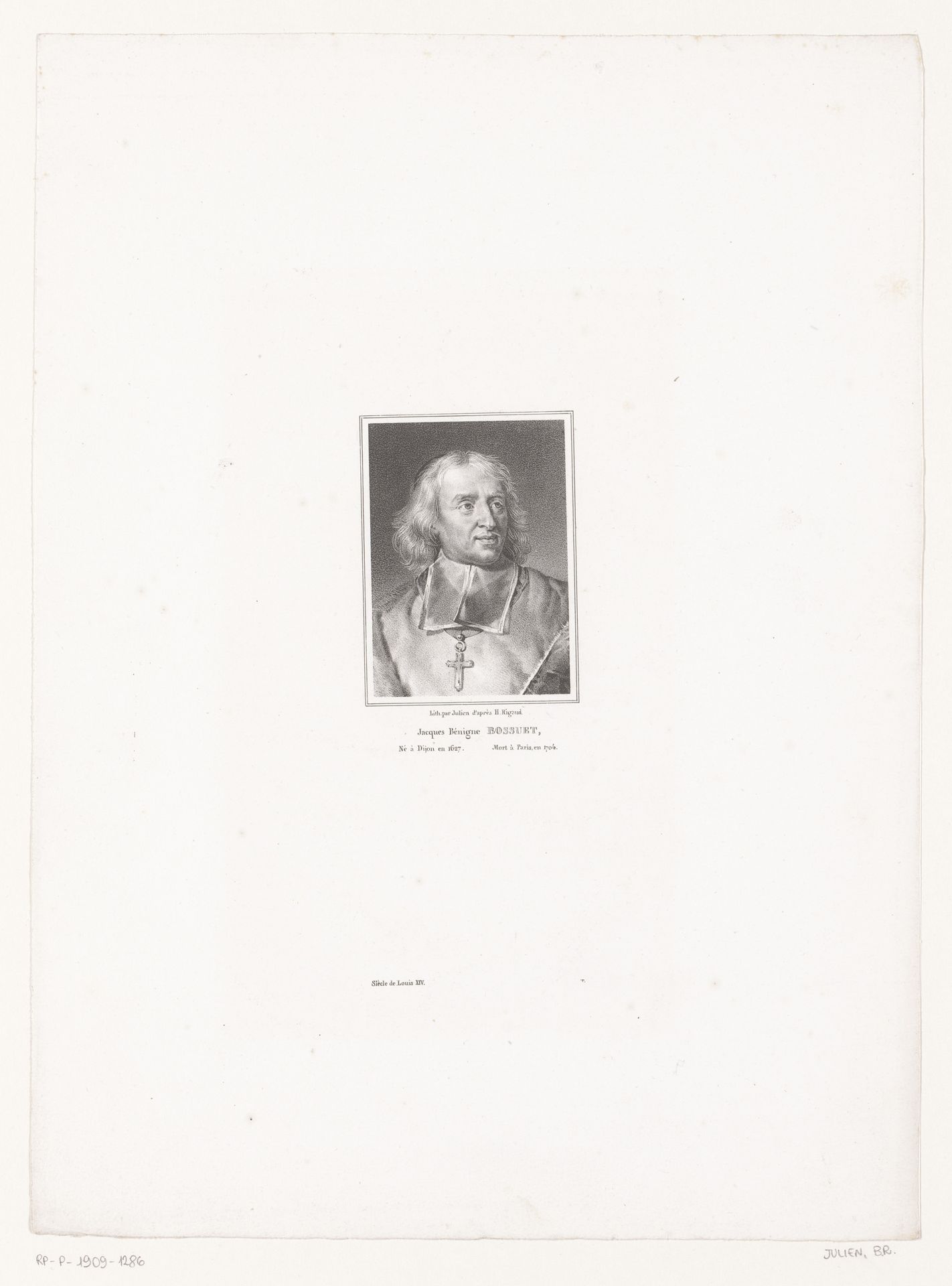
Bernard Romain Julien created this print of Jacques-Bénigne Bossuet sometime before 1871, now held at the Rijksmuseum. Bossuet, a towering figure in 17th-century France, was not only a bishop and theologian but also a powerful voice in the court of Louis XIV. This portrait captures Bossuet’s gravitas, yet it’s important to remember the historical and social contexts that shaped such a figure. As a staunch advocate for the divine right of kings, Bossuet’s influence extended into the political realm, impacting the lives of countless individuals, particularly those of lower social classes. His sermons and writings offer insights into the religious and political ideologies of the time, revealing both the grandeur and the inequalities of the era. Consider how portraits like these immortalize figures of authority, shaping our understanding of history and power. Reflect on the complexities inherent in such representations.

Artwork details
- Medium
- drawing, paper, engraving
- Dimensions
- height 333 mm, width 246 mm
- Location
- Rijksmuseum
- Copyright
- Rijks Museum: Open Domain
Tags
portrait
pencil drawn
drawing
neoclacissism
light pencil work
pencil sketch
old engraving style
paper
pencil drawing
pencil work
engraving
Comments
No comments
About this artwork
Bernard Romain Julien created this print of Jacques-Bénigne Bossuet sometime before 1871, now held at the Rijksmuseum. Bossuet, a towering figure in 17th-century France, was not only a bishop and theologian but also a powerful voice in the court of Louis XIV. This portrait captures Bossuet’s gravitas, yet it’s important to remember the historical and social contexts that shaped such a figure. As a staunch advocate for the divine right of kings, Bossuet’s influence extended into the political realm, impacting the lives of countless individuals, particularly those of lower social classes. His sermons and writings offer insights into the religious and political ideologies of the time, revealing both the grandeur and the inequalities of the era. Consider how portraits like these immortalize figures of authority, shaping our understanding of history and power. Reflect on the complexities inherent in such representations.
Comments
No comments