About this artwork
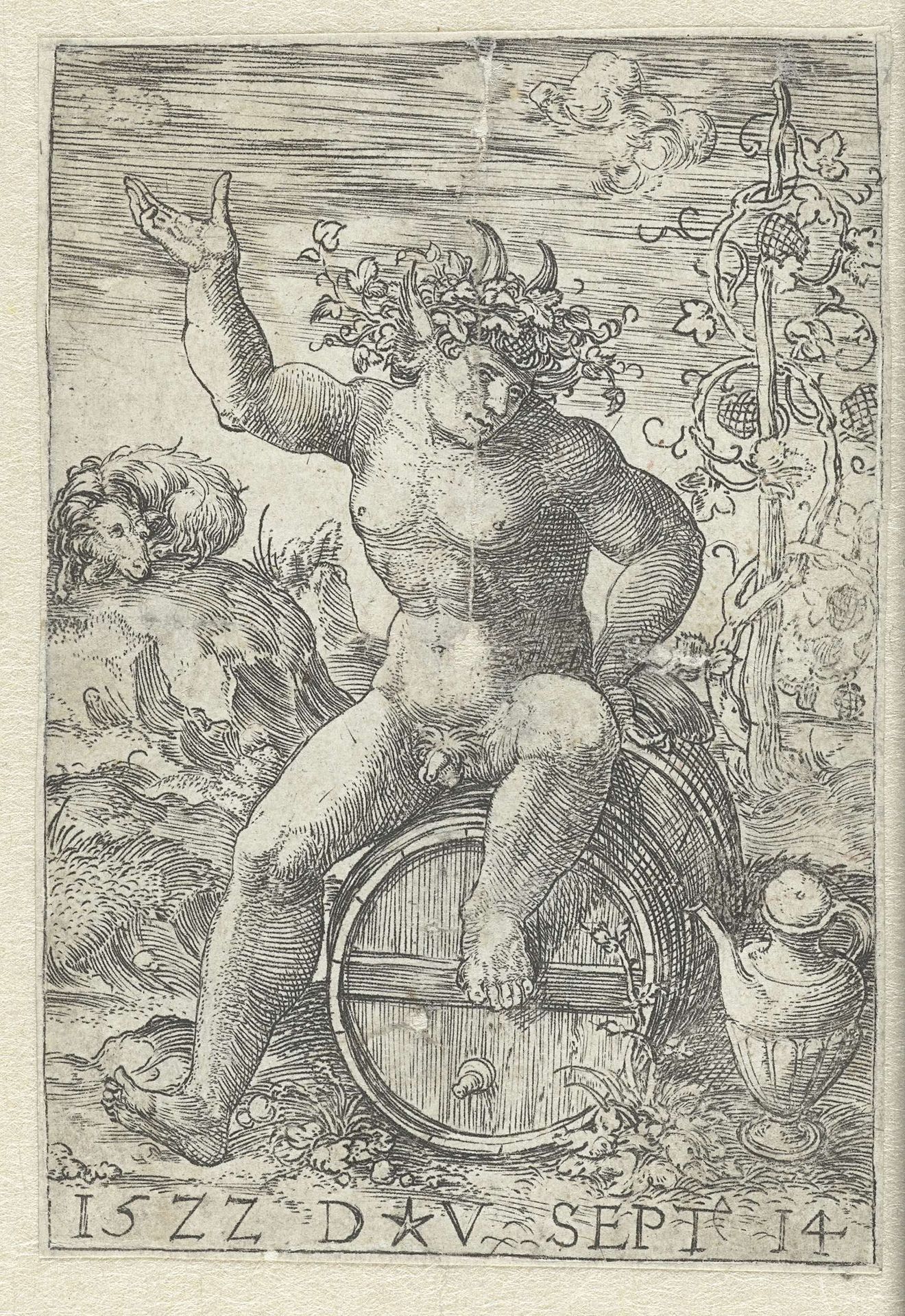
This etching by Romeyn de Hooghe was made in 1674, and is an allegory of the hereditary stewardship offered to the Prince of Orange. De Hooghe situates us in a Dutch Republic undergoing significant political shifts. The work blends classical and political symbolism to comment on the era’s power dynamics. We see Bacchus, the Roman god of wine, sitting atop a barrel. Note the lion, symbol of the Dutch Republic, with its head resting on the barrel. This imagery evokes themes of prosperity and leadership, yet it also hints at the complex negotiations around power and succession. The decision to offer hereditary stewardship to the Prince of Orange reflects a desire for stability, but also potentially undermines republican ideals. Consider how De Hooghe uses classical figures to legitimize contemporary political events, creating an opportunity to reflect on the emotional and political investments in leadership and national identity.
Allegorie op de erfstadhouderschap aangeboden aan de prins van Oranje, 1674
1674

Romeyn de Hooghe
1645 - 1708Location
RijksmuseumArtwork details
- Medium
- etching, engraving
- Dimensions
- height 240 mm, width 346 mm, height 300 mm, width 361 mm
- Location
- Rijksmuseum
- Copyright
- Rijks Museum: Open Domain
Tags
Comments
Share your thoughts
About this artwork
This etching by Romeyn de Hooghe was made in 1674, and is an allegory of the hereditary stewardship offered to the Prince of Orange. De Hooghe situates us in a Dutch Republic undergoing significant political shifts. The work blends classical and political symbolism to comment on the era’s power dynamics. We see Bacchus, the Roman god of wine, sitting atop a barrel. Note the lion, symbol of the Dutch Republic, with its head resting on the barrel. This imagery evokes themes of prosperity and leadership, yet it also hints at the complex negotiations around power and succession. The decision to offer hereditary stewardship to the Prince of Orange reflects a desire for stability, but also potentially undermines republican ideals. Consider how De Hooghe uses classical figures to legitimize contemporary political events, creating an opportunity to reflect on the emotional and political investments in leadership and national identity.
Comments
Share your thoughts