About this artwork
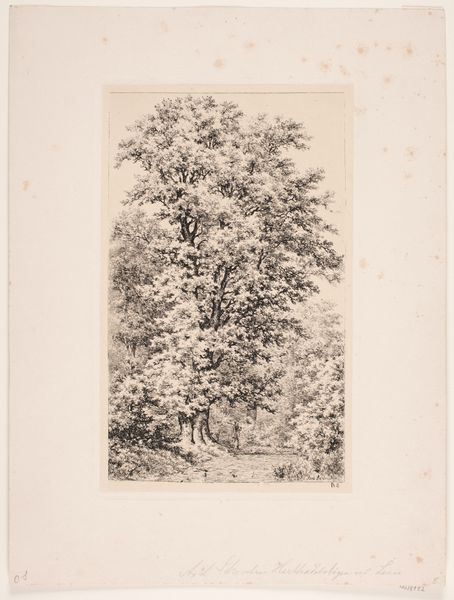
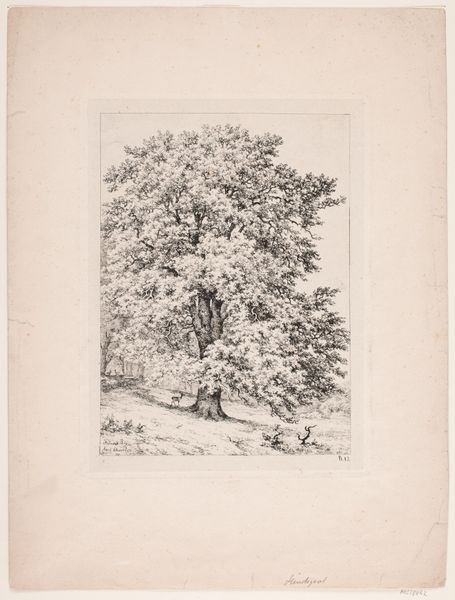
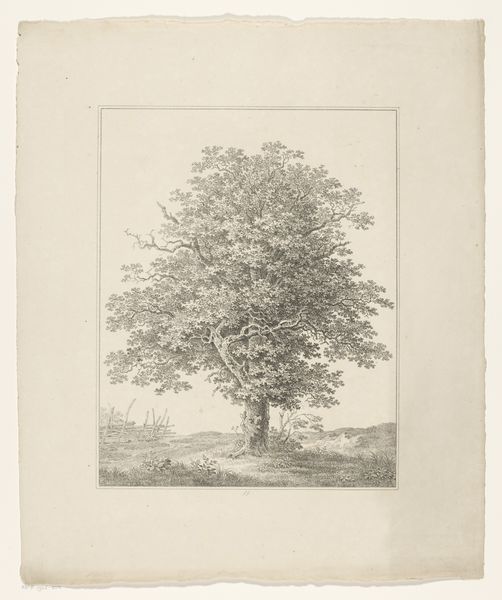
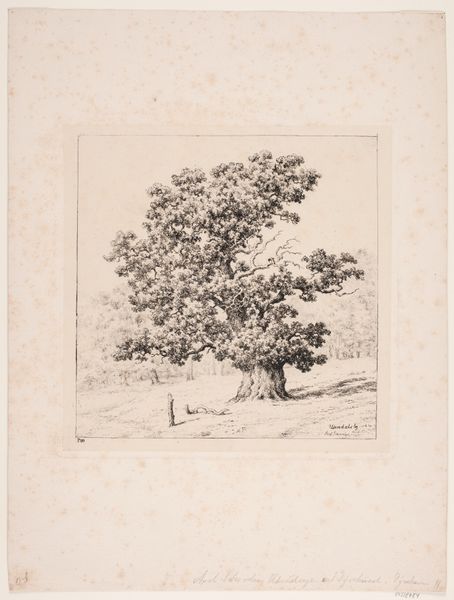
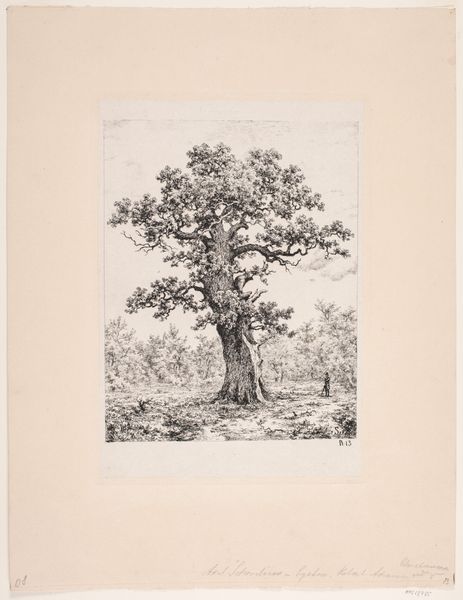
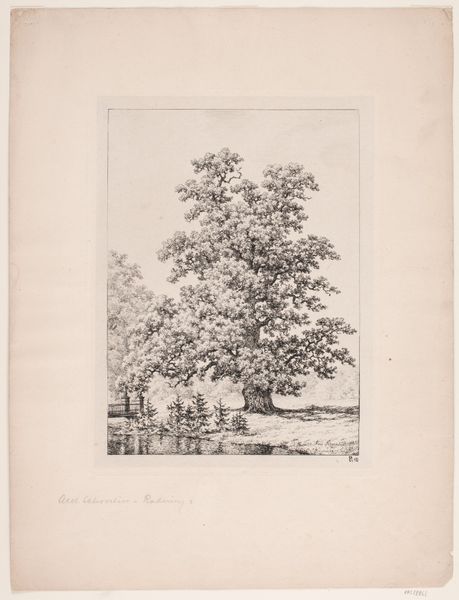
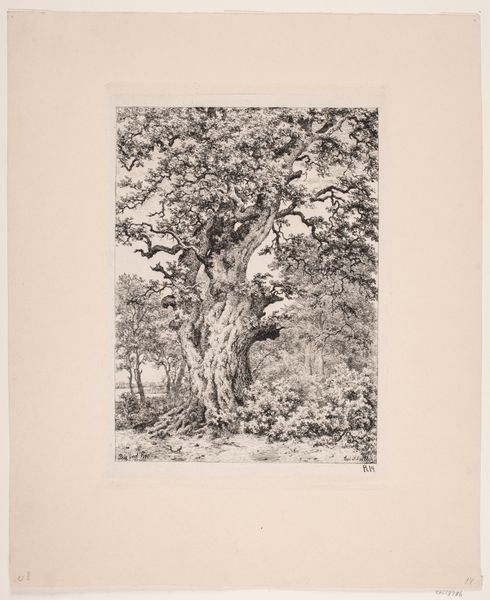
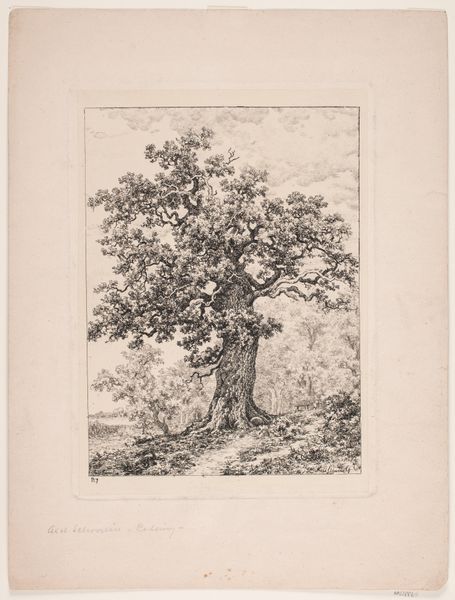
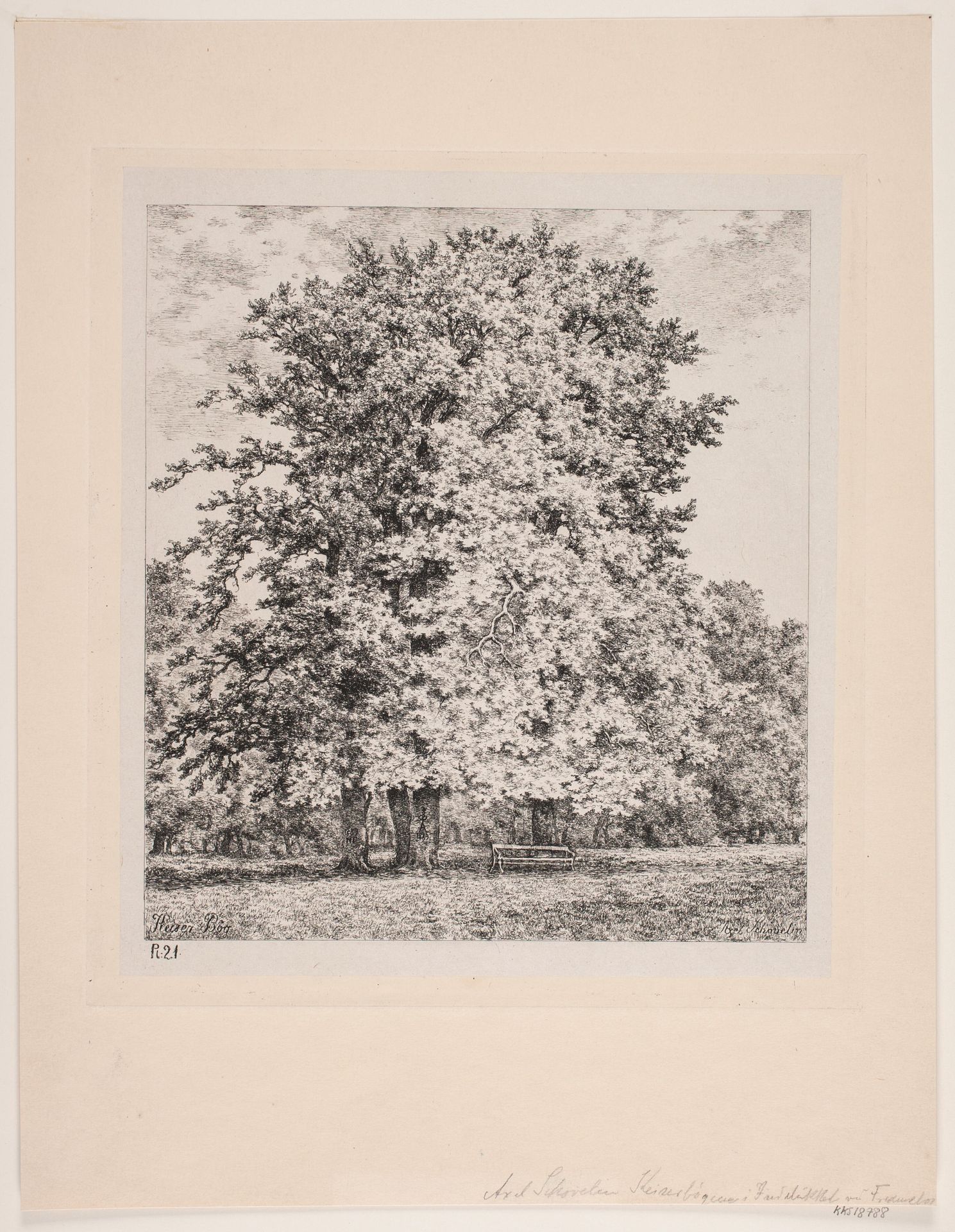
Axel Schovelin created this etching, Kejser bøgen. Fredensborg, the 'Emperor Beech at Fredensborg', in Denmark. It depicts a large tree in a park-like setting. The attention to detail elevates the natural world. During the 19th century, the genre of landscape art rose in prominence. It's a celebration of nature but also a reflection of national identity, particularly in countries like Denmark where cultural identity is closely tied to the land. The location, Fredensborg, is significant. The Fredensborg Palace is a royal residence, so the tree itself takes on symbolic meaning, perhaps representing stability, longevity, and the deep roots of the monarchy. The institutions of both the monarchy and the art world were deeply intertwined. Artists often relied on royal patronage. To understand this work better, we might look into the history of Fredensborg Palace, the role of landscape in Danish national identity, and the patronage system that supported artists like Schovelin.
Kejser bøgen. Fredensborg
1891


Artwork details
- Medium
- drawing, print, etching, engraving
- Dimensions
- 275 mm (height) x 250 mm (width) (plademaal)
- Location
- SMK - Statens Museum for Kunst
Tags
Comments
Share your thoughts
About this artwork
Axel Schovelin created this etching, Kejser bøgen. Fredensborg, the 'Emperor Beech at Fredensborg', in Denmark. It depicts a large tree in a park-like setting. The attention to detail elevates the natural world. During the 19th century, the genre of landscape art rose in prominence. It's a celebration of nature but also a reflection of national identity, particularly in countries like Denmark where cultural identity is closely tied to the land. The location, Fredensborg, is significant. The Fredensborg Palace is a royal residence, so the tree itself takes on symbolic meaning, perhaps representing stability, longevity, and the deep roots of the monarchy. The institutions of both the monarchy and the art world were deeply intertwined. Artists often relied on royal patronage. To understand this work better, we might look into the history of Fredensborg Palace, the role of landscape in Danish national identity, and the patronage system that supported artists like Schovelin.
Comments
Share your thoughts