About this artwork
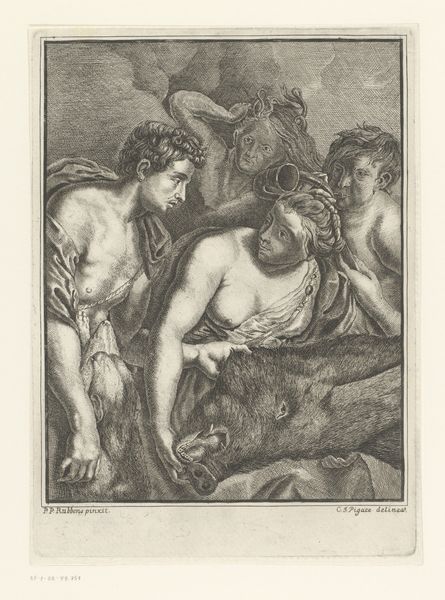
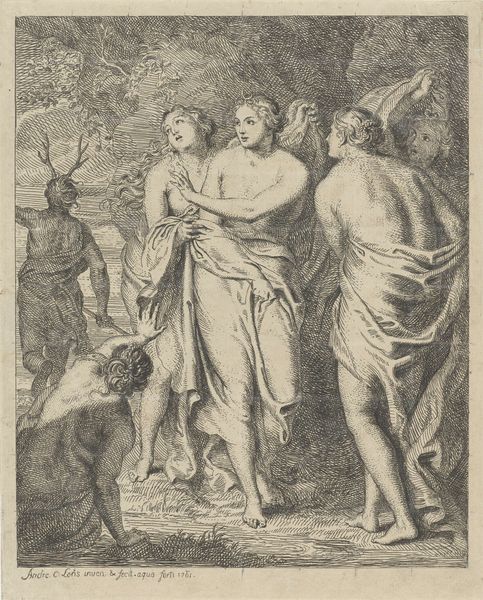
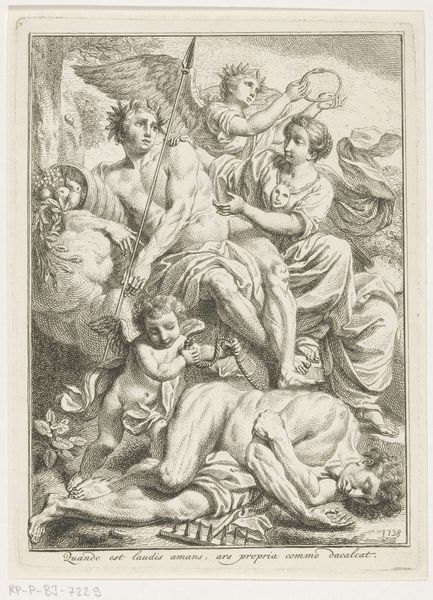
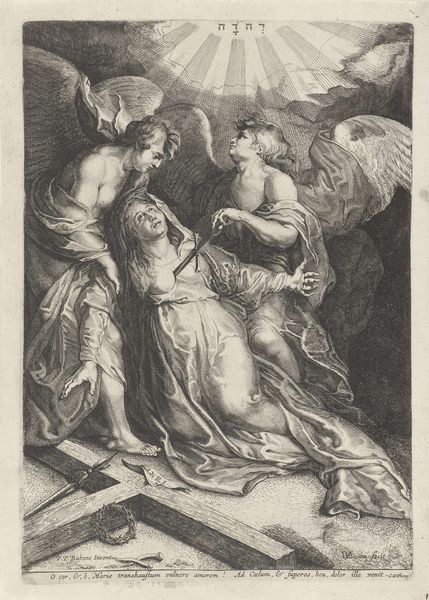
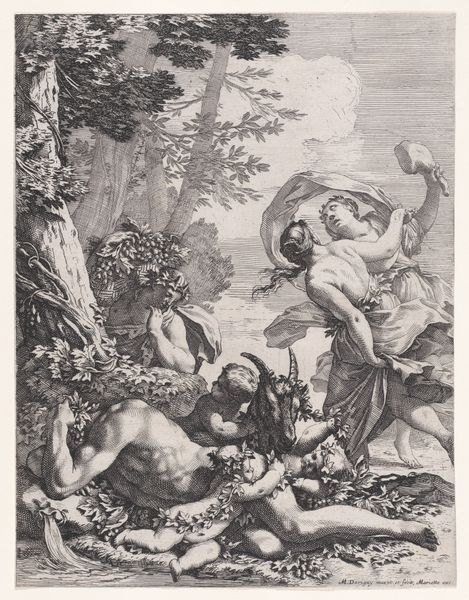
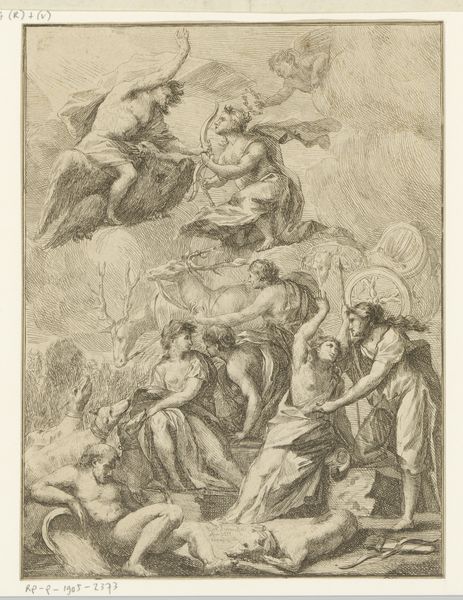
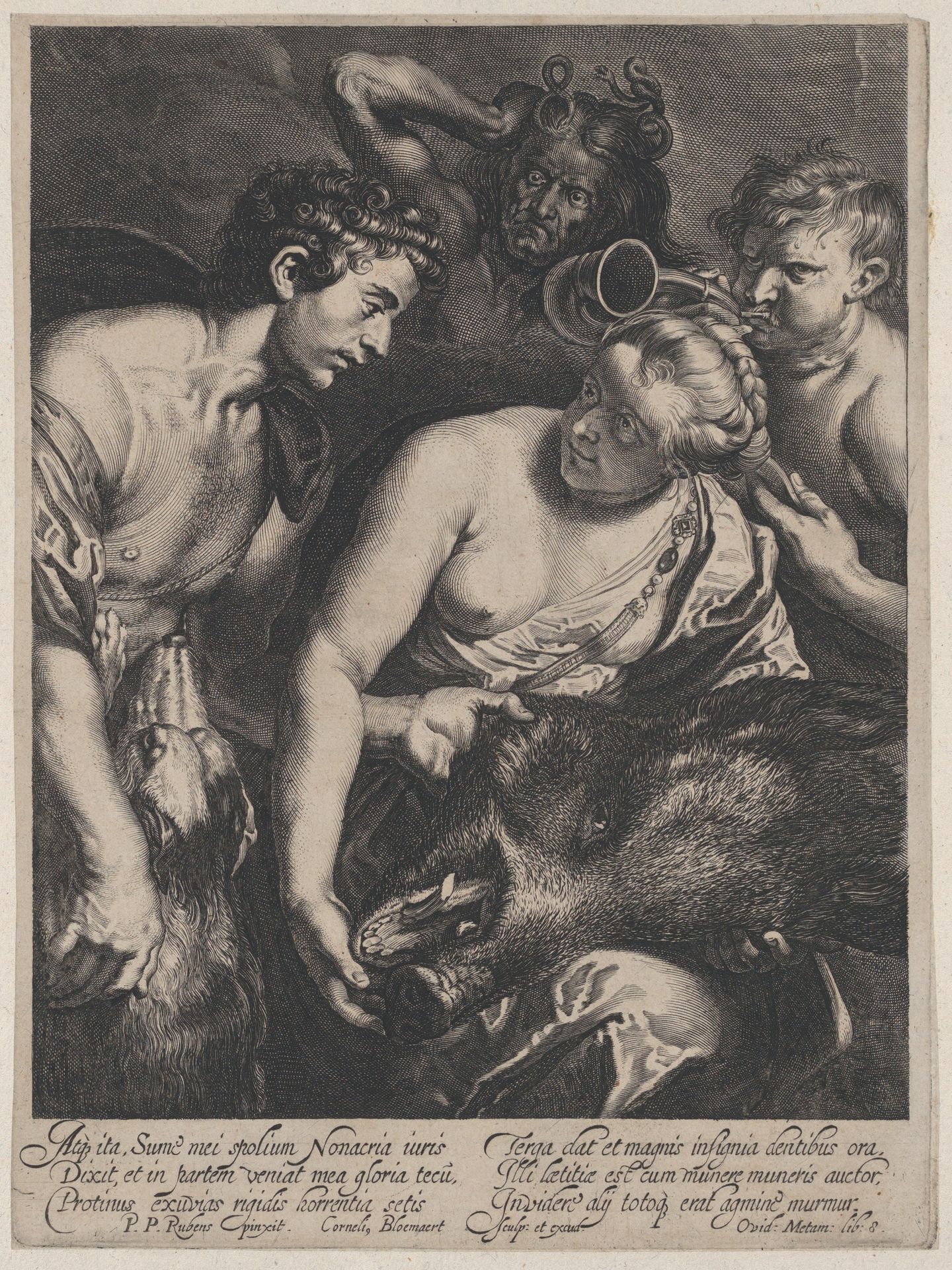
This engraving, Atalanta and Meleager, was created by Cornelis Bloemaert in the Netherlands, sometime in the 17th century. It shows a scene from Ovid's Metamorphoses, a story of a wild boar hunt where Atalanta, a female huntress, draws first blood. Bloemaert’s focus on classical literature reflects the period's humanistic values and the social currency of education and knowledge of the classics. But there is also a political dimension to this print. In the context of the Dutch Republic's struggle for independence from Spain, classical imagery offered a way to express civic pride and republican ideals. Heroes and heroines from antiquity served as models for virtuous leadership and resistance to tyranny. To understand this artwork fully, we need to consider the history of printmaking in the Netherlands, the role of classical education in shaping artistic taste, and the political symbolism embedded in mythological narratives. It reminds us that art is always embedded in specific social, cultural, and institutional contexts.
Atalanta and Meleager
1618 - 1684


Artwork details
- Medium
- drawing, print, engraving
- Dimensions
- Sheet (Trimmed): 9 in. × 6 3/4 in. (22.8 × 17.1 cm)
- Location
- Metropolitan Museum of Art, New York, NY
- Copyright
- Public Domain
Tags
Comments
Share your thoughts
About this artwork
This engraving, Atalanta and Meleager, was created by Cornelis Bloemaert in the Netherlands, sometime in the 17th century. It shows a scene from Ovid's Metamorphoses, a story of a wild boar hunt where Atalanta, a female huntress, draws first blood. Bloemaert’s focus on classical literature reflects the period's humanistic values and the social currency of education and knowledge of the classics. But there is also a political dimension to this print. In the context of the Dutch Republic's struggle for independence from Spain, classical imagery offered a way to express civic pride and republican ideals. Heroes and heroines from antiquity served as models for virtuous leadership and resistance to tyranny. To understand this artwork fully, we need to consider the history of printmaking in the Netherlands, the role of classical education in shaping artistic taste, and the political symbolism embedded in mythological narratives. It reminds us that art is always embedded in specific social, cultural, and institutional contexts.
Comments
Share your thoughts