About this artwork
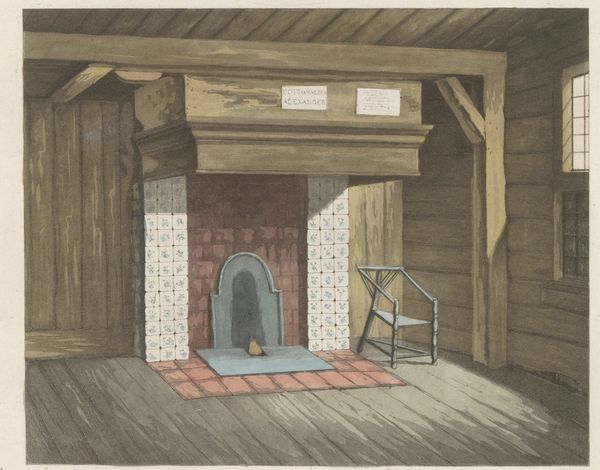
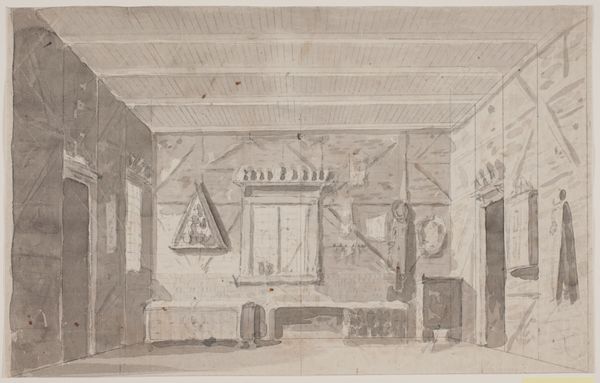
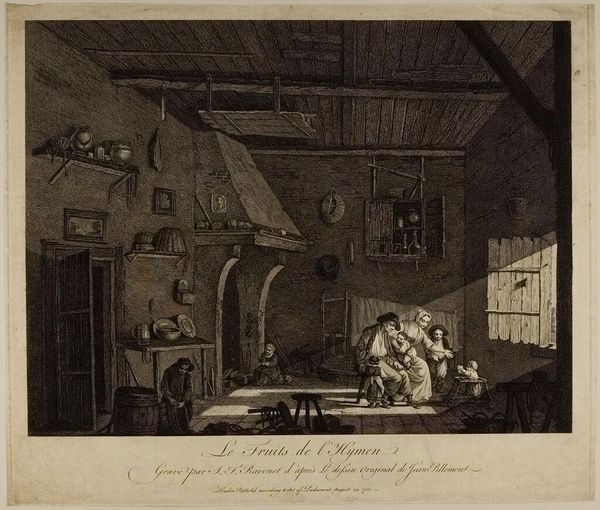
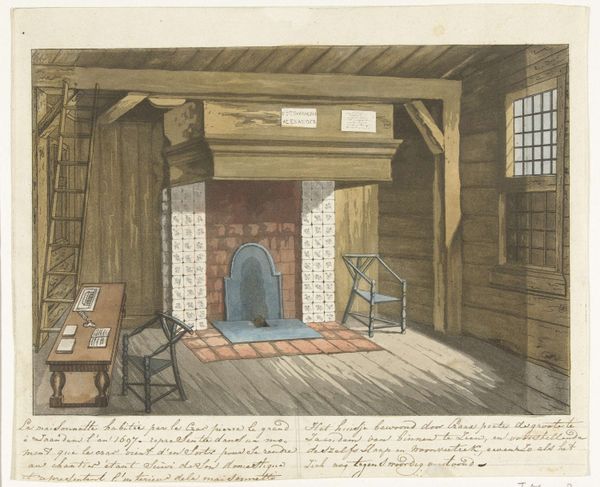
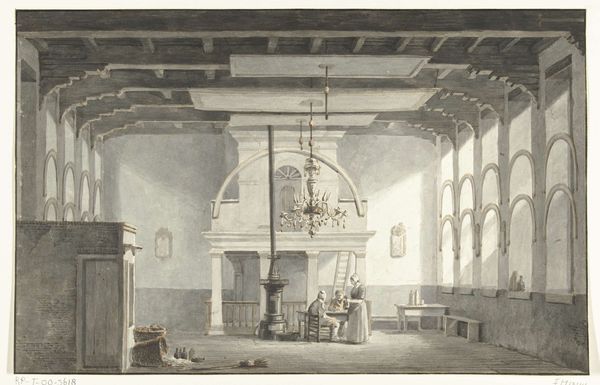
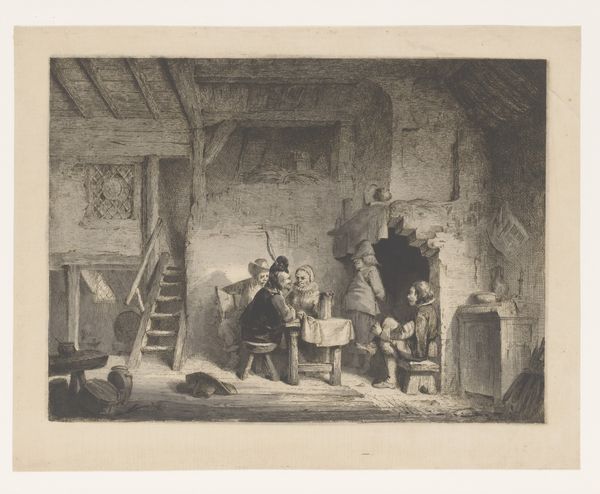
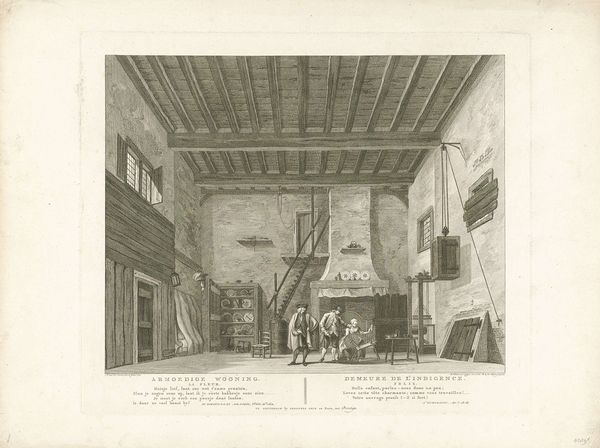
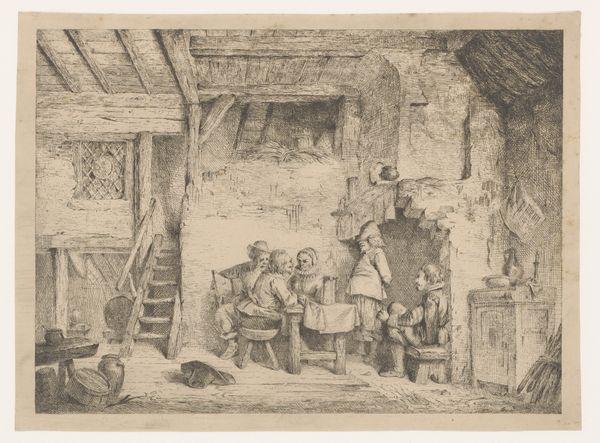
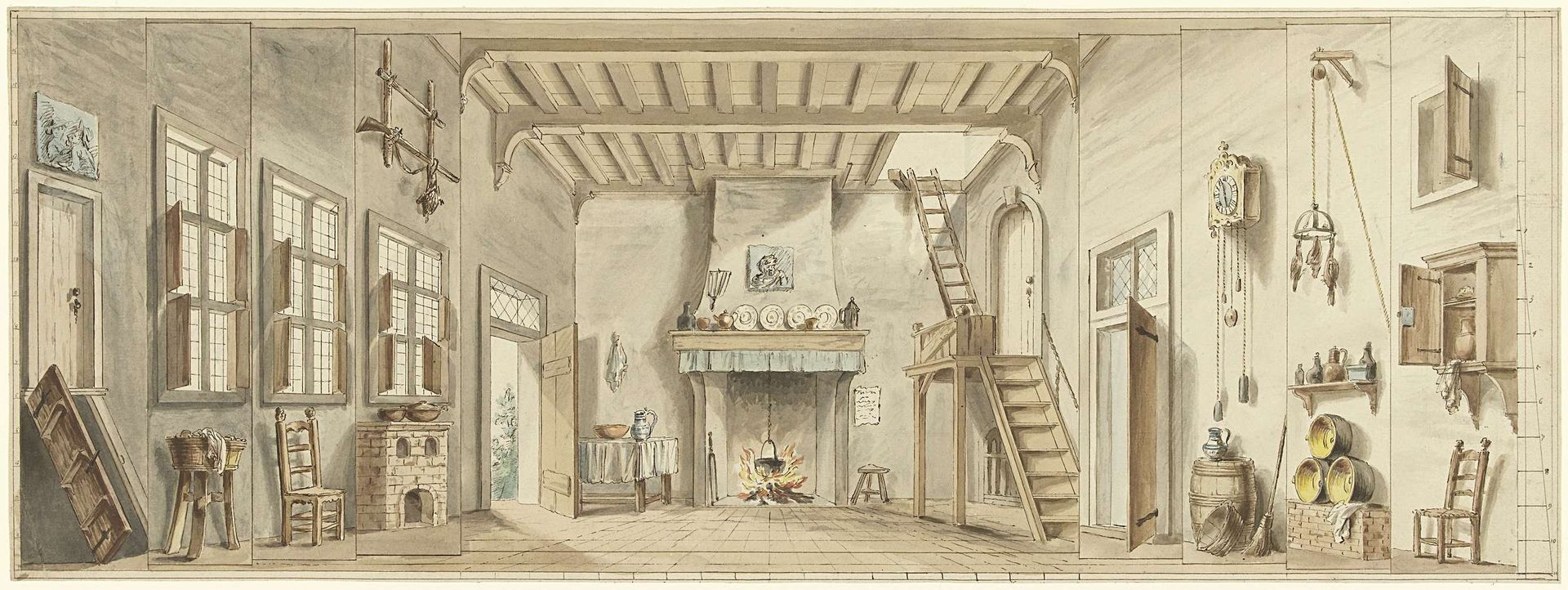
This stage set design for the Flemish opera 'Het Kapertje', or 'The Little Privateer', was made with pen and watercolor by Pieter Barbiers around the turn of the 19th century. The drawing brings together craft and fine art, showing a comfortable domestic interior. The emphasis is on everyday objects – wooden furniture, barrels, and crockery – all carefully depicted. The room feels inhabited, not grand. You can almost smell the firewood burning in the hearth. The drawing would have been made in a workshop, with Barbiers leading a team of artisans to construct the scenery, based on this initial concept. Think about the labor involved in translating this two-dimensional design into a three-dimensional reality, the collaborative effort and skillful carpentry required to bring Barbiers' vision to life on stage. The design provides an insight into the material culture of the time. It reminds us that all theater is, at its heart, a form of making – a constructed reality, brought into being through skillful hands.
Ontwerp voor een toneeldecor voor de Vlaamse opera Het Kapertje
1782 - 1837

Pieter Bartholomeusz. Barbiers
1772 - 1837Location
RijksmuseumArtwork details
- Medium
- drawing, paper, ink
- Dimensions
- height 222 mm, width 600 mm
- Location
- Rijksmuseum
- Copyright
- Rijks Museum: Open Domain
Tags
Comments
Share your thoughts
About this artwork
This stage set design for the Flemish opera 'Het Kapertje', or 'The Little Privateer', was made with pen and watercolor by Pieter Barbiers around the turn of the 19th century. The drawing brings together craft and fine art, showing a comfortable domestic interior. The emphasis is on everyday objects – wooden furniture, barrels, and crockery – all carefully depicted. The room feels inhabited, not grand. You can almost smell the firewood burning in the hearth. The drawing would have been made in a workshop, with Barbiers leading a team of artisans to construct the scenery, based on this initial concept. Think about the labor involved in translating this two-dimensional design into a three-dimensional reality, the collaborative effort and skillful carpentry required to bring Barbiers' vision to life on stage. The design provides an insight into the material culture of the time. It reminds us that all theater is, at its heart, a form of making – a constructed reality, brought into being through skillful hands.
Comments
Share your thoughts