About this artwork
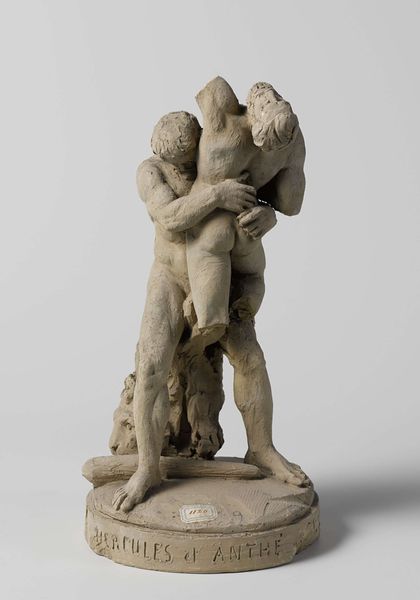
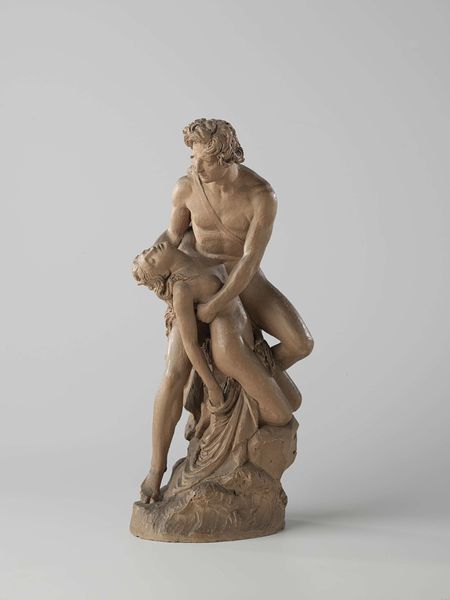
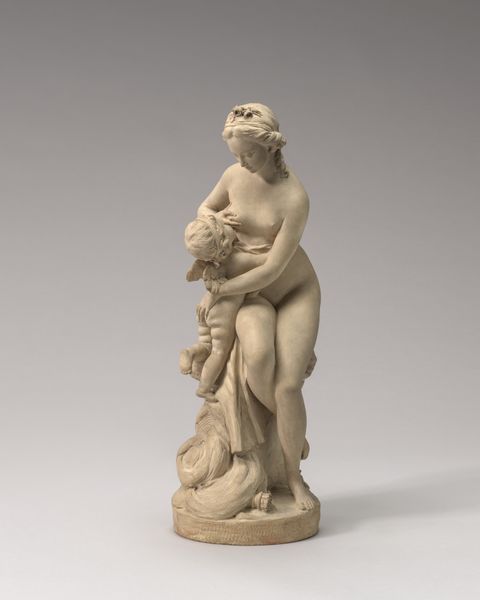
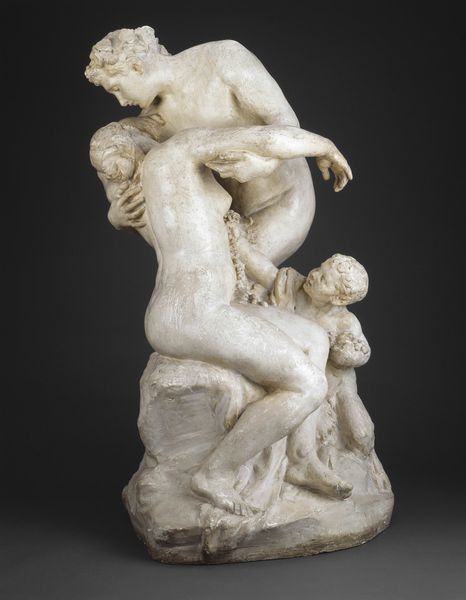
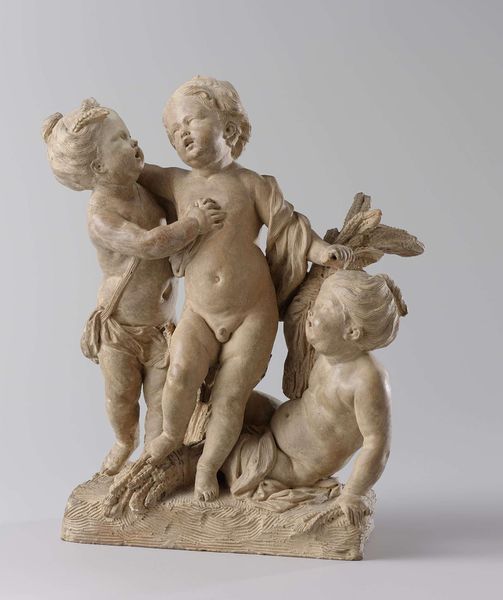
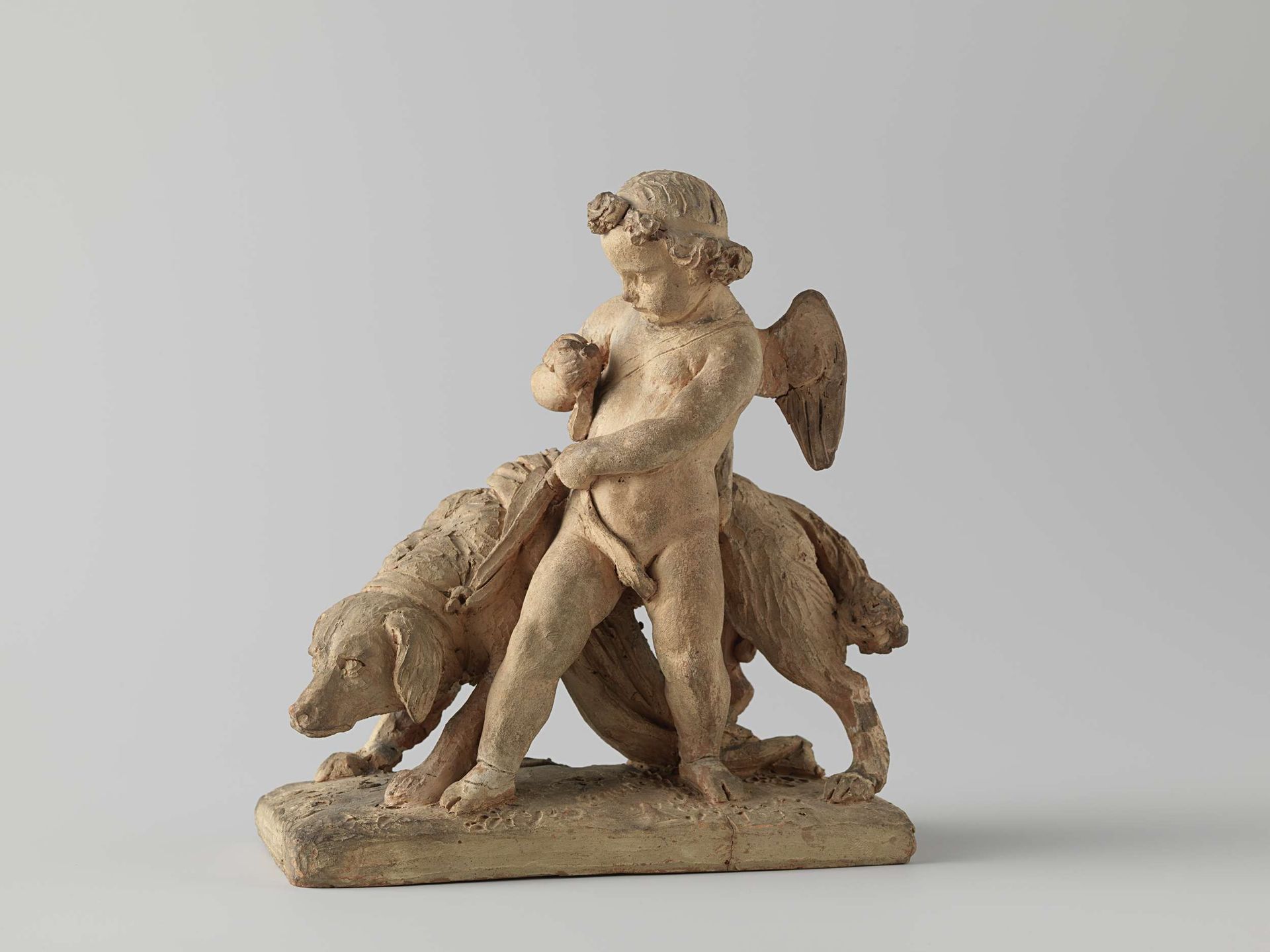
This terracotta sculpture was crafted by Louis Royer and features Cupid, his wings announcing his divine nature, struggling to restrain a dog. This canine figure embodies the virtue of fidelity. But why is Cupid, the god of love, subduing faithfulness? The motif of Cupid appears throughout art history. In Roman antiquity, he was often portrayed as a mischievous figure, playing with the hearts of mortals and gods alike. However, this sculpture introduces a twist. Here, the symbolism suggests a more complex view of love, one where passion and fidelity are in conflict. Notice how the dog is leashed by Cupid, who restrains the animal. This motif is a striking reversal. It resonates with our own subconscious anxieties about love, trust, and the precarious balance between desire and commitment. The image is a potent reminder that these symbolic struggles are cyclical, resurfacing time and again across centuries.
Amor, de dwaze uitvallen van de Trouw verhinderd c. 1803 - 1868

Louis Royer
1793 - 1868Location
RijksmuseumArtwork details
- Medium
- sculpture, wood
- Dimensions
- height 19.6 cm, width 18.5 cm, depth 8.8 cm
- Location
- Rijksmuseum
- Copyright
- Rijks Museum: Open Domain
Tags
allegory
sculpture
figuration
sculpture
wood
genre-painting
academic-art
statue
Comments
No comments
About this artwork
This terracotta sculpture was crafted by Louis Royer and features Cupid, his wings announcing his divine nature, struggling to restrain a dog. This canine figure embodies the virtue of fidelity. But why is Cupid, the god of love, subduing faithfulness? The motif of Cupid appears throughout art history. In Roman antiquity, he was often portrayed as a mischievous figure, playing with the hearts of mortals and gods alike. However, this sculpture introduces a twist. Here, the symbolism suggests a more complex view of love, one where passion and fidelity are in conflict. Notice how the dog is leashed by Cupid, who restrains the animal. This motif is a striking reversal. It resonates with our own subconscious anxieties about love, trust, and the precarious balance between desire and commitment. The image is a potent reminder that these symbolic struggles are cyclical, resurfacing time and again across centuries.
Comments
No comments