About this artwork
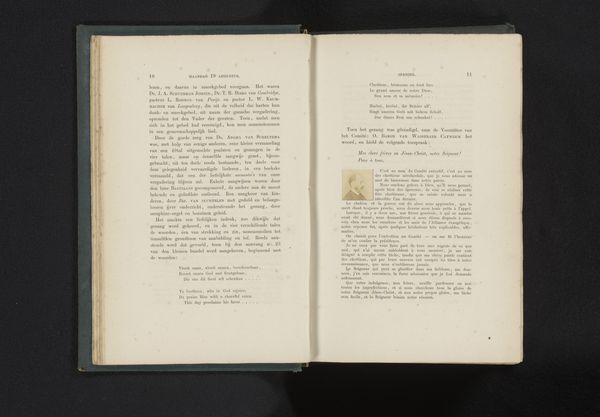
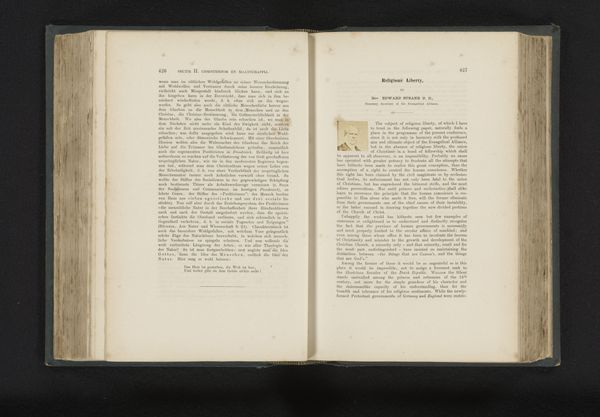
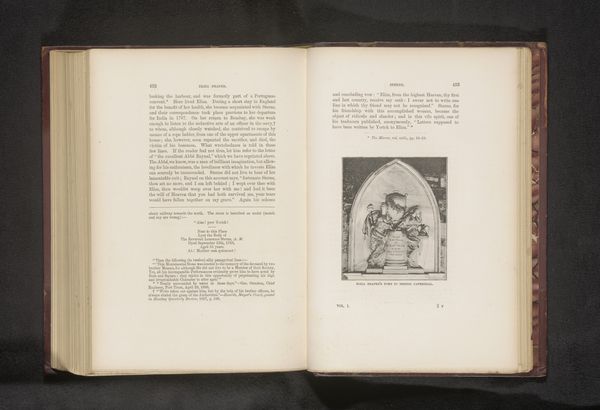
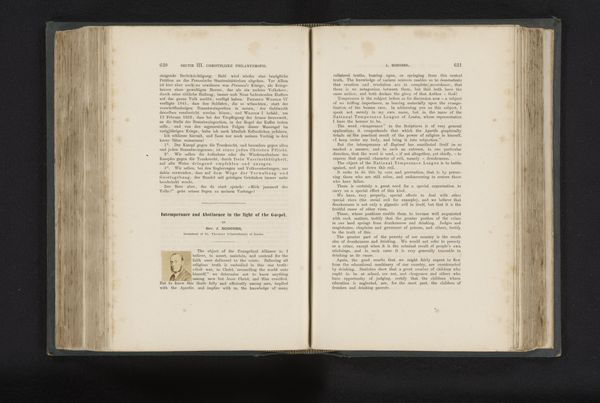
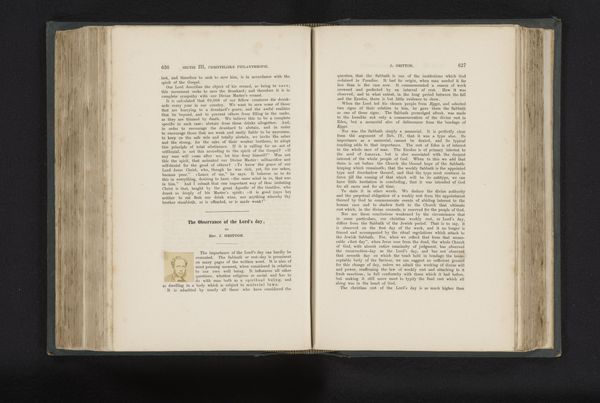
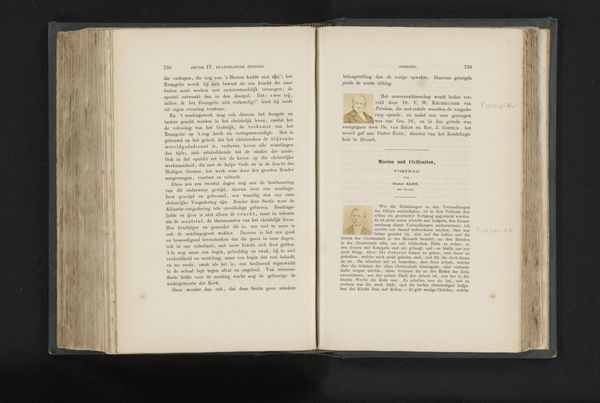
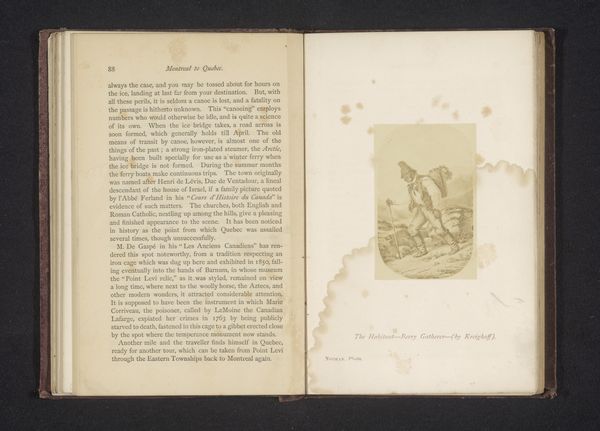
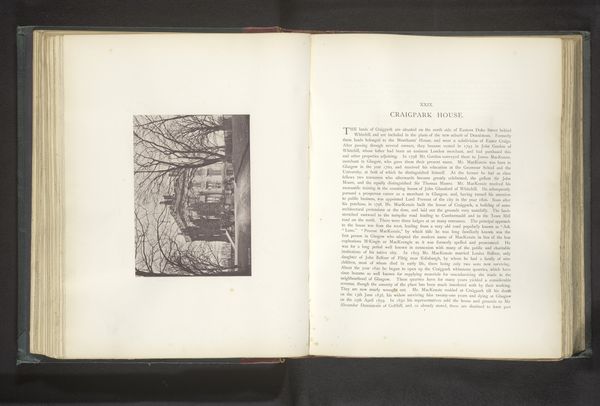
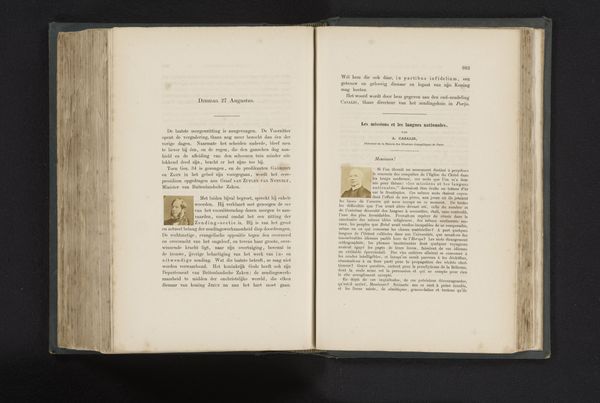
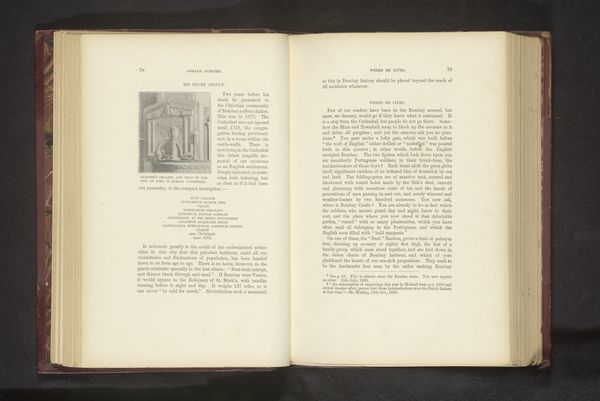
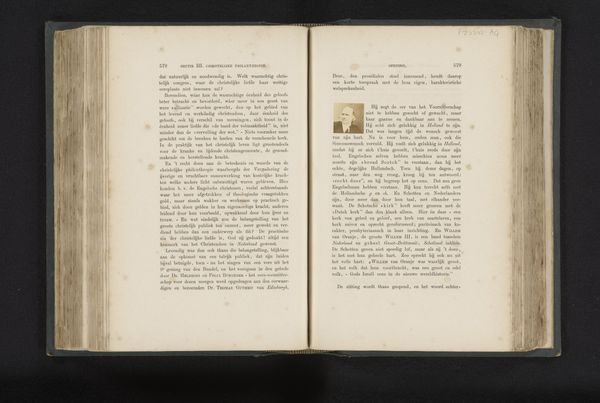
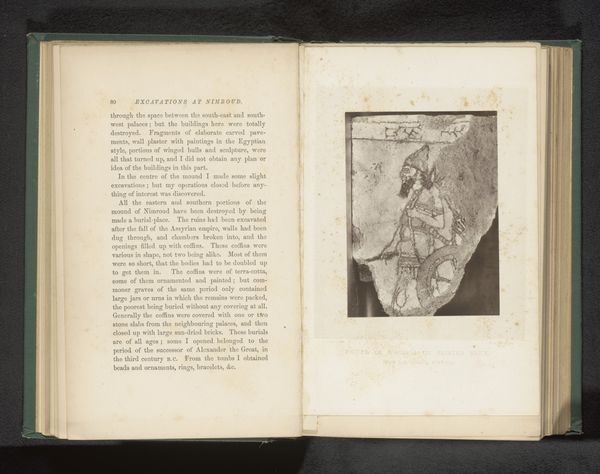
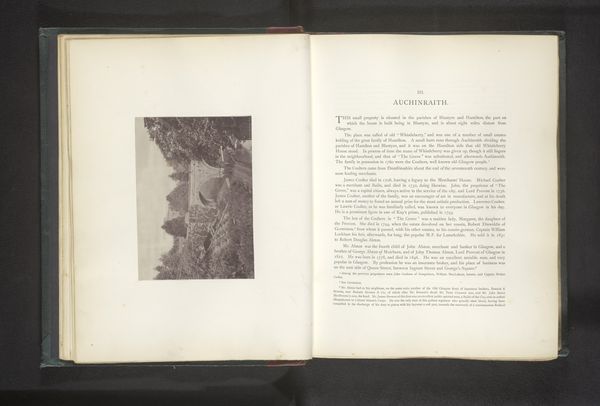
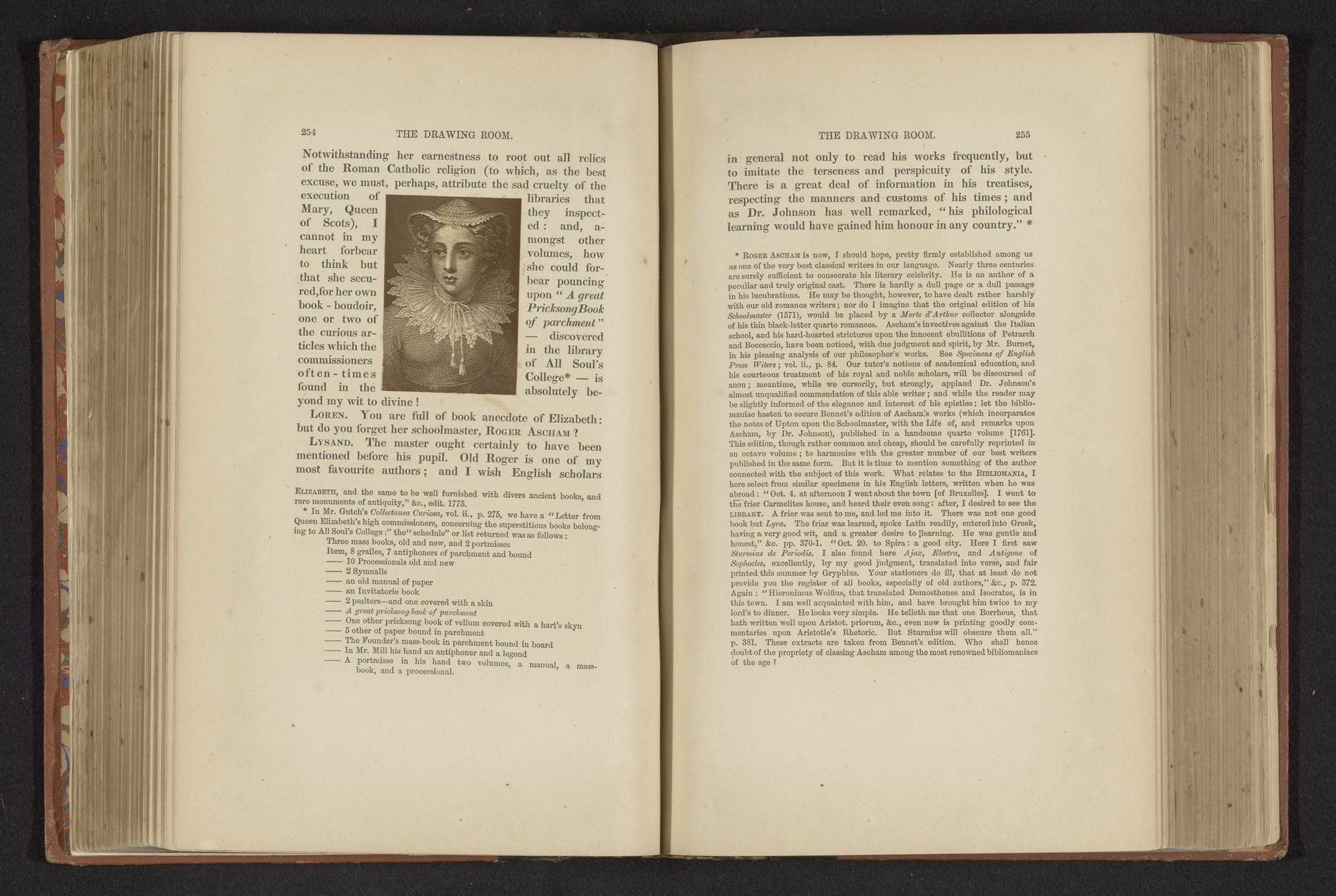
This is a photostatic reproduction of a portrait believed to be of Mary Stuart, also known as Mary, Queen of Scots. Although the artist is unknown, what we can say for sure is that it reflects the historical context of monarchy, religious conflict, and gendered power dynamics of the 16th century. Mary Stuart’s life was deeply intertwined with the politics of her time, marked by her claim to the Scottish throne, and her Catholic faith which put her at odds with the Protestant English monarchy. The portrait, regardless of its authenticity, reinforces the historical narratives and romanticism surrounding Mary, often portraying her as a tragic figure. This reproduction prompts us to think about how historical figures, particularly women in positions of power, are remembered, represented, and how their identities continue to shape the perception and interpretation of historical events. It encourages us to think about who gets remembered in history, and how those memories are passed down.
Fotoreproductie van een portret van vermoedelijk Maria I Stuart before 1876

Artwork details
- Medium
- Dimensions
- height 60 mm, width 41 mm
- Copyright
- Rijks Museum: Open Domain
Tags
portrait
medieval
history-painting
Comments
No comments
About this artwork
This is a photostatic reproduction of a portrait believed to be of Mary Stuart, also known as Mary, Queen of Scots. Although the artist is unknown, what we can say for sure is that it reflects the historical context of monarchy, religious conflict, and gendered power dynamics of the 16th century. Mary Stuart’s life was deeply intertwined with the politics of her time, marked by her claim to the Scottish throne, and her Catholic faith which put her at odds with the Protestant English monarchy. The portrait, regardless of its authenticity, reinforces the historical narratives and romanticism surrounding Mary, often portraying her as a tragic figure. This reproduction prompts us to think about how historical figures, particularly women in positions of power, are remembered, represented, and how their identities continue to shape the perception and interpretation of historical events. It encourages us to think about who gets remembered in history, and how those memories are passed down.
Comments
No comments