About this artwork
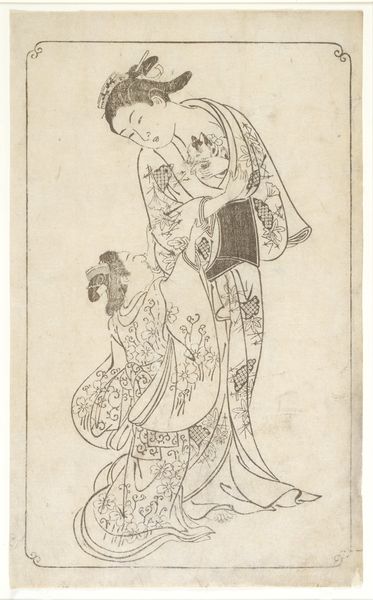
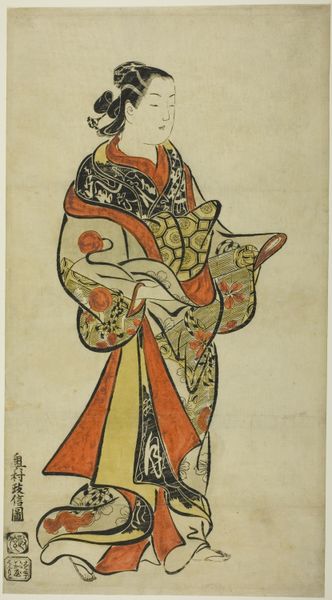
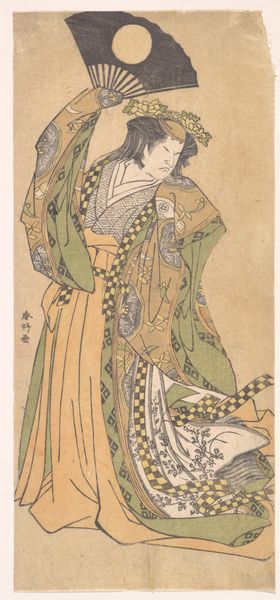
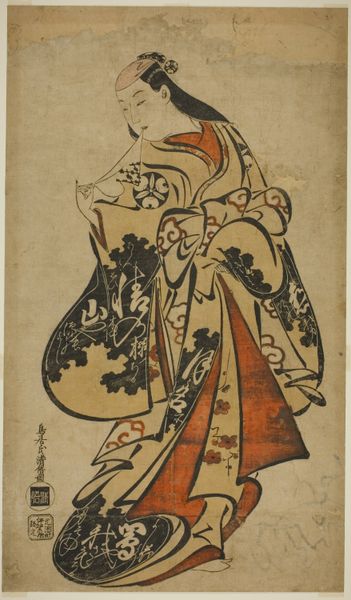
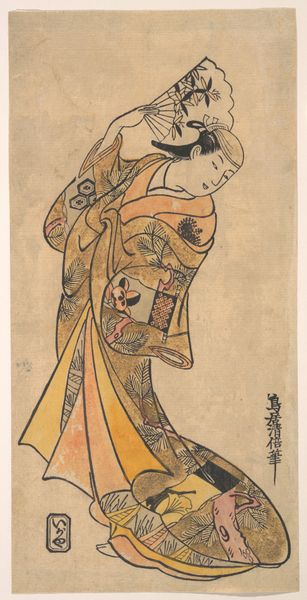
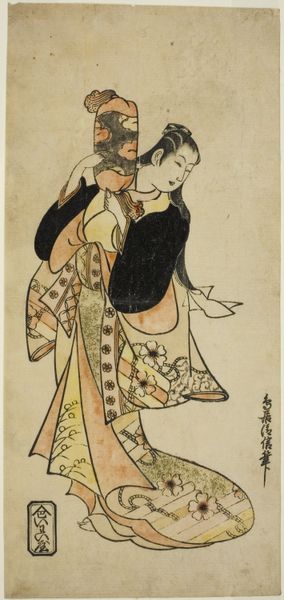
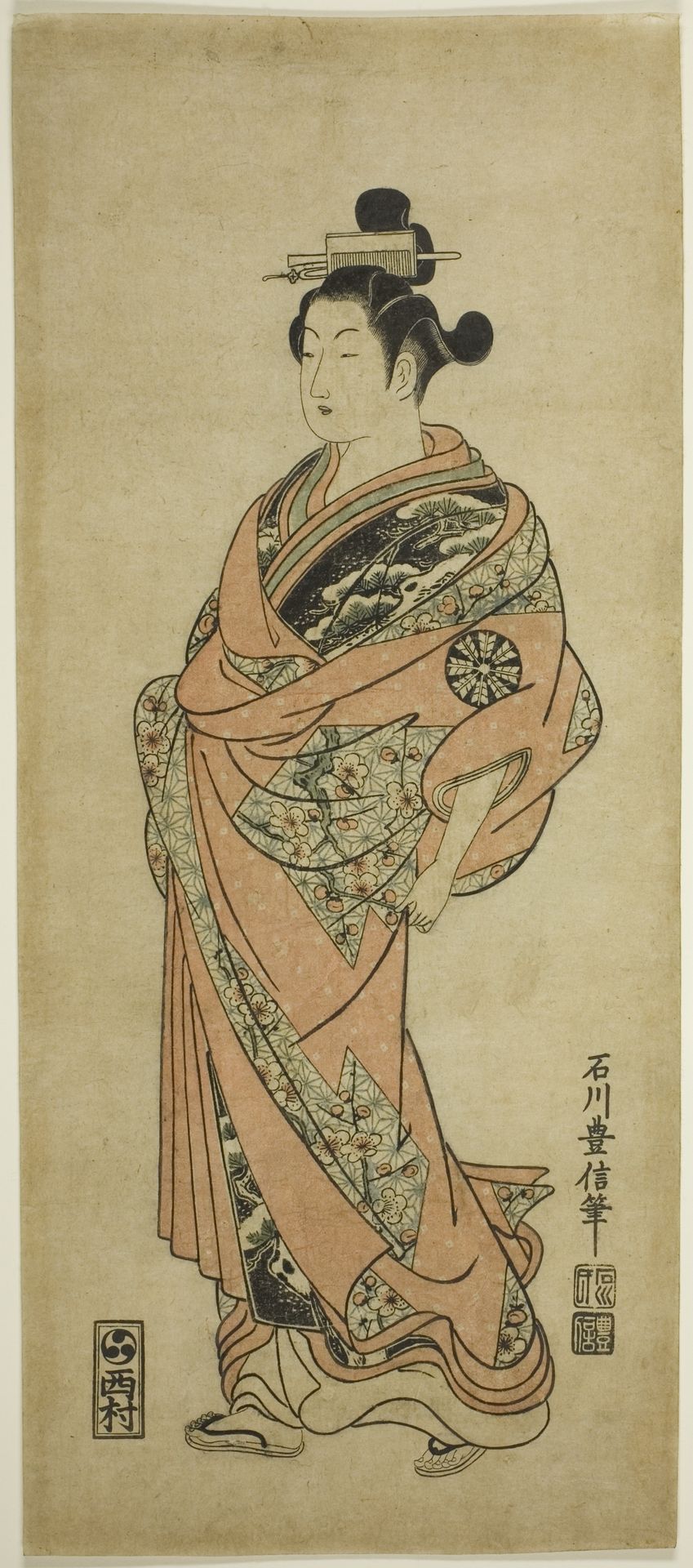
Ishikawa Toyonobu made this print of the actor Nakamura Tomijuro I using woodblocks and ink, in a process called Ukiyo-e. The key to understanding this image is the labor involved in its making. Woodblock printing, a highly developed craft in Japan, demanded close collaboration. The artist created the original design, which was then painstakingly transferred onto a woodblock by specialist carvers, each responsible for different colors. The carvers' skill in translating fine lines and textures, combined with the printer’s expertise in applying ink and pressure, determined the print's final quality. Ukiyo-e prints like this one played a crucial role in popularizing Kabuki theater, effectively turning actors into celebrities. These prints were relatively affordable, making them accessible to a wide audience, not just the elite. It’s a perfect example of how materials, making, and social context intertwine to give an artwork its full meaning, challenging any rigid distinction between high art and popular culture.
The Actor Nakamura Tomijuro I
c. 1755


Artwork details
- Medium
- print, paper
- Dimensions
- 17 3/4 × 7 1/2 in.
- Location
- The Art Institute of Chicago
- Copyright
- Public Domain
Tags
Comments
Share your thoughts
About this artwork
Ishikawa Toyonobu made this print of the actor Nakamura Tomijuro I using woodblocks and ink, in a process called Ukiyo-e. The key to understanding this image is the labor involved in its making. Woodblock printing, a highly developed craft in Japan, demanded close collaboration. The artist created the original design, which was then painstakingly transferred onto a woodblock by specialist carvers, each responsible for different colors. The carvers' skill in translating fine lines and textures, combined with the printer’s expertise in applying ink and pressure, determined the print's final quality. Ukiyo-e prints like this one played a crucial role in popularizing Kabuki theater, effectively turning actors into celebrities. These prints were relatively affordable, making them accessible to a wide audience, not just the elite. It’s a perfect example of how materials, making, and social context intertwine to give an artwork its full meaning, challenging any rigid distinction between high art and popular culture.
Comments
Share your thoughts