About this artwork
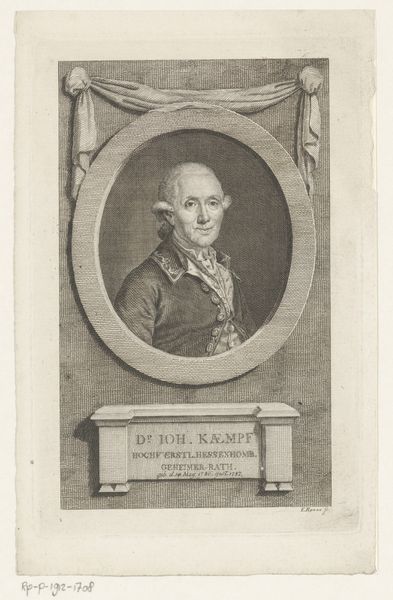
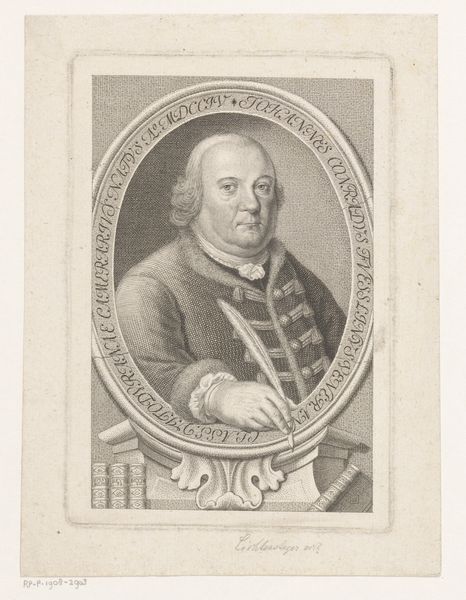
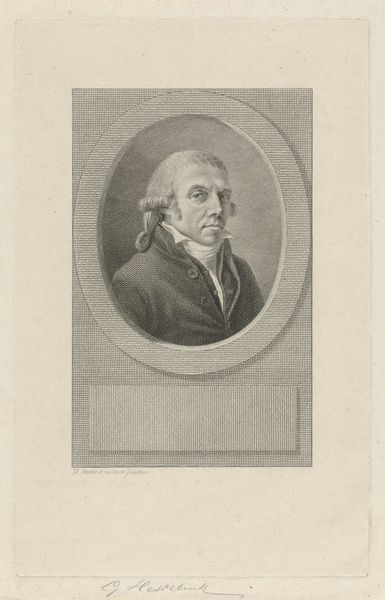
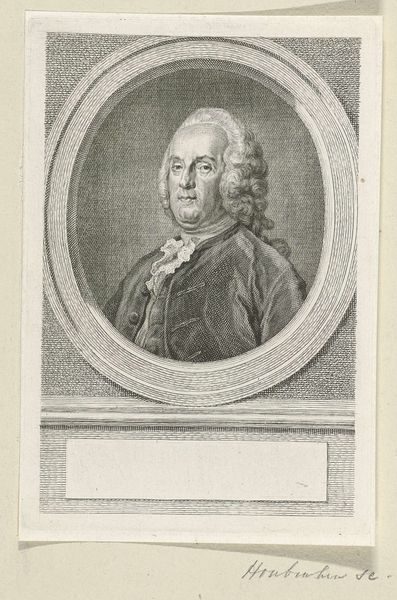
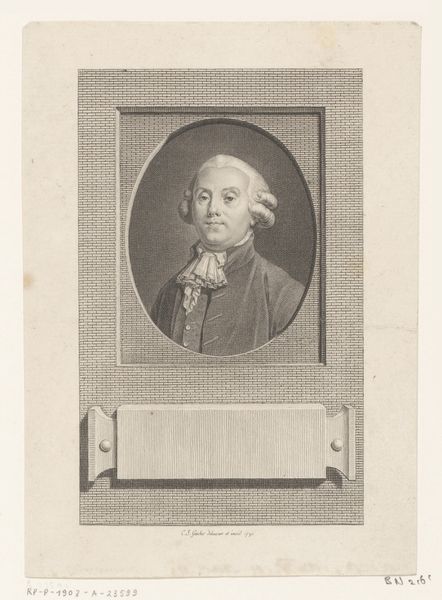
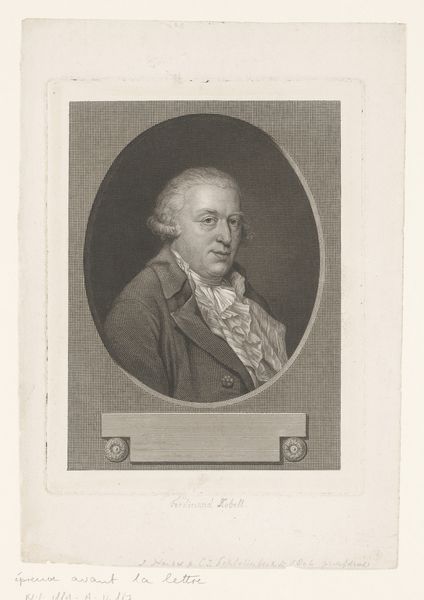
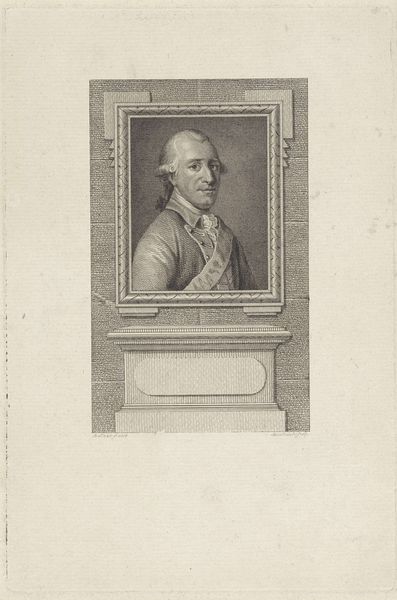
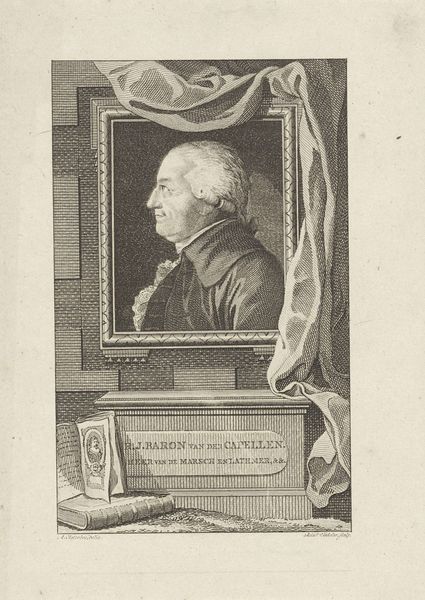
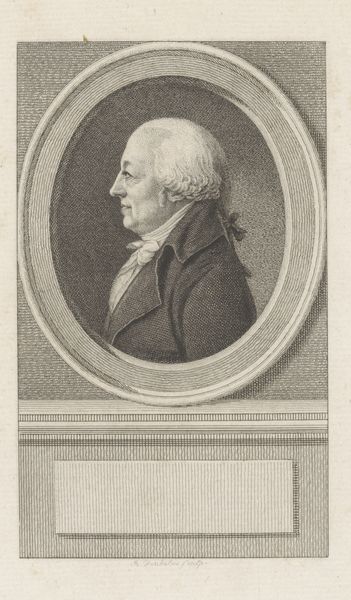
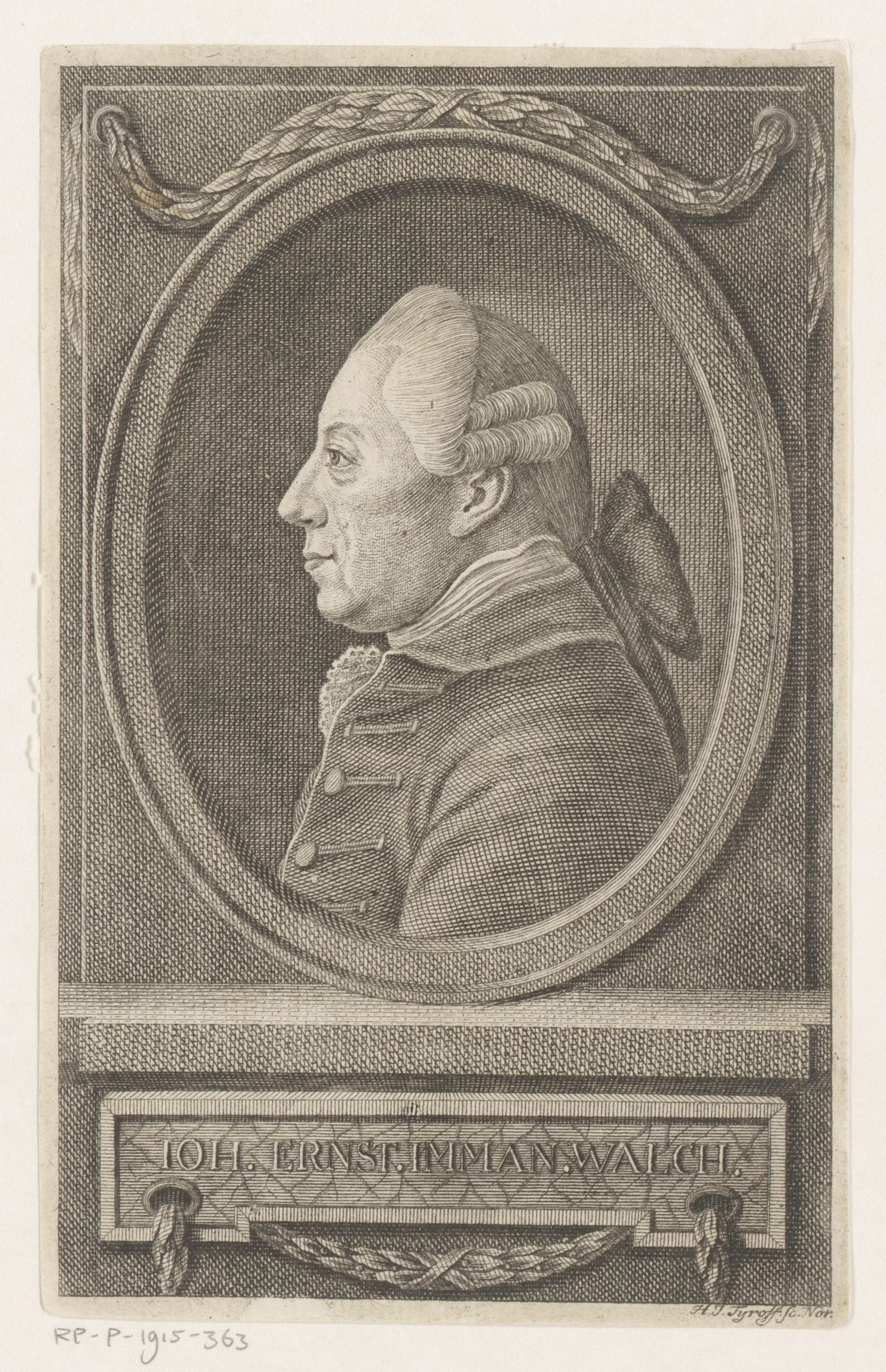
Hermann Jakob Tyroff captured Johann Ernst Immanuel Walch in this finely detailed print. The oval frame and laurel wreaths, symbols of honor and achievement, encircle Walch, highlighting his status and intellect. Consider the laurel wreath. In ancient Greece, victors were crowned with laurel, signifying triumph and glory. This motif recurs throughout history, adorning emperors, poets, and scholars, each time reinforcing the idea of elevated status. The psychological impact of such symbols is profound; they tap into our collective memory, triggering associations of power and respect. Though the meaning shifts subtly with each iteration, the underlying message of recognition remains, evoking a deep, subconscious response in the viewer. From ancient wreaths to modern-day awards, the laurel endures, illustrating the cyclical nature of symbols—reappearing, evolving, and continually engaging our cultural psyche.

Artwork details
- Dimensions
- height 160 mm, width 102 mm
- Copyright
- Rijks Museum: Open Domain
Comments
Share your thoughts
About this artwork
Hermann Jakob Tyroff captured Johann Ernst Immanuel Walch in this finely detailed print. The oval frame and laurel wreaths, symbols of honor and achievement, encircle Walch, highlighting his status and intellect. Consider the laurel wreath. In ancient Greece, victors were crowned with laurel, signifying triumph and glory. This motif recurs throughout history, adorning emperors, poets, and scholars, each time reinforcing the idea of elevated status. The psychological impact of such symbols is profound; they tap into our collective memory, triggering associations of power and respect. Though the meaning shifts subtly with each iteration, the underlying message of recognition remains, evoking a deep, subconscious response in the viewer. From ancient wreaths to modern-day awards, the laurel endures, illustrating the cyclical nature of symbols—reappearing, evolving, and continually engaging our cultural psyche.
Comments
Share your thoughts