About this artwork
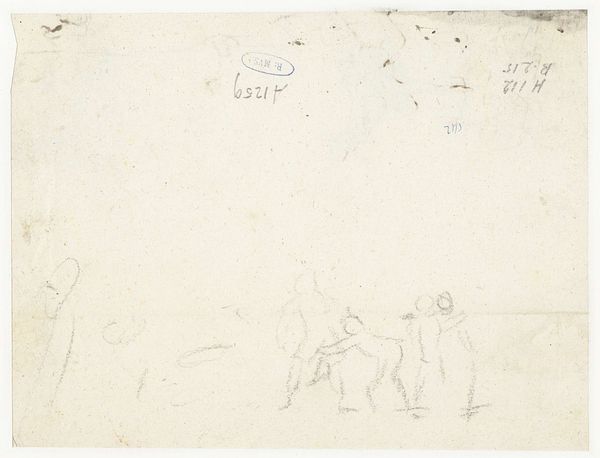
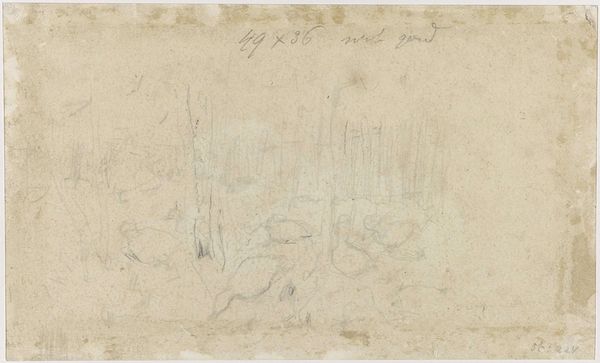
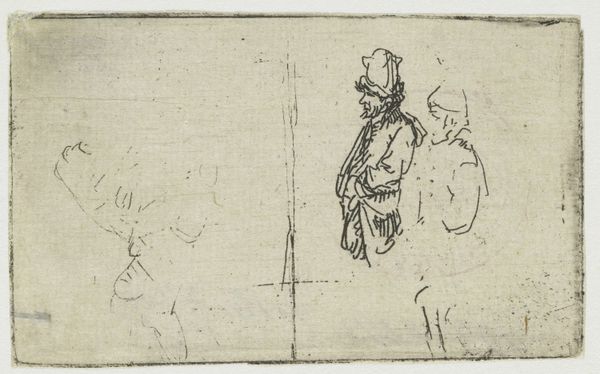
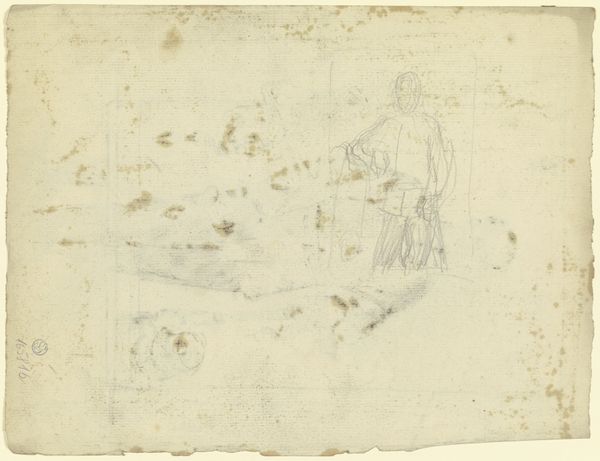
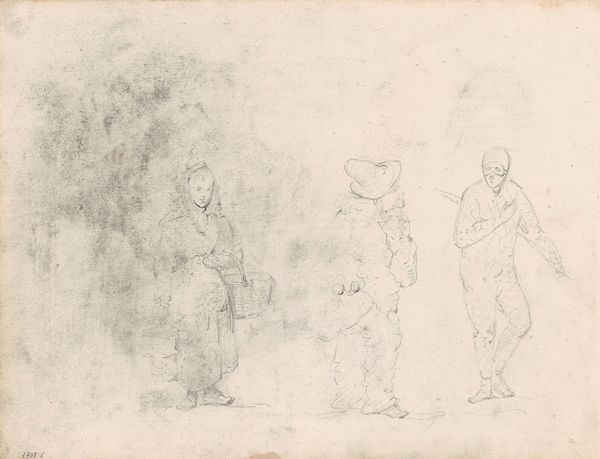
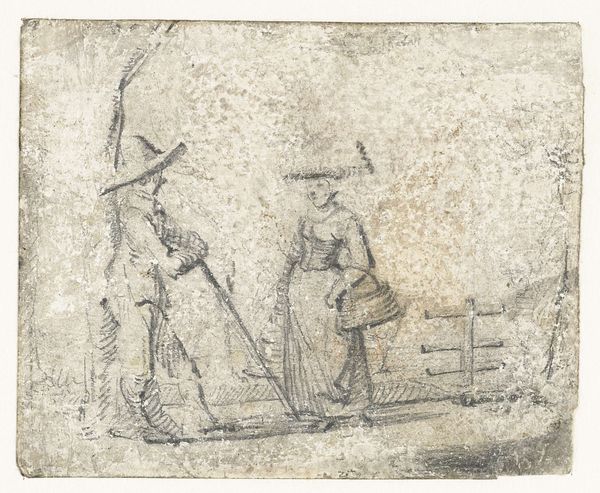
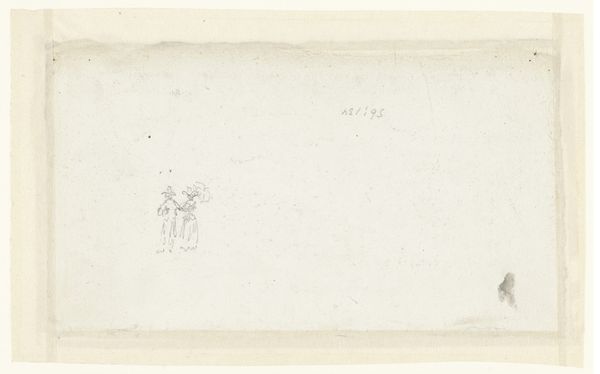
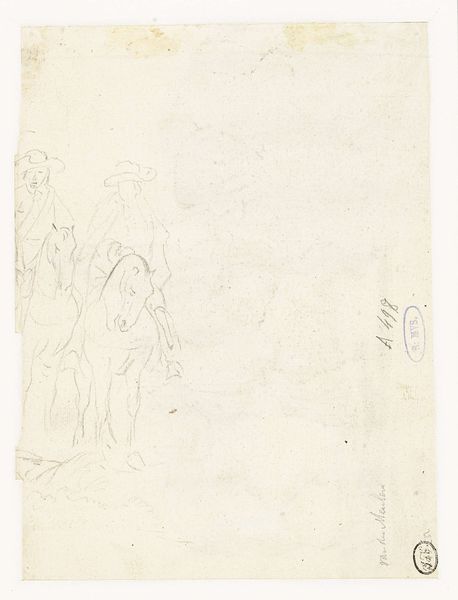
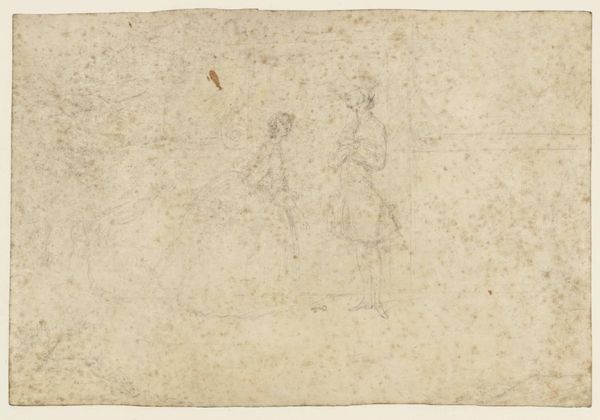
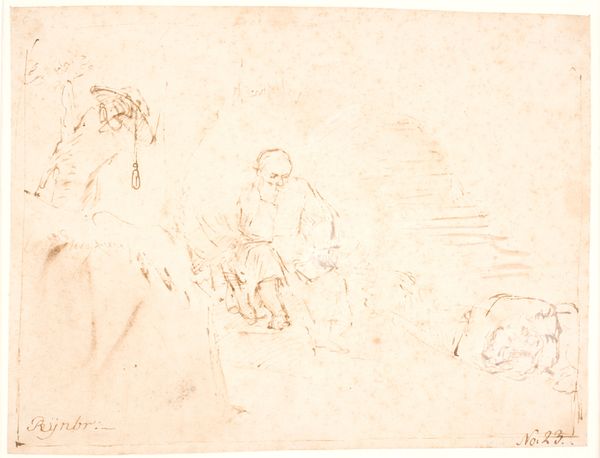
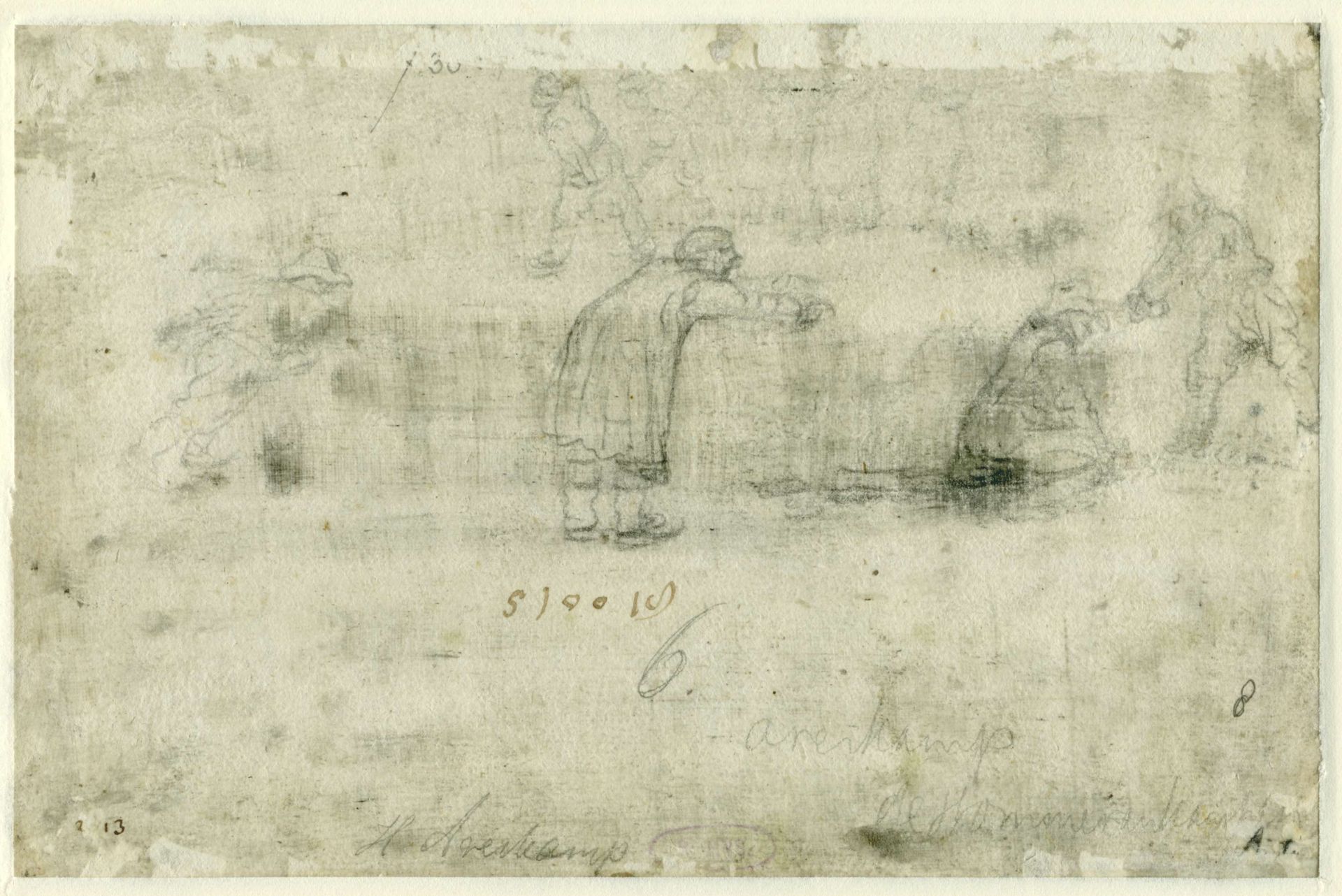
This sketch of figures on the ice comes to us from the Dutch artist Hendrick Avercamp. Although undated, the work likely originates from the early 17th century, a period when the Dutch Republic was emerging as a major economic and cultural force. Avercamp was known for his winter scenes, and this sketch provides insight into his artistic process. The frozen canals were not merely a backdrop but a stage for social interaction. This drawing, in its seeming simplicity, hints at the complex social fabric of the Netherlands. Consider the possibilities that winter scenes like this one provided Dutch society, where frozen canals became public spaces, blurring social boundaries as people from all walks of life came together. As historians, we can look to period documents, such as municipal records and personal diaries, to deepen our understanding of the social conditions that influenced Avercamp and other artists of his time. The meaning of art is contingent on its social and institutional context, and the work of the historian is to bring that context to light.
Sketches of Figures on the Ice / recto: Winter Scene on the Frozen Canal near the Kalverhekkenpoort, Kampen
before 1607

Hendrick Avercamp
1585 - 1634Location
RijksmuseumArtwork details
- Dimensions
- height 133 mm, width 203 mm
- Location
- Rijksmuseum
- Copyright
- Rijks Museum: Open Domain
Tags
Comments
Share your thoughts
About this artwork
This sketch of figures on the ice comes to us from the Dutch artist Hendrick Avercamp. Although undated, the work likely originates from the early 17th century, a period when the Dutch Republic was emerging as a major economic and cultural force. Avercamp was known for his winter scenes, and this sketch provides insight into his artistic process. The frozen canals were not merely a backdrop but a stage for social interaction. This drawing, in its seeming simplicity, hints at the complex social fabric of the Netherlands. Consider the possibilities that winter scenes like this one provided Dutch society, where frozen canals became public spaces, blurring social boundaries as people from all walks of life came together. As historians, we can look to period documents, such as municipal records and personal diaries, to deepen our understanding of the social conditions that influenced Avercamp and other artists of his time. The meaning of art is contingent on its social and institutional context, and the work of the historian is to bring that context to light.
Comments
Share your thoughts