About this artwork
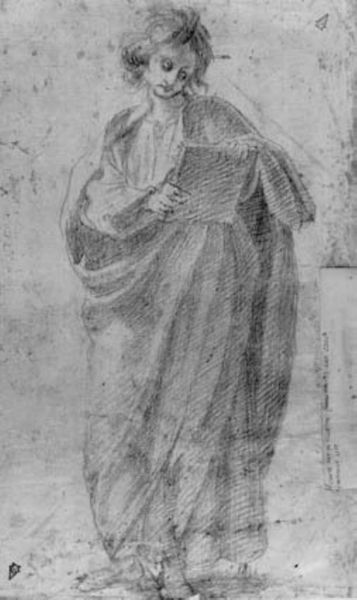
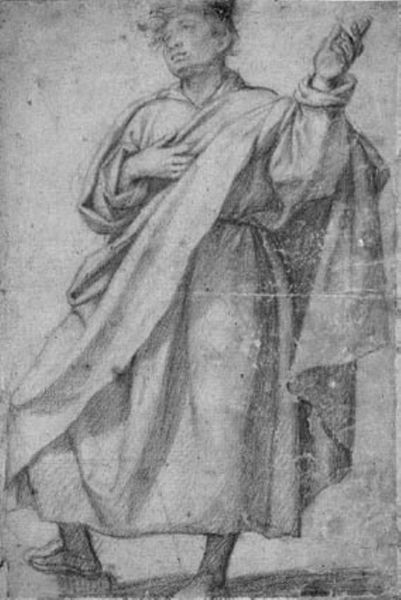
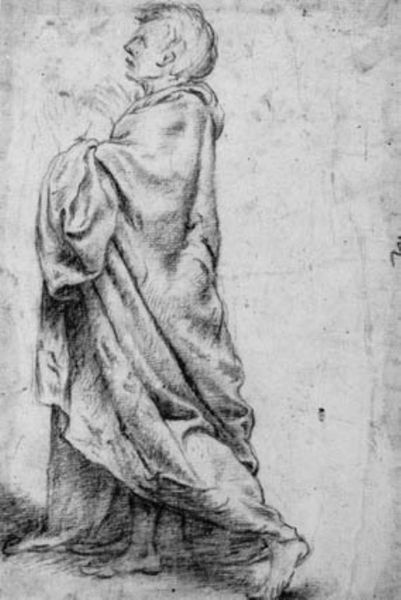
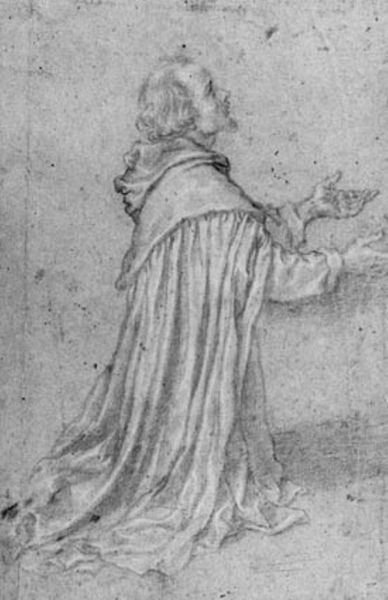
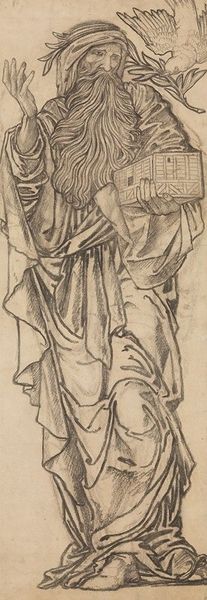
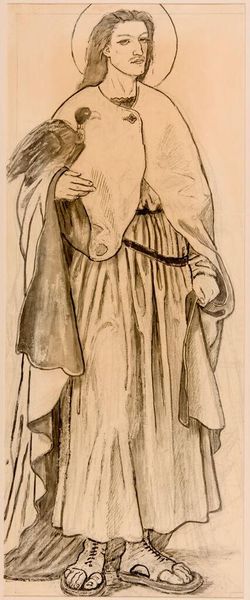
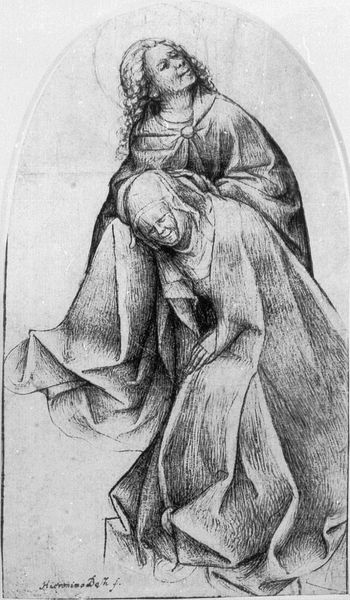
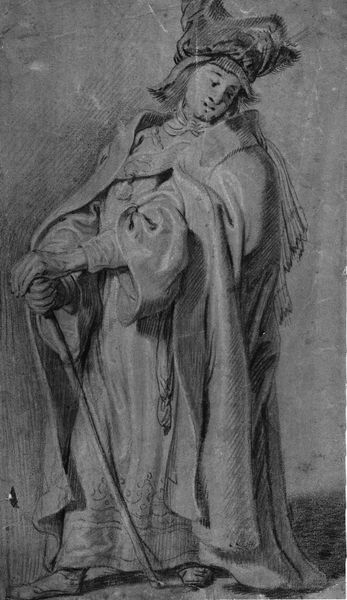
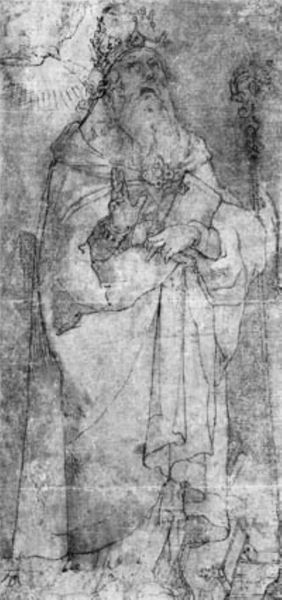
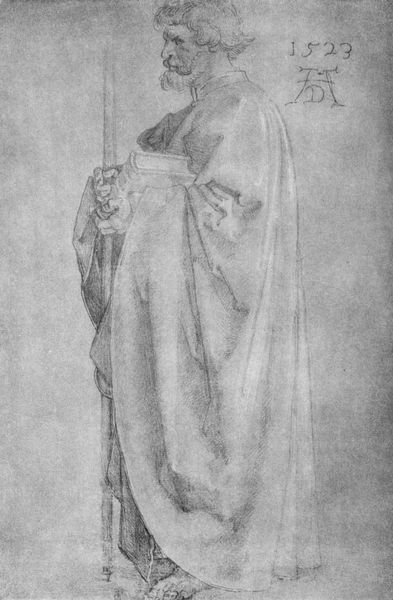
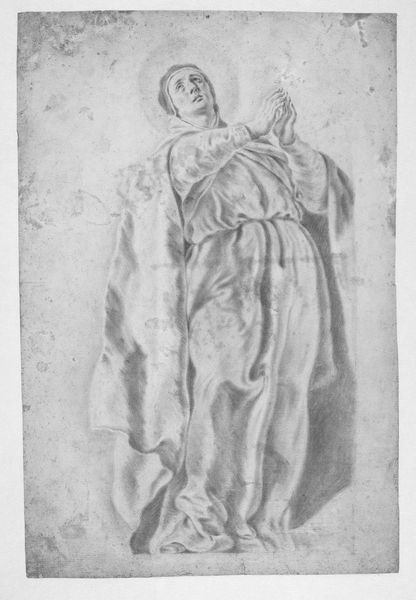
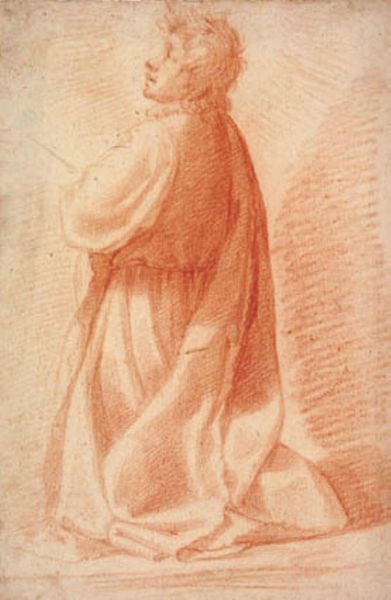
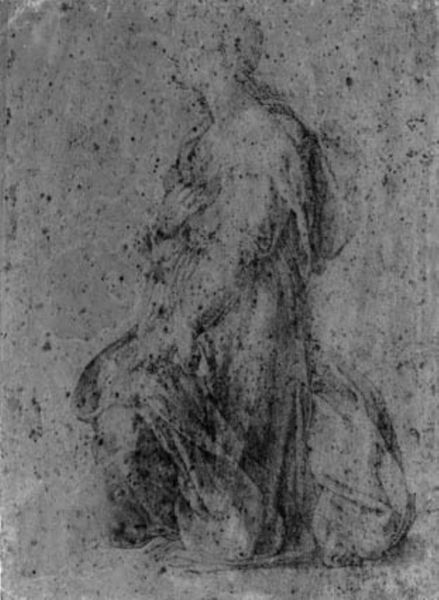
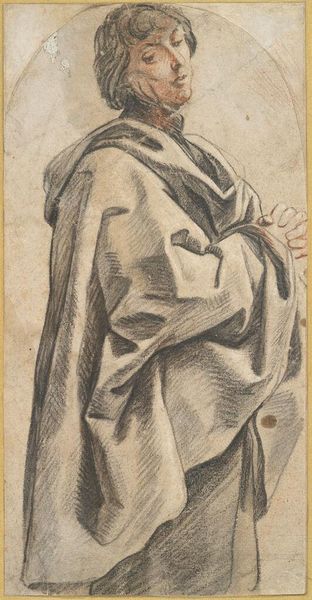
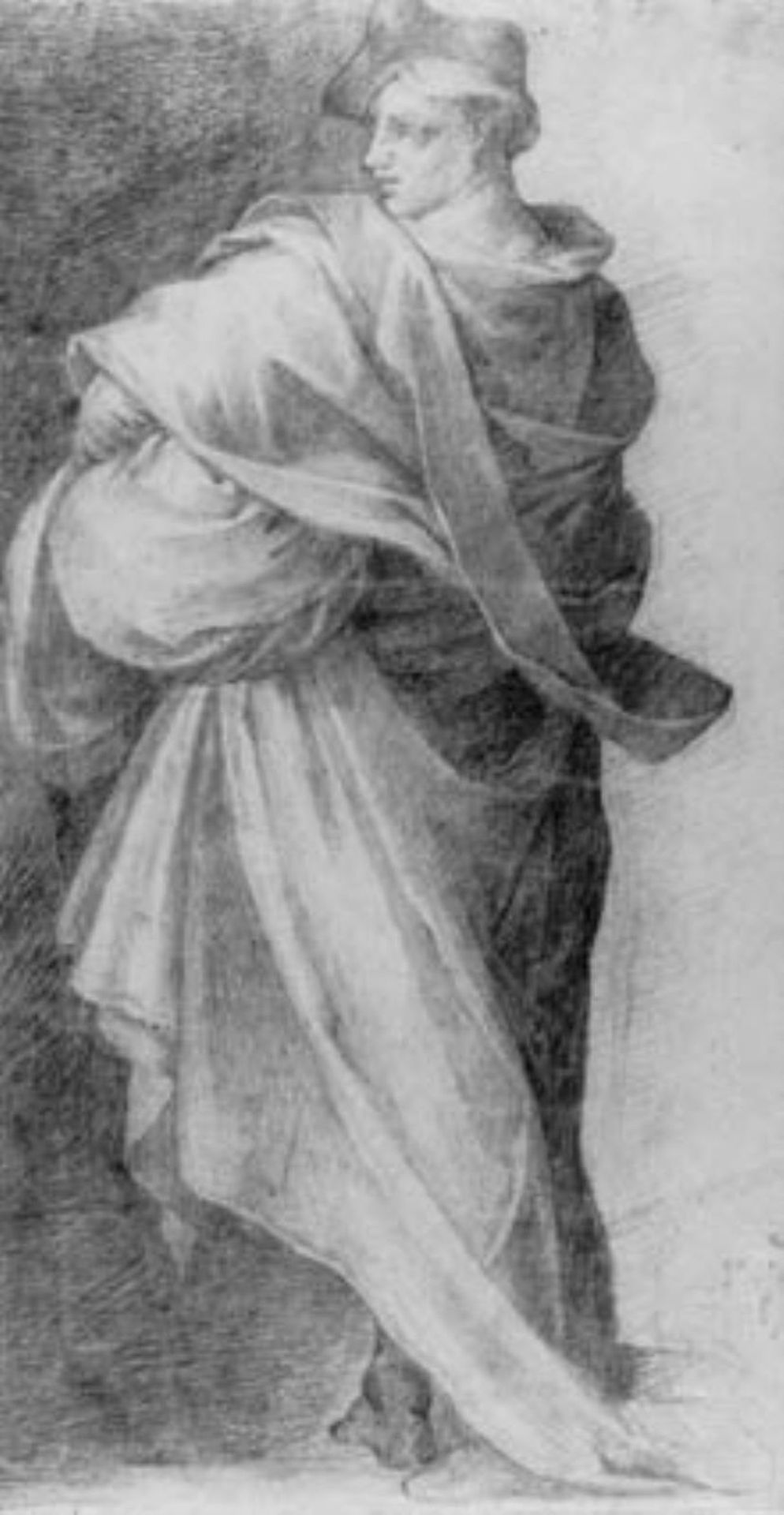
This drawing presents a draped male figure, its creator unknown, rendered in an evocative play of light and shadow. The drapery, a visual motif echoing through art history, here serves not merely as clothing, but as a language in itself. Consider its prevalence from classical sculptures to Renaissance paintings; drapery has symbolized status, emotion, and narrative. Remember the figures of ancient Greece, their garments artfully arranged to convey motion and grace? Or the heavy, symbolic robes of biblical figures in Renaissance frescoes? Here, the anonymous artist uses drapery to shroud and reveal, creating a sense of mystery. The fabric's folds and layers might suggest a hidden burden or a suppressed emotional state, engaging our subconscious with an image that is both powerful and vulnerable. This drawing shows us how symbols persist, evolve, and continually resurface to reflect humanity’s complex, ever-changing relationship with the world.
Draped male figure seen from behind
1486 - 1530


Artwork details
- Medium
- drawing, pencil, charcoal
- Dimensions
- 339 mm (height) x 188 mm (width) (bladmaal)
- Location
- SMK - Statens Museum for Kunst
Tags
Comments
Share your thoughts
About this artwork
This drawing presents a draped male figure, its creator unknown, rendered in an evocative play of light and shadow. The drapery, a visual motif echoing through art history, here serves not merely as clothing, but as a language in itself. Consider its prevalence from classical sculptures to Renaissance paintings; drapery has symbolized status, emotion, and narrative. Remember the figures of ancient Greece, their garments artfully arranged to convey motion and grace? Or the heavy, symbolic robes of biblical figures in Renaissance frescoes? Here, the anonymous artist uses drapery to shroud and reveal, creating a sense of mystery. The fabric's folds and layers might suggest a hidden burden or a suppressed emotional state, engaging our subconscious with an image that is both powerful and vulnerable. This drawing shows us how symbols persist, evolve, and continually resurface to reflect humanity’s complex, ever-changing relationship with the world.
Comments
Share your thoughts