1919
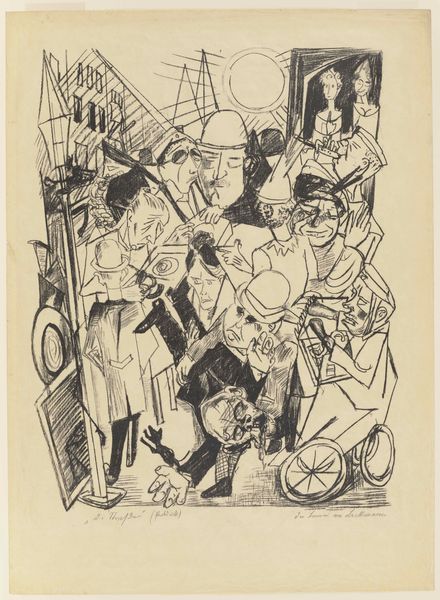
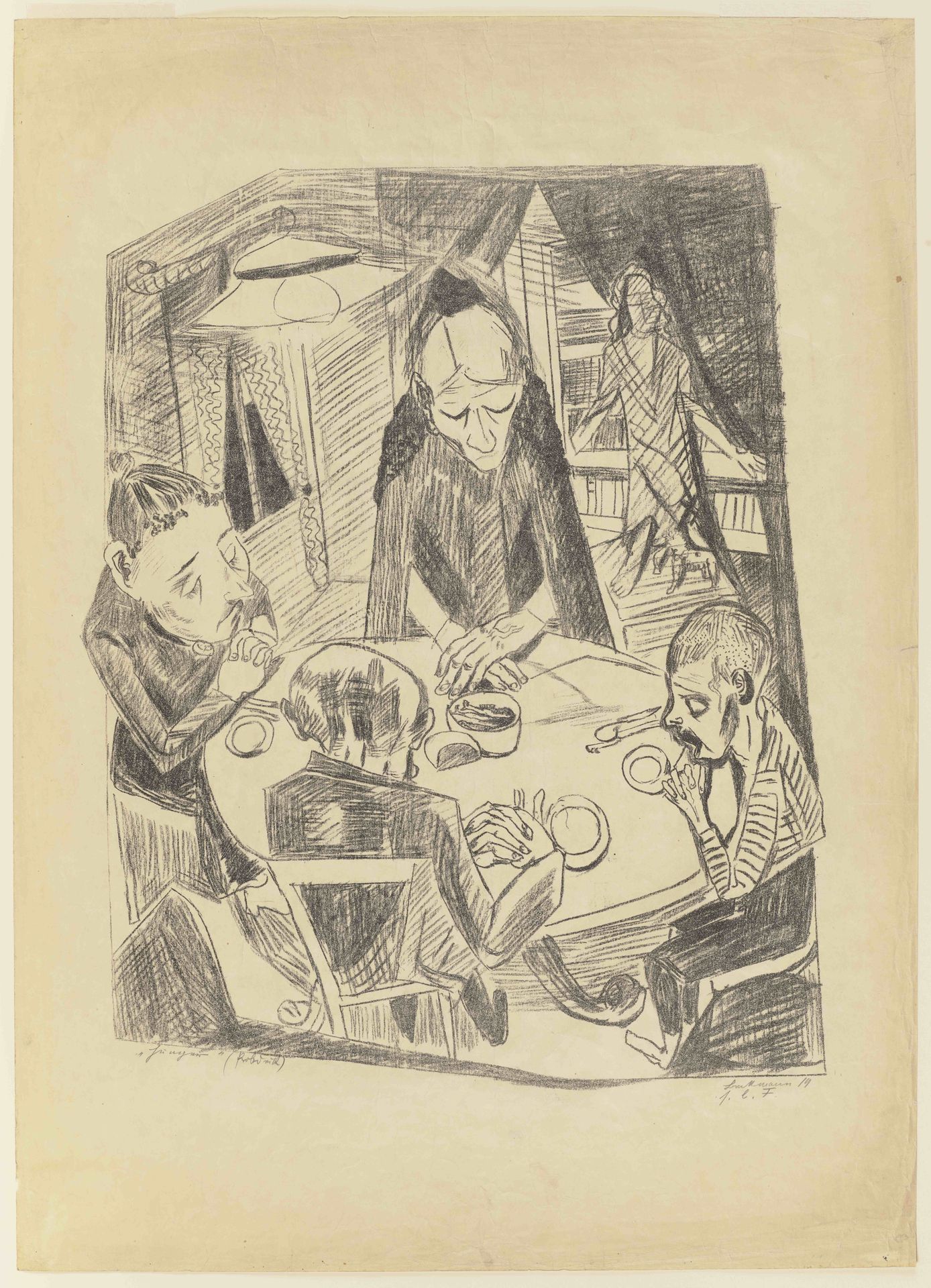
HungerSheet 4 of the series 'Hell'


Listen to curator's interpretation
Curatorial notes
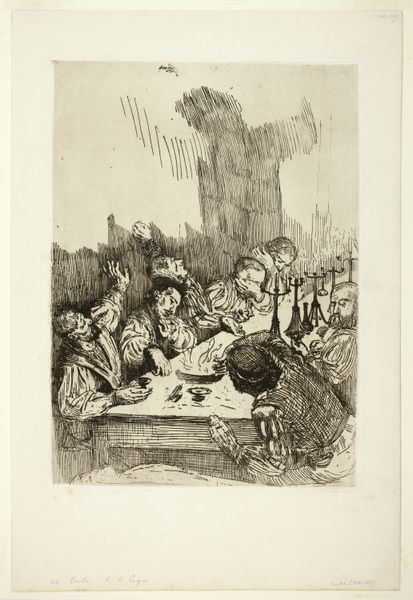
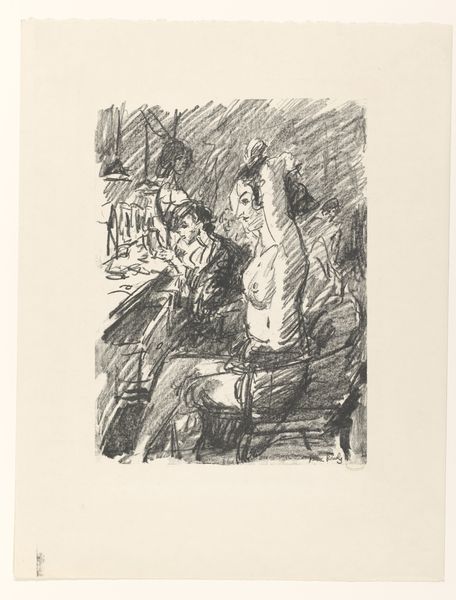
Max Beckmann created ‘Hunger, Sheet 4 of the series Hell’ in 1919, using lithography on paper. Beckmann returned to Frankfurt after serving as a medical orderly in World War I. Beckmann witnessed a society fractured by war, political upheaval, and economic collapse. With its grotesque caricatures, this print conveys the artist’s sense of moral and physical devastation. We see a group gathered around a table, seemingly oblivious to the emaciated figure gesturing wildly in the background. The figures are grotesque, their faces gaunt and distorted. Beckmann uses stark lines and exaggerated forms to create a sense of unease and decay. Beckmann was associated with the New Objectivity movement in Germany, which sought to represent the world in a clear, objective manner. But here the image is a searing critique of German society in the aftermath of the war. Art historians can consult a variety of sources to deepen our understanding of this work, including personal letters, diaries, newspapers from the period, and institutional records.