About this artwork
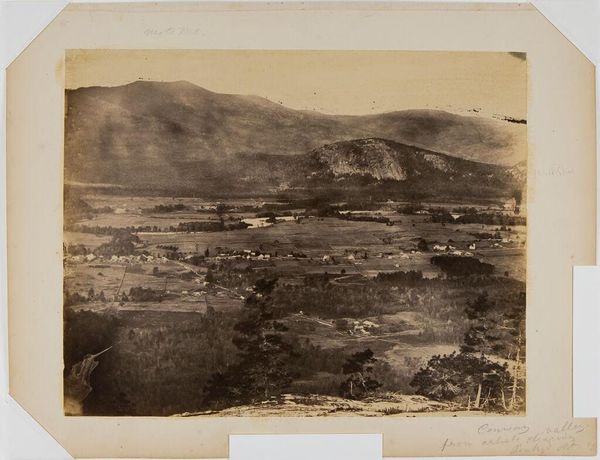
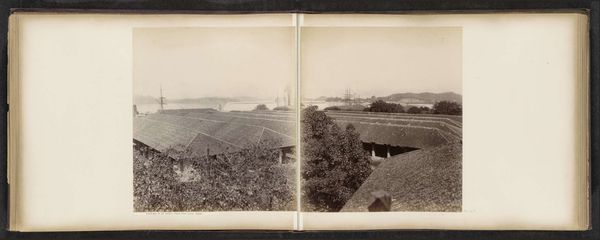
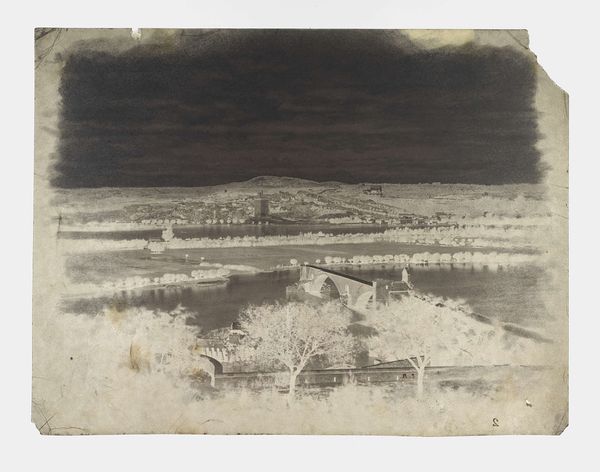
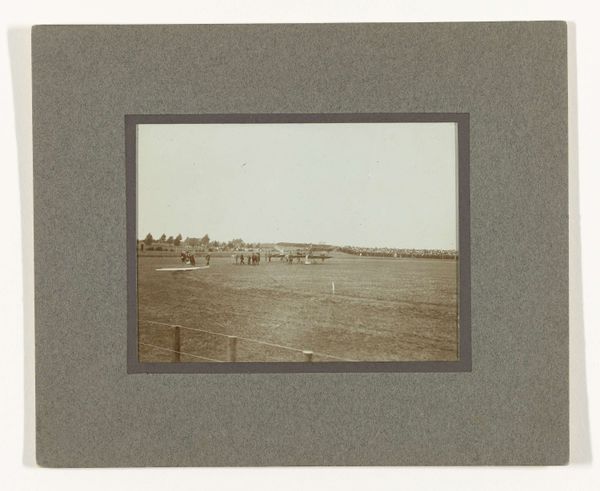
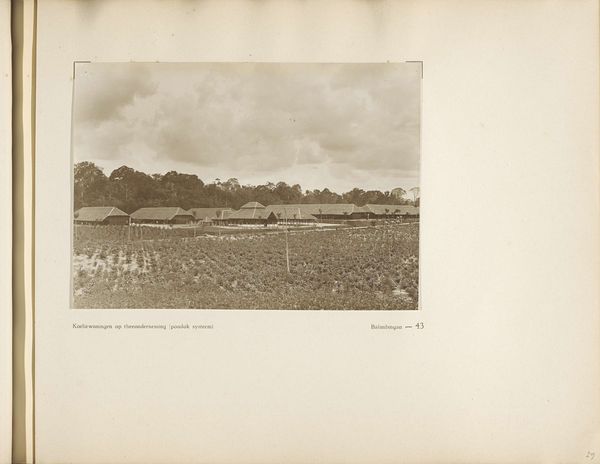
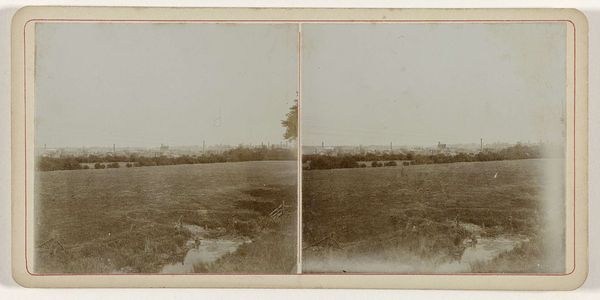
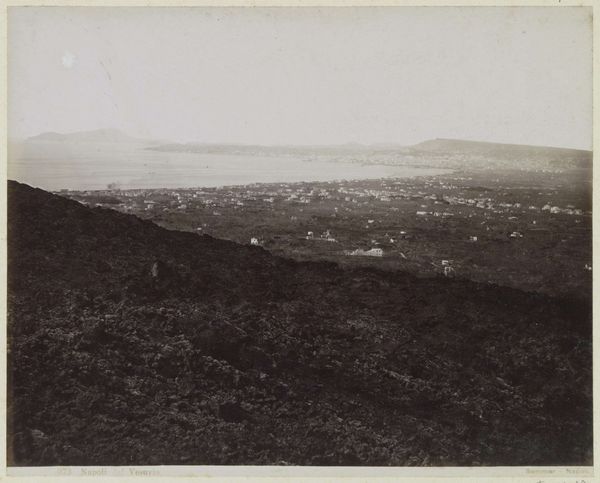
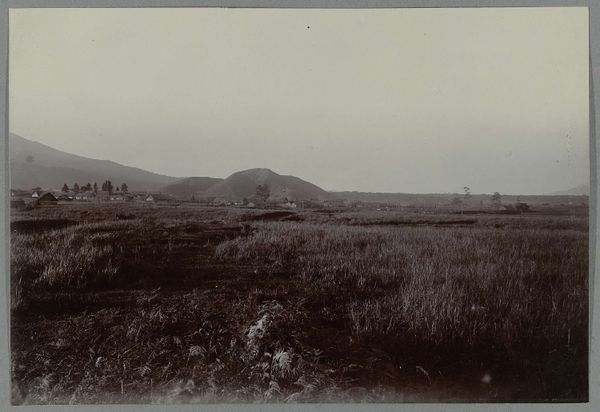
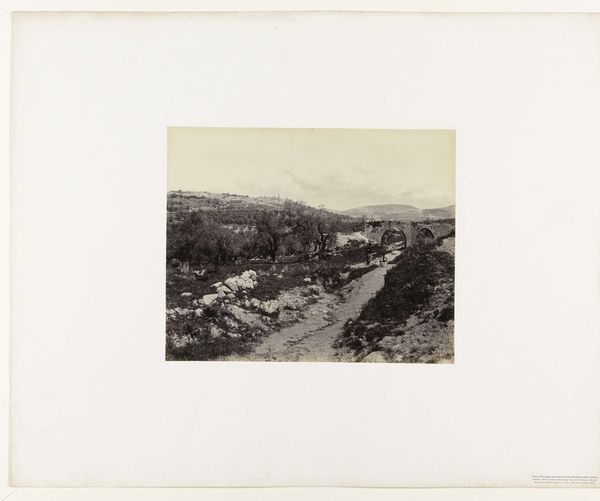
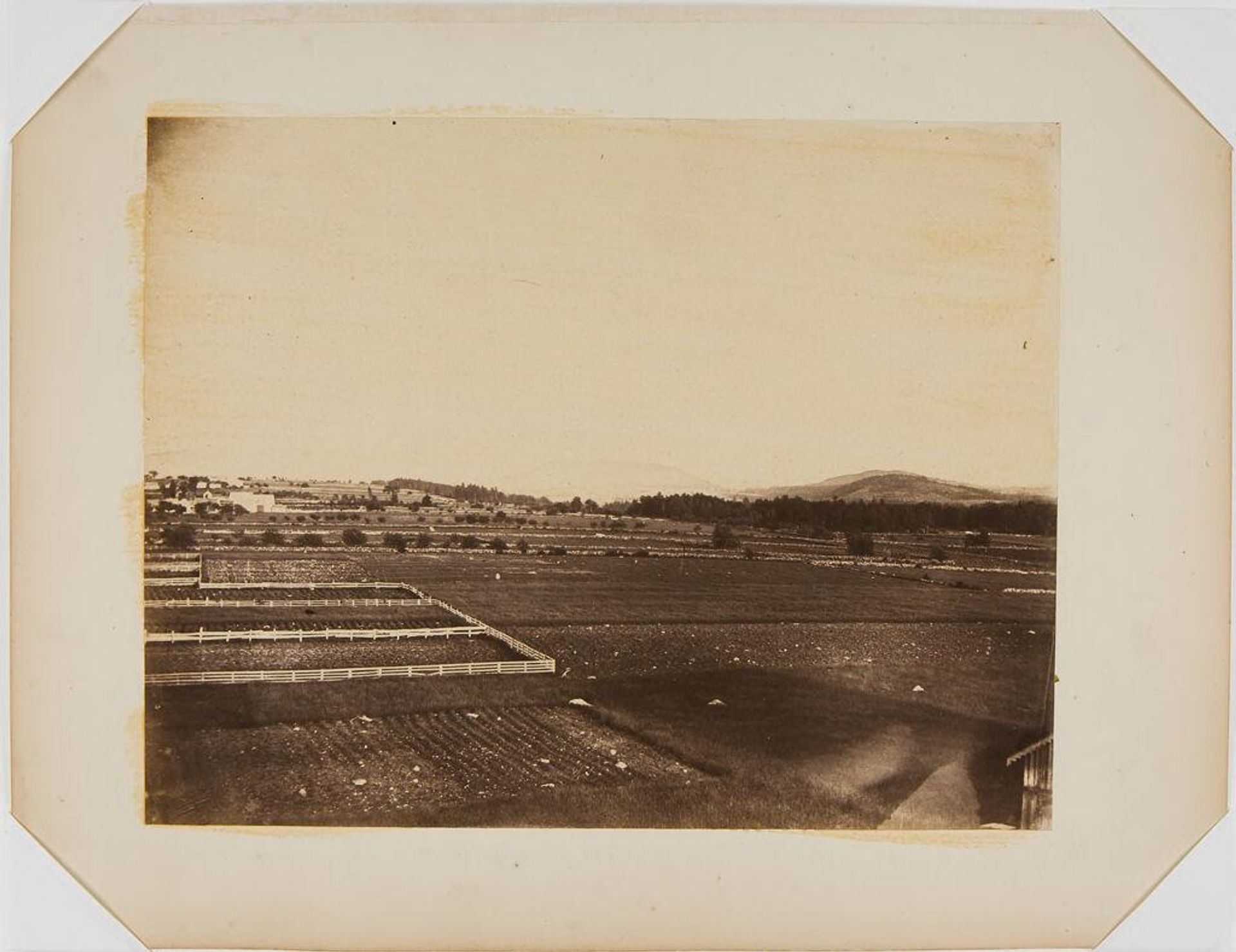
Editor: This photograph by John Adams Whipple shows fields leading to the White Mountains. The perspective feels a bit unsettling, almost like a stage. What do you see in this piece? Curator: I see a powerful commentary on land ownership and the romanticization of the American landscape in the 19th century. The careful division of land, almost like a grid, reflects a specific type of economic and political control. Editor: So, you're saying it's not just a pretty view? Curator: Exactly. Think about who controlled these lands, whose labor cultivated them, and at what cost. The sublime mountains are a backdrop to a story of dispossession and exploitation. How does that change your perspective? Editor: It makes me think about the stories the landscape *doesn't* tell at first glance. Curator: Precisely. Photography can be a powerful tool for revealing those hidden narratives.
Untitled (view of fields and White Mountains)
1854


Artwork details
- Dimensions
- image: 22.8 x 29.2 cm (9 x 11 1/2 in.) mount, original: 30 x 39 cm (11 13/16 x 15 3/8 in.)
- Location
- Harvard Art Museums
- Copyright
- CC0 1.0
Comments
Share your thoughts
About this artwork
Editor: This photograph by John Adams Whipple shows fields leading to the White Mountains. The perspective feels a bit unsettling, almost like a stage. What do you see in this piece? Curator: I see a powerful commentary on land ownership and the romanticization of the American landscape in the 19th century. The careful division of land, almost like a grid, reflects a specific type of economic and political control. Editor: So, you're saying it's not just a pretty view? Curator: Exactly. Think about who controlled these lands, whose labor cultivated them, and at what cost. The sublime mountains are a backdrop to a story of dispossession and exploitation. How does that change your perspective? Editor: It makes me think about the stories the landscape *doesn't* tell at first glance. Curator: Precisely. Photography can be a powerful tool for revealing those hidden narratives.
Comments
Share your thoughts