About this artwork
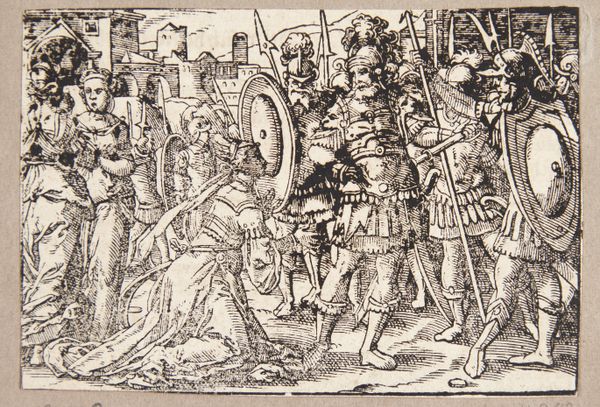
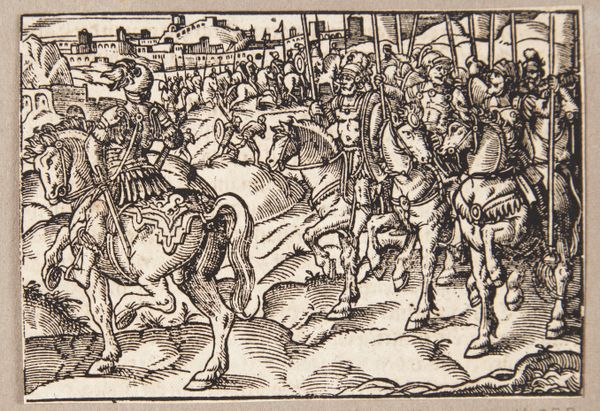
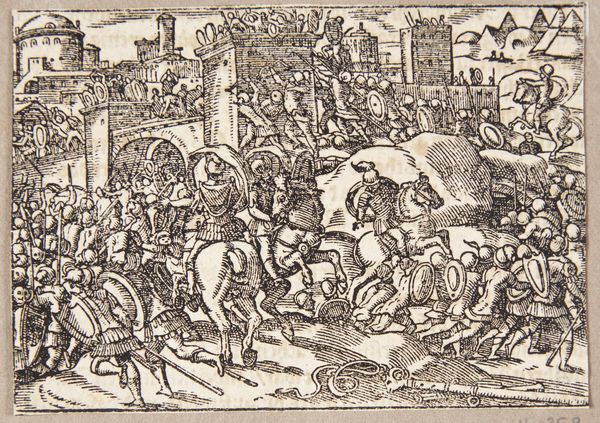
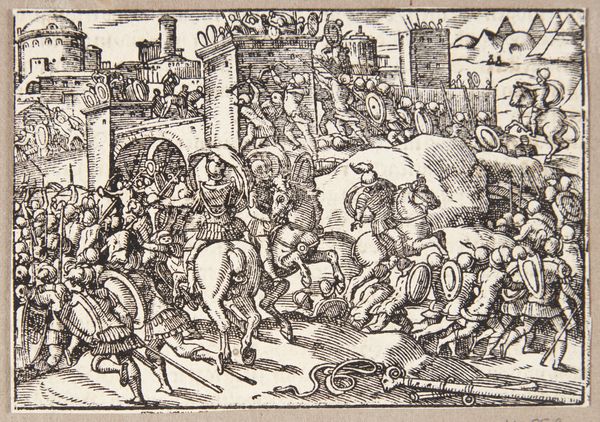
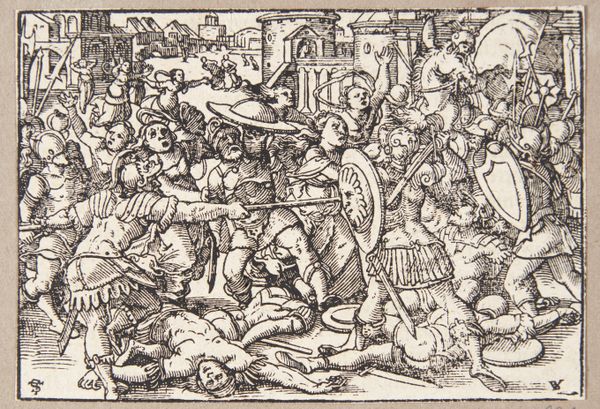
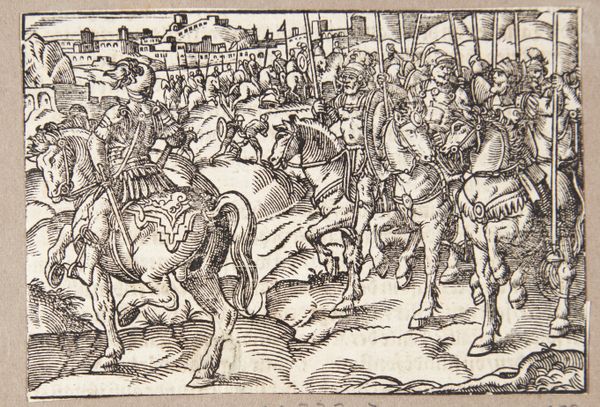
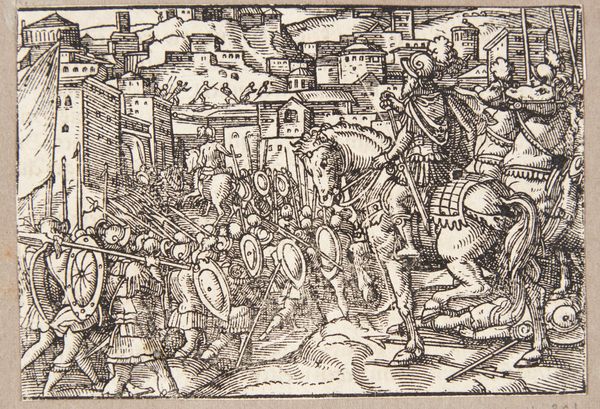
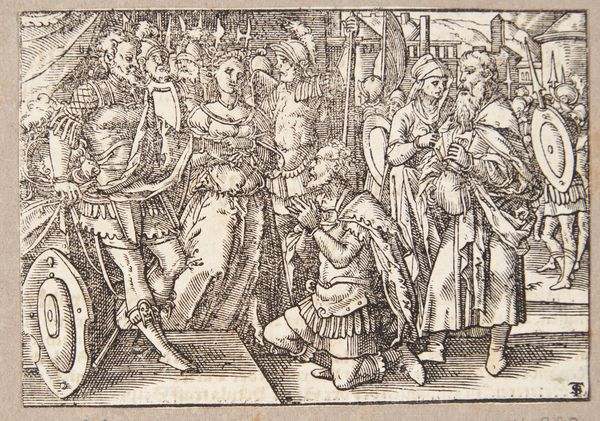
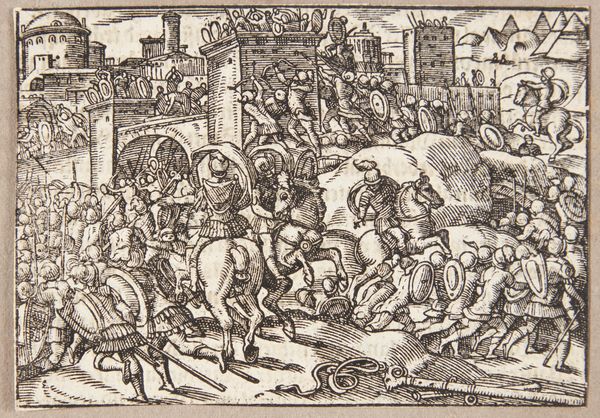
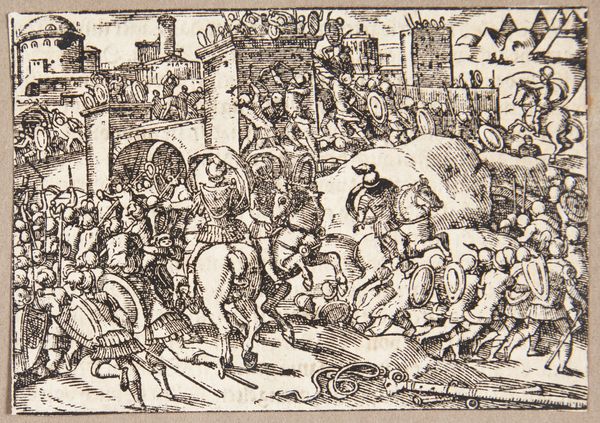
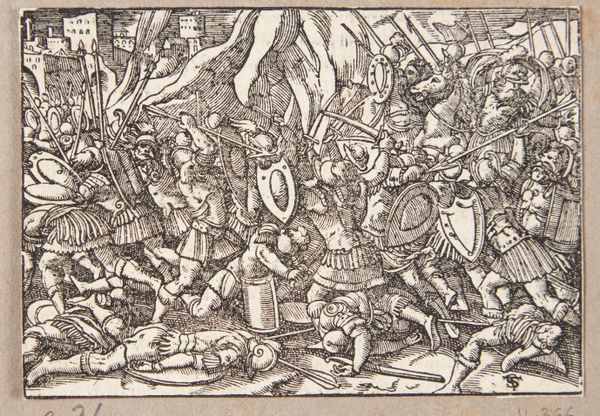
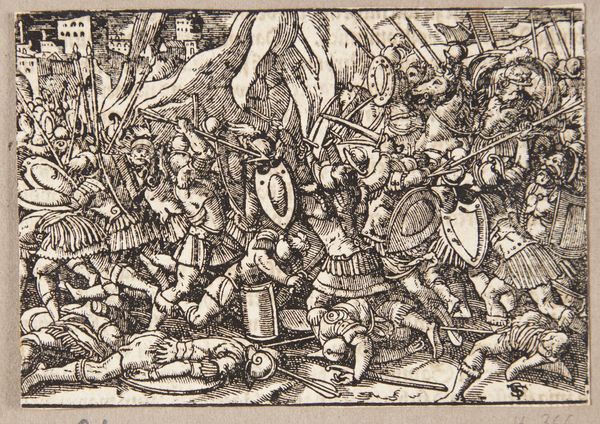
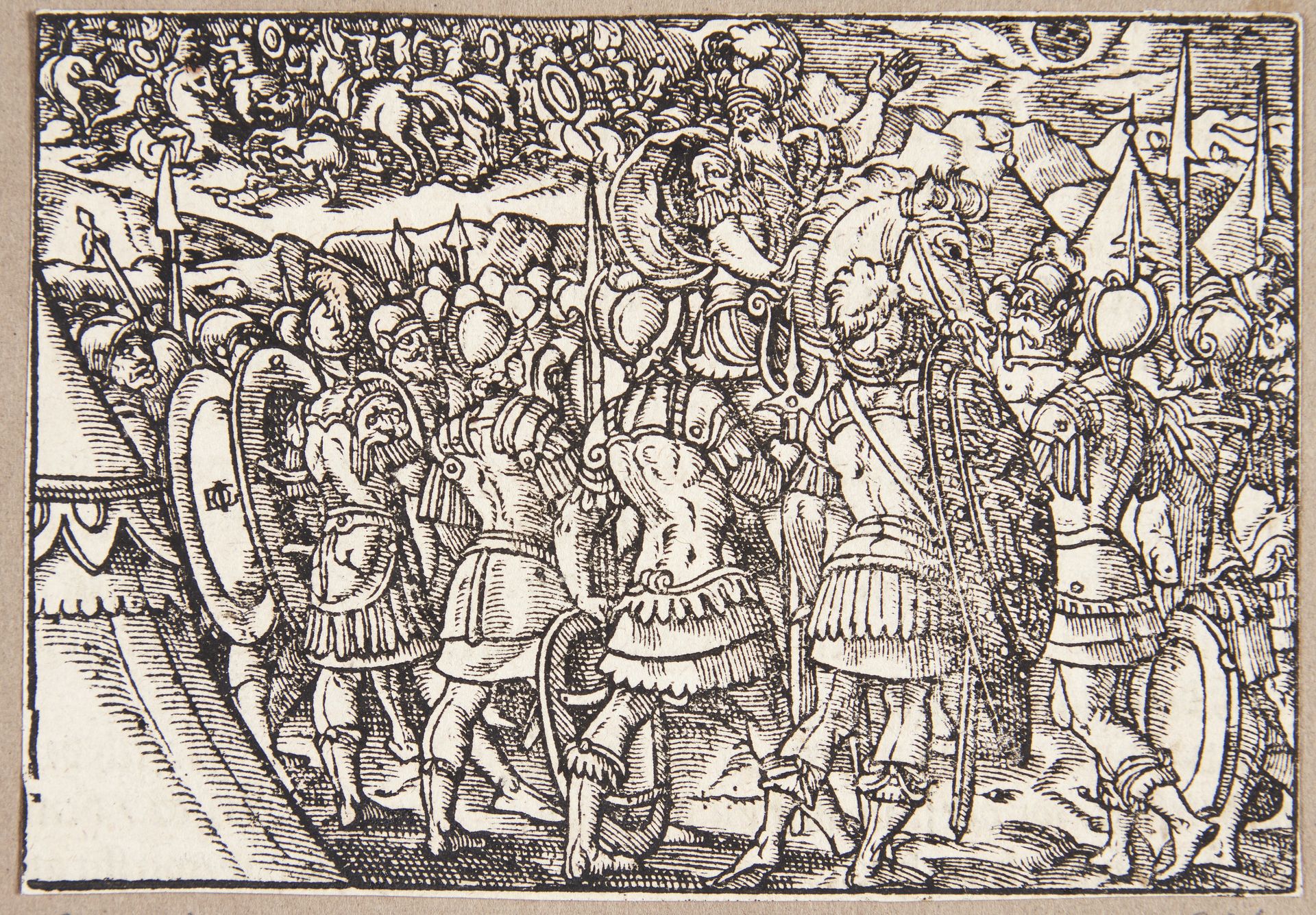
Tobias Stimmer created this woodcut print called ‘Gaius Sulpius Gallus forudser en måneformørkelse,’ sometime in the late 16th century. We see a Roman army and an eclipse of the moon, an event that, according to the title, the Roman general Gallus predicted. But why represent this scene? Prints such as this circulated widely in Europe. This reflects a period when the printing press allowed classical imagery to be re-interpreted, and put to new ideological uses. The eclipse might have been seen as an omen, which, if correctly interpreted, could ensure military success. This suggests a society deeply concerned with fortune and fate. To understand this print better, we need to research the traditions of astrology and divination in 16th-century Europe, and the way that the Roman empire was presented as a model for contemporary rulers. Art history is more than just looking at the image; it's about understanding its place in history.
Gaius Sulpius Gallus forudser en måneformøkelse
1574


Artwork details
- Medium
- print, woodcut
- Dimensions
- 75 mm (height) x 105 mm (width) (bladmaal)
- Location
- SMK - Statens Museum for Kunst
Tags
Comments
Share your thoughts
About this artwork
Tobias Stimmer created this woodcut print called ‘Gaius Sulpius Gallus forudser en måneformørkelse,’ sometime in the late 16th century. We see a Roman army and an eclipse of the moon, an event that, according to the title, the Roman general Gallus predicted. But why represent this scene? Prints such as this circulated widely in Europe. This reflects a period when the printing press allowed classical imagery to be re-interpreted, and put to new ideological uses. The eclipse might have been seen as an omen, which, if correctly interpreted, could ensure military success. This suggests a society deeply concerned with fortune and fate. To understand this print better, we need to research the traditions of astrology and divination in 16th-century Europe, and the way that the Roman empire was presented as a model for contemporary rulers. Art history is more than just looking at the image; it's about understanding its place in history.
Comments
Share your thoughts