About this artwork
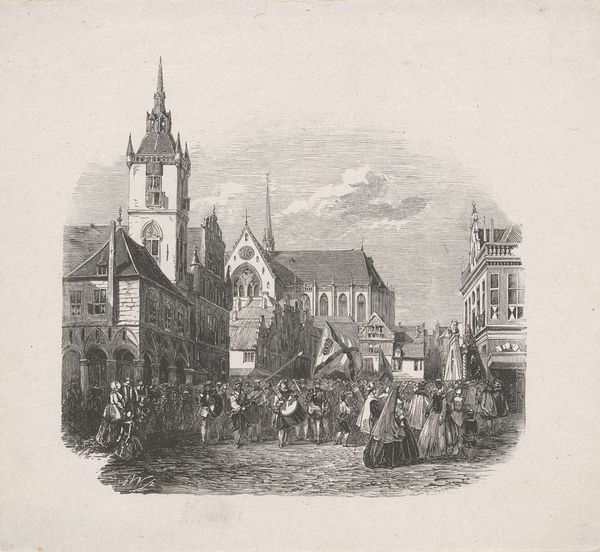
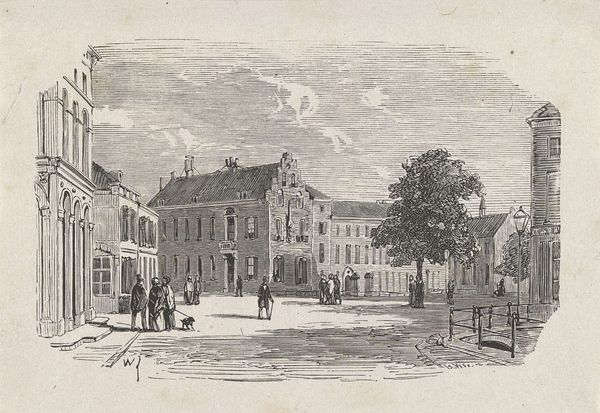
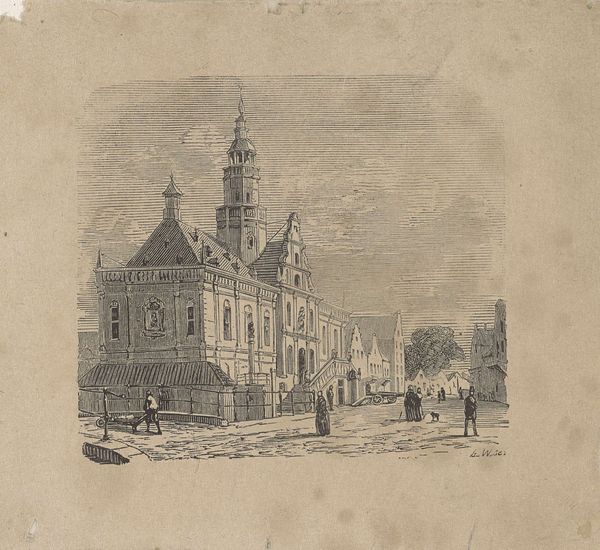
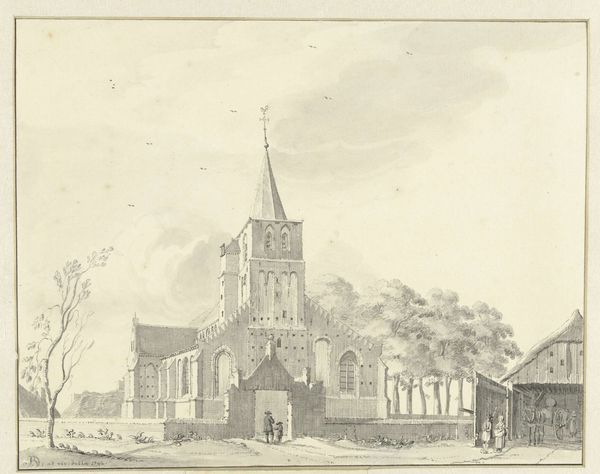
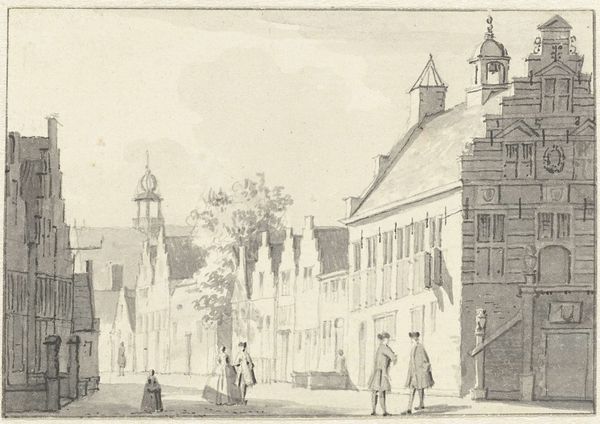
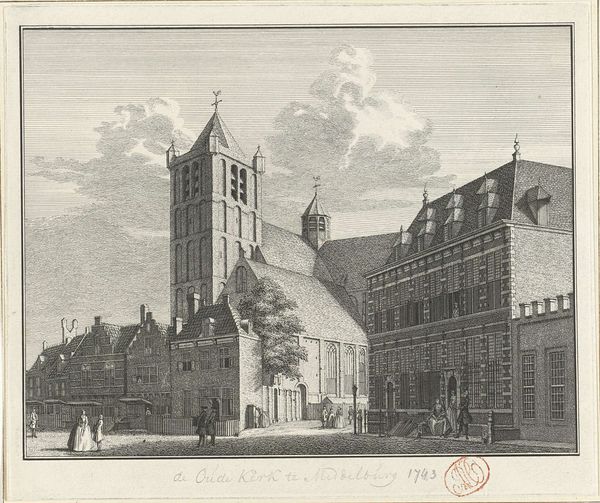
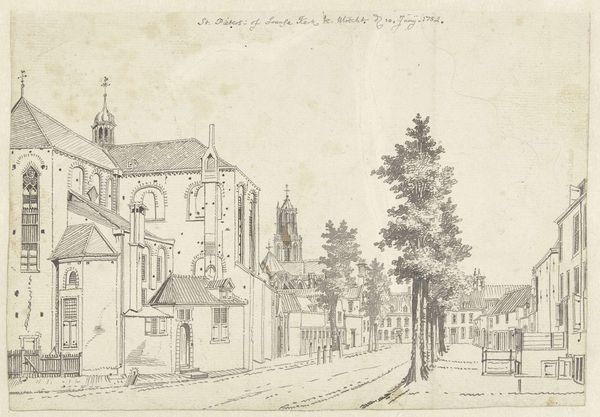
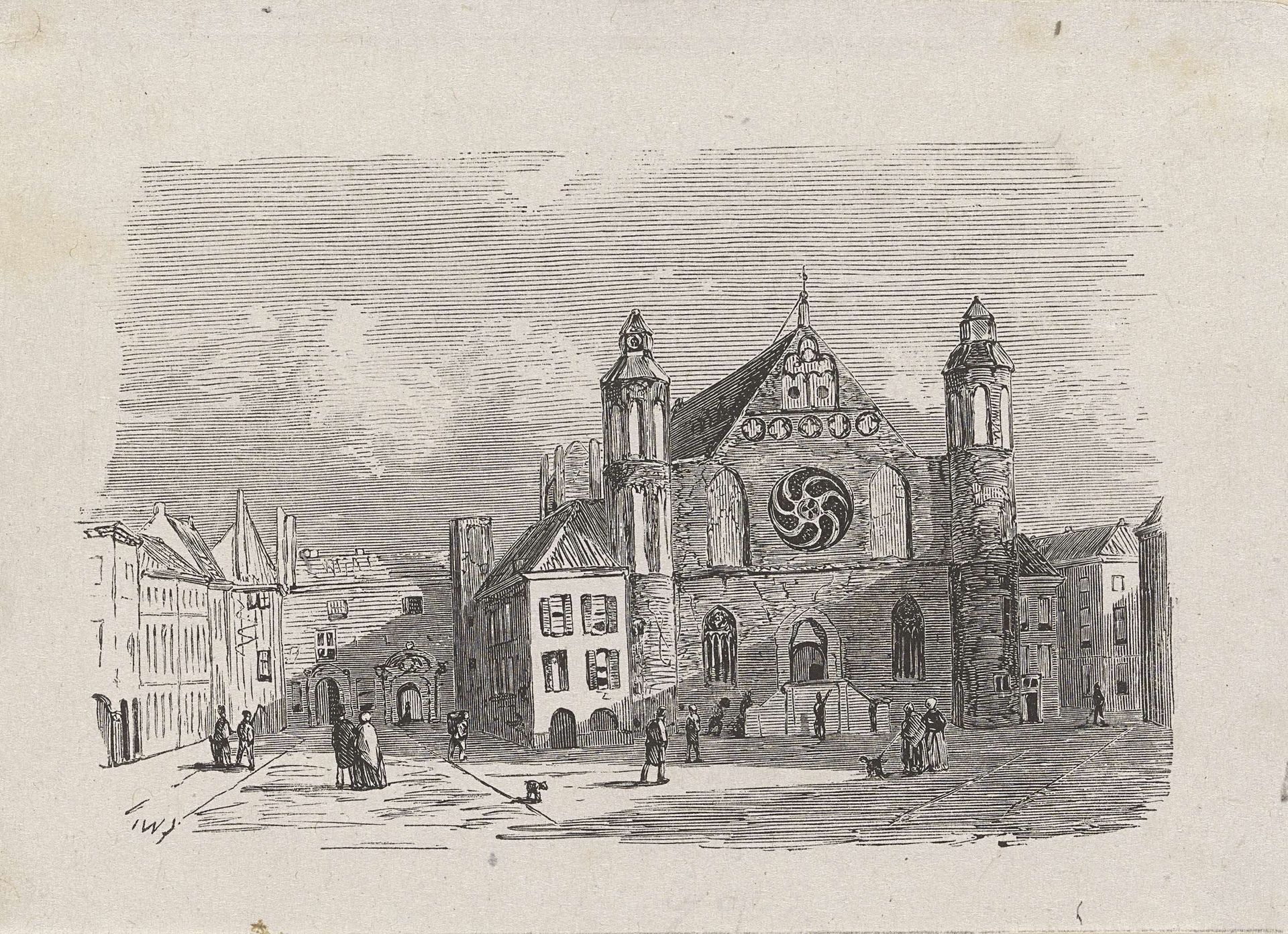
This print captures the Ridderzaal in Den Haag, rendered by Isaac Weissenbruch using etching techniques. At first glance, the composition is dominated by the imposing structure of the Ridderzaal. It is meticulously detailed with fine lines that define the architectural elements. The monochrome palette accentuates the interplay of light and shadow, adding depth and texture to the stone facade. Weissenbruch masterfully uses perspective to draw the viewer's eye towards the historical building. This may subtly echo the structuralist idea of an underlying order. The layout invites a semiotic reading, where each element, from the figures in the foreground to the building itself, acts as a signifier. Note the balance achieved through the distribution of figures and the starkness of the architectural form. It prompts us to consider how formal structures influence our perception and interpretation of historical and cultural spaces. This artwork invites us to recognize art as a dynamic interplay between form and meaning, challenging static interpretations.
Gezicht op de Ridderzaal te Den Haag 1836 - 1912

Isaac Weissenbruch
1826 - 1912Location
RijksmuseumArtwork details
- Medium
- drawing, print, paper, ink
- Dimensions
- height 111 mm, width 152 mm
- Location
- Rijksmuseum
- Copyright
- Rijks Museum: Open Domain
Tags
drawing
dutch-golden-age
landscape
paper
ink
cityscape
realism
Comments
No comments
About this artwork
This print captures the Ridderzaal in Den Haag, rendered by Isaac Weissenbruch using etching techniques. At first glance, the composition is dominated by the imposing structure of the Ridderzaal. It is meticulously detailed with fine lines that define the architectural elements. The monochrome palette accentuates the interplay of light and shadow, adding depth and texture to the stone facade. Weissenbruch masterfully uses perspective to draw the viewer's eye towards the historical building. This may subtly echo the structuralist idea of an underlying order. The layout invites a semiotic reading, where each element, from the figures in the foreground to the building itself, acts as a signifier. Note the balance achieved through the distribution of figures and the starkness of the architectural form. It prompts us to consider how formal structures influence our perception and interpretation of historical and cultural spaces. This artwork invites us to recognize art as a dynamic interplay between form and meaning, challenging static interpretations.
Comments
No comments