About this artwork
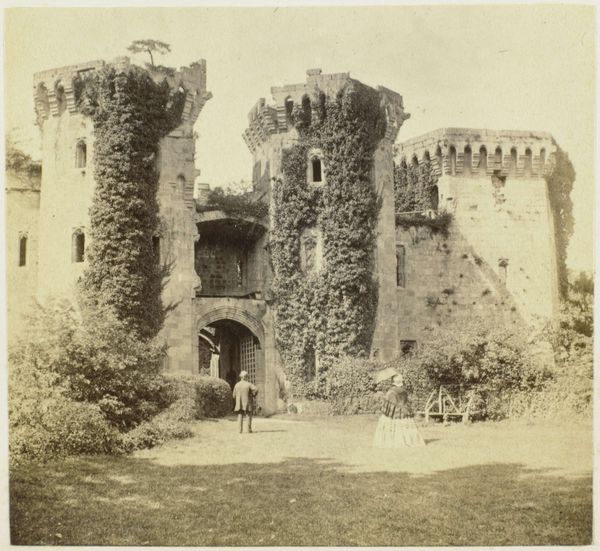
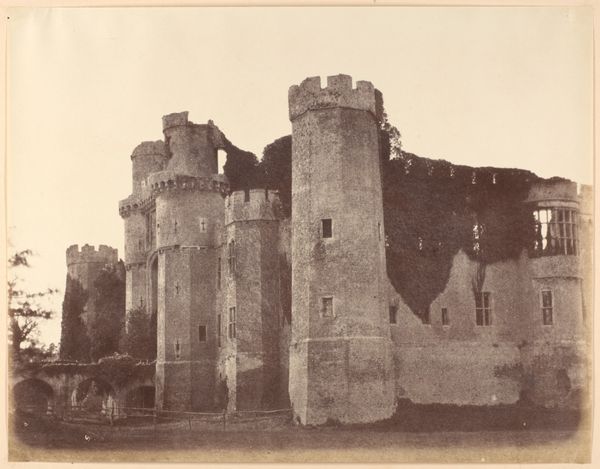
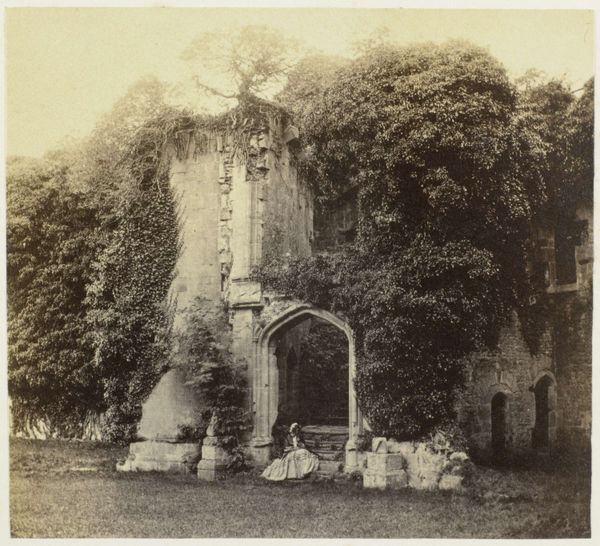
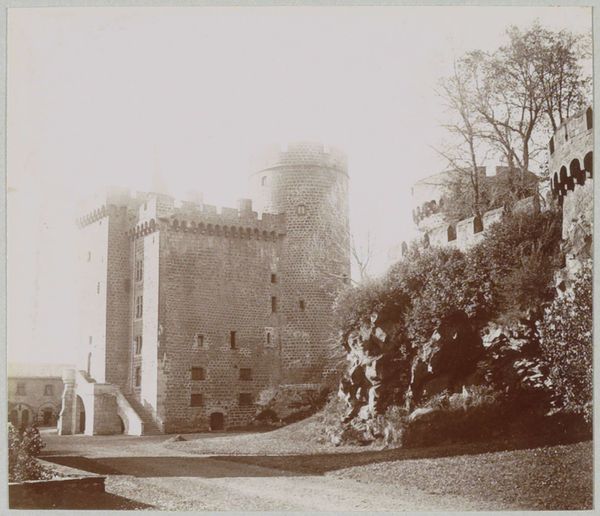
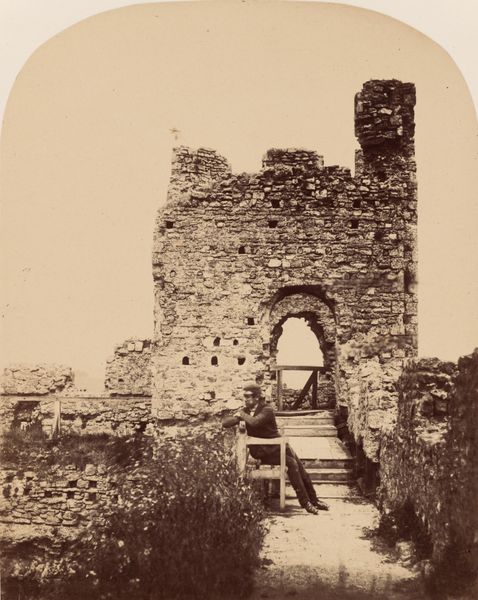
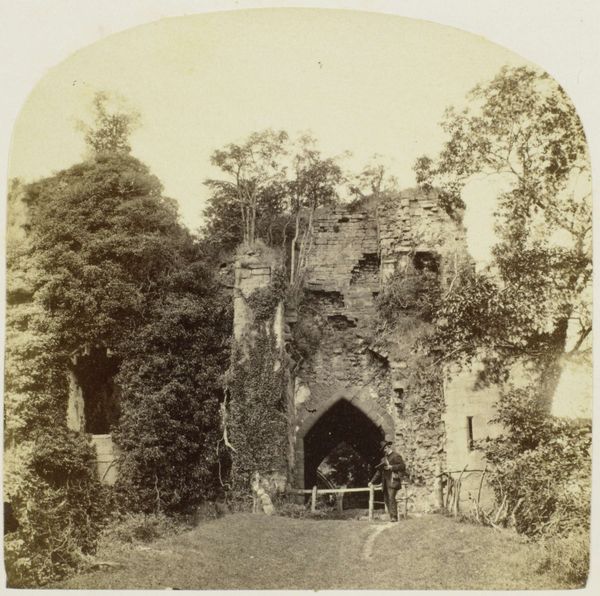
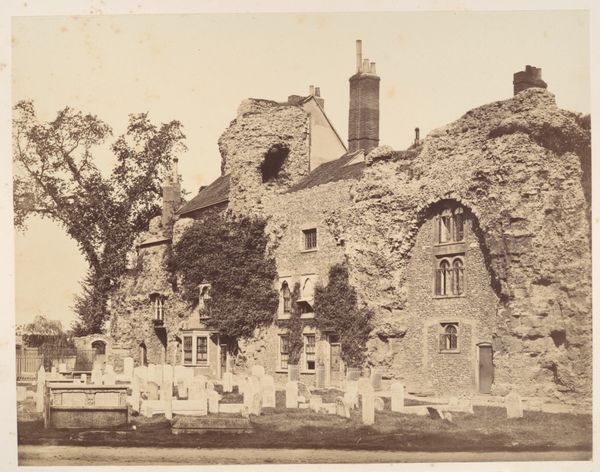
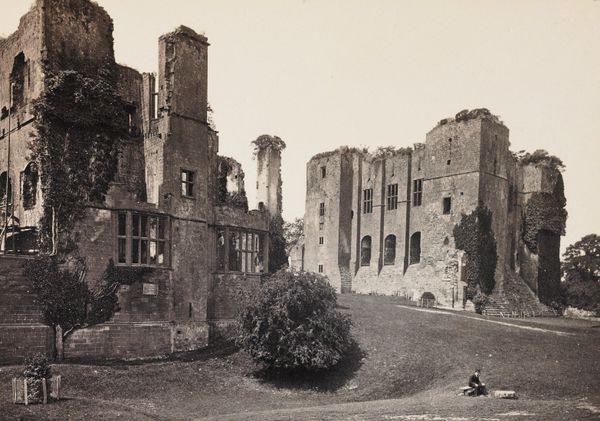
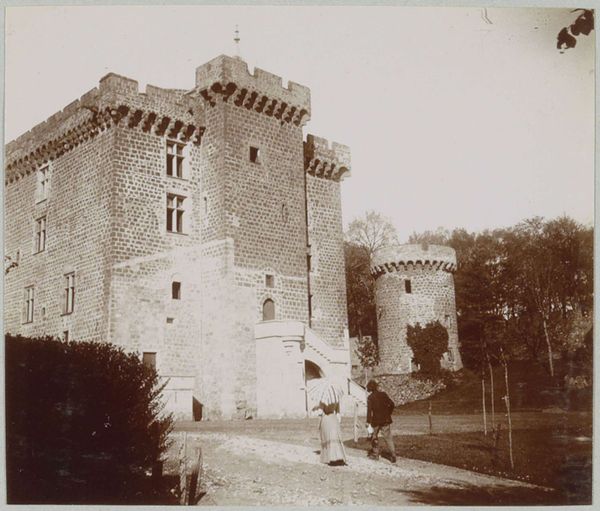
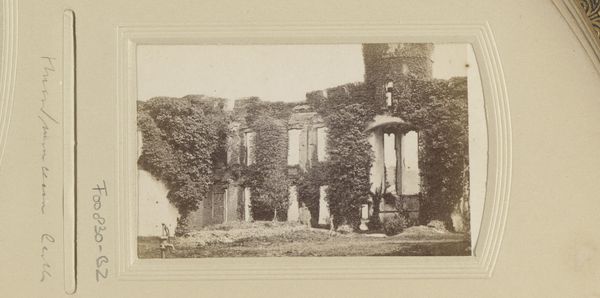
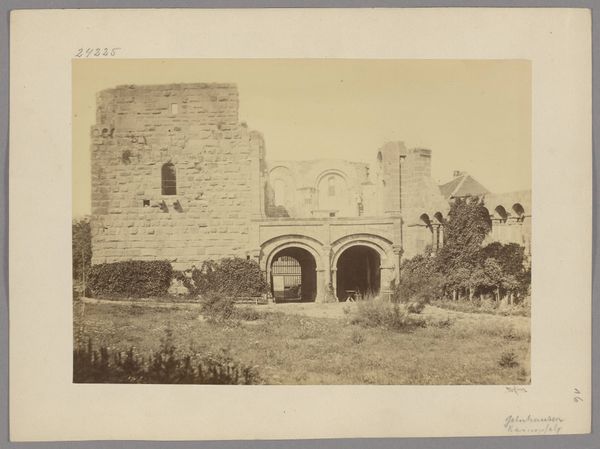
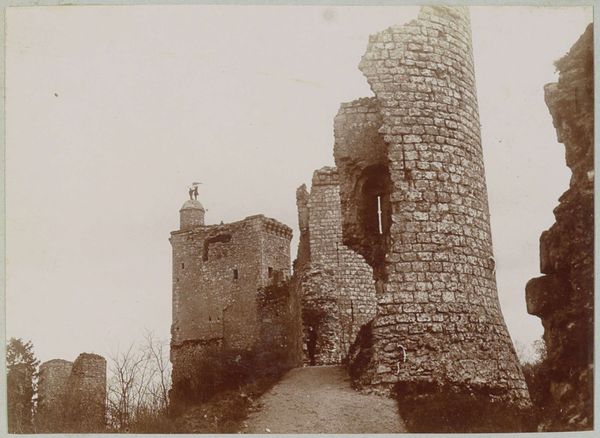
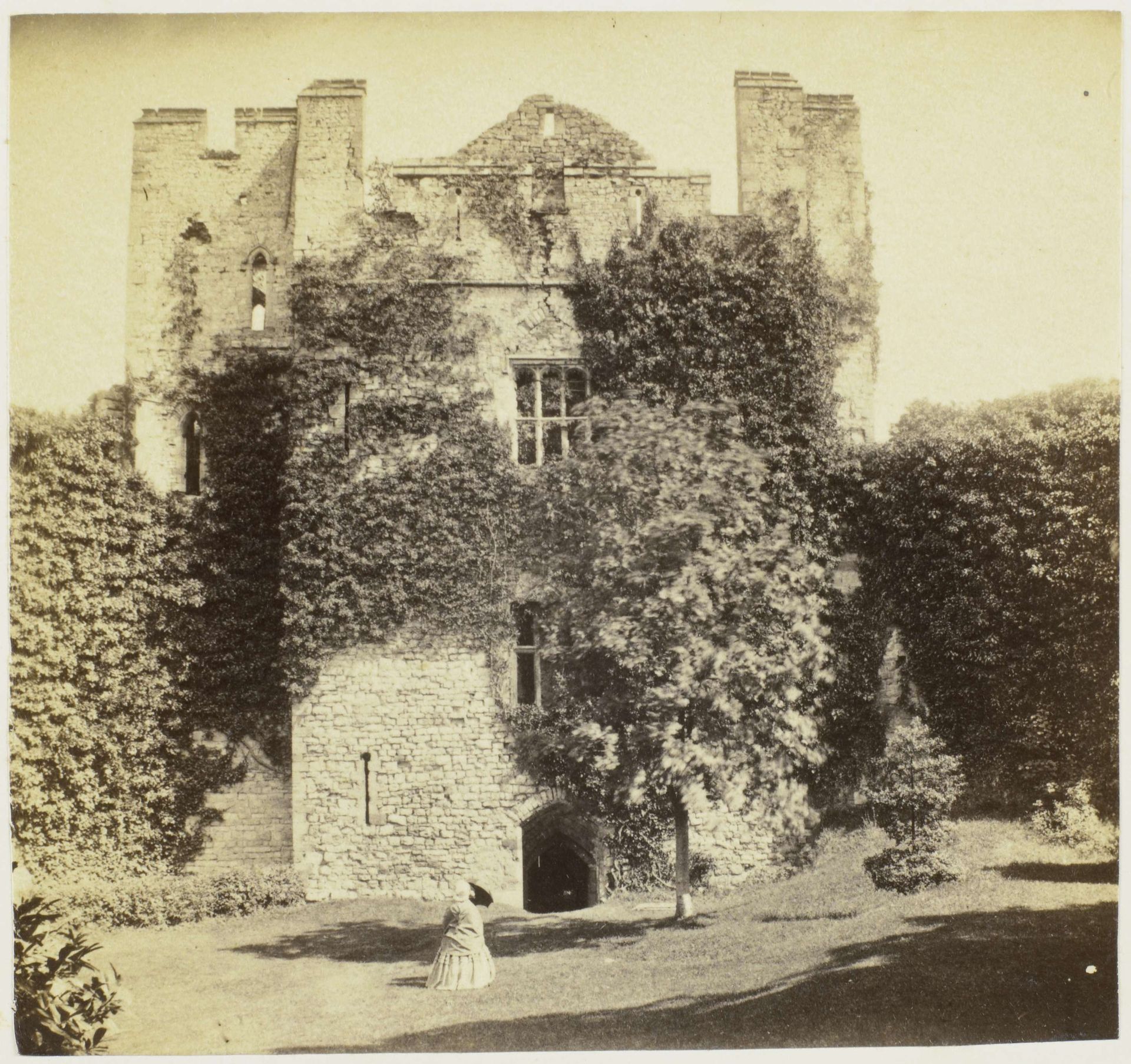
Francis Bedford captured this image of Marten's Tower at Chepstow Castle using photography, a relatively new medium in the 19th century. Bedford's work reflects the Victorian era's fascination with both its historical roots and the romantic idealization of the past. Here, the imposing medieval structure, softened by creeping foliage, becomes a picturesque scene, a testament to time and nature's gentle reclamation. But look closely at the figure in the foreground. Her presence, her dress, and her posture signal a narrative about gender and class. Positioned against the backdrop of ancient power, what does it mean to place a woman there? Is she an observer, a relic of the past herself, or a symbol of modern sensibility encountering history? The tower looms, a stoic witness to centuries of shifting power dynamics. The photograph is emotionally evocative, inviting us to consider our place within the continuum of history.

Artwork details
- Medium
- photography
- Dimensions
- height 78 mm, width 83 mm
- Copyright
- Rijks Museum: Open Domain
Tags
medieval
landscape
photography
Comments
No comments
About this artwork
Francis Bedford captured this image of Marten's Tower at Chepstow Castle using photography, a relatively new medium in the 19th century. Bedford's work reflects the Victorian era's fascination with both its historical roots and the romantic idealization of the past. Here, the imposing medieval structure, softened by creeping foliage, becomes a picturesque scene, a testament to time and nature's gentle reclamation. But look closely at the figure in the foreground. Her presence, her dress, and her posture signal a narrative about gender and class. Positioned against the backdrop of ancient power, what does it mean to place a woman there? Is she an observer, a relic of the past herself, or a symbol of modern sensibility encountering history? The tower looms, a stoic witness to centuries of shifting power dynamics. The photograph is emotionally evocative, inviting us to consider our place within the continuum of history.
Comments
No comments