1636
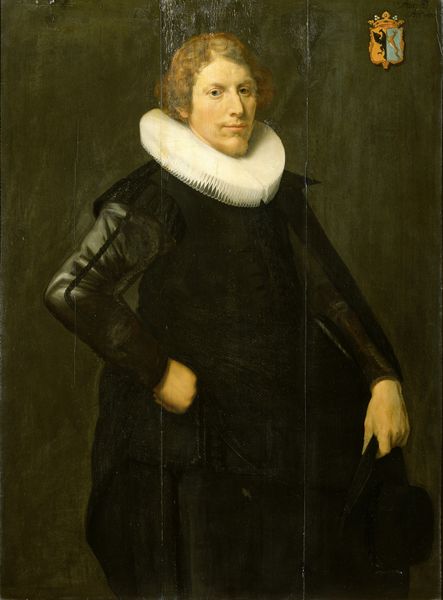
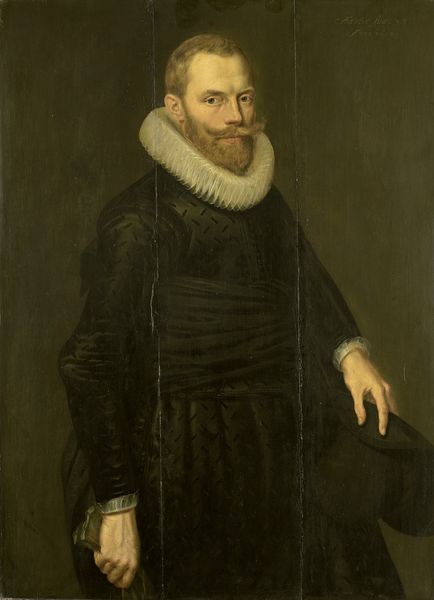
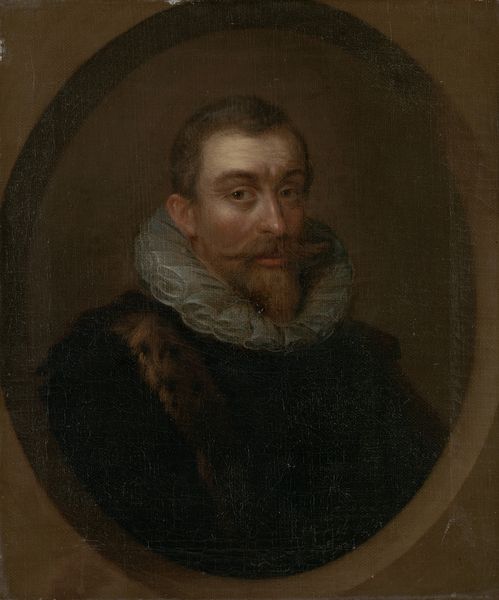
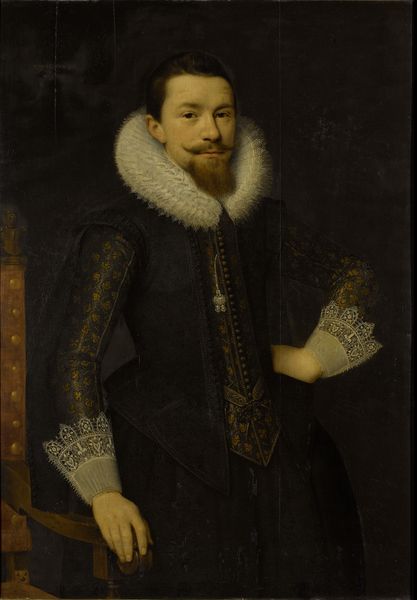
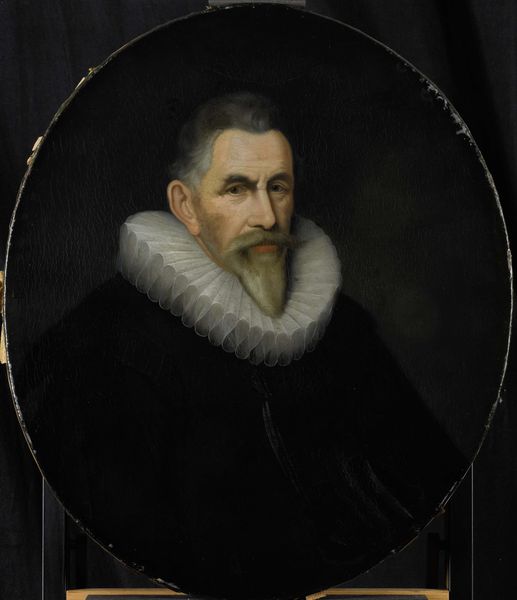
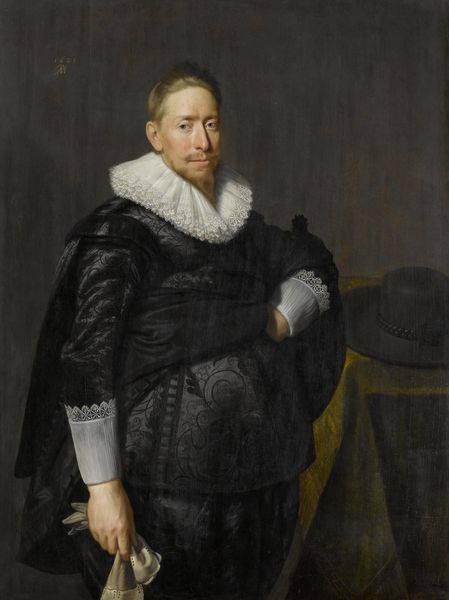
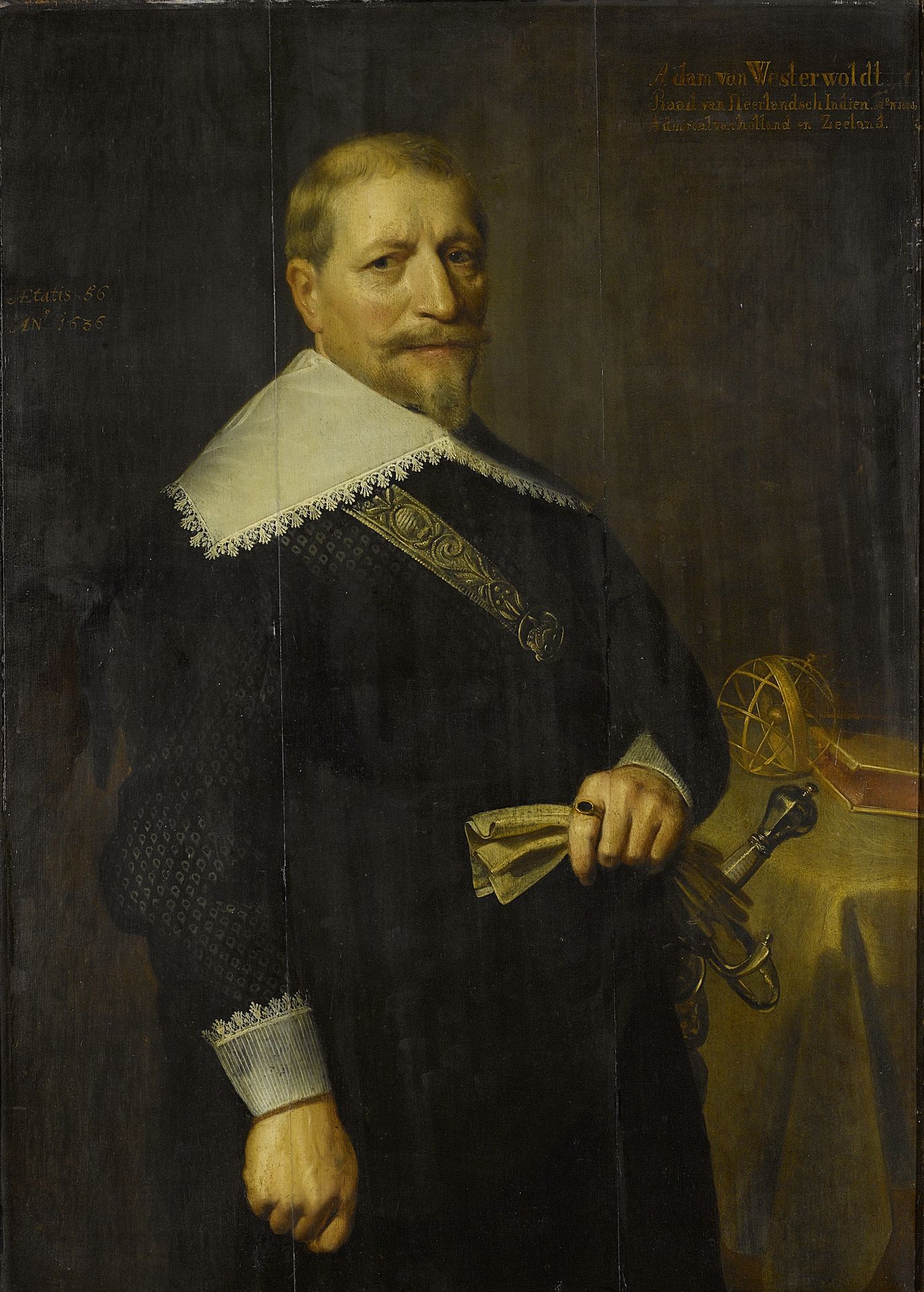
Portrait of Adam van Westerwolt (1580-1639)

Anonymous
@anonymousLocation
RijksmuseumListen to curator's interpretation
Curatorial notes
This portrait of Adam van Westerwolt was painted anonymously in the Netherlands, around 1635, using oil on panel. Van Westerwolt, a wealthy and influential figure, is depicted with symbols of status: his elaborate clothing and the sword at his side, signifying power and authority. In the 17th century, the Dutch Republic saw a surge in portraiture, driven by a rising merchant class eager to display their success. This work reflects the social conditions of its time, where wealth and status were increasingly important. The institutional history of art also plays a role, as the rise of art markets and patronage allowed for the production and distribution of such portraits. The painting itself does not critique the institutions of art, but rather serves as a testament to the evolving social structures of the time. To understand such an image fully, historians turn to archival records, genealogical research, and studies of material culture, all of which illuminate the social and institutional contexts that shaped its creation.