About this artwork
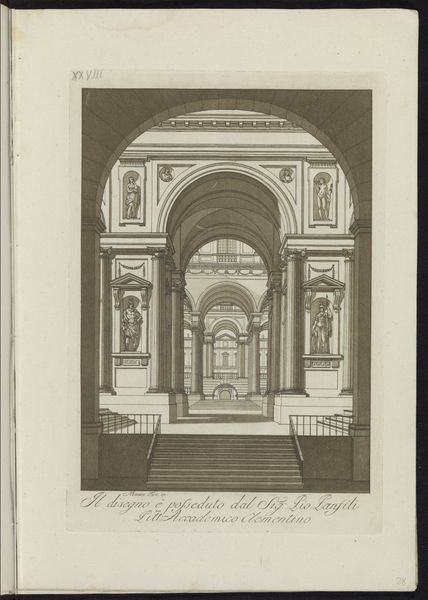
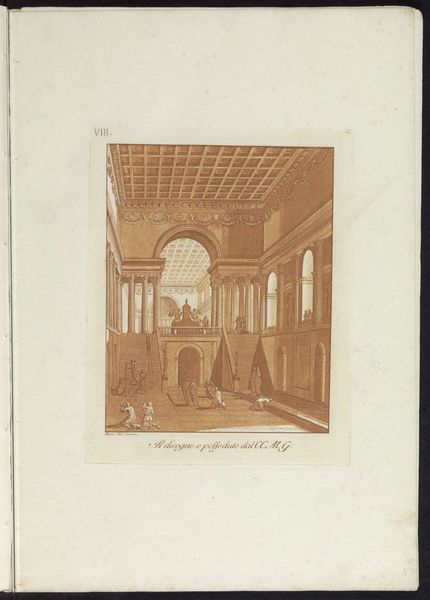
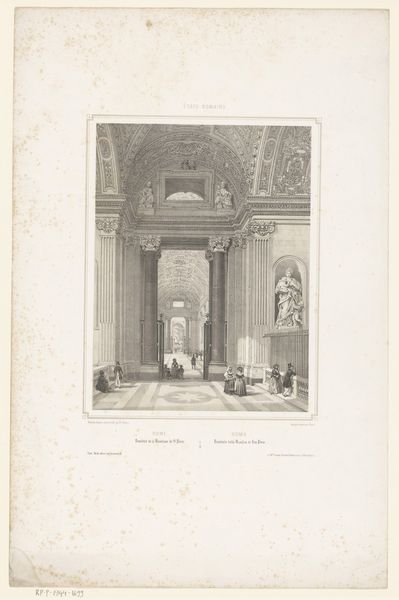
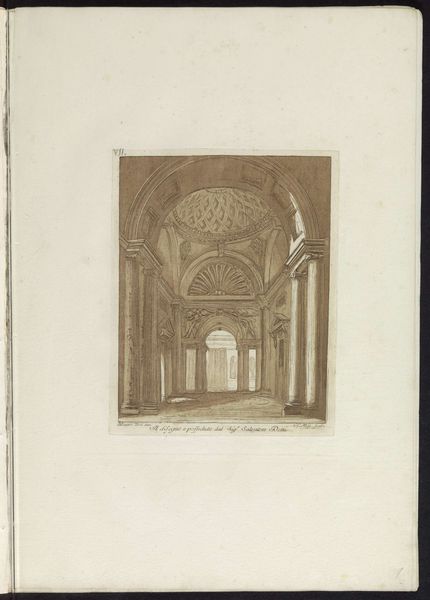
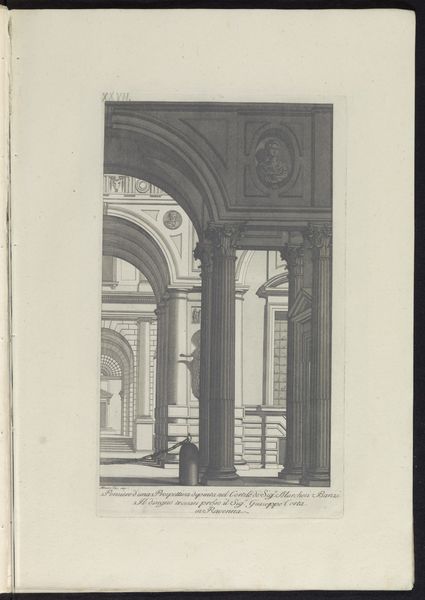
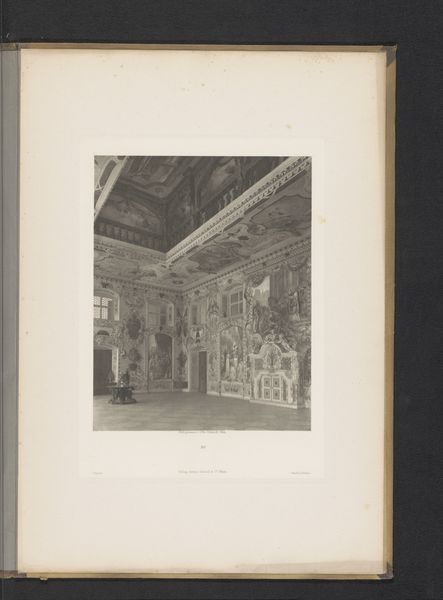
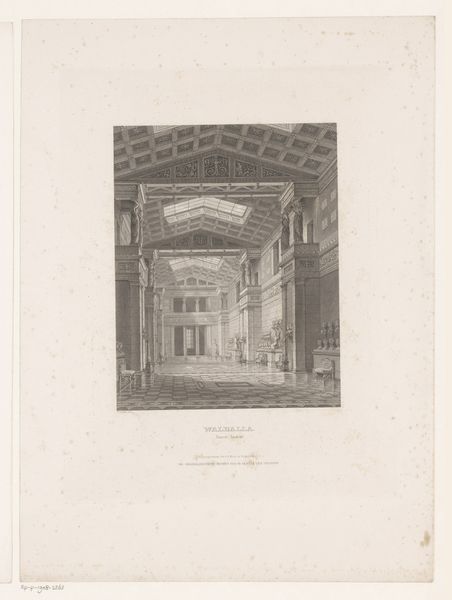
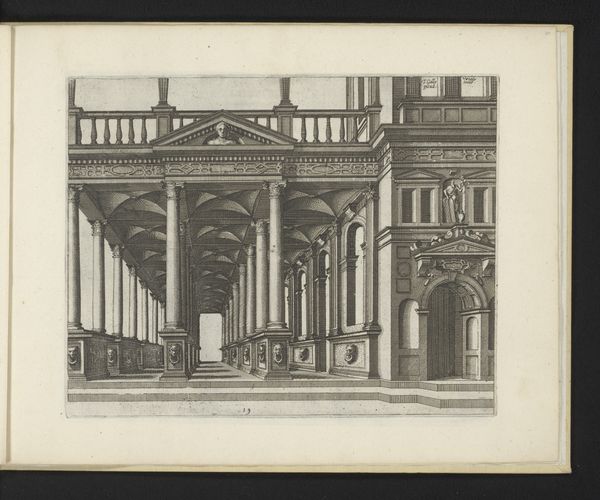
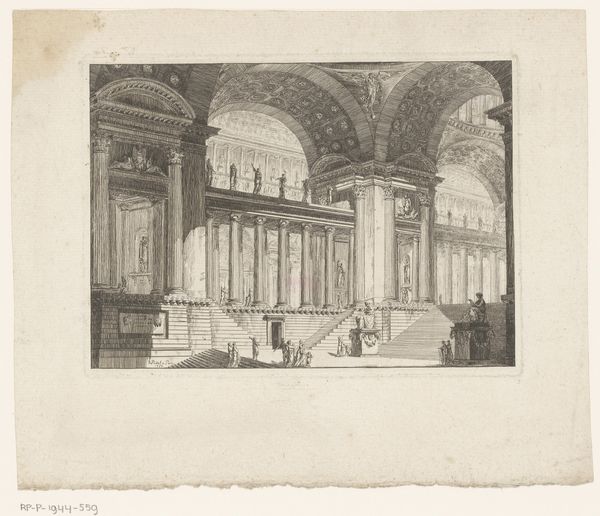
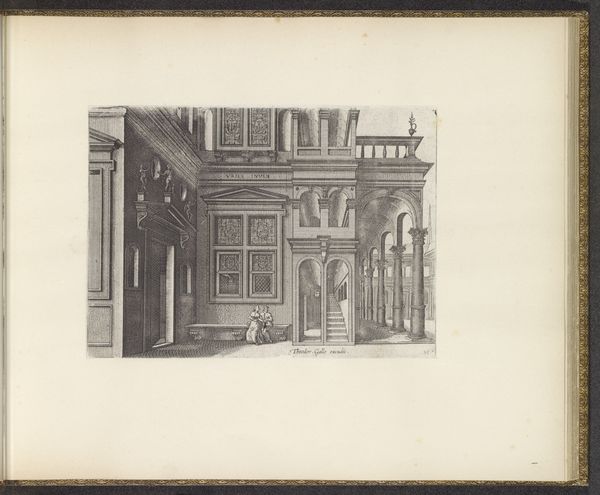
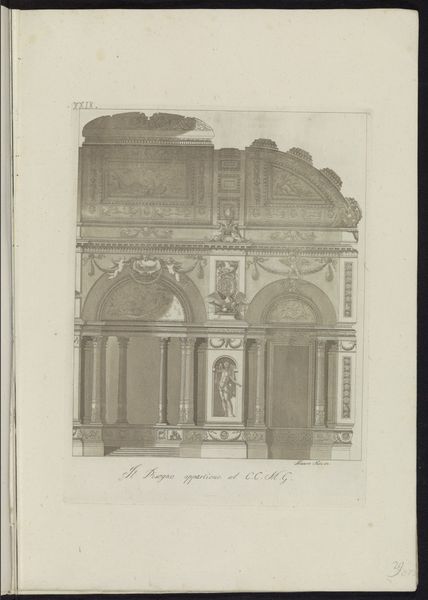
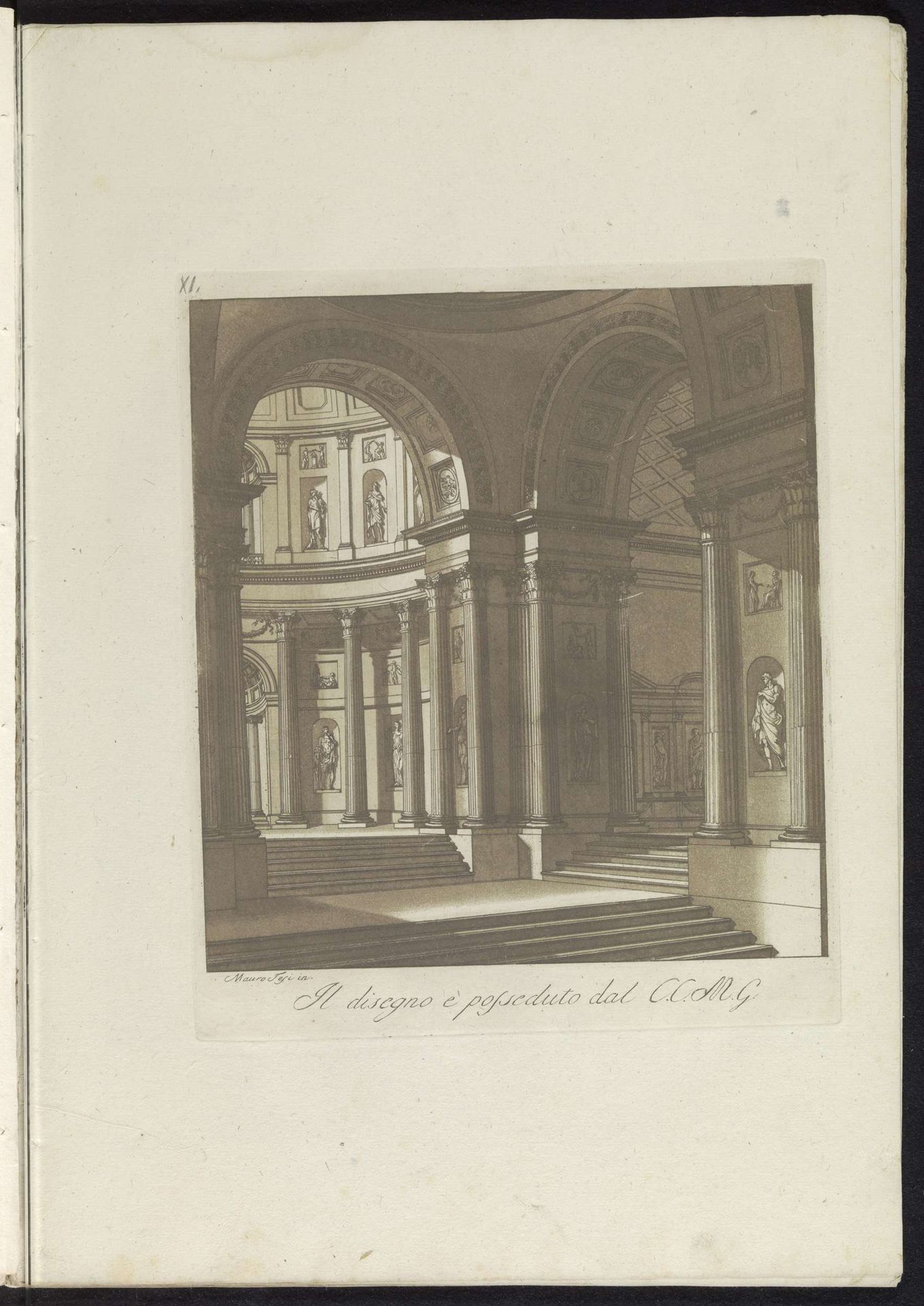
This print, titled "Interieur met trappartijen en beeldhouwwerken in nissen," resides in the Rijksmuseum and was made by an anonymous artist. The print depicts an interior space filled with staircases and sculptures, an architectural fantasy rendered with precision. The anonymity of the artist speaks volumes, gesturing towards the often-unrecognized labor that goes into the creation of art and architectural design. The statues stand in niches around the periphery of the space, classical figures whose whiteness may signal a more complex set of ideals around beauty, power, and privilege. This artwork captures a longing for an idealized past while subtly revealing the erasures and exclusions inherent in such grand visions. What does it mean to build monuments to beauty, and who gets to decide what that beauty looks like?
Interieur met trappartijen en beeldhouwwerken in nissen
1787

Anonymous
@anonymousLocation
RijksmuseumArtwork details
- Medium
- drawing, print, etching, paper, pen, engraving, architecture
- Dimensions
- height 253 mm, width 213 mm, height 414 mm, width 289 mm
- Location
- Rijksmuseum
- Copyright
- Rijks Museum: Open Domain
Tags
drawing
neoclacissism
etching
perspective
paper
classicism
pen
history-painting
engraving
architecture
Comments
Be the first to share your thoughts about this work.
About this artwork
This print, titled "Interieur met trappartijen en beeldhouwwerken in nissen," resides in the Rijksmuseum and was made by an anonymous artist. The print depicts an interior space filled with staircases and sculptures, an architectural fantasy rendered with precision. The anonymity of the artist speaks volumes, gesturing towards the often-unrecognized labor that goes into the creation of art and architectural design. The statues stand in niches around the periphery of the space, classical figures whose whiteness may signal a more complex set of ideals around beauty, power, and privilege. This artwork captures a longing for an idealized past while subtly revealing the erasures and exclusions inherent in such grand visions. What does it mean to build monuments to beauty, and who gets to decide what that beauty looks like?
Comments
Be the first to share your thoughts about this work.