![Colossus in front of Temple of Wady Saboua [Wadi al-Sabua], Nubia. by David Roberts](https://d2w8kbdekdi1gv.cloudfront.net/eyJidWNrZXQiOiAiYXJ0ZXJhLWltYWdlcy1idWNrZXQiLCAia2V5IjogImFydHdvcmtzL2MyNjJiYTcwLWFkMDYtNDNkMC1iMTc1LThiMDIyYThlMWM4MC9jMjYyYmE3MC1hZDA2LTQzZDAtYjE3NS04YjAyMmE4ZTFjODBfZnVsbC5qcGciLCAiZWRpdHMiOiB7InJlc2l6ZSI6IHsid2lkdGgiOiAxOTIwLCAiaGVpZ2h0IjogMTkyMCwgImZpdCI6ICJpbnNpZGUifX19)
About this artwork
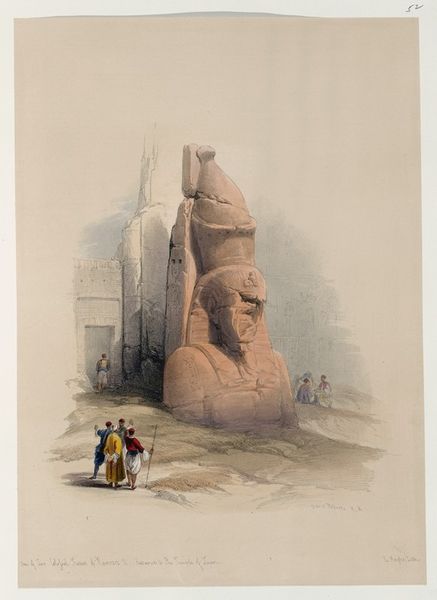
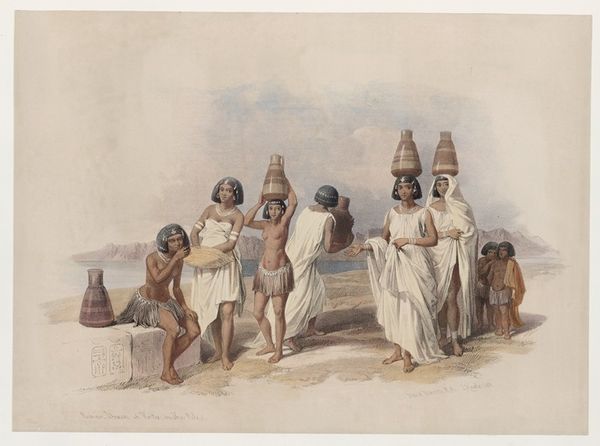
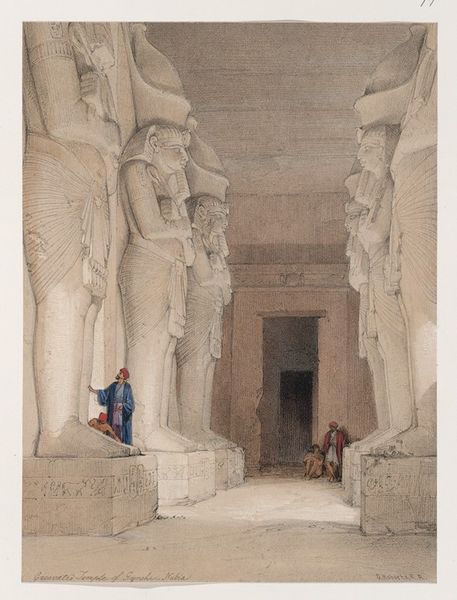
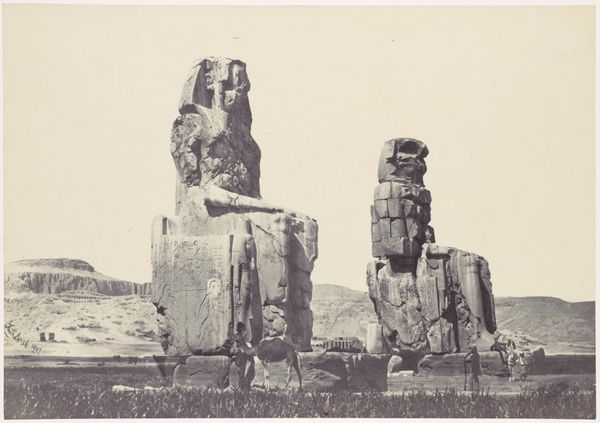
David Roberts made this tinted lithograph of the Colossus in front of the Temple of Wady Saboua in Nubia sometime in the mid-19th century. Roberts was a Scottish painter known for his detailed depictions of historical sites. He traveled extensively in the Middle East, and this work reflects the West’s fascination with Egyptian antiquity during that period. This image complicates any simple understanding of representation and power. A massive pharaoh looms, carved in stone, a symbol of ancient power. A group of contemporary Nubians stand at the base of the statue, their identities and stories seemingly dwarfed by the colossus, but note that the artist has given them each particular features. What does it mean to see these men, caught between the shadows of the past, and the gaze of the present? The image invites us to reflect on the layers of history, and how identity is shaped, claimed, and sometimes, obscured. This is a deeply felt and personal rendering, despite its grandeur.
Colossus in front of Temple of Wady Saboua [Wadi al-Sabua], Nubia.
1846 - 1849

Artwork details
- Medium
- drawing, watercolor
- Copyright
- Public Domain: Artvee
Tags
Comments
Share your thoughts
About this artwork
David Roberts made this tinted lithograph of the Colossus in front of the Temple of Wady Saboua in Nubia sometime in the mid-19th century. Roberts was a Scottish painter known for his detailed depictions of historical sites. He traveled extensively in the Middle East, and this work reflects the West’s fascination with Egyptian antiquity during that period. This image complicates any simple understanding of representation and power. A massive pharaoh looms, carved in stone, a symbol of ancient power. A group of contemporary Nubians stand at the base of the statue, their identities and stories seemingly dwarfed by the colossus, but note that the artist has given them each particular features. What does it mean to see these men, caught between the shadows of the past, and the gaze of the present? The image invites us to reflect on the layers of history, and how identity is shaped, claimed, and sometimes, obscured. This is a deeply felt and personal rendering, despite its grandeur.
Comments
Share your thoughts