About this artwork
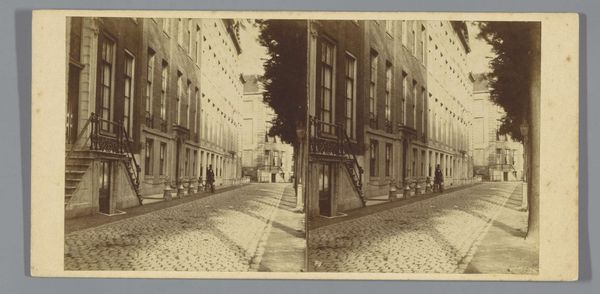
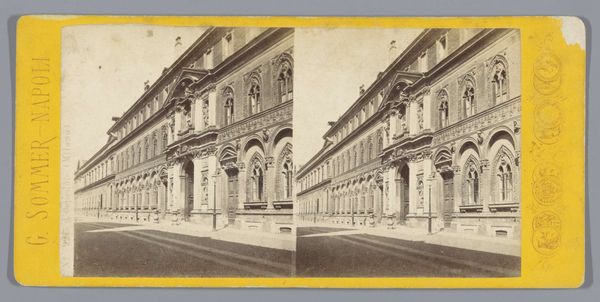
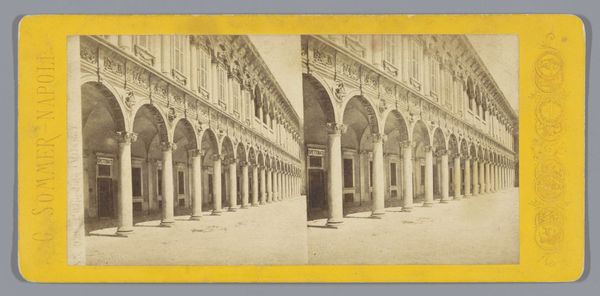
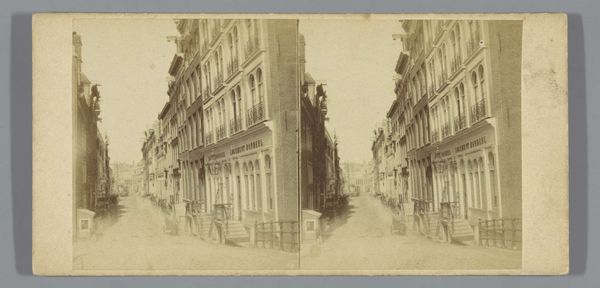
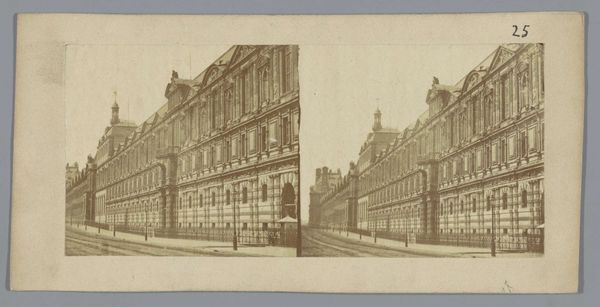
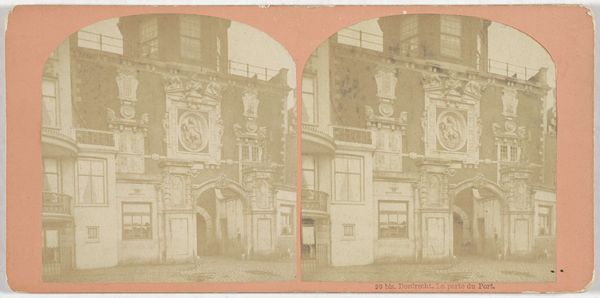
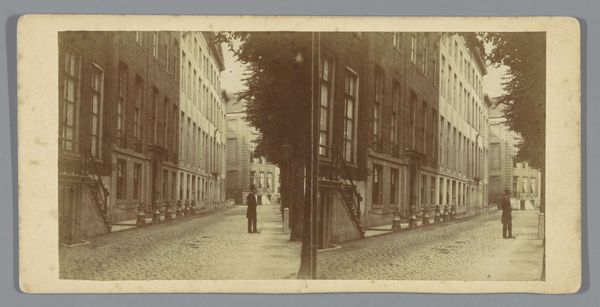
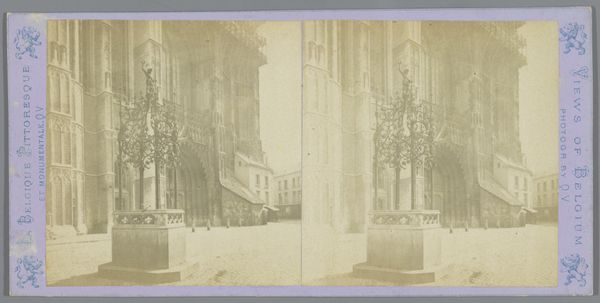
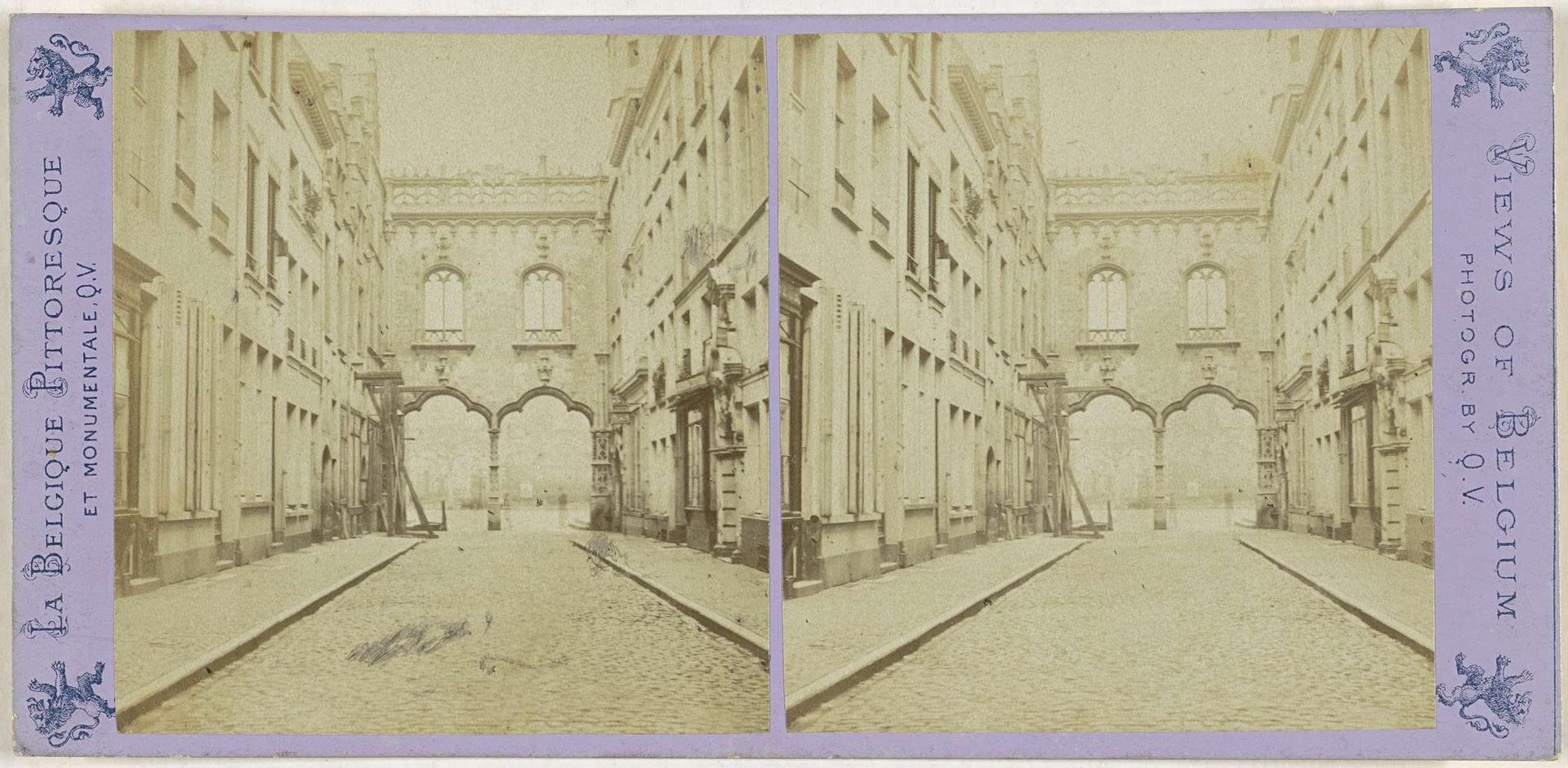
Jules Hippolyte Quéval captured this photograph of the Antwerp Stock Exchange entrance after the 1853 fire, likely using a collodion process on a glass plate negative, a cutting-edge technology at the time. The sepia tones lend a sense of historical distance, but also highlight the very material of the photograph itself. Think of the labor involved: mining the silver for the light-sensitive emulsion, carefully coating the glass, the precision of the exposure and development. Every step, from the darkroom to the final print, demanded skill and care. Quéval was not only documenting architecture but also engaging with the burgeoning culture of commerce and industry. The image itself became a commodity, sold as a stereoscopic view, offering a three-dimensional glimpse into a world of trade and reconstruction. Considering the photograph in this way allows us to appreciate not just the image but the entire network of production and consumption surrounding it, blurring the lines between art, craft, and the everyday.
Entree van de handelsbeurs in Antwerpen na de brand van 1853 1866 - 1870

Jules Hippolyte Quéval
1824Location
RijksmuseumArtwork details
- Medium
- print, photography, albumen-print
- Dimensions
- height 85 mm, width 174 mm
- Location
- Rijksmuseum
- Copyright
- Rijks Museum: Open Domain
Tags
etching
street-photography
photography
cityscape
albumen-print
Comments
No comments
About this artwork
Jules Hippolyte Quéval captured this photograph of the Antwerp Stock Exchange entrance after the 1853 fire, likely using a collodion process on a glass plate negative, a cutting-edge technology at the time. The sepia tones lend a sense of historical distance, but also highlight the very material of the photograph itself. Think of the labor involved: mining the silver for the light-sensitive emulsion, carefully coating the glass, the precision of the exposure and development. Every step, from the darkroom to the final print, demanded skill and care. Quéval was not only documenting architecture but also engaging with the burgeoning culture of commerce and industry. The image itself became a commodity, sold as a stereoscopic view, offering a three-dimensional glimpse into a world of trade and reconstruction. Considering the photograph in this way allows us to appreciate not just the image but the entire network of production and consumption surrounding it, blurring the lines between art, craft, and the everyday.
Comments
No comments