About this artwork
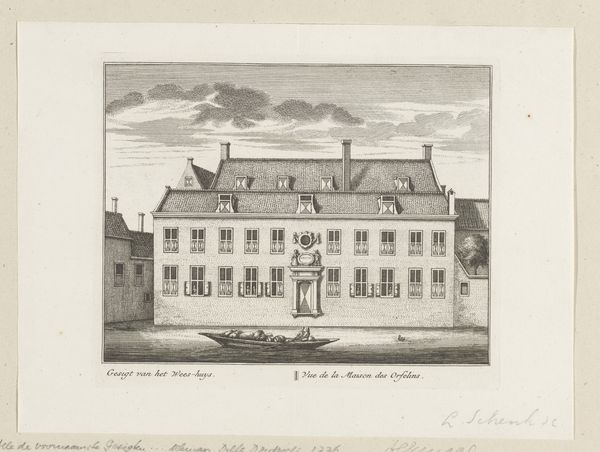
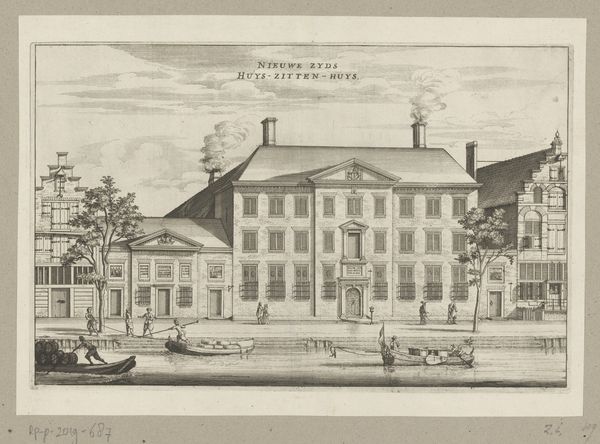
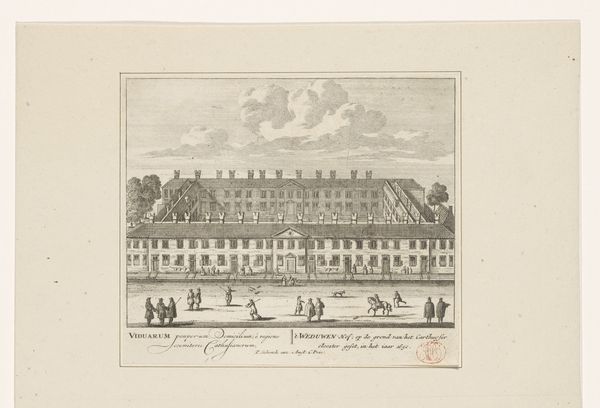
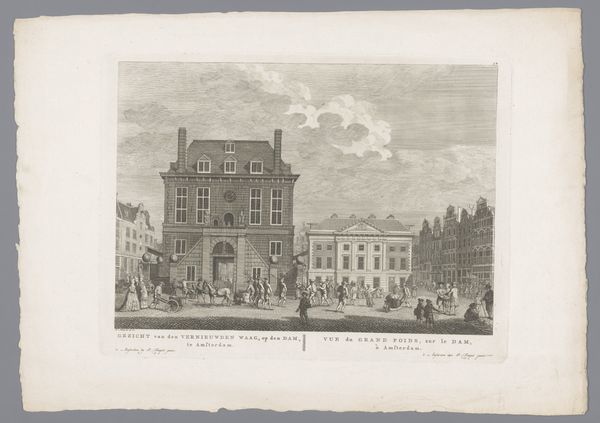
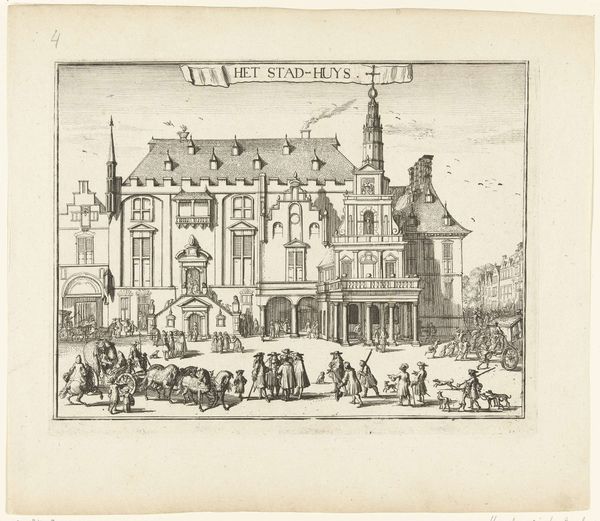
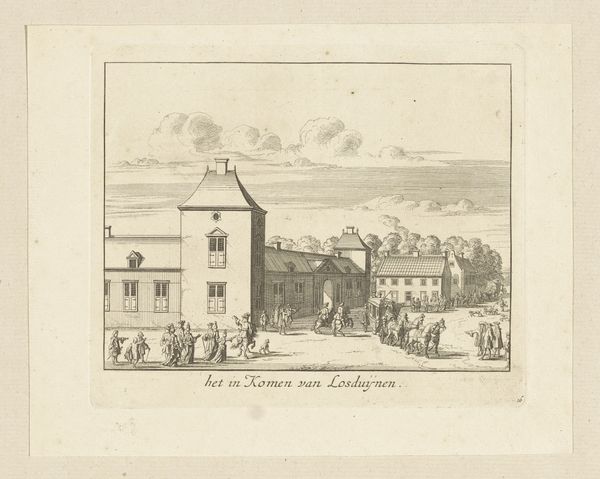
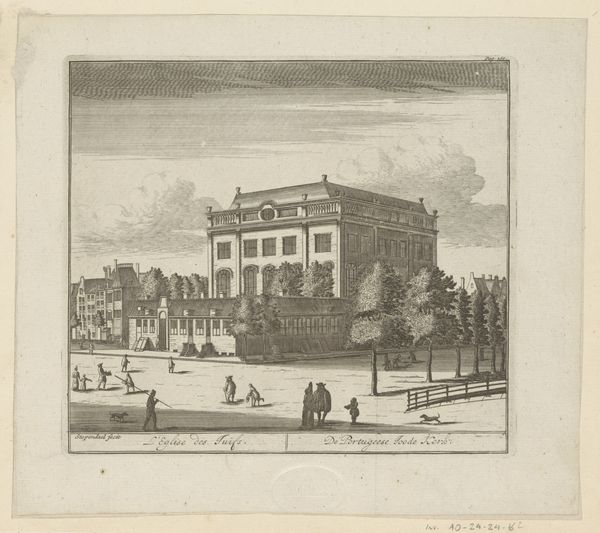
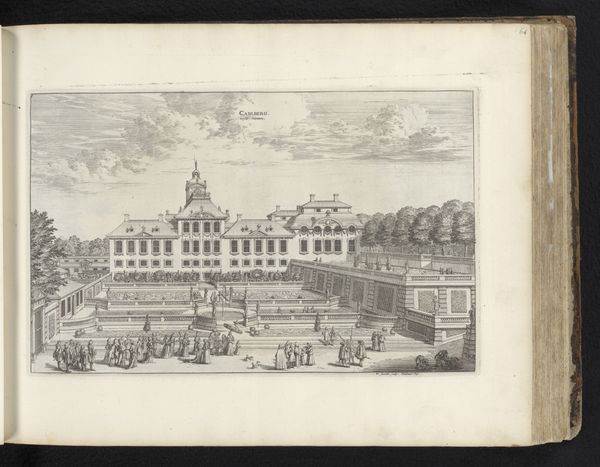
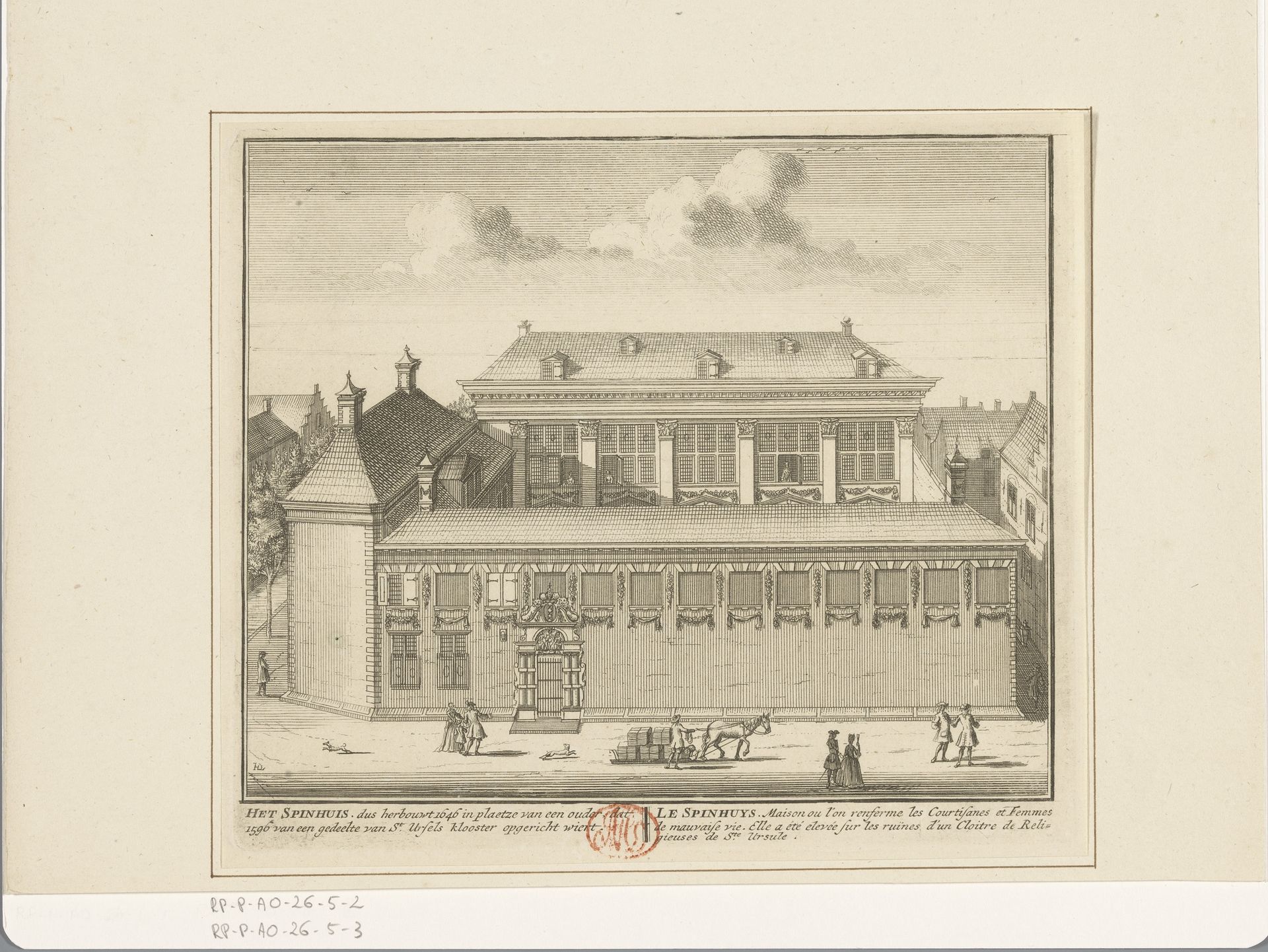
This print of the Spinhuis in Amsterdam was made by Hendrik de Leth in the 18th century. Immediately, the precise and linear quality of the engraving captures our attention. The building is depicted with an emphasis on symmetry and geometric clarity. The architectural structure is presented as a series of horizontal layers, each carefully delineated by linear details. Notice how the regular patterns of windows and the repetition of decorative elements create a rhythmic order across the facade. This formal arrangement reflects the values of the Enlightenment era, where reason and order were highly esteemed. De Leth’s use of line serves not just to represent but to categorize and organize visual space according to rational principles. The Spinhuis embodies the architectural and philosophical ideals of its time. It invites us to consider how structures, both physical and conceptual, shape our understanding of society.
Gezicht op het Spinhuis te Amsterdam
1726 - 1766

Hendrik de Leth
1703 - 1766Location
RijksmuseumArtwork details
- Medium
- engraving, architecture
- Dimensions
- height 170 mm, width 199 mm
- Location
- Rijksmuseum
- Copyright
- Rijks Museum: Open Domain
Tags
Comments
Share your thoughts
About this artwork
This print of the Spinhuis in Amsterdam was made by Hendrik de Leth in the 18th century. Immediately, the precise and linear quality of the engraving captures our attention. The building is depicted with an emphasis on symmetry and geometric clarity. The architectural structure is presented as a series of horizontal layers, each carefully delineated by linear details. Notice how the regular patterns of windows and the repetition of decorative elements create a rhythmic order across the facade. This formal arrangement reflects the values of the Enlightenment era, where reason and order were highly esteemed. De Leth’s use of line serves not just to represent but to categorize and organize visual space according to rational principles. The Spinhuis embodies the architectural and philosophical ideals of its time. It invites us to consider how structures, both physical and conceptual, shape our understanding of society.
Comments
Share your thoughts