About this artwork
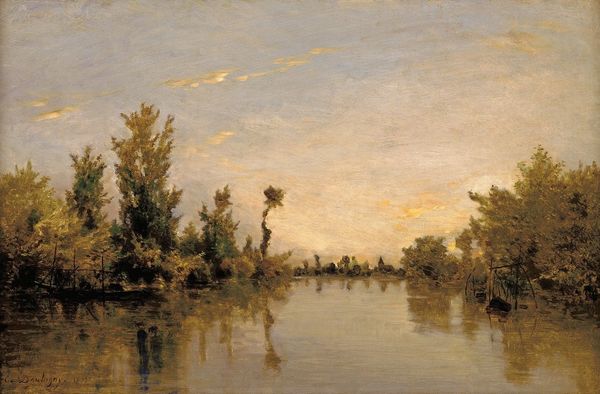
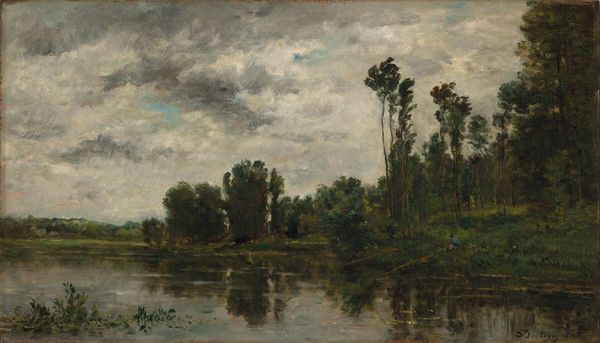
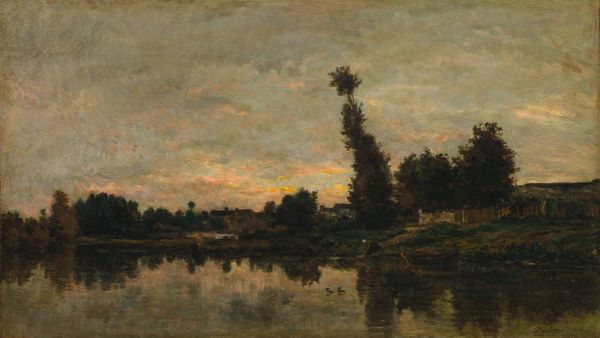
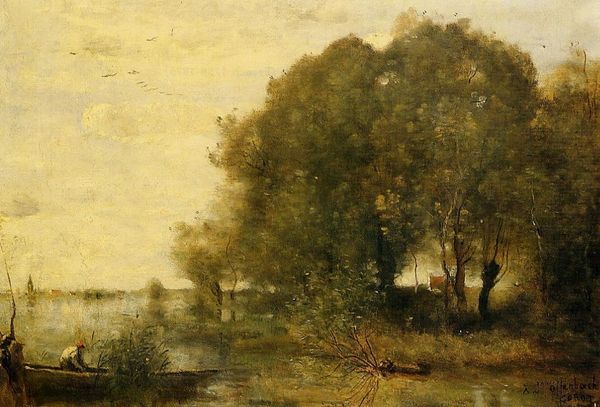
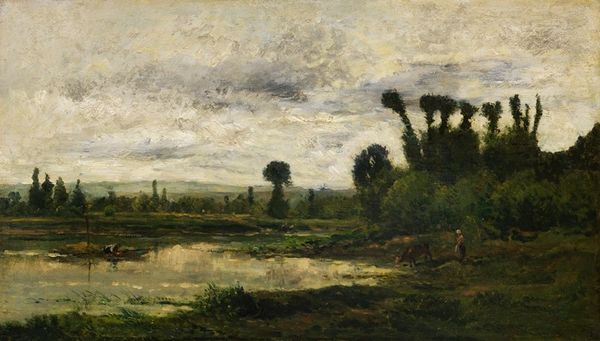
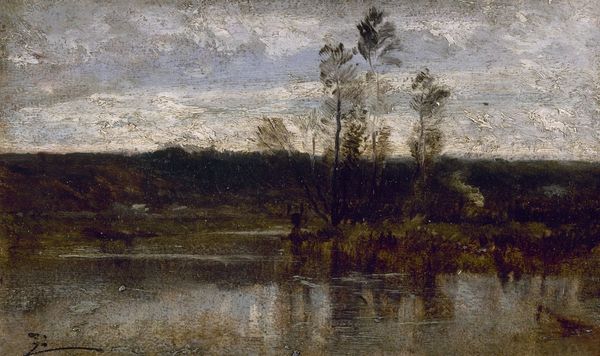
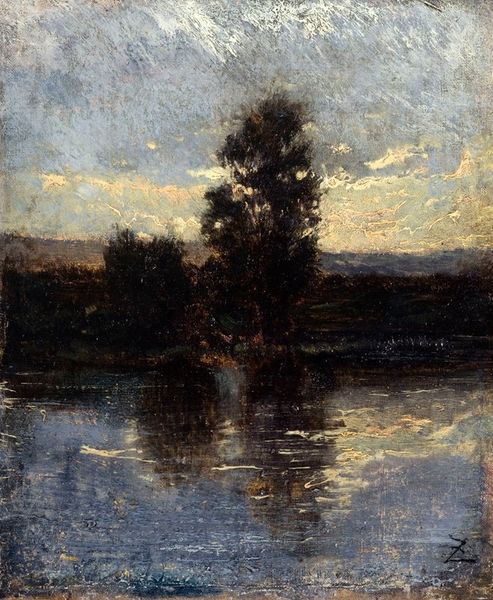
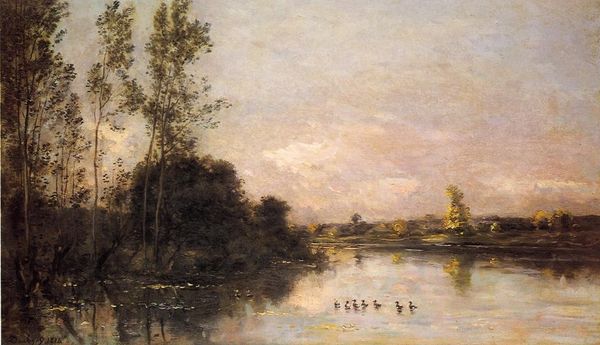
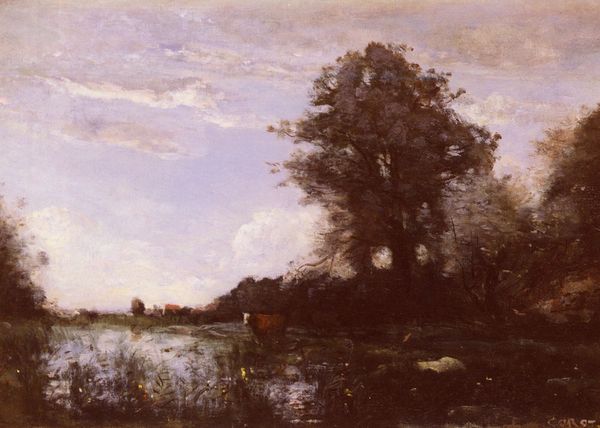
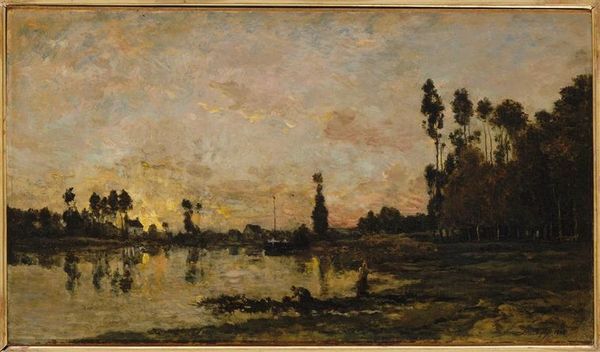
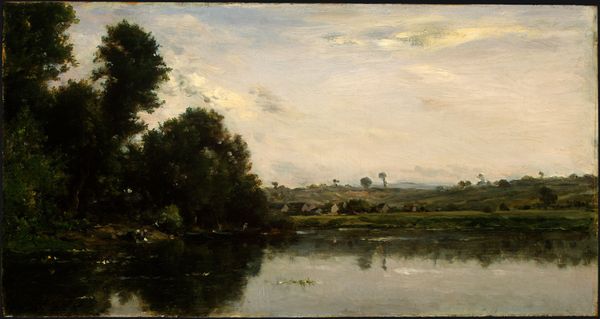
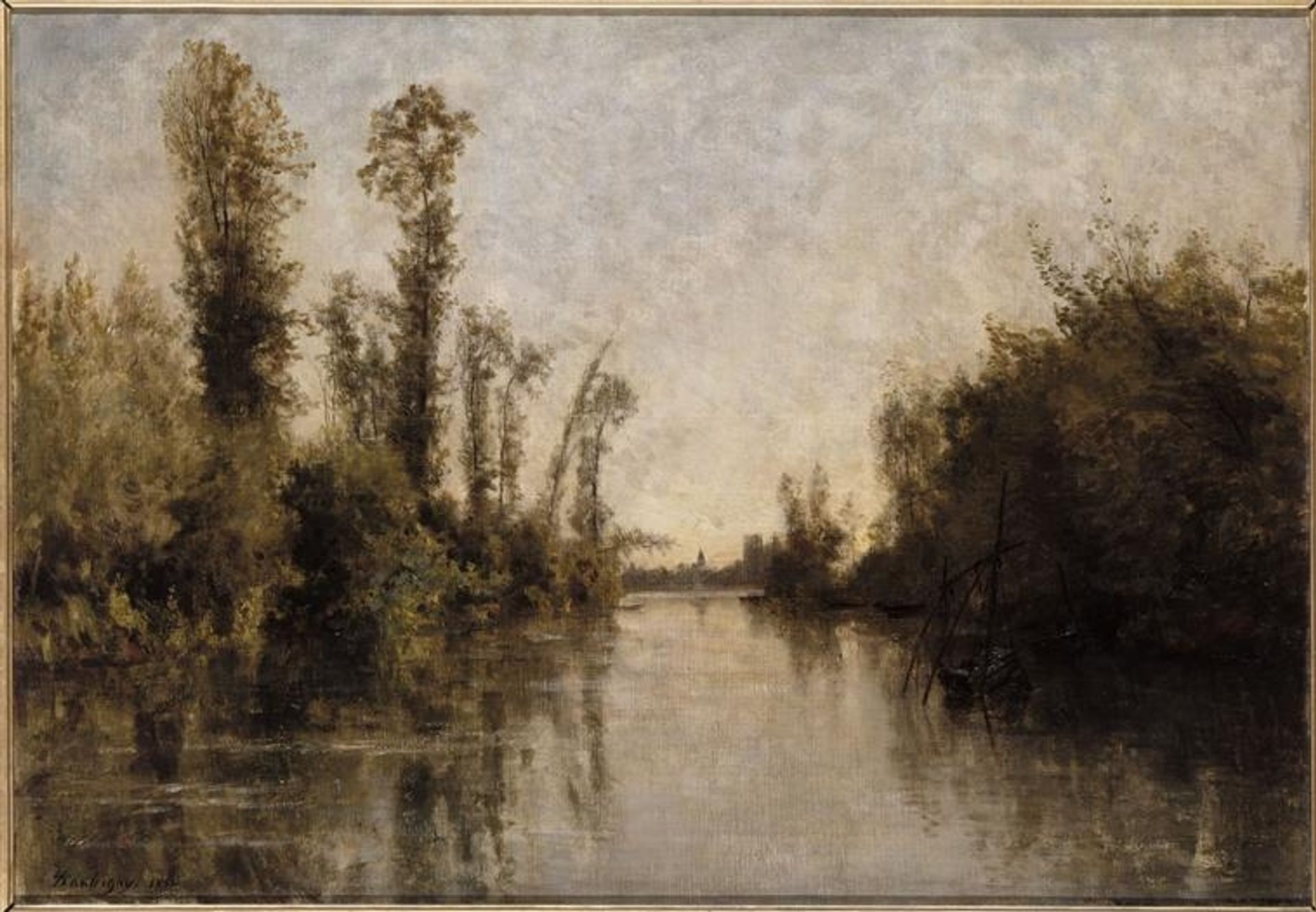
Charles-François Daubigny painted this canvas of the banks of the Seine in France during the 19th century. The muted tones and tranquil river present a scene of calm natural beauty. Daubigny was a key figure in the Barbizon School, a group of artists who rejected the academic tradition of history painting in favor of direct observation of nature. They left the confines of the studio, setting up their easels in the Forest of Fontainebleau to paint ‘en plein air’. This approach was radical at the time, challenging the institutional norms of the French art world, which valued idealized landscapes over more realistic depictions of the countryside. 'The Banks of the Seine' reflects the Barbizon School's interest in the changing effects of light and atmosphere on the landscape. It paved the way for the Impressionists, who took the Barbizon School’s innovations even further, prioritizing subjective experience over objective representation. Art historians consult a range of period sources such as exhibition reviews, artists' letters, and the records of museums to understand the cultural significance of paintings like this. These resources allow us to understand art as something thoroughly rooted in its time.
The banks of Seine
1851

Charles François Daubigny
1817 - 1878Location
Musée des Beaux-Arts de Nantes, Nantes, FranceArtwork details
- Dimensions
- 70 x 105 cm
- Location
- Musée des Beaux-Arts de Nantes, Nantes, France
- Copyright
- Public domain
Comments
Share your thoughts
About this artwork
Charles-François Daubigny painted this canvas of the banks of the Seine in France during the 19th century. The muted tones and tranquil river present a scene of calm natural beauty. Daubigny was a key figure in the Barbizon School, a group of artists who rejected the academic tradition of history painting in favor of direct observation of nature. They left the confines of the studio, setting up their easels in the Forest of Fontainebleau to paint ‘en plein air’. This approach was radical at the time, challenging the institutional norms of the French art world, which valued idealized landscapes over more realistic depictions of the countryside. 'The Banks of the Seine' reflects the Barbizon School's interest in the changing effects of light and atmosphere on the landscape. It paved the way for the Impressionists, who took the Barbizon School’s innovations even further, prioritizing subjective experience over objective representation. Art historians consult a range of period sources such as exhibition reviews, artists' letters, and the records of museums to understand the cultural significance of paintings like this. These resources allow us to understand art as something thoroughly rooted in its time.
Comments
Share your thoughts