About this artwork
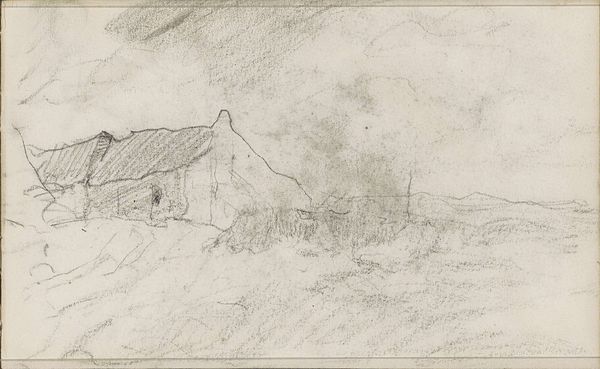
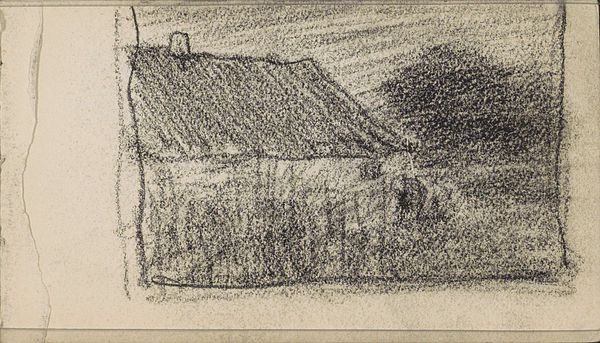
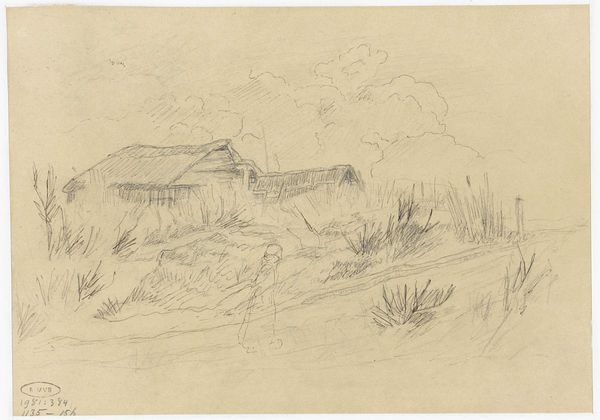
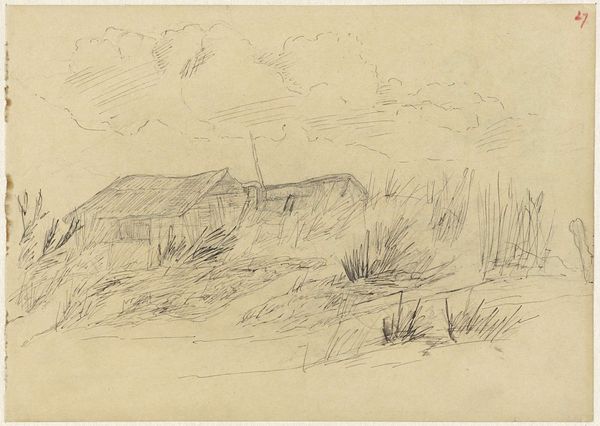
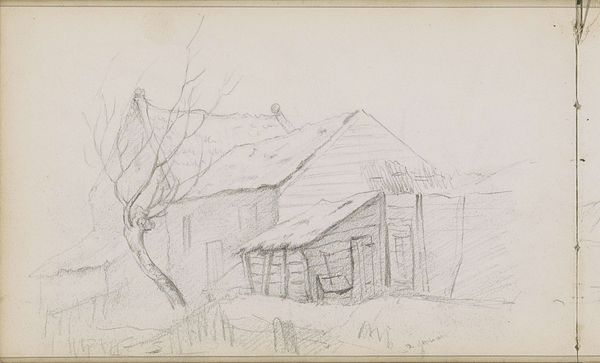
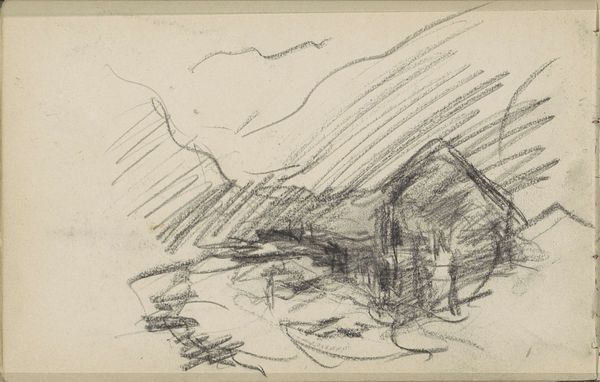
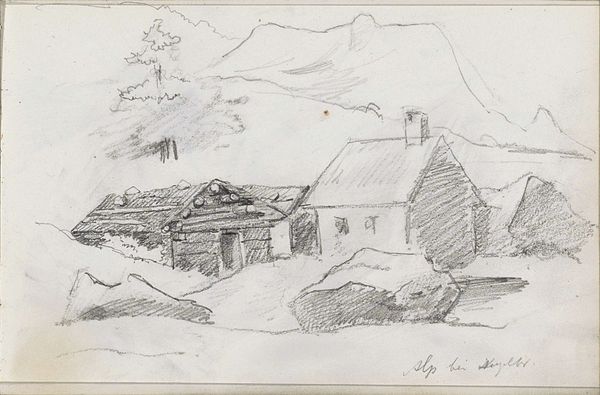
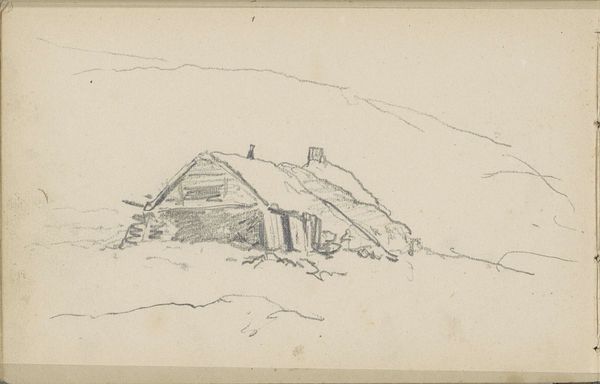
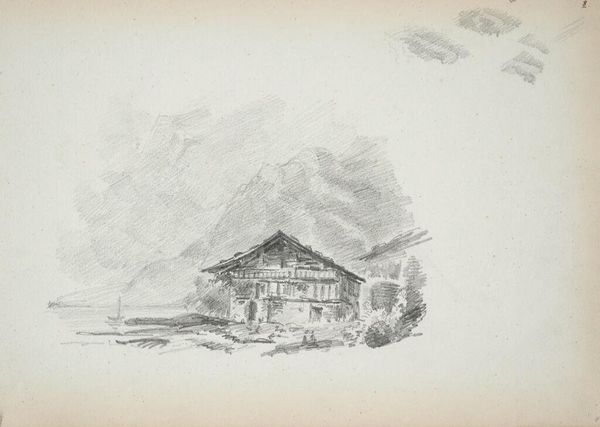
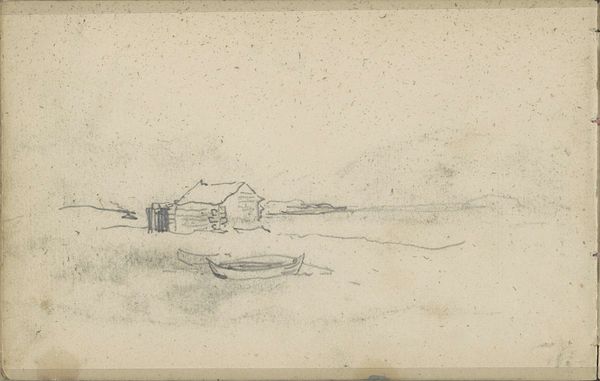
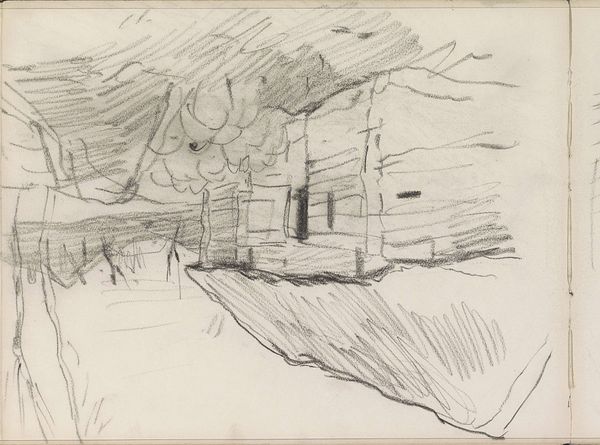
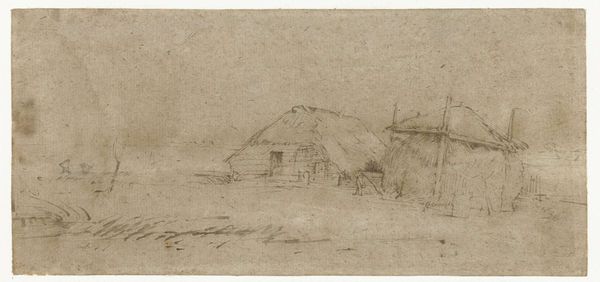
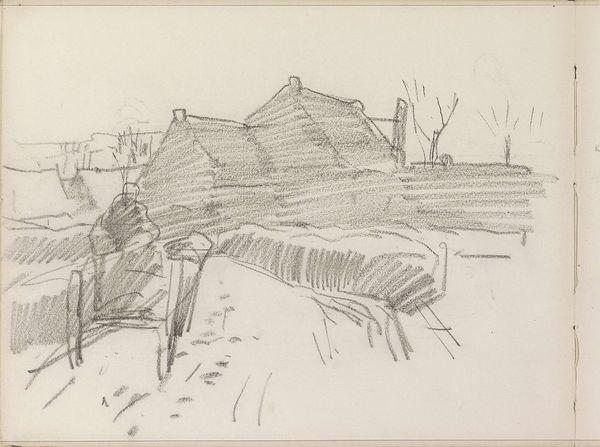
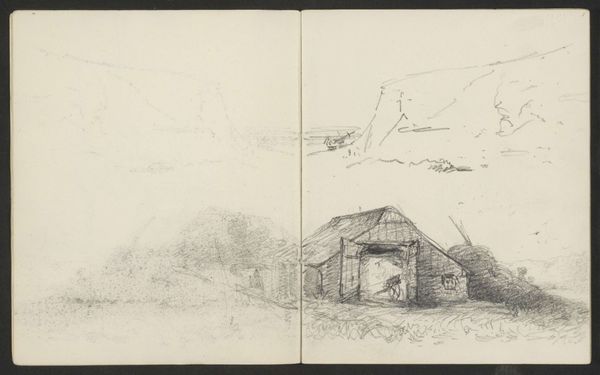
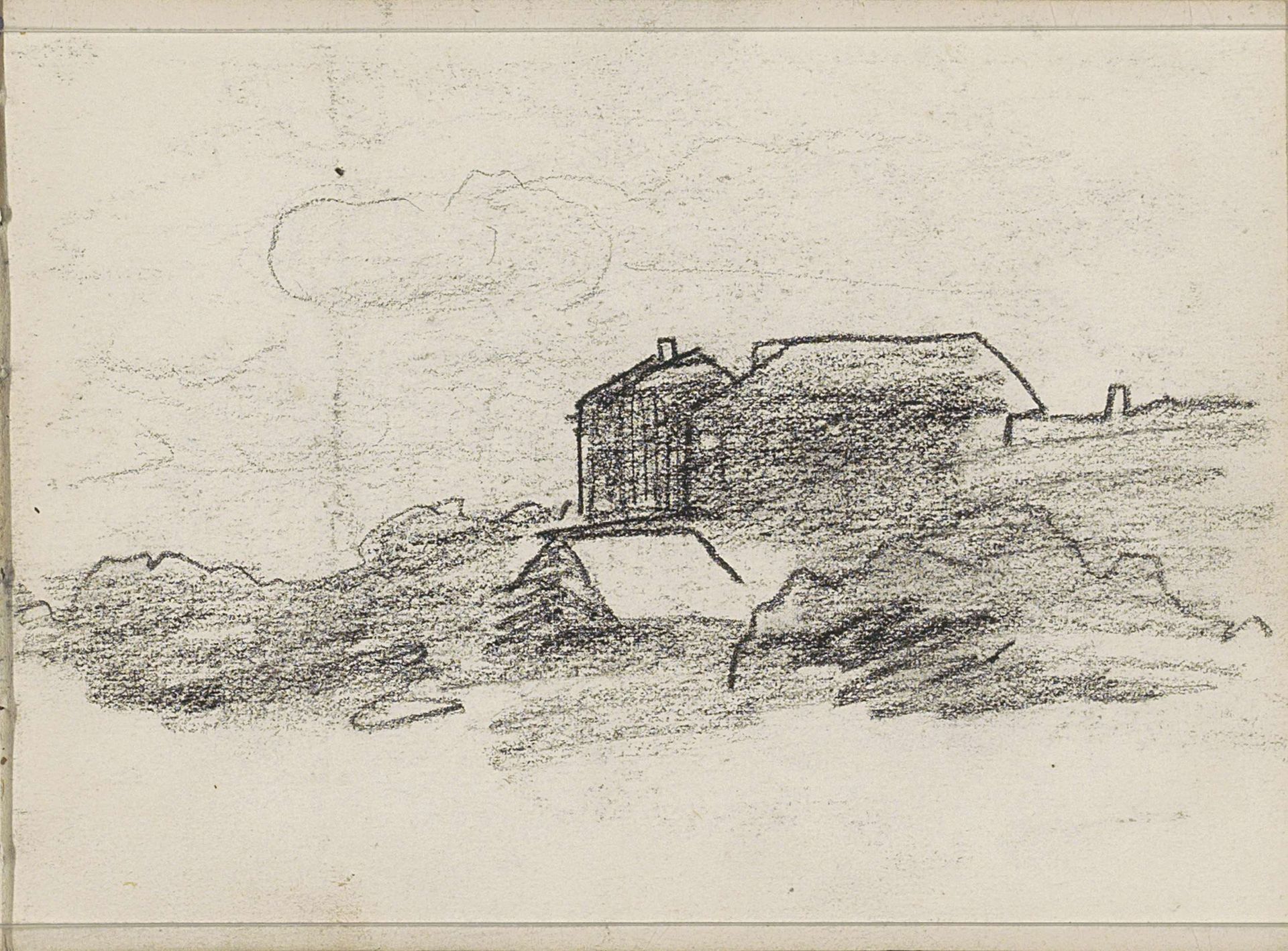
Anton Mauve created this landscape with houses using black chalk on paper. Notice how the composition, dominated by horizontal strokes, evokes a sense of stillness. The artist's subtle variations in pressure create a range of tonal values, from soft greys to intense blacks, defining the simple structures of the buildings and landscape. This piece functions as more than just a representation; it's an exploration of the fundamental properties of the medium. Mauve's approach to landscape aligns with a broader concern of how we perceive space and form. It encourages a contemplation of materiality, questioning traditional notions of representation. Is this a landscape, or is it a study of form and tone? The way Mauve uses strokes and contrast can be interpreted as an attempt to challenge fixed meanings and invite a dialogue between the viewer and the artwork.

Artwork details
- Medium
- drawing, pencil
- Location
- Rijksmuseum
- Copyright
- Rijks Museum: Open Domain
Tags
drawing
aged paper
light pencil work
quirky sketch
dutch-golden-age
impressionism
sketch book
landscape
personal sketchbook
sketchwork
pen-ink sketch
pencil
sketchbook drawing
sketchbook art
realism
initial sketch
Comments
No comments
About this artwork
Anton Mauve created this landscape with houses using black chalk on paper. Notice how the composition, dominated by horizontal strokes, evokes a sense of stillness. The artist's subtle variations in pressure create a range of tonal values, from soft greys to intense blacks, defining the simple structures of the buildings and landscape. This piece functions as more than just a representation; it's an exploration of the fundamental properties of the medium. Mauve's approach to landscape aligns with a broader concern of how we perceive space and form. It encourages a contemplation of materiality, questioning traditional notions of representation. Is this a landscape, or is it a study of form and tone? The way Mauve uses strokes and contrast can be interpreted as an attempt to challenge fixed meanings and invite a dialogue between the viewer and the artwork.
Comments
No comments