About this artwork
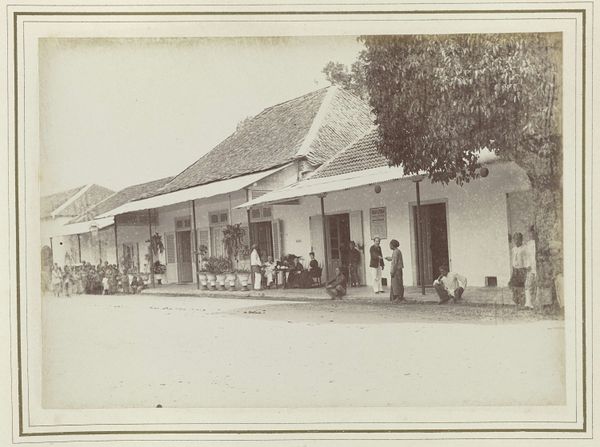
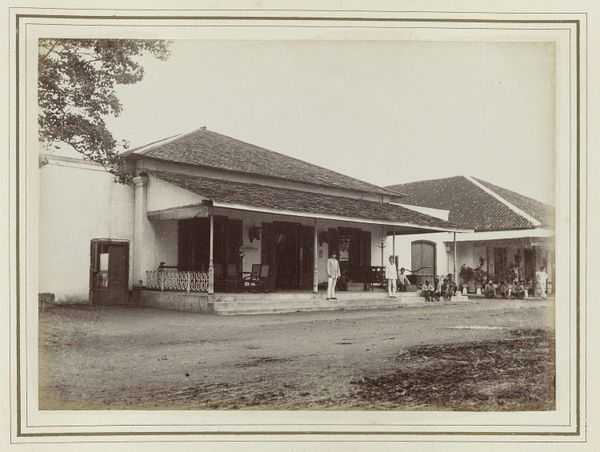
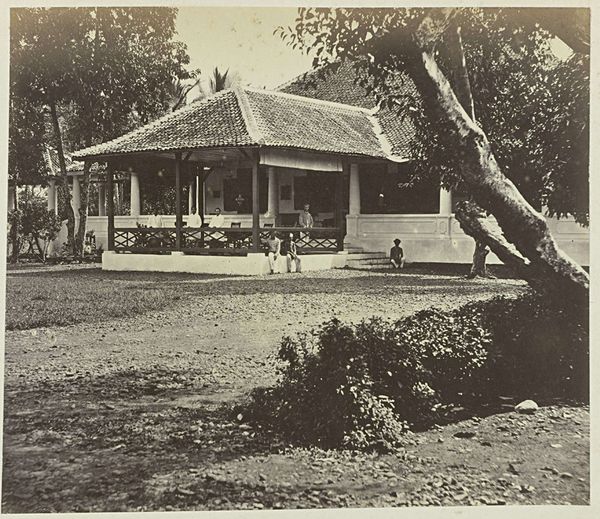
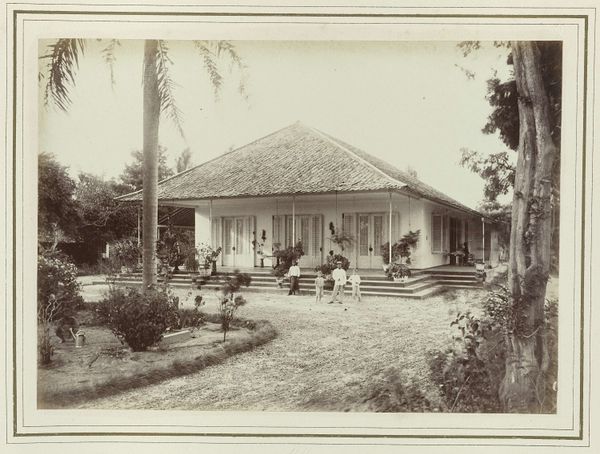
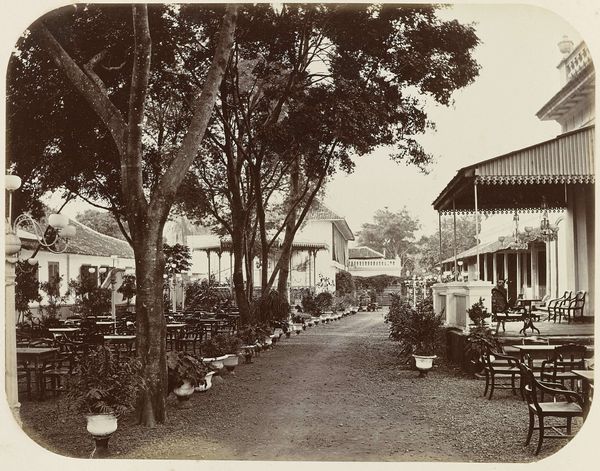
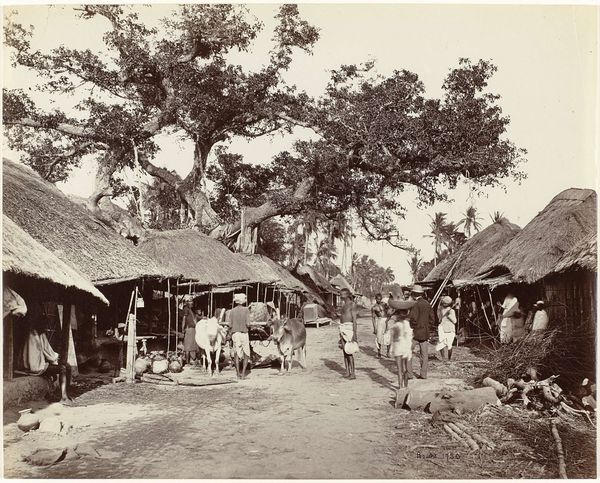
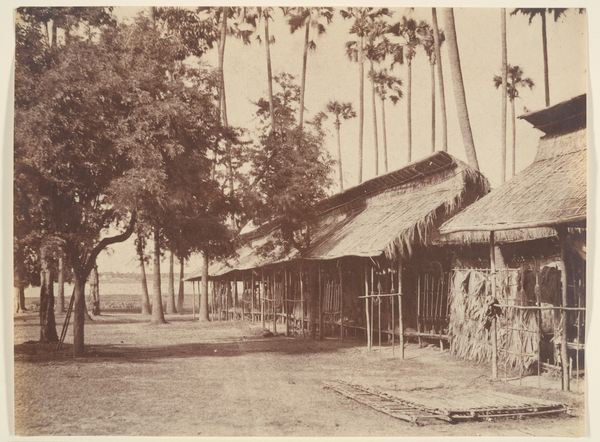
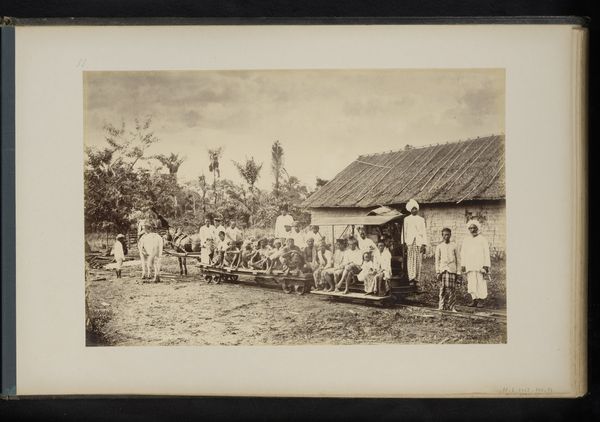
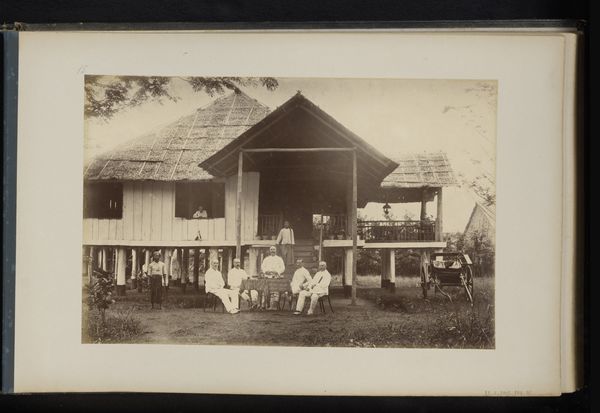
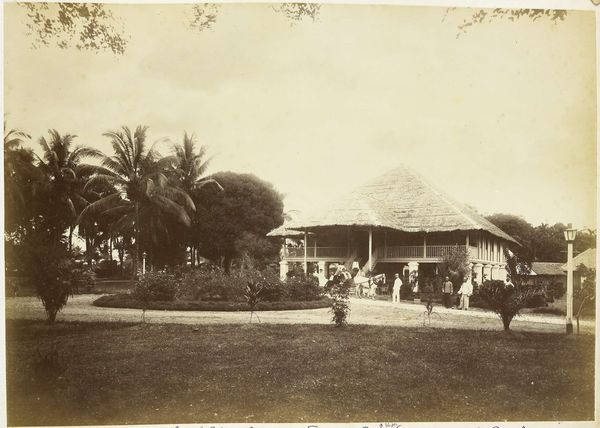
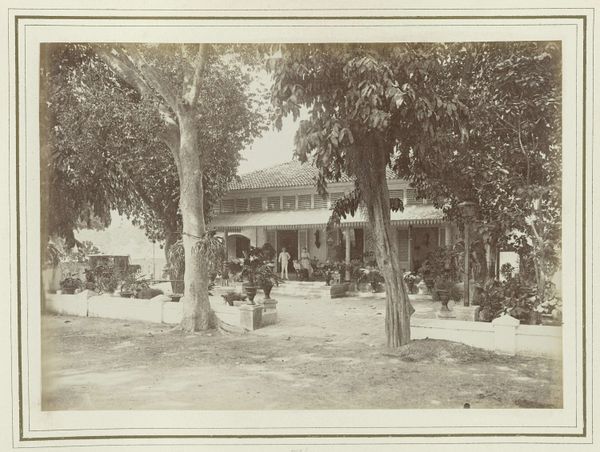
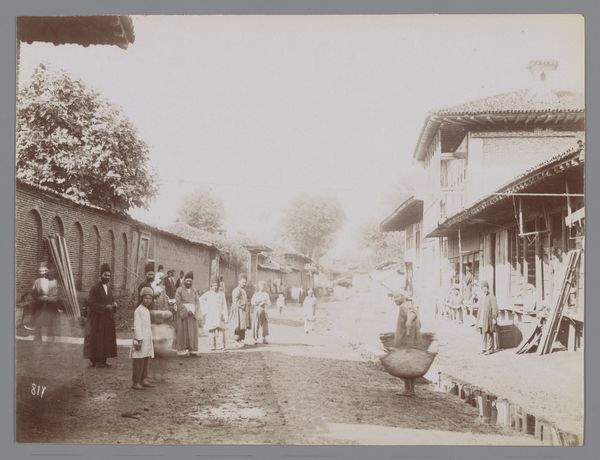
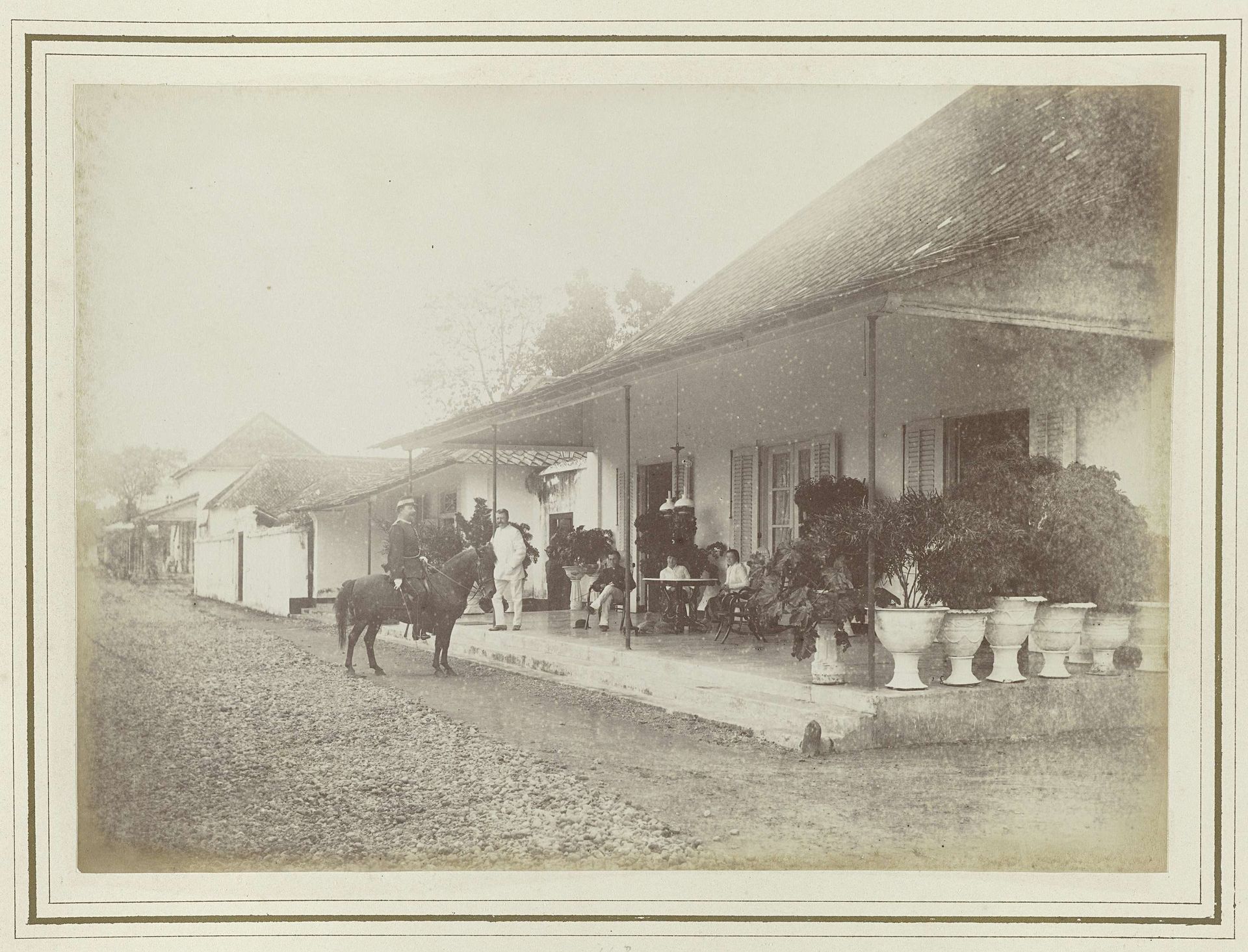
This image of a building on a street corner was created by Kassian Céphas, an Indonesian photographer active in the late 19th and early 20th centuries. The photograph itself, likely an albumen print, is a material object produced through a complex chemical and labor-intensive process. These images were widely circulated, offering Europeans a glimpse into colonial life, and locals insight into how they were being seen by Westerners. Consider how the act of photography itself became a tool of colonial power. It allowed for the objectification and documentation of colonized lands and people, reinforcing a sense of Western dominance through the act of observation and control. By focusing on the making of the image, and the labor, and technology involved, we get a richer sense of its cultural significance and the relationship between the photographer, his subjects, and the wider social context of the Dutch East Indies.

Artwork details
- Medium
- photography
- Dimensions
- height 150 mm, width 210 mm
- Location
- Rijksmuseum
- Copyright
- Rijks Museum: Open Domain
Tags
portrait
landscape
archive photography
photography
historical photography
Comments
No comments
About this artwork
This image of a building on a street corner was created by Kassian Céphas, an Indonesian photographer active in the late 19th and early 20th centuries. The photograph itself, likely an albumen print, is a material object produced through a complex chemical and labor-intensive process. These images were widely circulated, offering Europeans a glimpse into colonial life, and locals insight into how they were being seen by Westerners. Consider how the act of photography itself became a tool of colonial power. It allowed for the objectification and documentation of colonized lands and people, reinforcing a sense of Western dominance through the act of observation and control. By focusing on the making of the image, and the labor, and technology involved, we get a richer sense of its cultural significance and the relationship between the photographer, his subjects, and the wider social context of the Dutch East Indies.
Comments
No comments