About this artwork
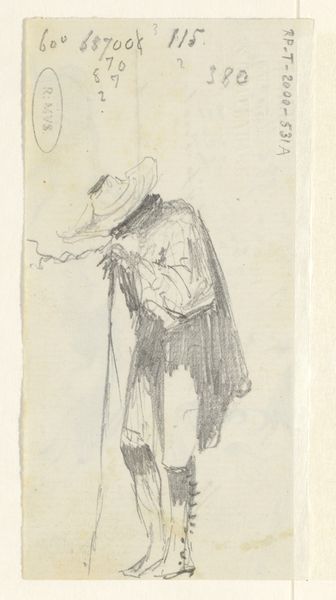
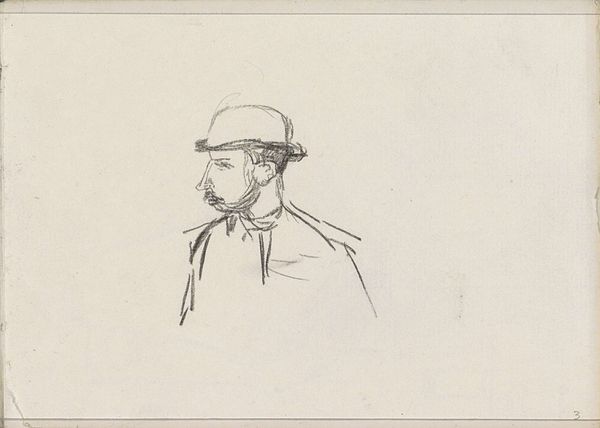
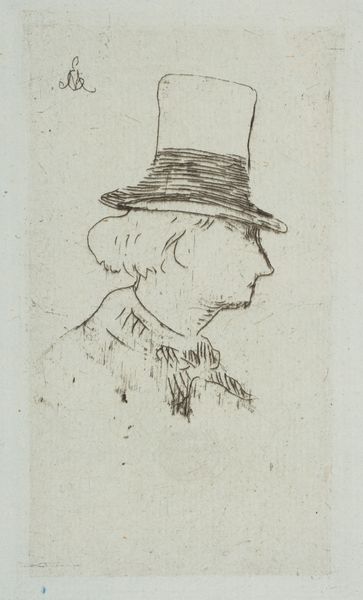
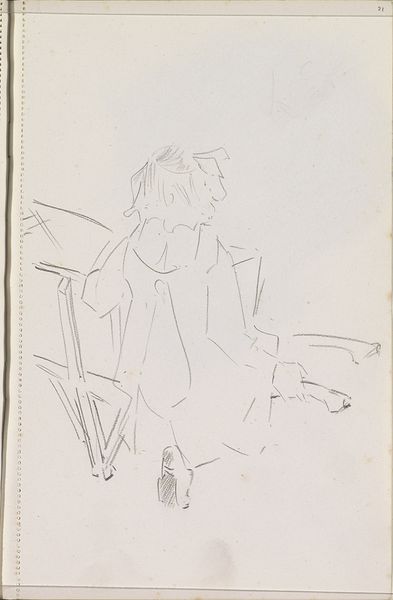
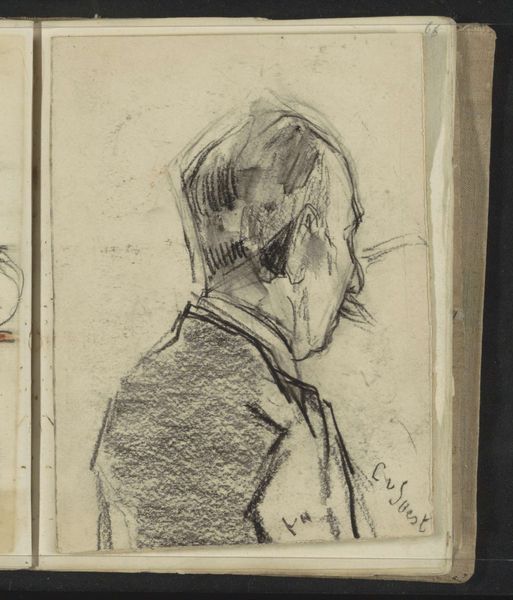
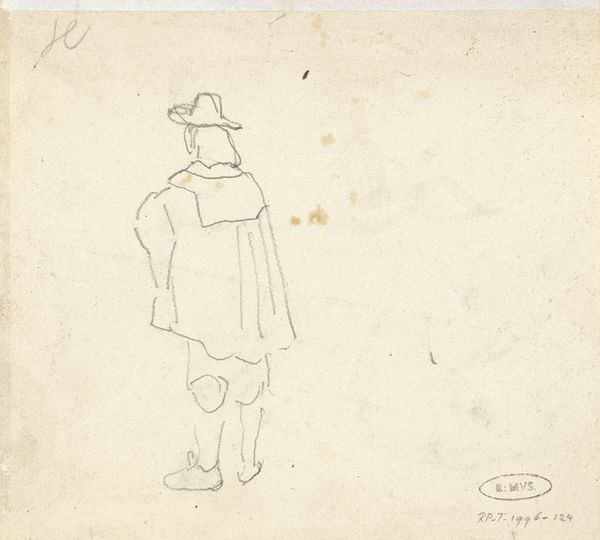
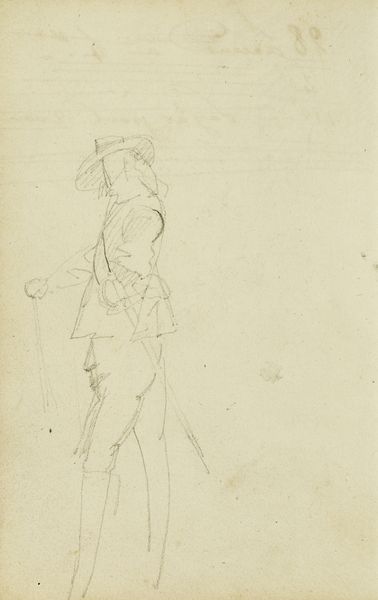
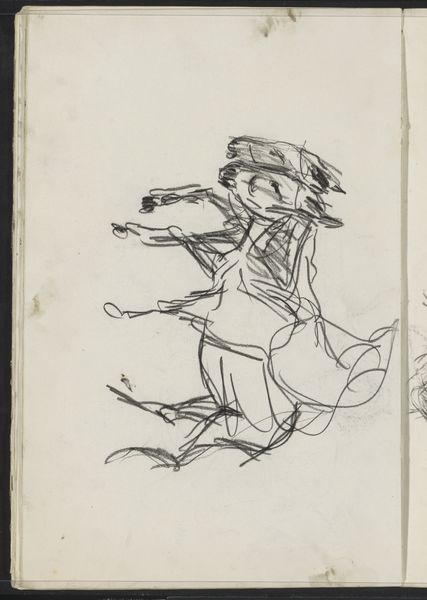
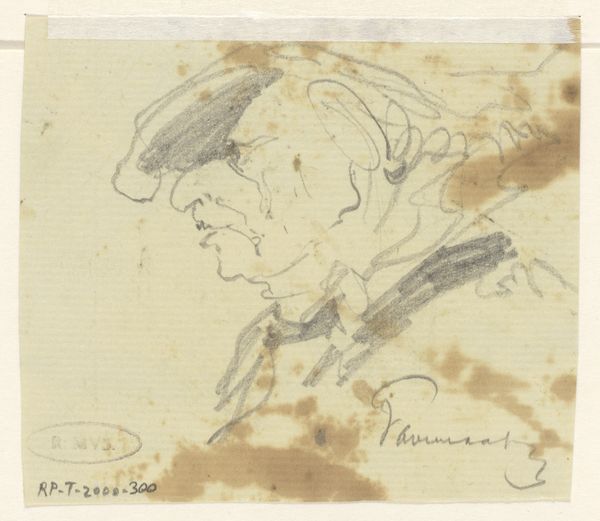
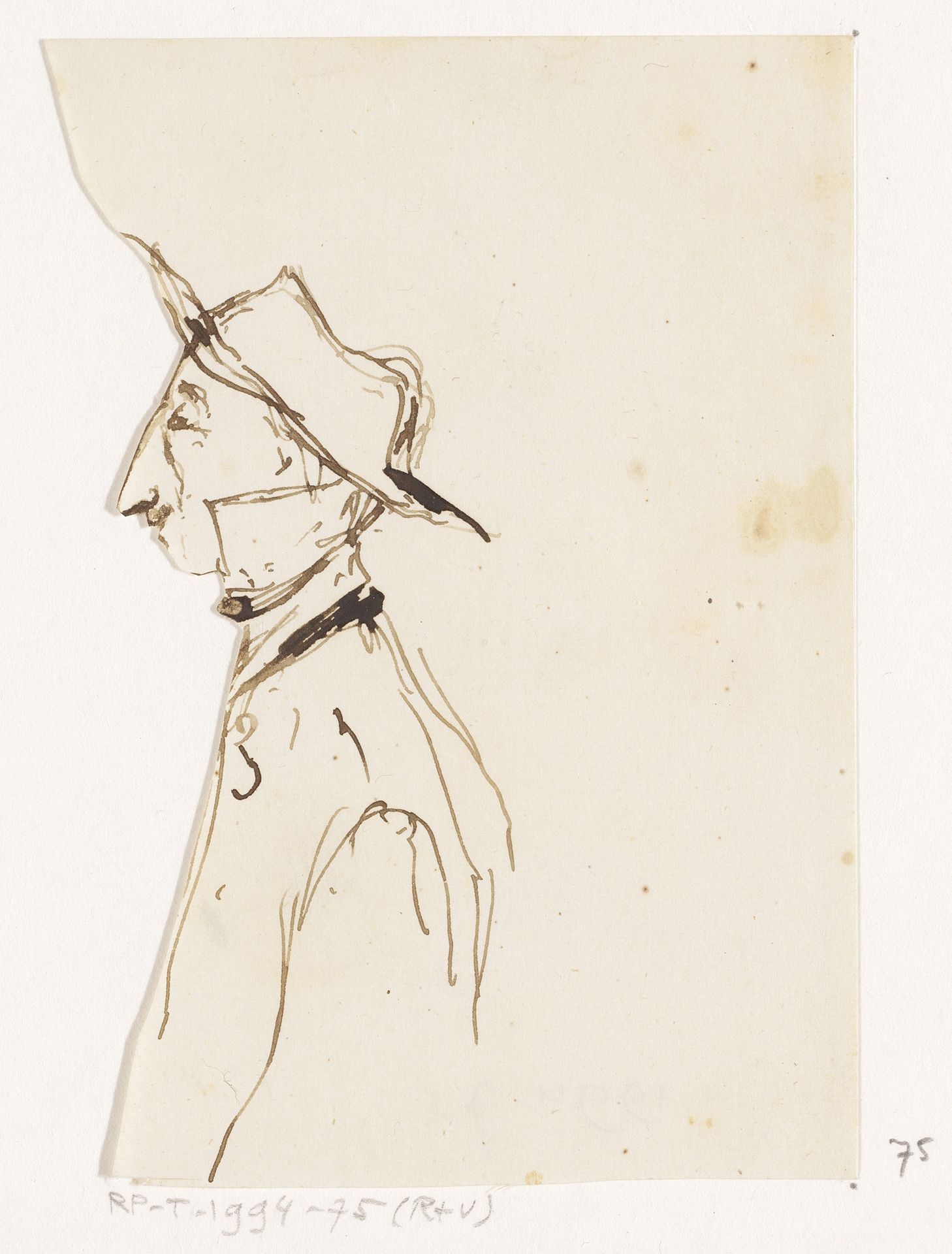
Johannes Tavenraat made this caricature of a man with a hat in the Netherlands, most likely in the mid-19th century. The caricature emerged as a popular form during this period, fueled by the growth of print media and public interest in social and political commentary. Tavenraat’s sketch, with its exaggerated features, speaks to the Dutch tradition of using art to critique social types. The man’s prominent nose and the way his hat is angled suggest a certain pretentiousness, inviting viewers to question the values and behaviors of the Dutch middle class. Understanding the full impact of this image requires us to look at the broader context of Dutch society and the art world in the 19th century. By researching Dutch newspapers, journals, and exhibition catalogs from the time, we can gain insight into how such images were received and what they might have meant to their original audience. The meaning of art is always contingent on its social and institutional context.
Karikaturale kop van een man met hoed, in profiel naar links
1819 - 1881

Johannes Tavenraat
1809 - 1881Location
RijksmuseumArtwork details
- Medium
- drawing, ink, pen
- Dimensions
- height 111 mm, width 79 mm
- Location
- Rijksmuseum
- Copyright
- Rijks Museum: Open Domain
Tags
Comments
Share your thoughts
About this artwork
Johannes Tavenraat made this caricature of a man with a hat in the Netherlands, most likely in the mid-19th century. The caricature emerged as a popular form during this period, fueled by the growth of print media and public interest in social and political commentary. Tavenraat’s sketch, with its exaggerated features, speaks to the Dutch tradition of using art to critique social types. The man’s prominent nose and the way his hat is angled suggest a certain pretentiousness, inviting viewers to question the values and behaviors of the Dutch middle class. Understanding the full impact of this image requires us to look at the broader context of Dutch society and the art world in the 19th century. By researching Dutch newspapers, journals, and exhibition catalogs from the time, we can gain insight into how such images were received and what they might have meant to their original audience. The meaning of art is always contingent on its social and institutional context.
Comments
Share your thoughts