About this artwork
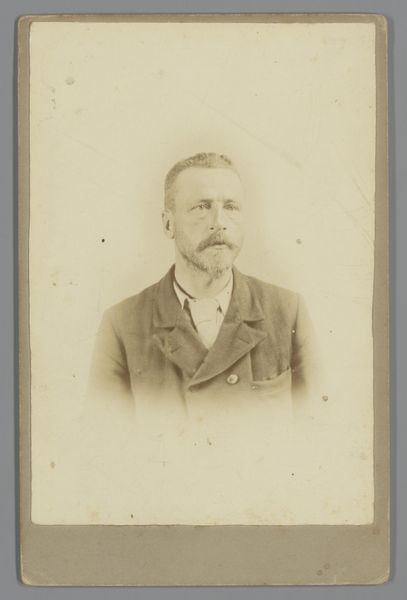
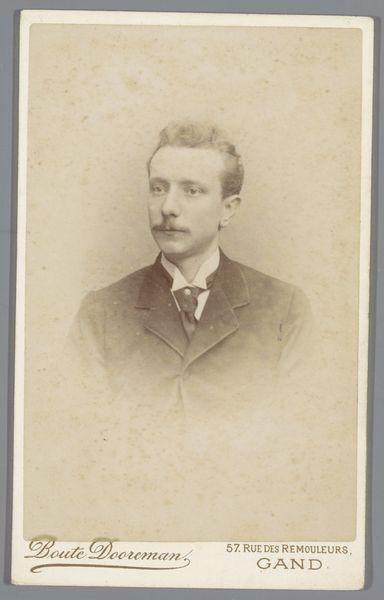
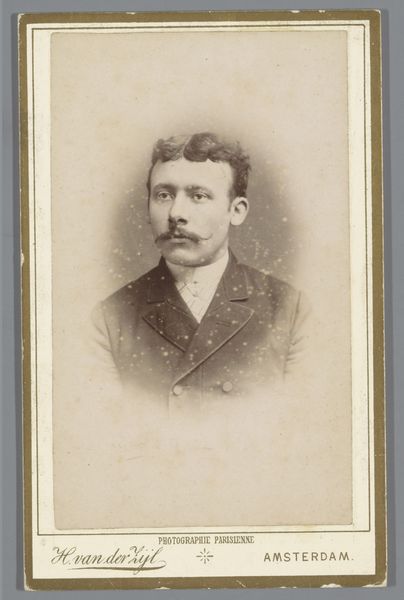
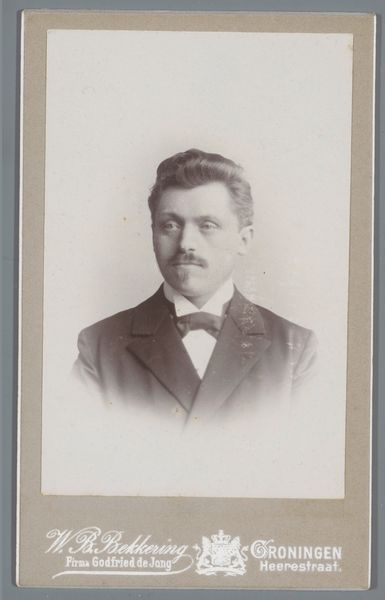
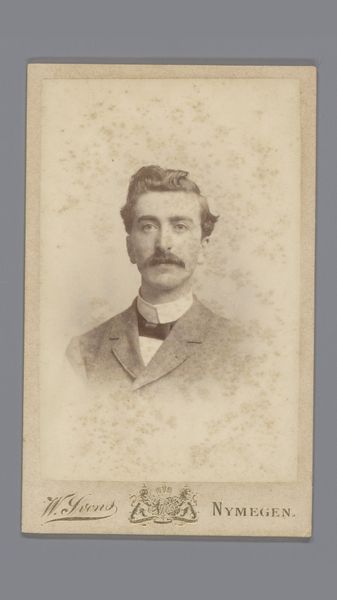
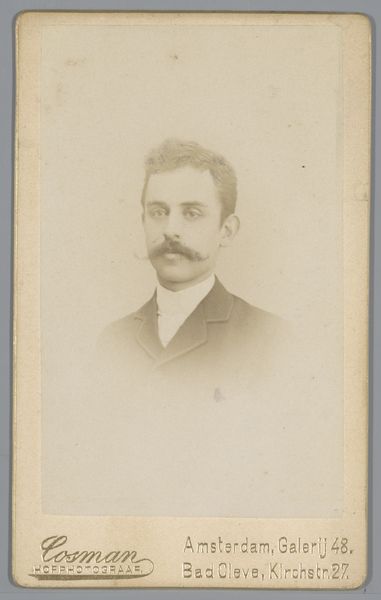
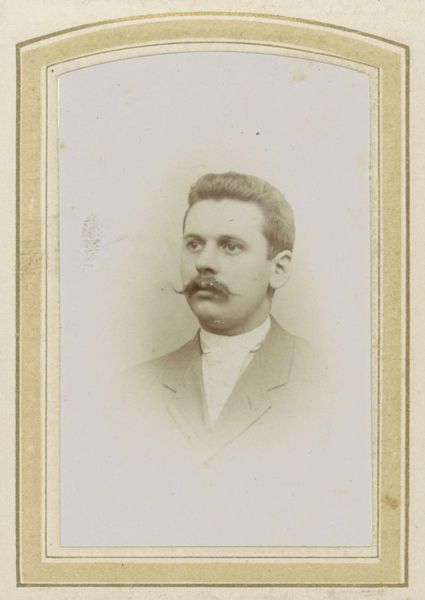
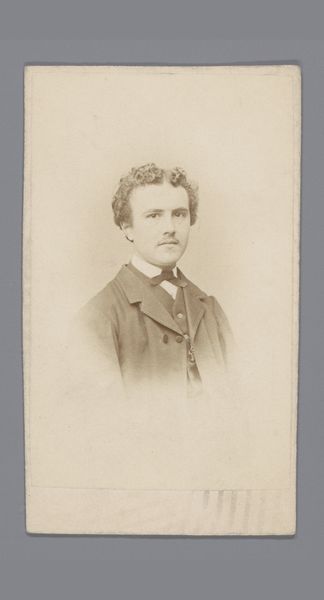
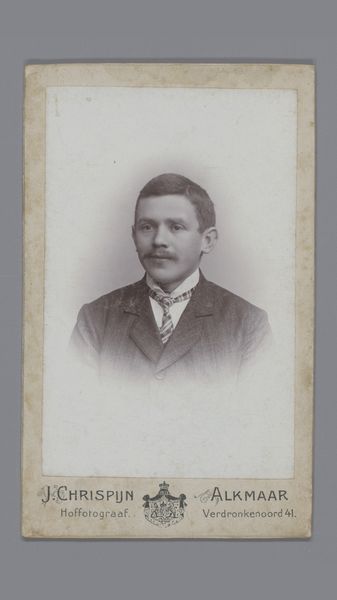
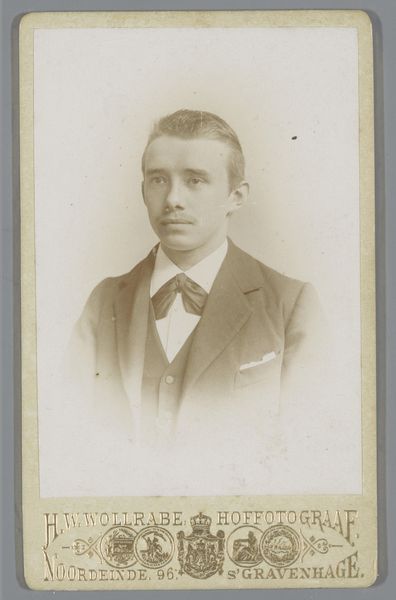
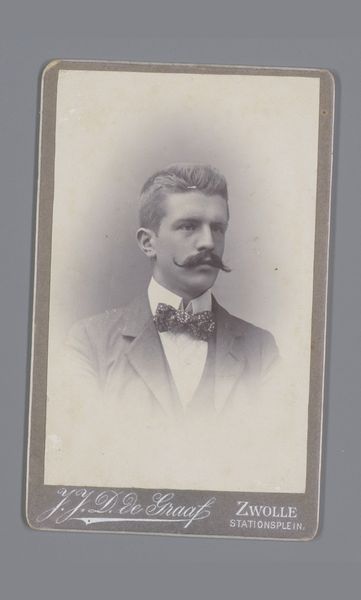
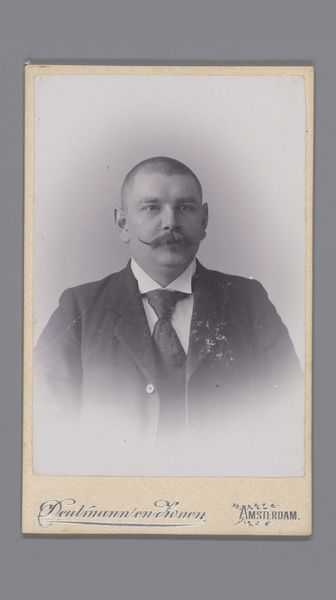
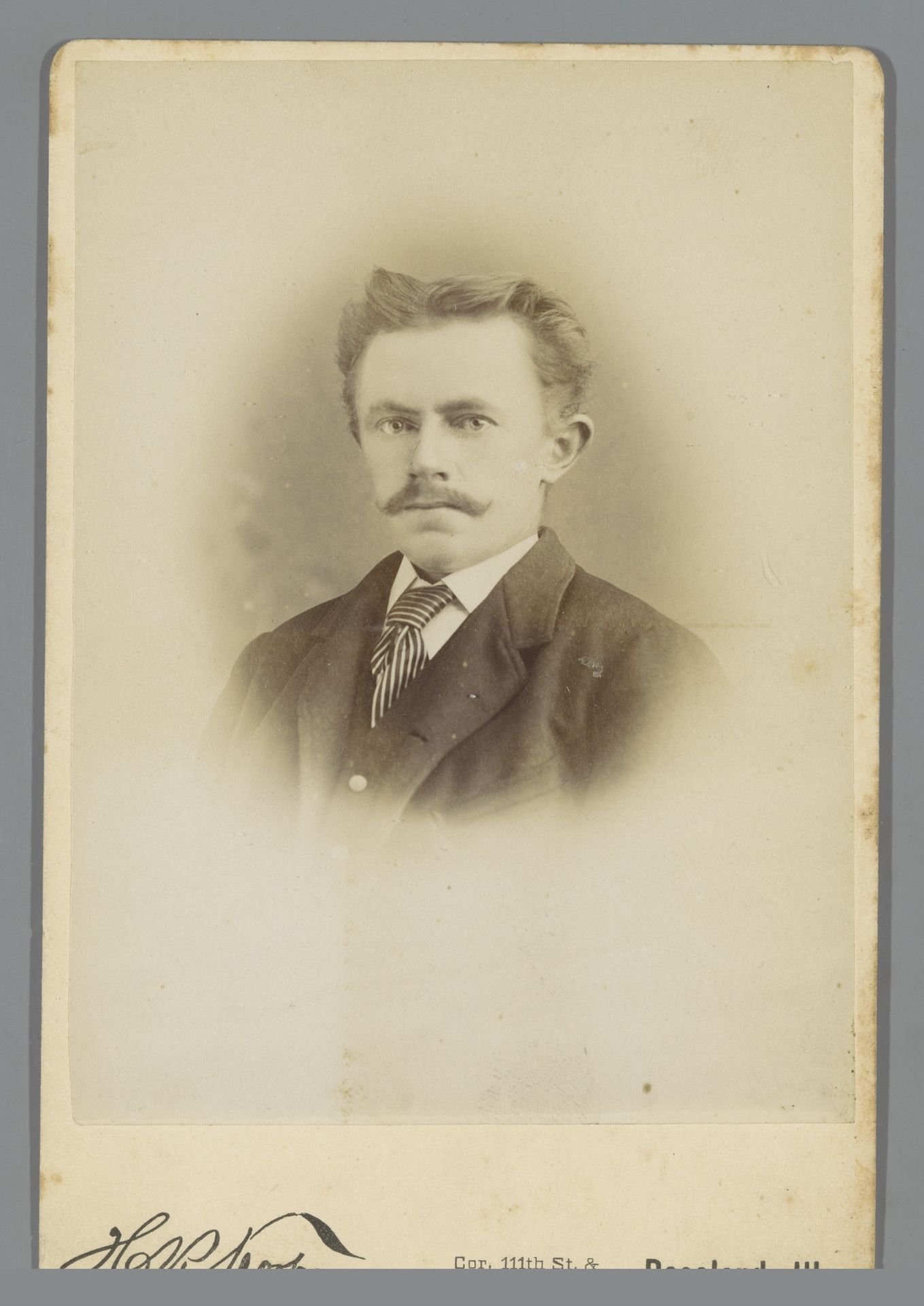
This photographic portrait of Hieltje Postma was made by H. R. Koopman, probably in the late 19th or early 20th century. The sitter’s formal attire and carefully groomed mustache speak to the rise of bourgeois culture and its emphasis on respectability. But it is the photographer’s signature, including their address on 111th Street, that holds the real significance. The rise of photography studios coincided with the increased urbanization in Europe and America. These studios democratized portraiture, making it accessible to the middle classes who sought to emulate the visual codes of the elite. Further research might reveal more about Koopman’s studio. Was it part of a chain? Was it a local institution? Such information helps us understand the broader social and economic context in which this image was produced and consumed. It reminds us that art, even in its most seemingly personal forms, is always shaped by the institutions and social forces that surround it.

Artwork details
- Medium
- photography, albumen-print
- Dimensions
- height 138 mm, width 101 mm
- Copyright
- Rijks Museum: Open Domain
Tags
portrait
self-portrait
photography
19th century
albumen-print
Comments
No comments
About this artwork
This photographic portrait of Hieltje Postma was made by H. R. Koopman, probably in the late 19th or early 20th century. The sitter’s formal attire and carefully groomed mustache speak to the rise of bourgeois culture and its emphasis on respectability. But it is the photographer’s signature, including their address on 111th Street, that holds the real significance. The rise of photography studios coincided with the increased urbanization in Europe and America. These studios democratized portraiture, making it accessible to the middle classes who sought to emulate the visual codes of the elite. Further research might reveal more about Koopman’s studio. Was it part of a chain? Was it a local institution? Such information helps us understand the broader social and economic context in which this image was produced and consumed. It reminds us that art, even in its most seemingly personal forms, is always shaped by the institutions and social forces that surround it.
Comments
No comments