About this artwork
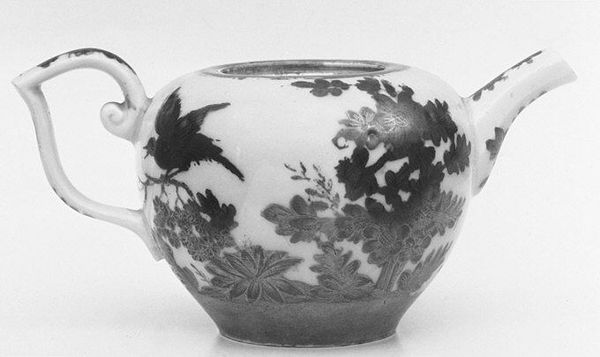
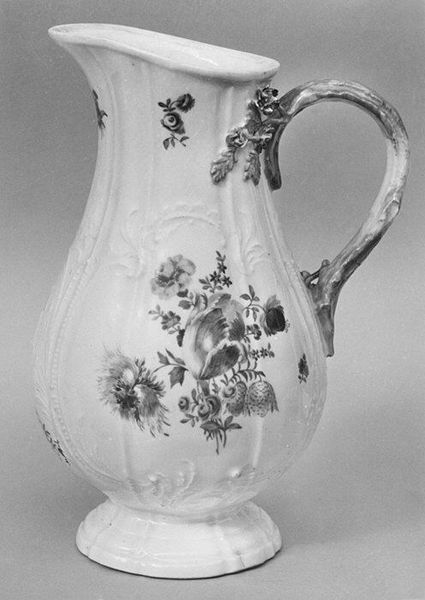
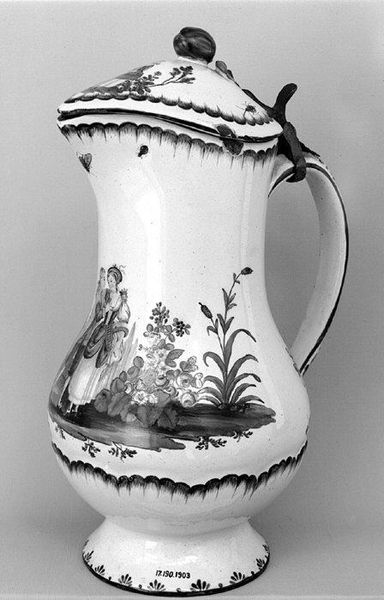
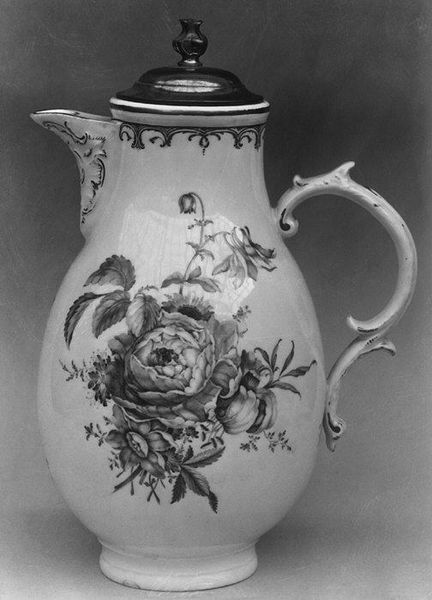
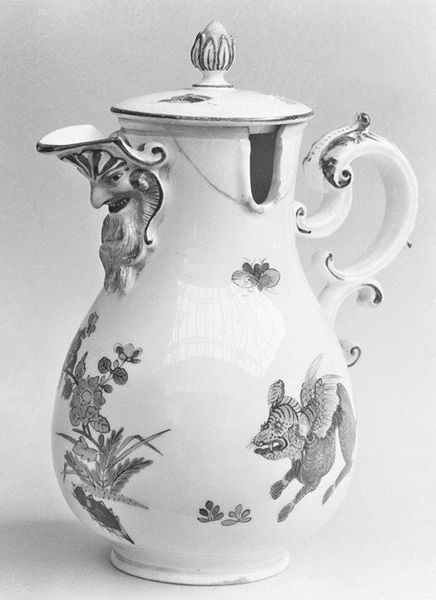
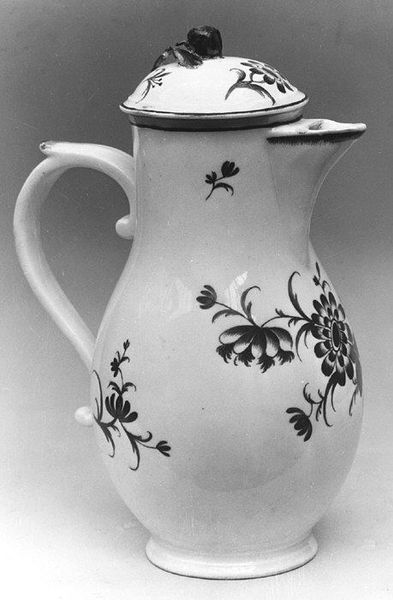
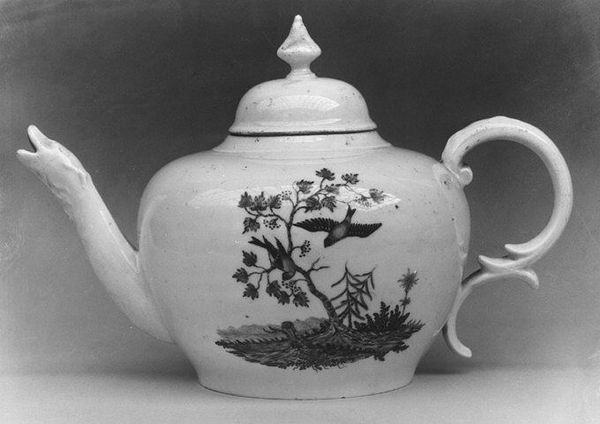
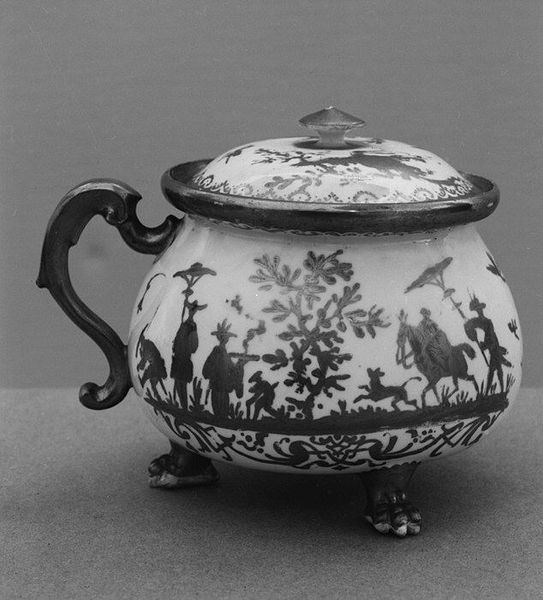
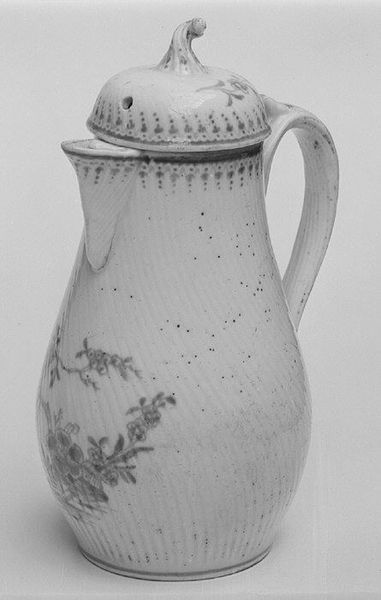
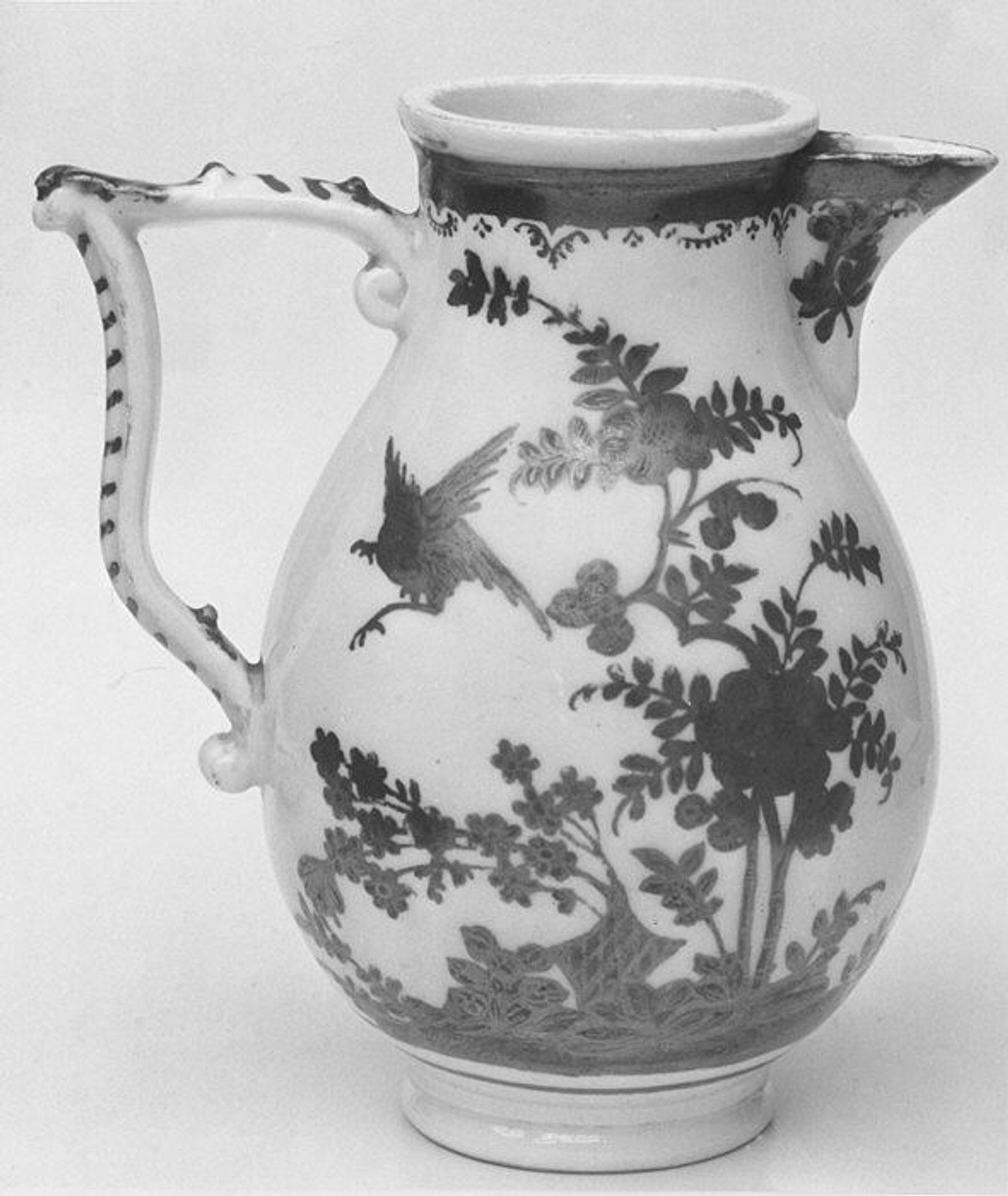
This delicate porcelain chocolate pot was made by the Meissen Manufactory, which was established in Germany in 1710. At this time chocolate was a luxury item, enjoyed primarily by the European aristocracy. The silhouetted birds and flora on the pot were likely inspired by East Asian designs. This reflects a broader trend in Europe at the time, where Asian goods were highly prized and collected by the wealthy. Owning and displaying such objects was a way for the aristocracy to perform their identity as refined and cosmopolitan. This chocolate pot embodies the entwined relationship between luxury, global trade, and social status in the 18th century. The pot invites us to consider not only the aesthetic preferences of the elite, but also the labor and resources extracted from distant lands to support their lifestyle. It makes us think of the emotional and political power of taste and display.
Chocolate pot (?)
1735 - 1755


Artwork details
- Medium
- ceramic, porcelain, sculpture
- Dimensions
- Height: 7 1/2 in. (19.1 cm)
- Location
- Metropolitan Museum of Art, New York, NY
- Copyright
- Public Domain
Tags
Comments
Share your thoughts
About this artwork
This delicate porcelain chocolate pot was made by the Meissen Manufactory, which was established in Germany in 1710. At this time chocolate was a luxury item, enjoyed primarily by the European aristocracy. The silhouetted birds and flora on the pot were likely inspired by East Asian designs. This reflects a broader trend in Europe at the time, where Asian goods were highly prized and collected by the wealthy. Owning and displaying such objects was a way for the aristocracy to perform their identity as refined and cosmopolitan. This chocolate pot embodies the entwined relationship between luxury, global trade, and social status in the 18th century. The pot invites us to consider not only the aesthetic preferences of the elite, but also the labor and resources extracted from distant lands to support their lifestyle. It makes us think of the emotional and political power of taste and display.
Comments
Share your thoughts