About this artwork
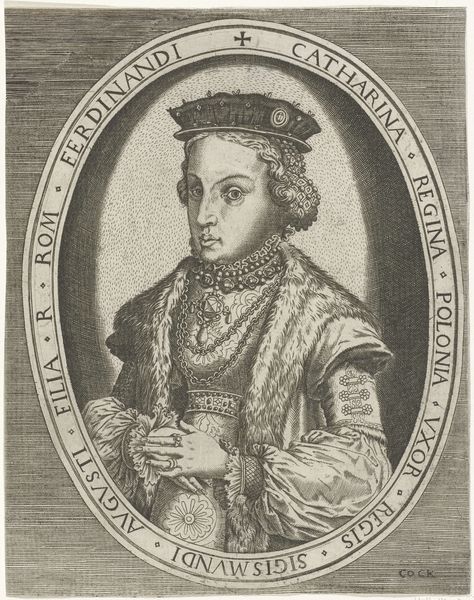
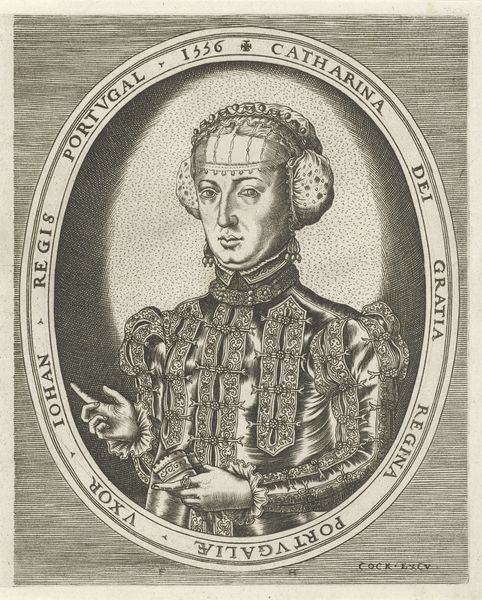
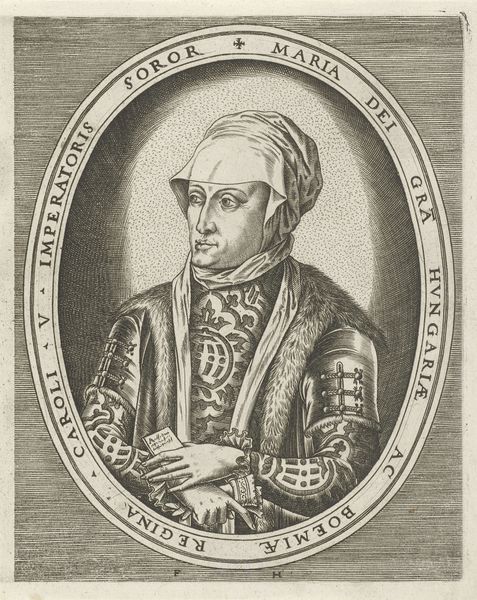
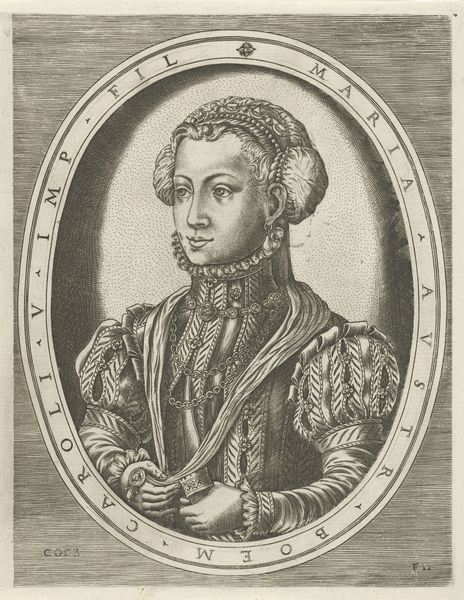
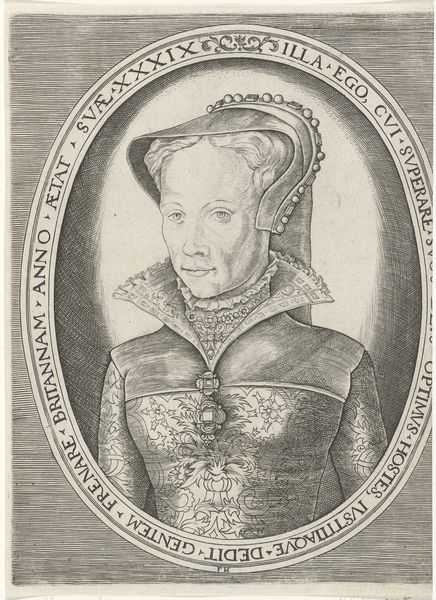
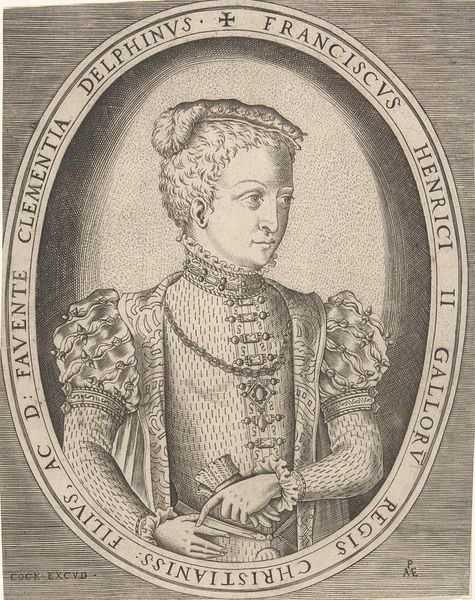
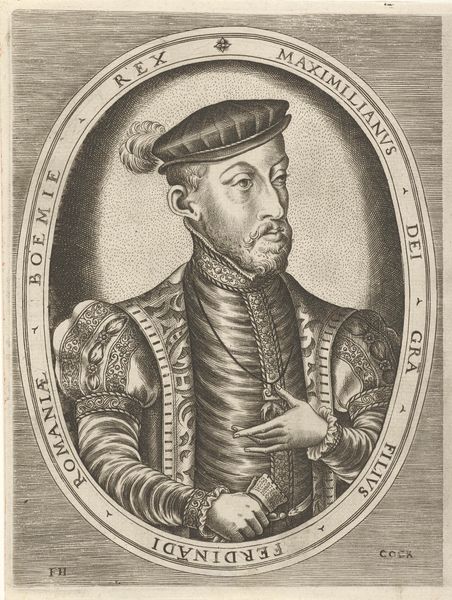
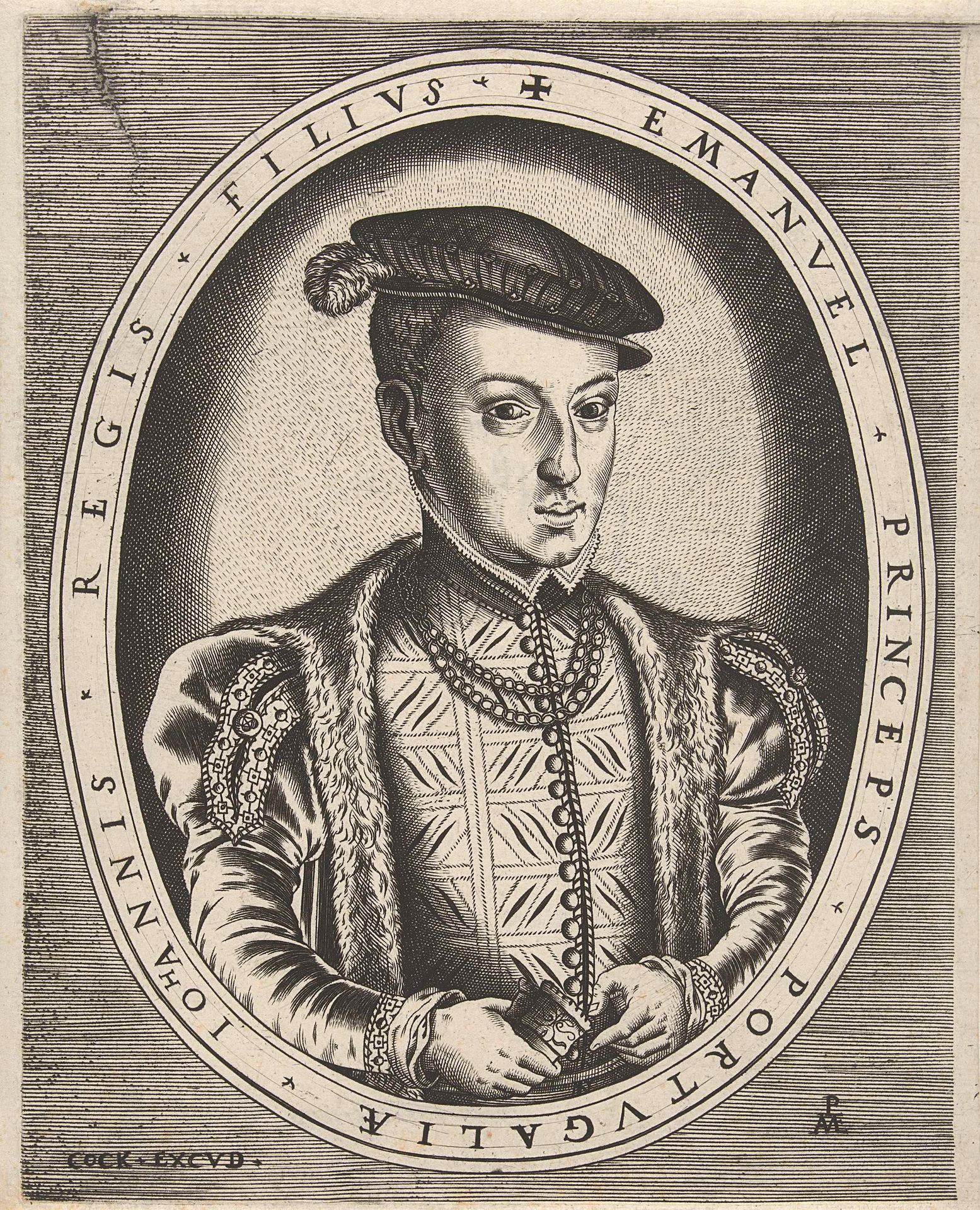
Pieter van der Heyden created this print, "Portret van Johan Manuel van Portugal" using engraving. Here, within a sharply delineated oval frame, the figure's gaze meets ours, composed yet distant. Note how the intricate detailing of the clothing, achieved through a dense network of fine lines, contrasts with the smoother treatment of the face, drawing attention to the status and identity of the sitter. The texture of the fur collar, for instance, is rendered meticulously. Structurally, the portrait operates as a sign, fixed within the symbolic order of its time. The oval boundary circumscribes the subject, placing him within a lineage of power and representation. Yet, this structure is not merely a container. It actively shapes our reading of the portrait, framing it as both an image of an individual and an emblem of authority. The formal elements underscore the portrait's function: to communicate power.
Portret van Johan Manuel van Portugal
c. 1540 - 1554

Pieter van der Heyden
1525 - 1569Location
RijksmuseumArtwork details
- Medium
- print, engraving
- Dimensions
- height 202 mm, width 163 mm
- Location
- Rijksmuseum
- Copyright
- Rijks Museum: Open Domain
Tags
Comments
Share your thoughts
About this artwork
Pieter van der Heyden created this print, "Portret van Johan Manuel van Portugal" using engraving. Here, within a sharply delineated oval frame, the figure's gaze meets ours, composed yet distant. Note how the intricate detailing of the clothing, achieved through a dense network of fine lines, contrasts with the smoother treatment of the face, drawing attention to the status and identity of the sitter. The texture of the fur collar, for instance, is rendered meticulously. Structurally, the portrait operates as a sign, fixed within the symbolic order of its time. The oval boundary circumscribes the subject, placing him within a lineage of power and representation. Yet, this structure is not merely a container. It actively shapes our reading of the portrait, framing it as both an image of an individual and an emblem of authority. The formal elements underscore the portrait's function: to communicate power.
Comments
Share your thoughts