1750 - 1755
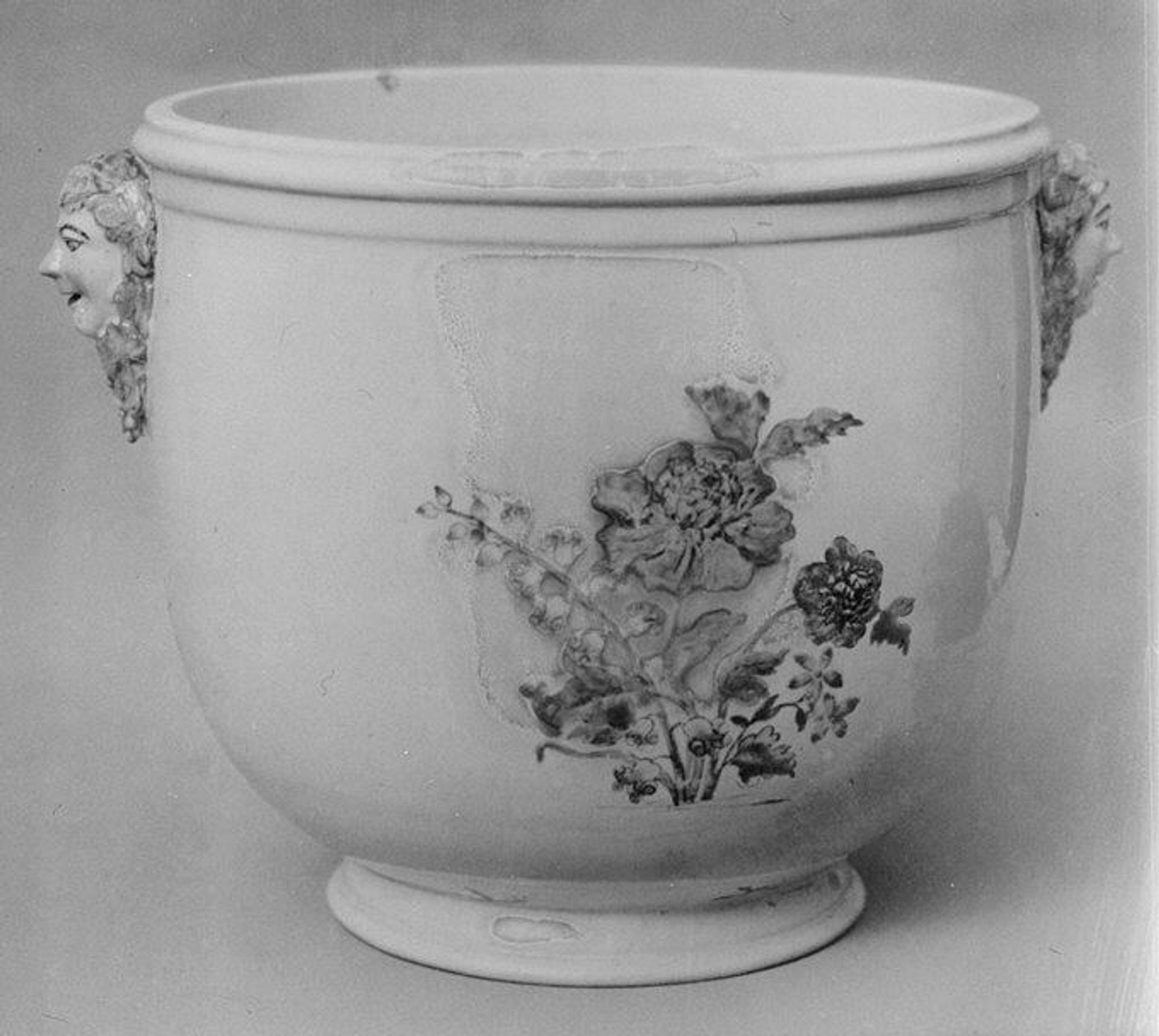
Bottle cooler (seau à bouteille)


Listen to curator's interpretation
Curatorial notes
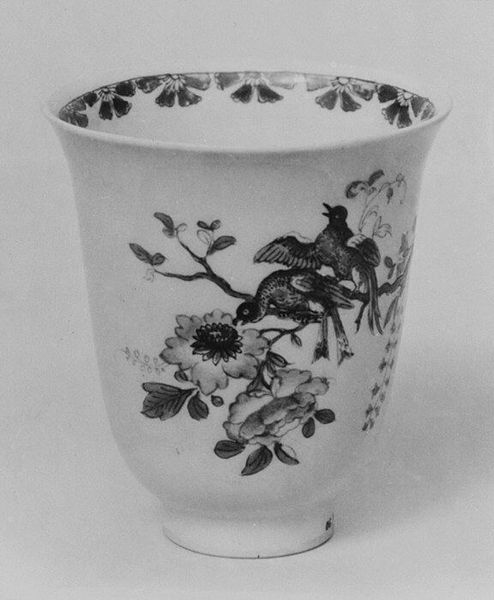
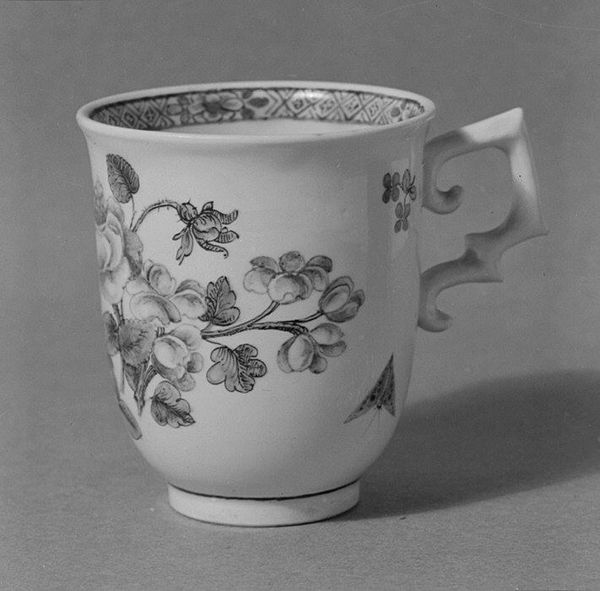
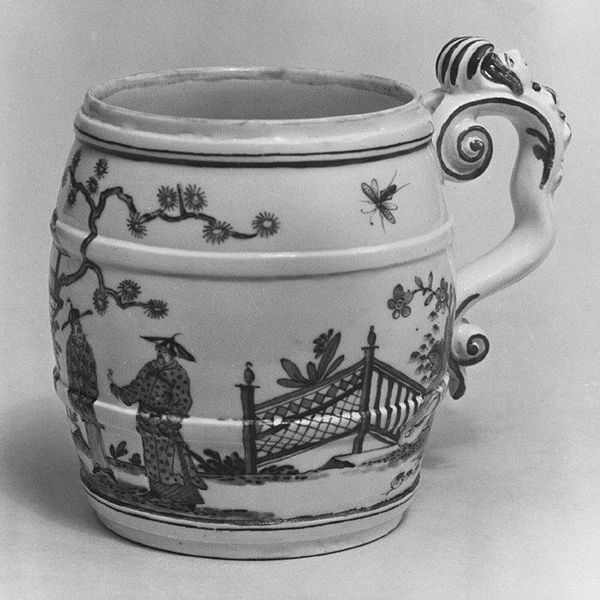
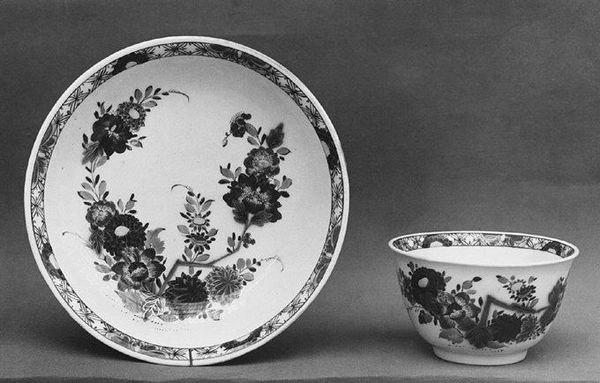
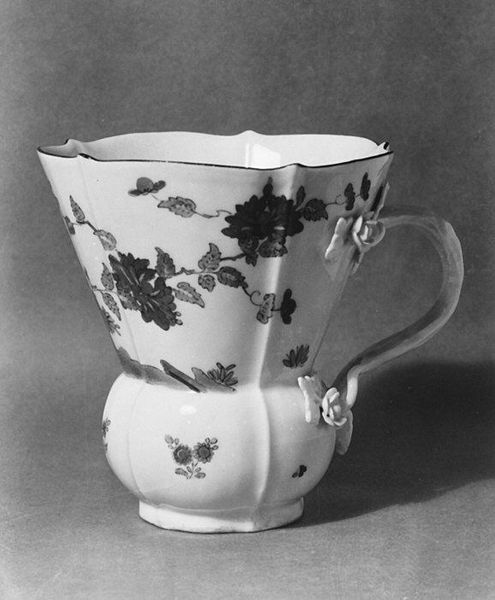
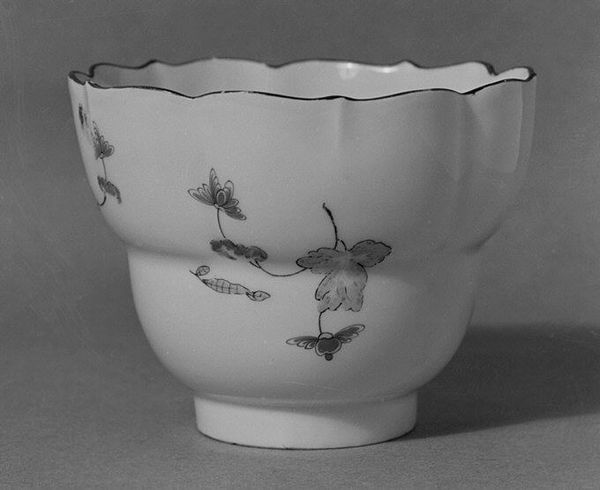
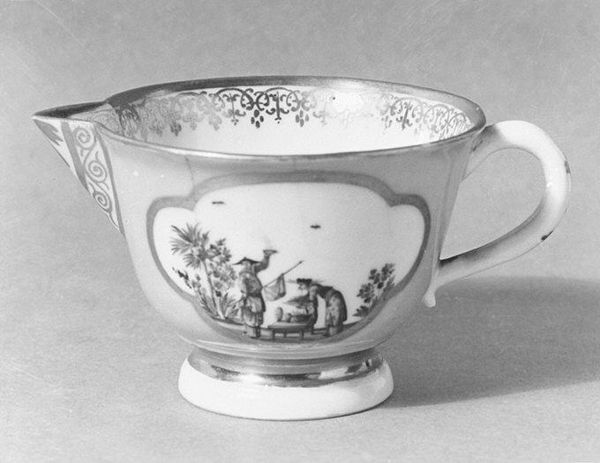
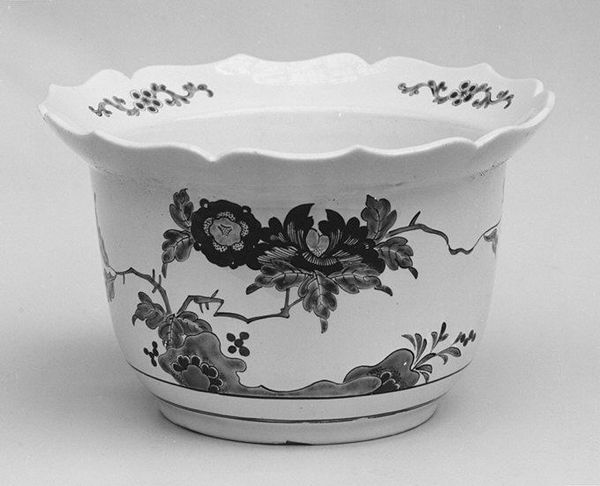
Editor: This is a porcelain bottle cooler, or *seau à bouteille*, made in Chantilly between 1750 and 1755. It strikes me as quite ornate, even extravagant, especially with the sculpted faces as handles. What’s your interpretation of this piece? Curator: This seemingly innocuous bottle cooler speaks volumes about 18th-century French society. The delicate porcelain and floral decorations reflect the Rococo style favored by the aristocracy. But look closer. Those sculpted faces – who do they represent? Perhaps idealized figures, but they also symbolize the power dynamics at play. Who had access to such luxury? Who toiled to create it? Editor: That's an interesting point. It’s easy to get lost in the beauty of the piece and not think about the socio-economic context. Curator: Exactly. Porcelain production was a highly specialized industry, reliant on both skilled artisans and the exploitation of resources and labor, especially the materials coming from specific geographies such as Asia. This bottle cooler becomes less a simple vessel and more a marker of class, privilege, and even the roots of globalized production, a symbol of those holding the means and knowledge. What kind of commentary do you think this can make in today's context? Editor: So, something made to keep beverages cold becomes a window into power structures and global economies? I’ll definitely see decorative art differently now. Thanks! Curator: Precisely! Hopefully, thinking critically about pieces such as these allows us to interrogate the dynamics of our world as well.