About this artwork
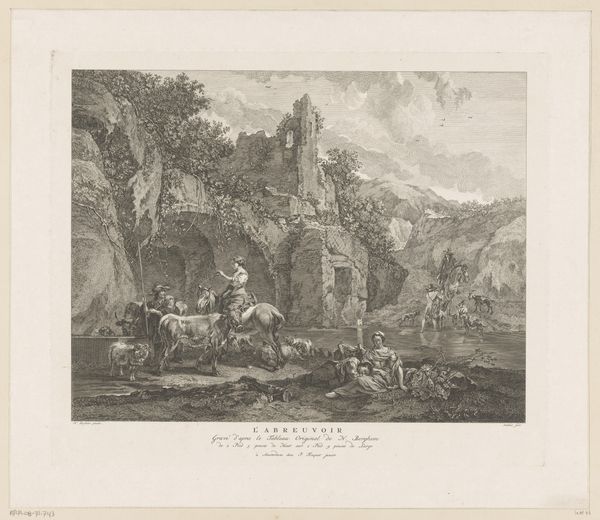
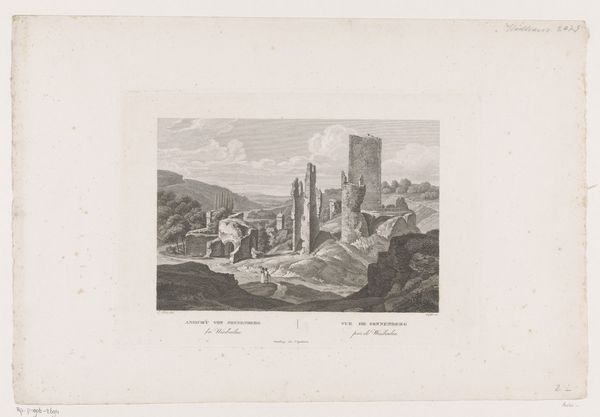
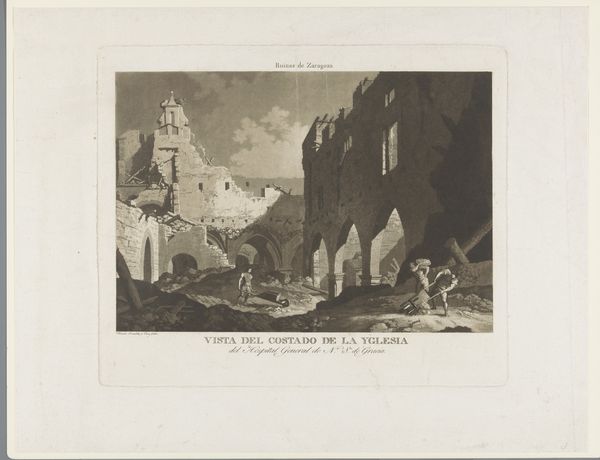
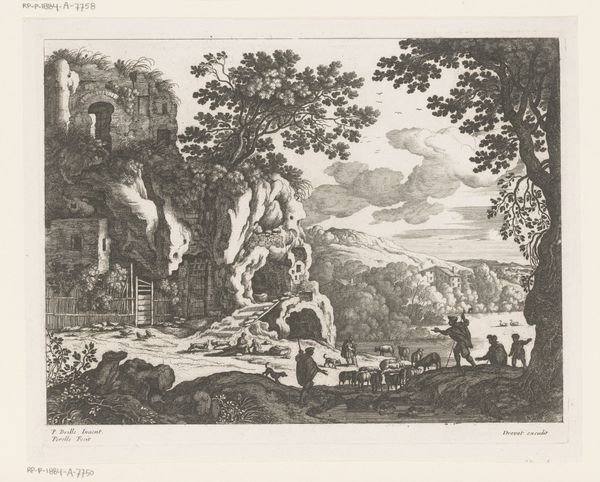
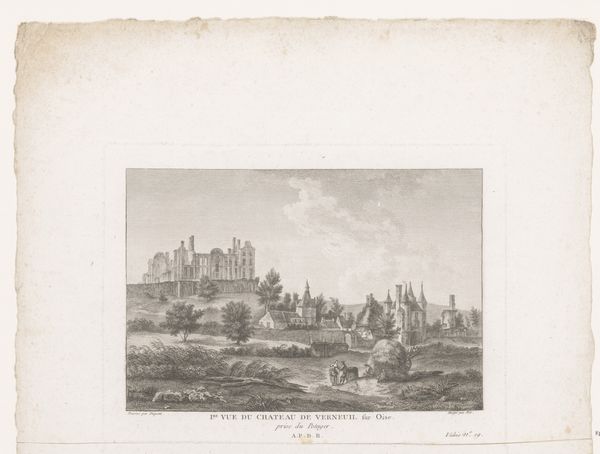
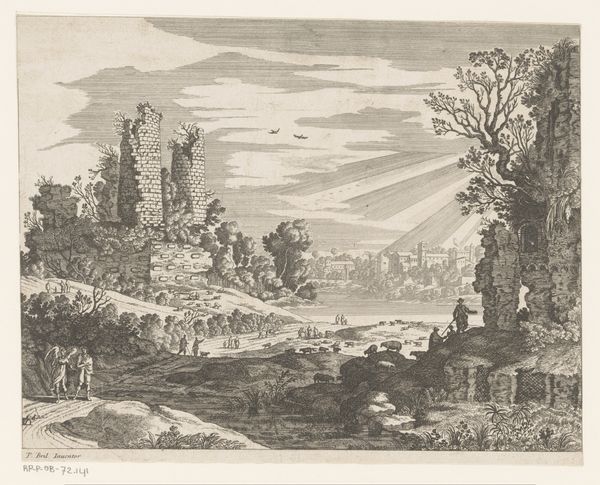
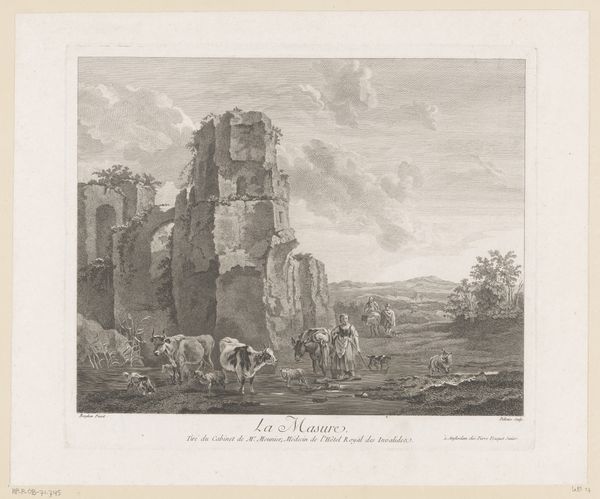
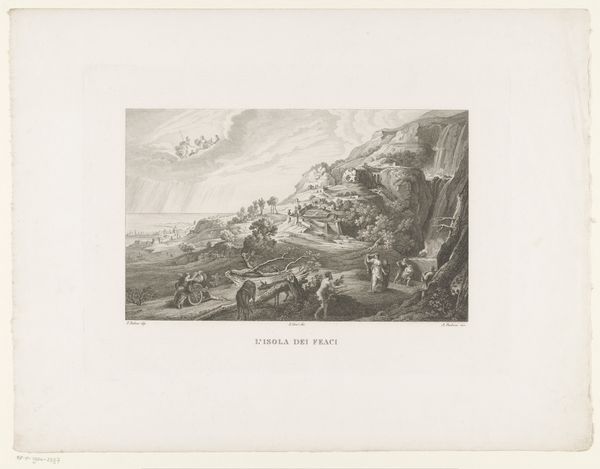
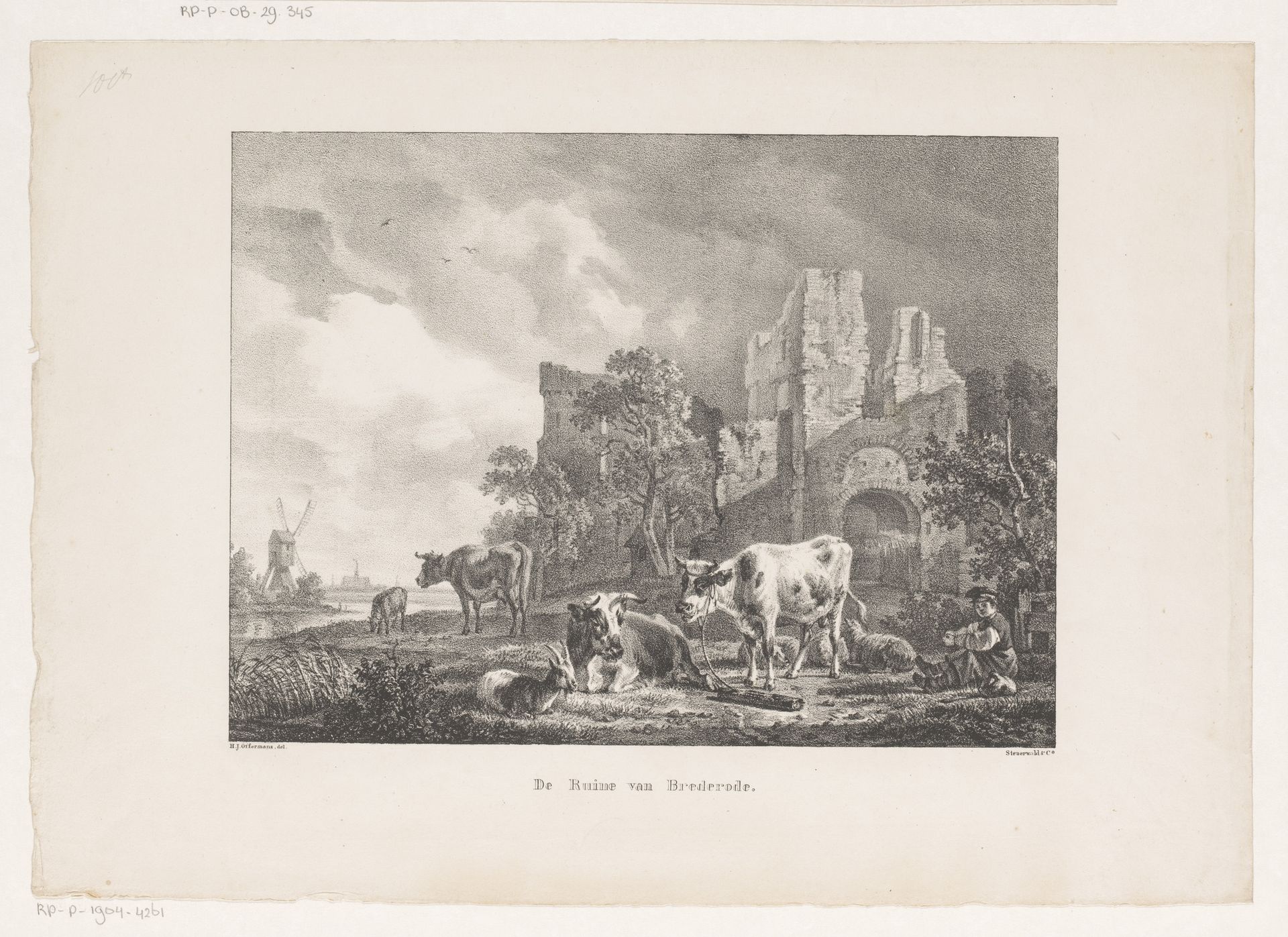
Anthony Jacobus Offermans created this print of Brederode ruins using etching and possibly other techniques to create tone. Look closely, and you’ll see the tell-tale signs of the etching process: the fine, closely-laid lines that define the forms and create a sense of light and shadow. The choice of etching speaks to a wider culture of reproduction at the time, where prints were a primary means of circulating images and ideas. Here, we see a romanticized view of the ruin. The textures and tones create a sense of depth and atmosphere, drawing the viewer into the scene. What I find most compelling is how the work’s material—an etched plate—interacts with its subject: a ruin, a vestige of the past. In a sense, the print itself is an act of preservation, a way of capturing and memorializing a site that is already in decay.

Artwork details
- Medium
- print, etching
- Dimensions
- height 294 mm, width 417 mm
- Copyright
- Rijks Museum: Open Domain
Tags
Comments
Share your thoughts
About this artwork
Anthony Jacobus Offermans created this print of Brederode ruins using etching and possibly other techniques to create tone. Look closely, and you’ll see the tell-tale signs of the etching process: the fine, closely-laid lines that define the forms and create a sense of light and shadow. The choice of etching speaks to a wider culture of reproduction at the time, where prints were a primary means of circulating images and ideas. Here, we see a romanticized view of the ruin. The textures and tones create a sense of depth and atmosphere, drawing the viewer into the scene. What I find most compelling is how the work’s material—an etched plate—interacts with its subject: a ruin, a vestige of the past. In a sense, the print itself is an act of preservation, a way of capturing and memorializing a site that is already in decay.
Comments
Share your thoughts